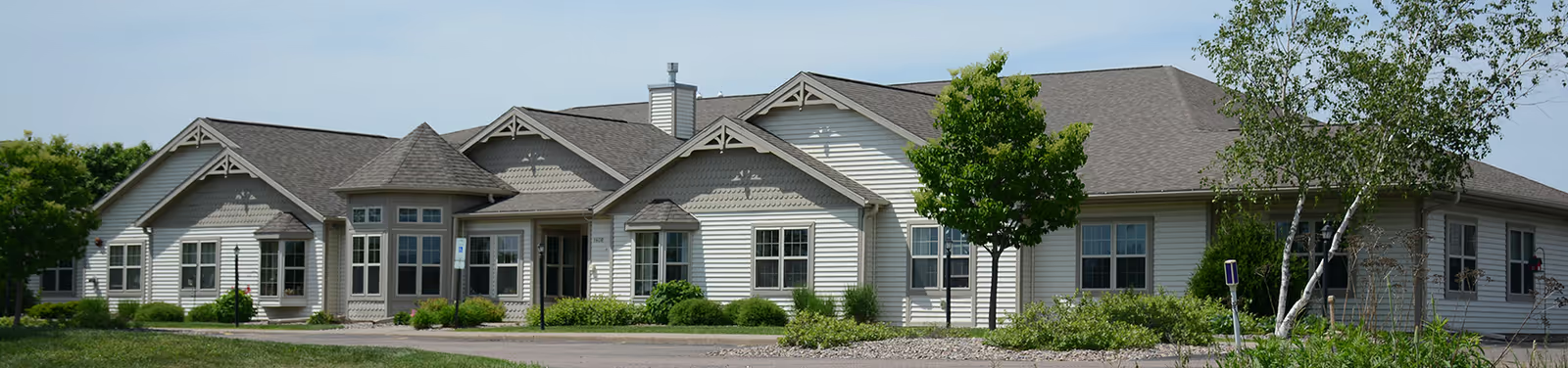
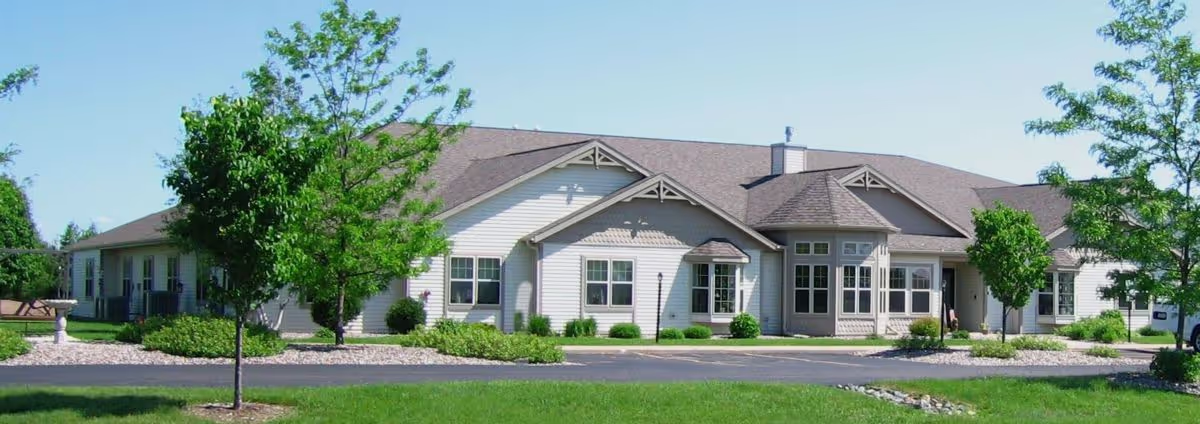
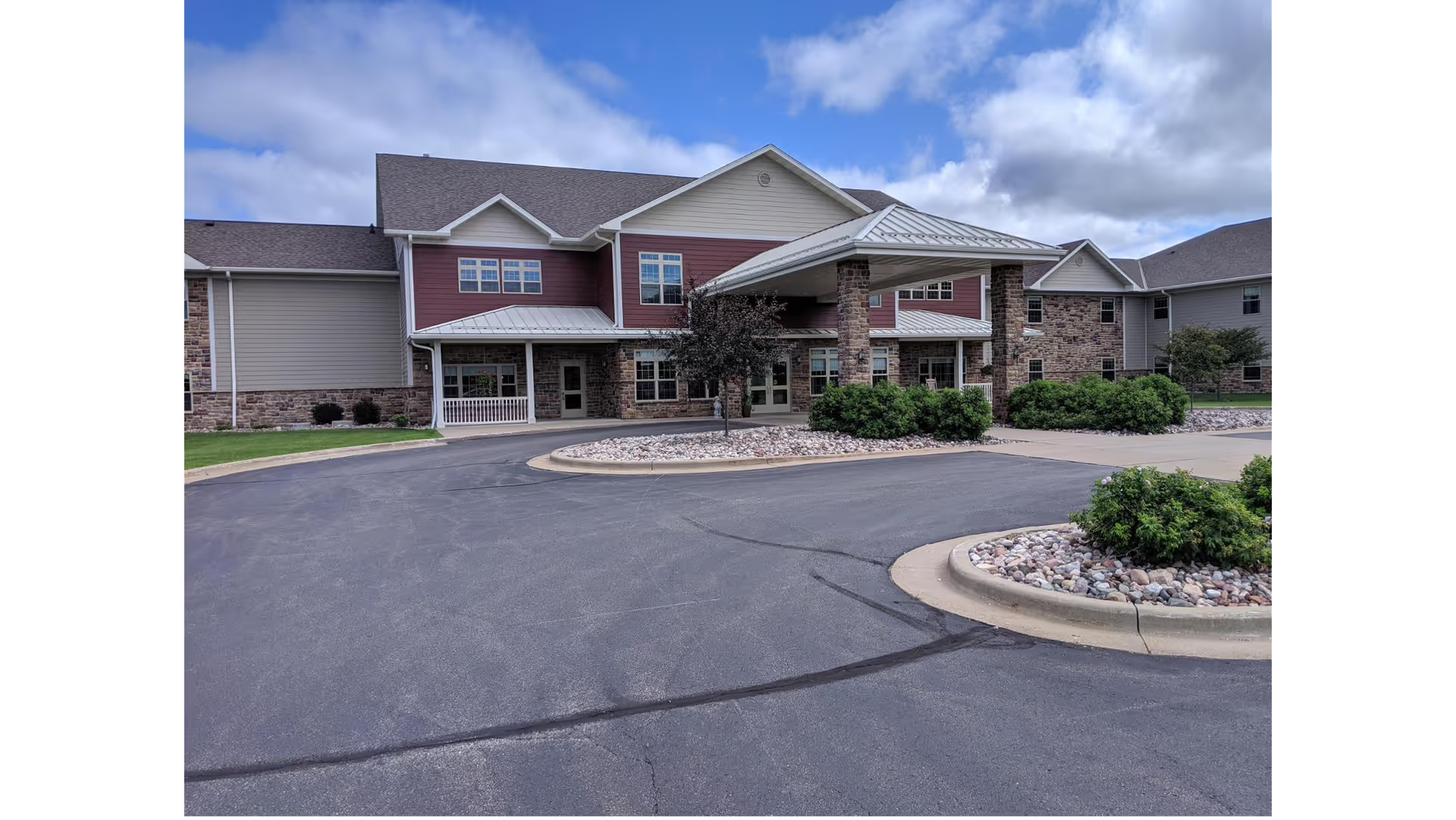
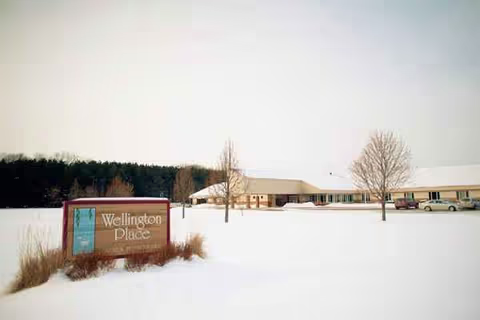
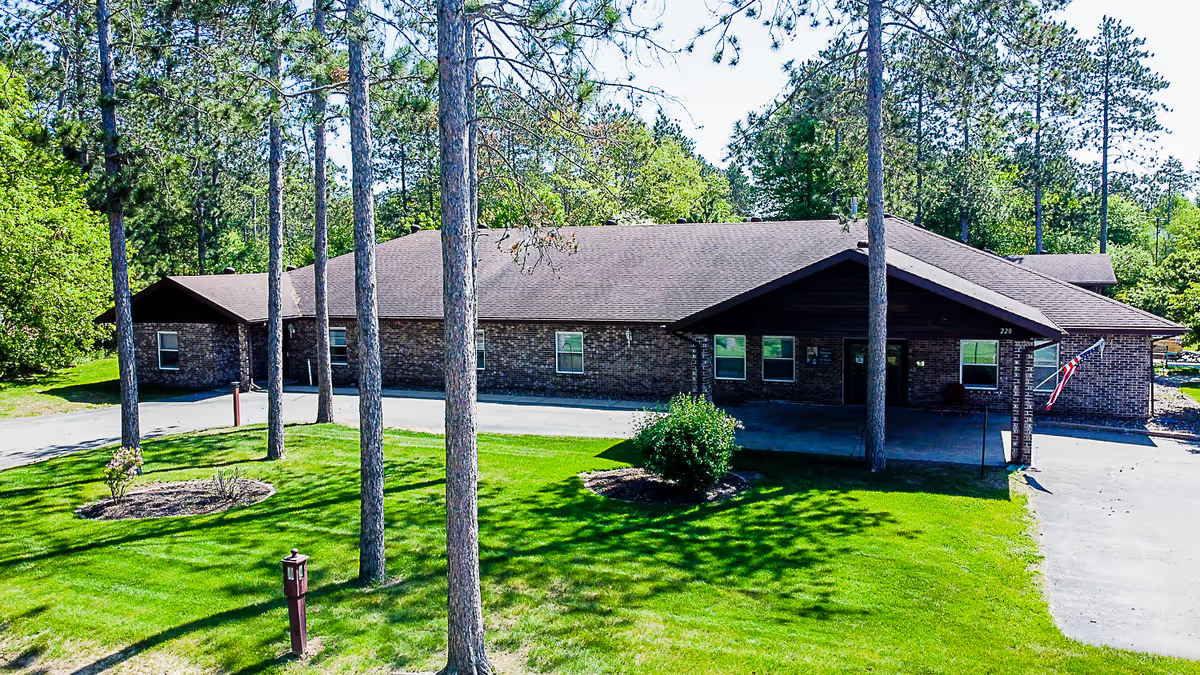
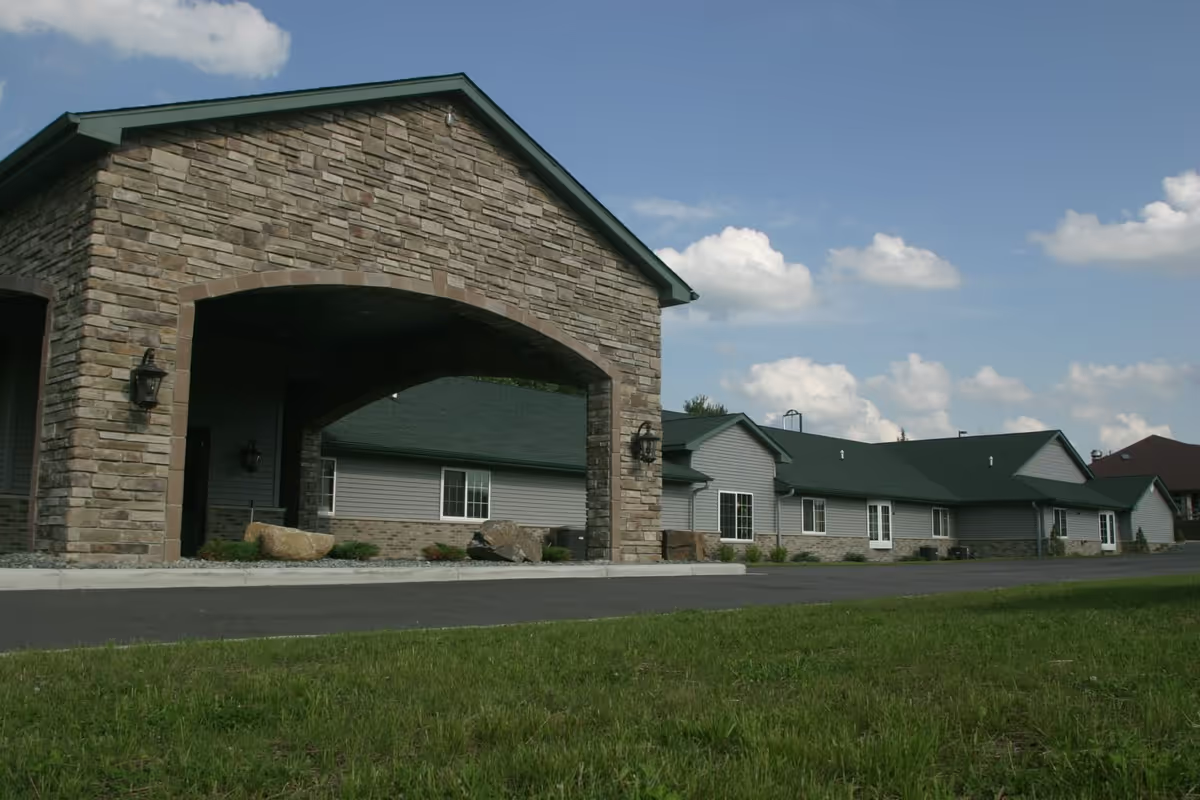
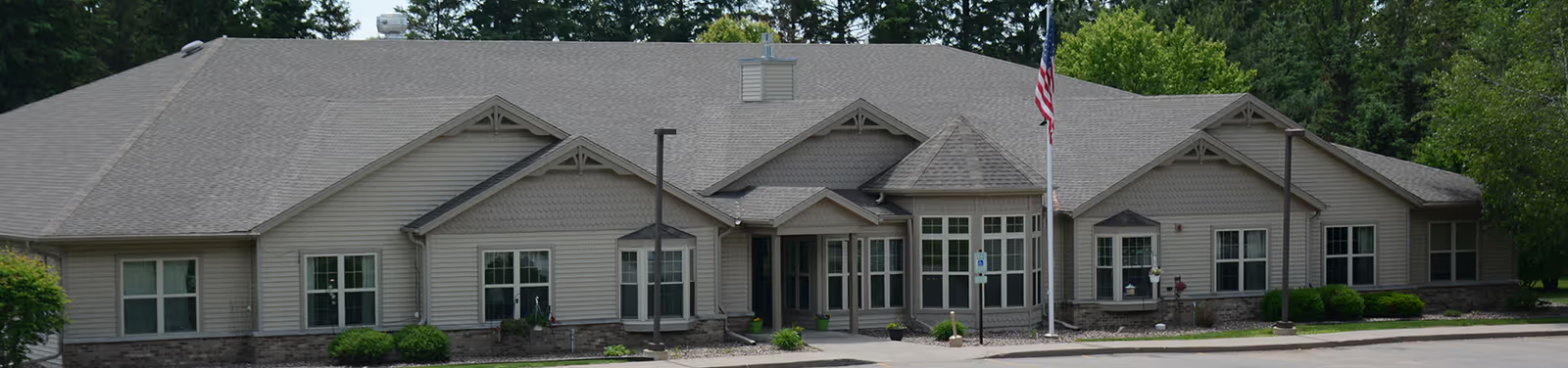
Overall impression: The facility is frequently described as a clean, attractive, and modern campus with large private rooms, private bathrooms, and appealing common spaces. Many accounts emphasize strong rehabilitation services, responsive housekeeping, and an environment that can be welcoming to visitors. At its best, the facility appears to deliver effective short-term rehab with daily or twice-daily therapy, attentive nursing, and caregiving that families find compassionate and helpful.
Care quality and clinical concerns: Clinical reports are mixed. Numerous accounts praise physical and occupational therapy teams for measurable recovery progress and active rehabilitation programming. Nursing and CNA staff are often characterized as attentive and professional, with positive notes about pain management and kindness. However, there are recurrent operational concerns indicating variability in clinical competence and follow-up: examples include wound-prevention and skin-integrity issues, perceived lapses in addressing clinical complaints, and instances where family notification and clinical communication were inadequate. These point to uneven execution of clinical protocols rather than a uniform standard of care.
Staff and management: Staff-level interactions range from described as extremely caring and proactive to characterized as undertrained and unresponsive. Several descriptions highlight helpful admissions support, clear explanations of care, and assistance with insurance coordination; at the same time, leadership and management style are frequently called out as inconsistent. Reported problems include defensive or dismissive responses to family concerns, administrative communication breakdowns, and variability in how complaints are handled. This suggests institutional leadership is a key driver of the differing experiences families report.
Dining and activities: The physical dining environment and menu structure receive positive comments—an attractive dining room and multiple entrée choices are noted. Food quality, however, is inconsistent across accounts, with some families praising meals and others calling them mediocre. Activity offerings also vary: some descriptions list a robust calendar (live music, car-show weekends, happy hours, bingo, walking groups), whereas others indicate limited engagement and residents spending long periods inactive. This points to program variability between units, shifts, or time periods.
Facilities and safety: The facility’s aesthetic upkeep is widely praised—clean, modern interiors and well-maintained spaces are repeatedly cited. Noted advantages include on-site gym access and proximity to shopping-type amenities that support a residential-style feel. Conversely, a few specific safety and comfort concerns were mentioned (for example, bedding comfort and isolated safety hazards in common areas). These appear episodic but should be confirmed during an in-person tour.
Notable patterns and guidance: Reviews present a polarized pattern: many families report excellent rehabilitation outcomes and compassionate day-to-day care, while other accounts describe operational and leadership shortcomings that affect communication, clinical follow-up, and billing transparency. Prospective residents and families should prioritize an in-person visit that includes a tour of the specific unit, a meeting with therapy and nursing leaders, clarification of billing and medical-authorization practices, and verification of communication protocols (phone access, family notification) before admission. Asking for recent quality metrics, wound-prevention protocols, and examples of activity schedules can help assess whether the facility’s strengths align with an individual’s needs.