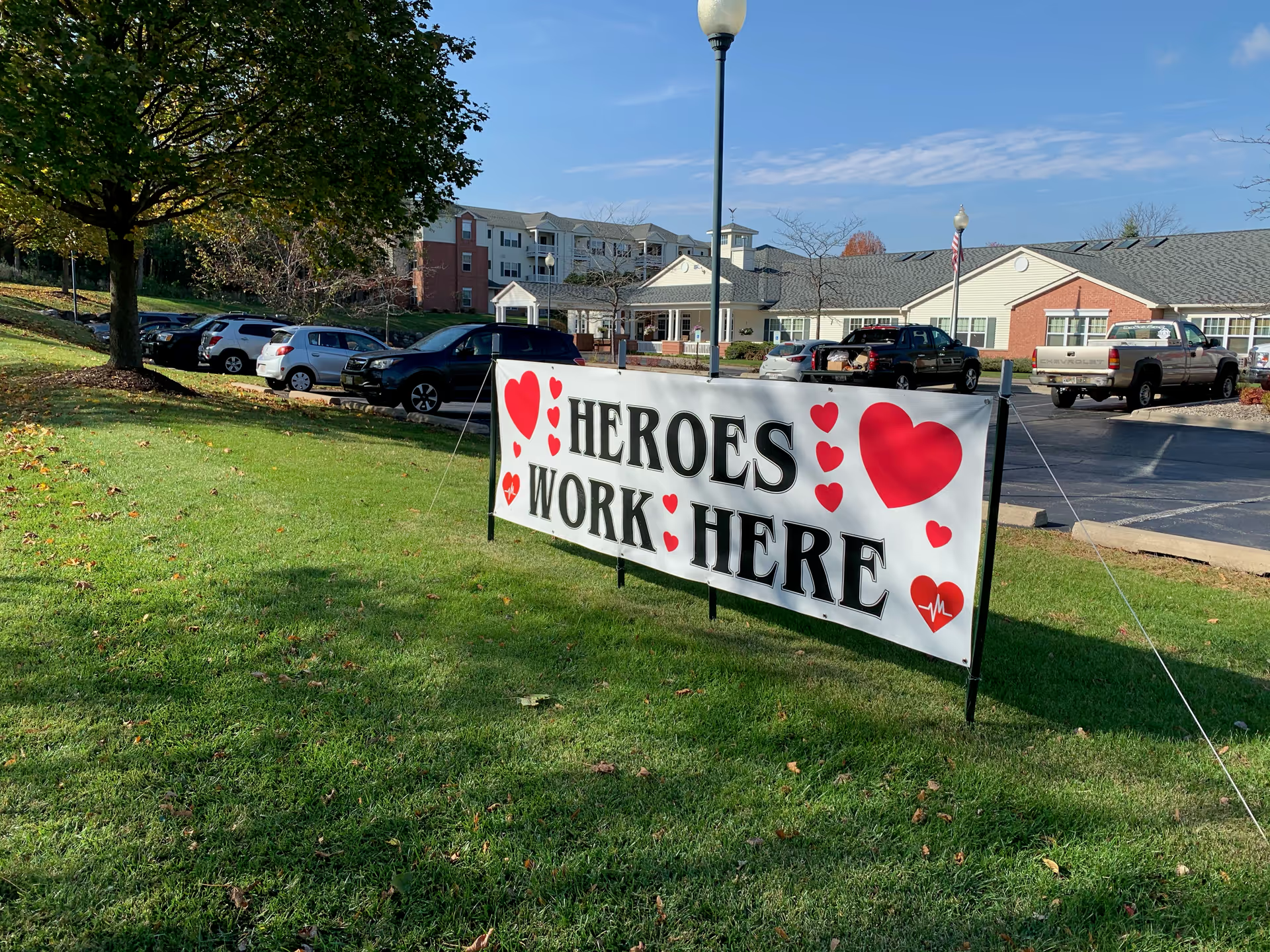
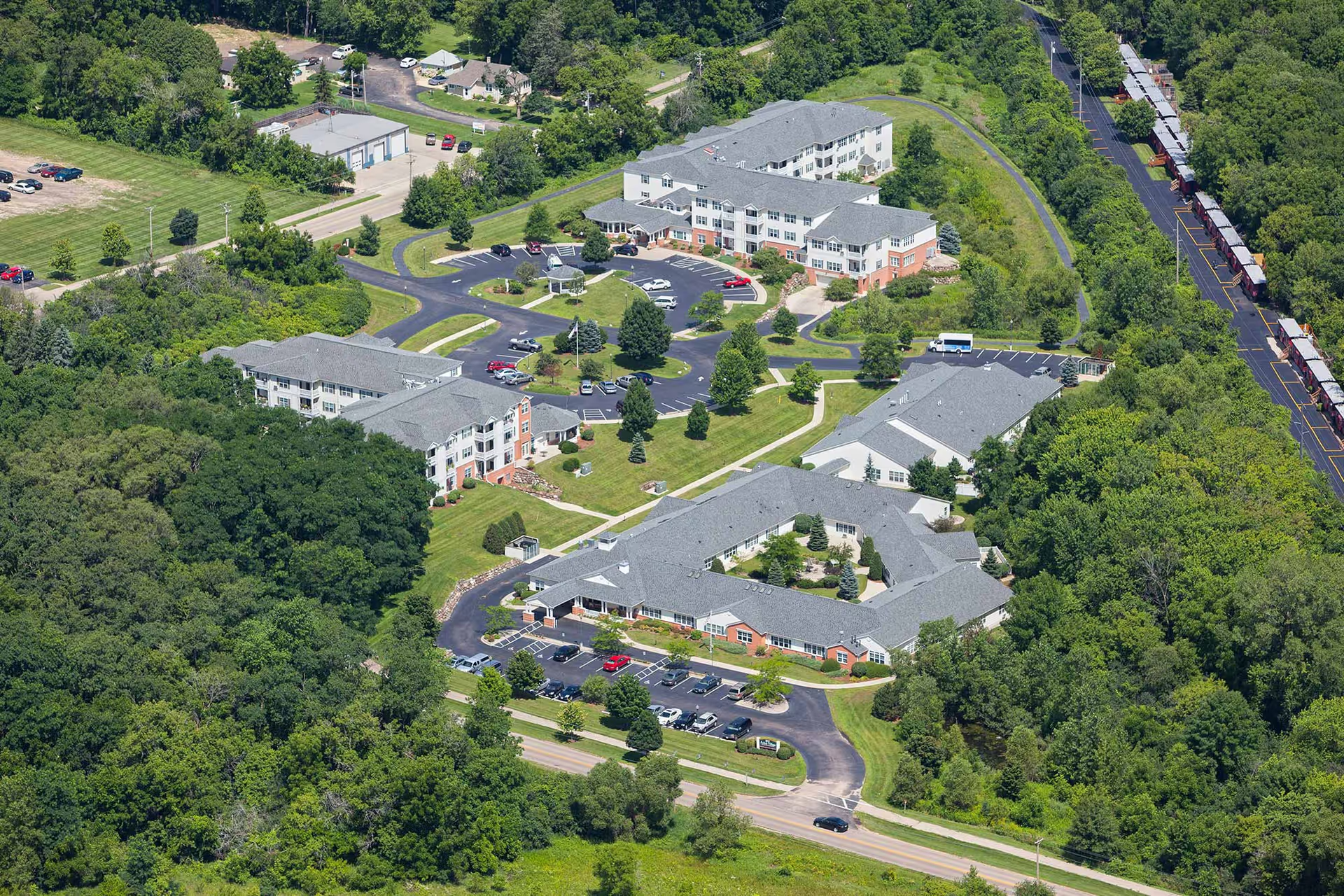
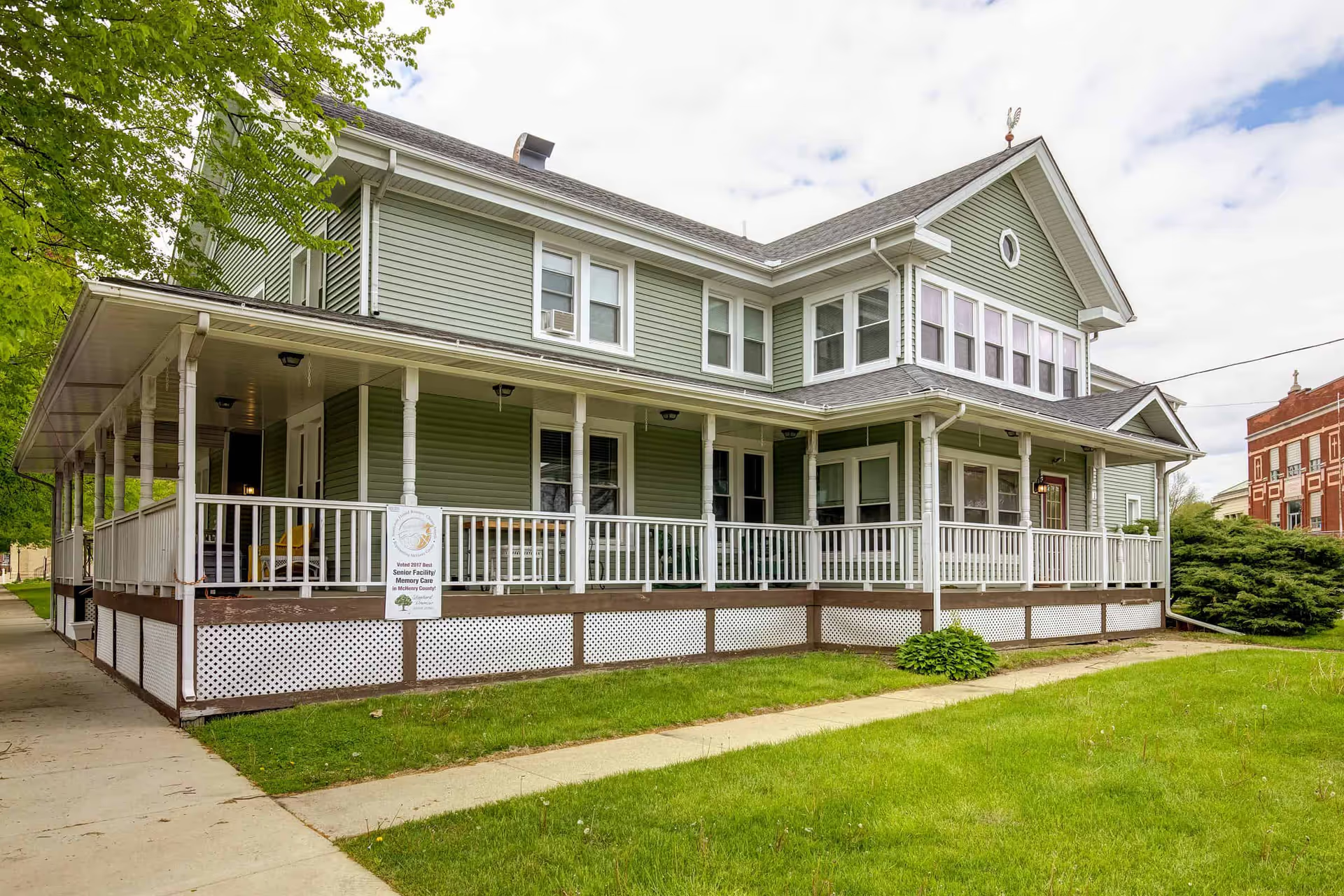
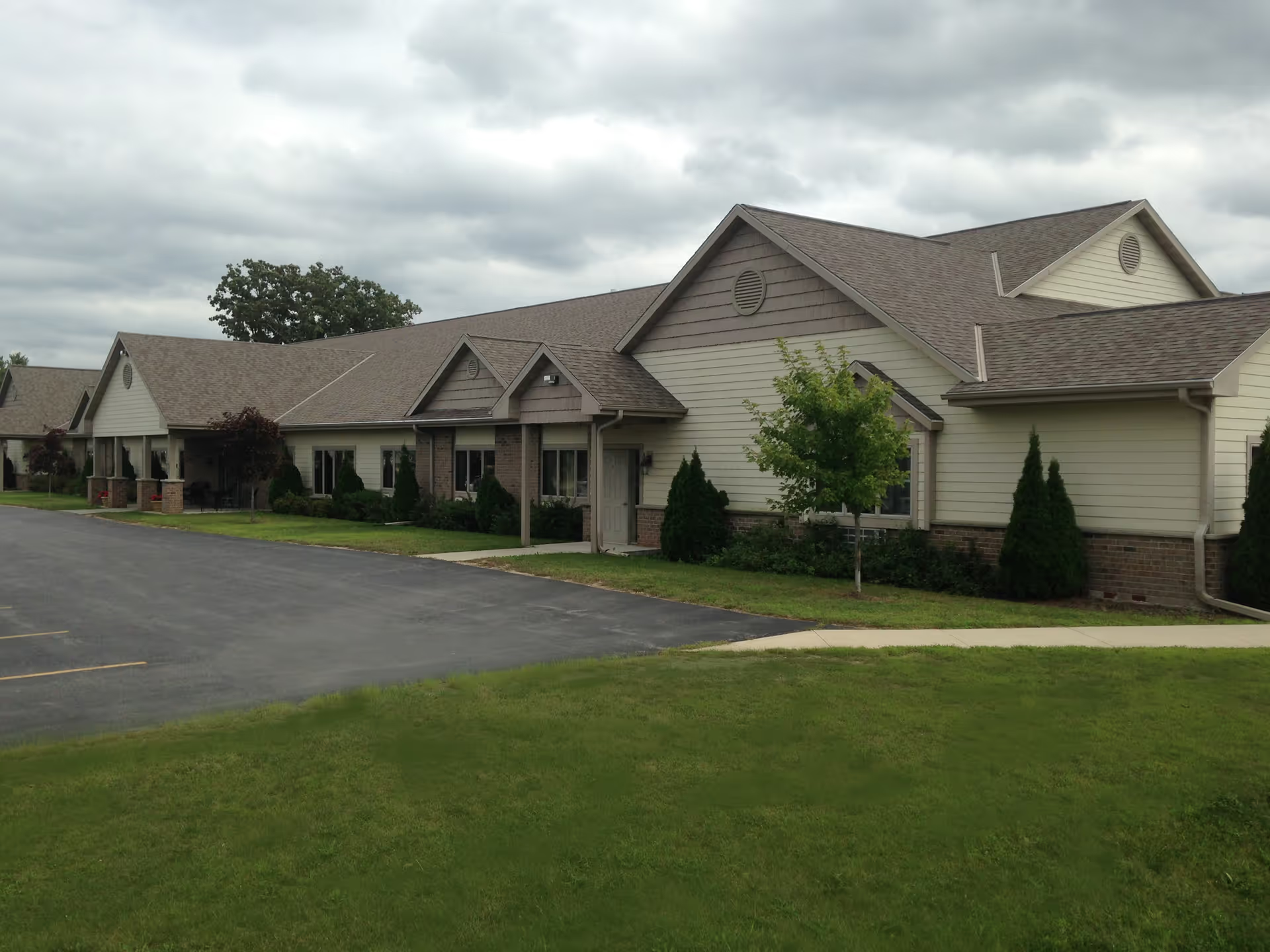
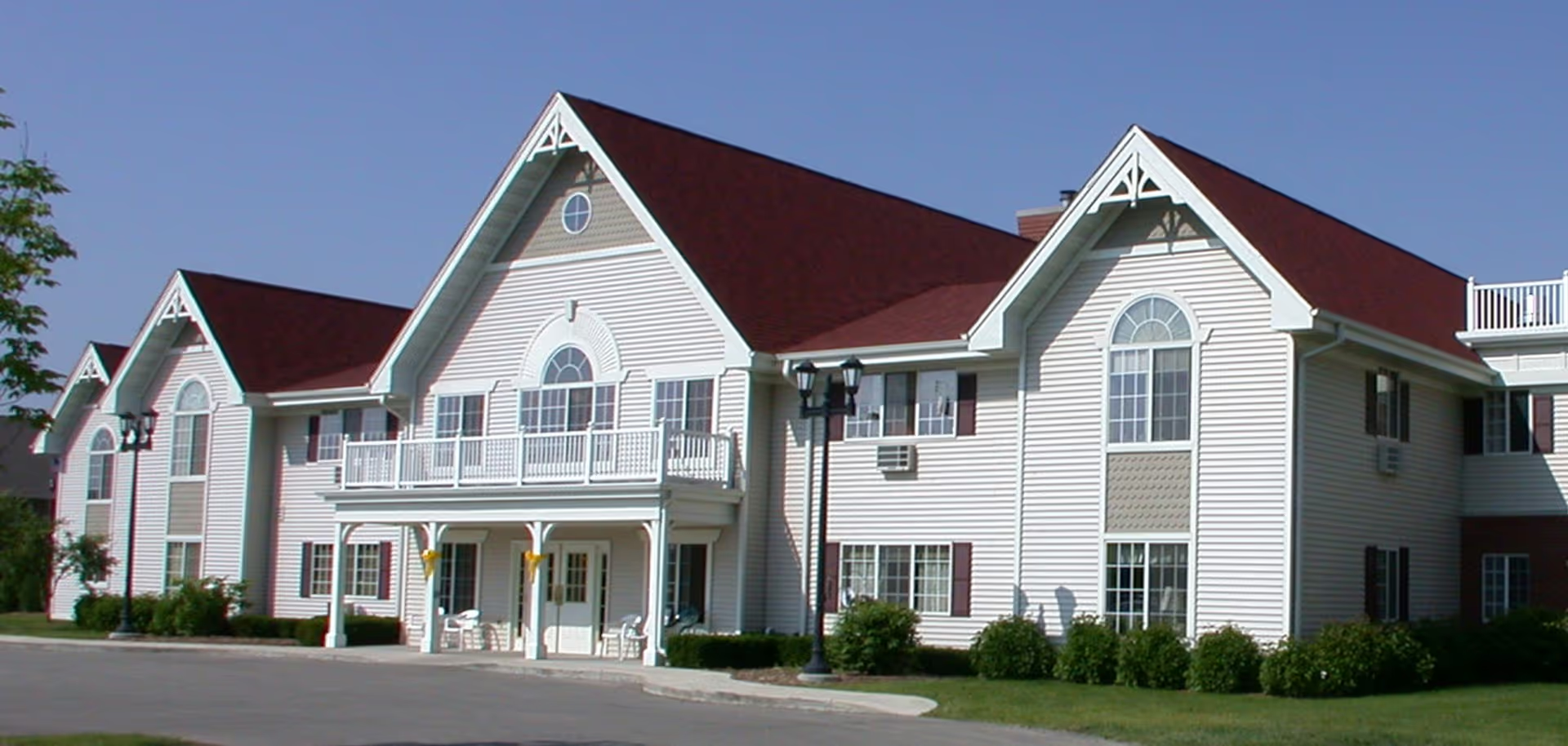
Sherwood Lodge presents as a well-appointed assisted living community with many features that families and residents repeatedly praise. The physical environment is frequently described as clean, warmly decorated in a ski-lodge style, and hotel-like, with amenities that include a movie theater, chapel, activity center, salon, exercise room, and multiple gathering spaces. Apartment offerings skew toward larger units (including corner two-bedroom plans around 850 sq ft) with full kitchens and in-unit laundry, accessible bathrooms, and interior finishes that many find attractive. The community is pet-friendly and has systems in place to support pets and families after a pet’s passing.
Care and staffing are a central theme. Numerous accounts highlight compassionate, engaged caregiving staff and an executive director who is personally involved and responsive. Maintenance and housekeeping responsiveness is also commonly noted as a strength. At the same time, reviewers point to operational inconsistencies: families described delays in call-light response and missed personal care tasks, indicating variability in staffing reliability and timely responsiveness. There are also isolated but serious concerns raised about medication handling that warrant attention; one reviewer described an allegation of medication diversion, and broader commentary suggests the facility would benefit from stronger medication-control and staff-conduct oversight protocols.
Dining and activity programming are generally viewed positively. Several families praised chef-prepared meals, an abundant salad bar, themed entertainers, live music, and regular outings such as weekly shopping trips. However, others noted turnover in kitchen staff and uneven meal quality, suggesting that culinary consistency is variable over time. The activities program appears comprehensive and well-staffed, offering regular social, musical, and intergenerational opportunities that support resident engagement and mobility-appropriate offerings.
Management and operational patterns show both strengths and variability. Long-standing staff and managers receive high marks for communication and problem resolution, but transitions in leadership and complaints about limited manager visibility or responsiveness were also mentioned. These mixed experiences point to uneven leadership continuity and communication practices. Cost and value perceptions vary: many families regard the facility as premium and worth the price given amenities and apartment sizes, while others cite the combination of perceived high fees and a few operational gaps (kitchen consistency, limited grounds, apartment window placement) as diminishing overall value.
Notable facility-level patterns for prospective residents to weigh include the strong amenity and social-program offerings, the generally compassionate caregiving culture, and well-appointed, accessible apartments. Counterbalancing those positives are recurring operational issues: variability in staff responsiveness, occasional lapses in clinical and medication controls, inconsistent kitchen performance, and apartment designs that limit exterior views in some units. Prospective residents and families should tour multiple apartment types (to assess exterior-facing windows and light), ask about current dining staff stability, review medication-management policies, and discuss recent leadership tenure and staffing plans during a visit.