Reviewer feedback for Williams Bay Health Services shows a marked variability in resident and family experiences. Several families described compassionate hospice involvement with attentive pain management and daily visits at end of life; other families experienced significant dissatisfaction with personal-care delivery, timeliness of assistance, and clinical communication. This mixed pattern suggests the facility can provide high-quality support in some cases while exhibiting operational weaknesses in others.
Care and staff: Reviews highlight a split between staff praised as friendly, helpful, and recovery-focused and concerns about responsiveness and conduct. Positive accounts reference attentive aides and effective rehabilitation progress. Contrasting accounts describe delayed responses to call requests, inconsistent bathing and personal-care schedules, and perceptions that certified nursing assistants are overextended. There are also serious concerns around medication management controls; one or more reviewers raised allegations regarding controlled-medication handling, which points to a potential area for stronger clinical governance.
Dining and activities: The facility receives favorable comments for its activity programming and social opportunities, which families say engage residents and support a pleasant daily routine. Meal quality was generally viewed positively, though dietary accommodation options are limited — notably gluten-free choices were identified as insufficient.
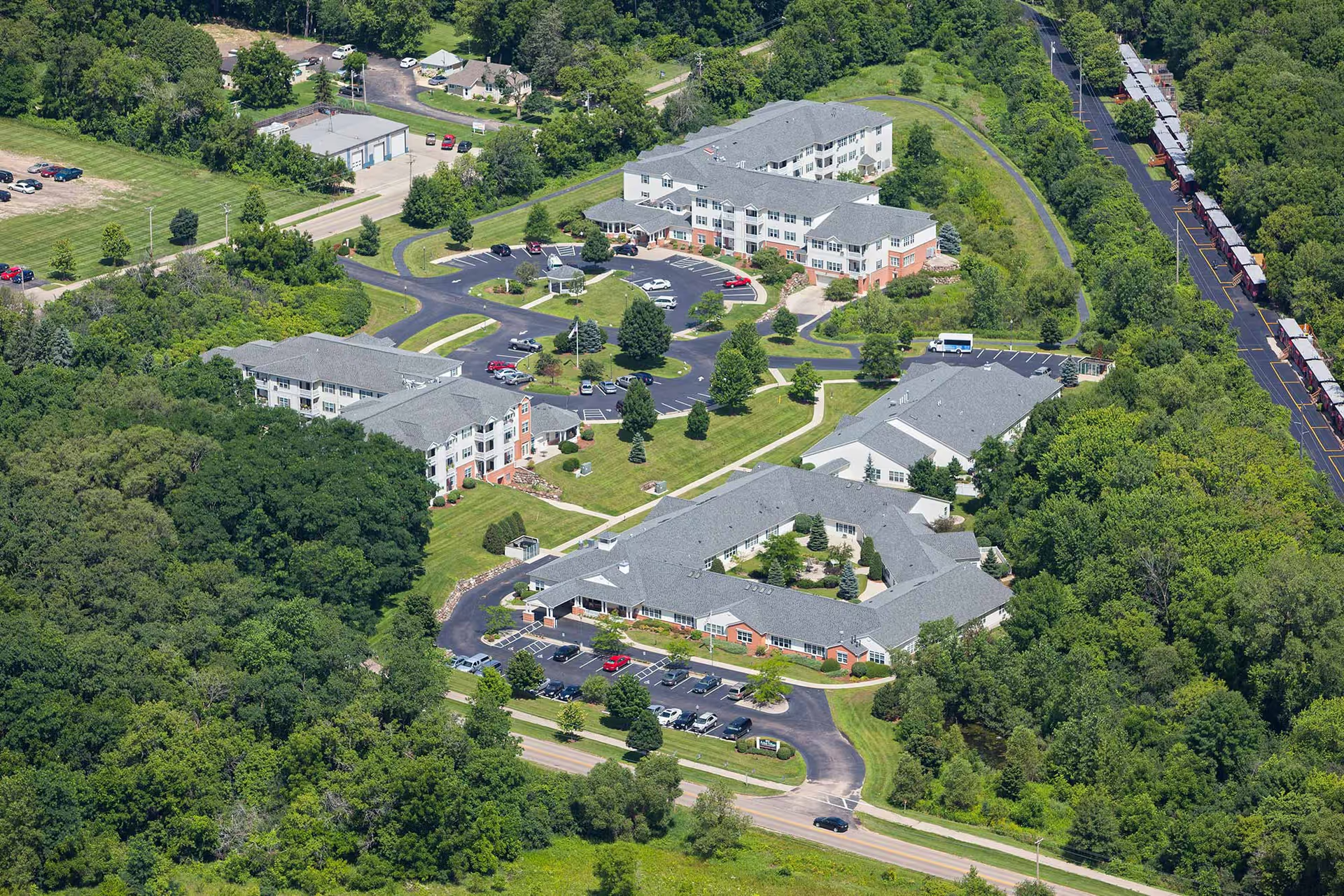
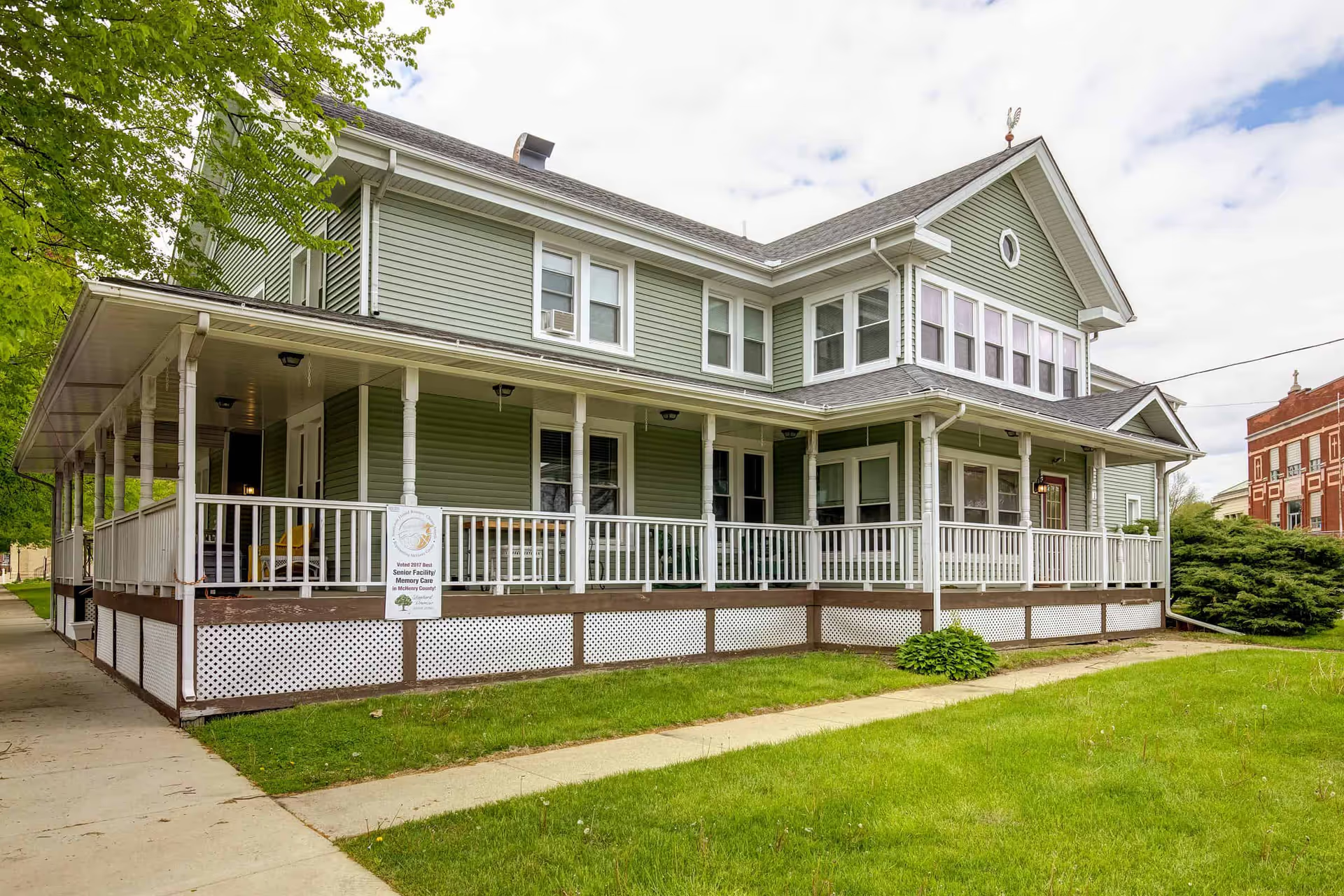
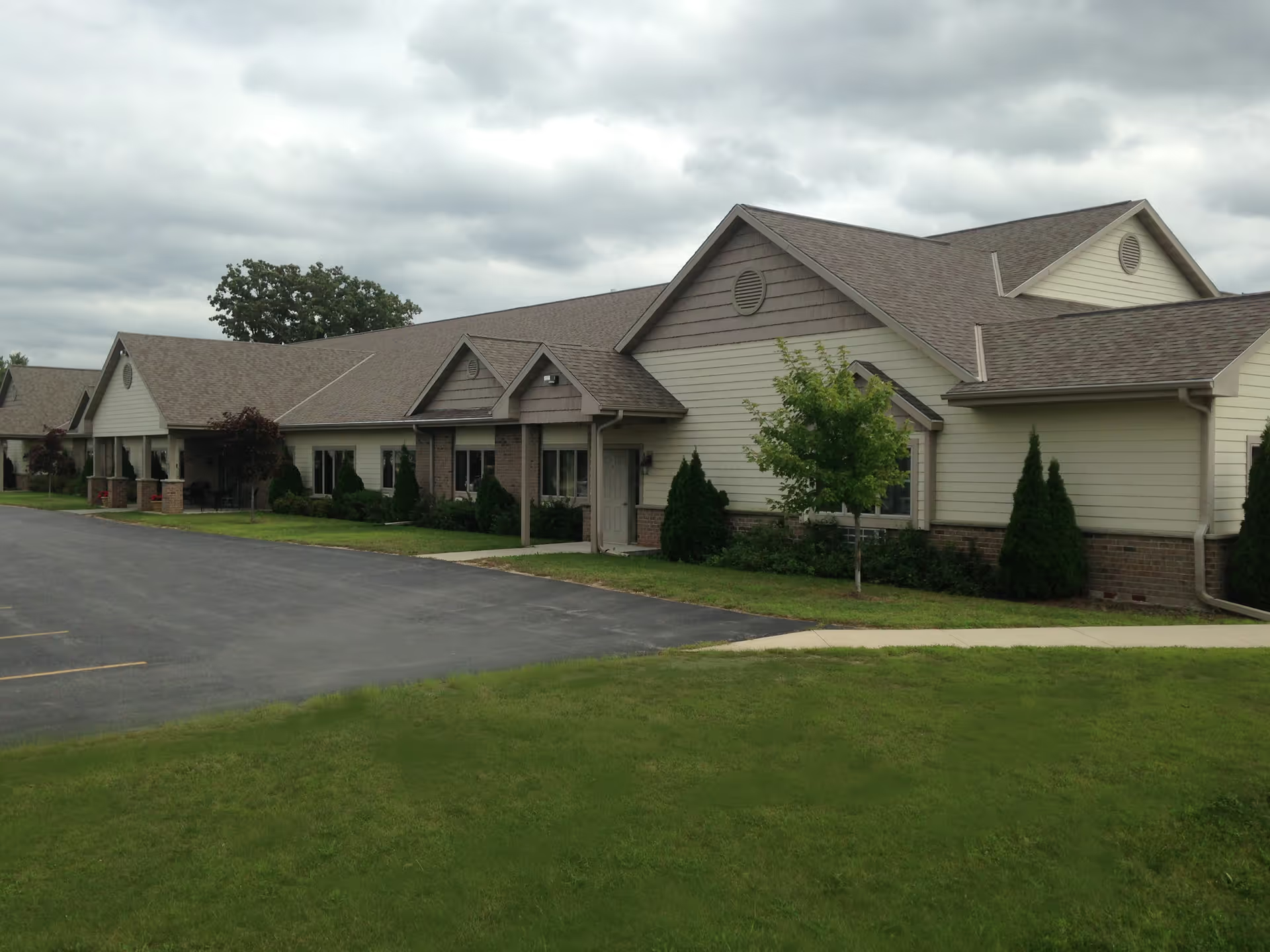
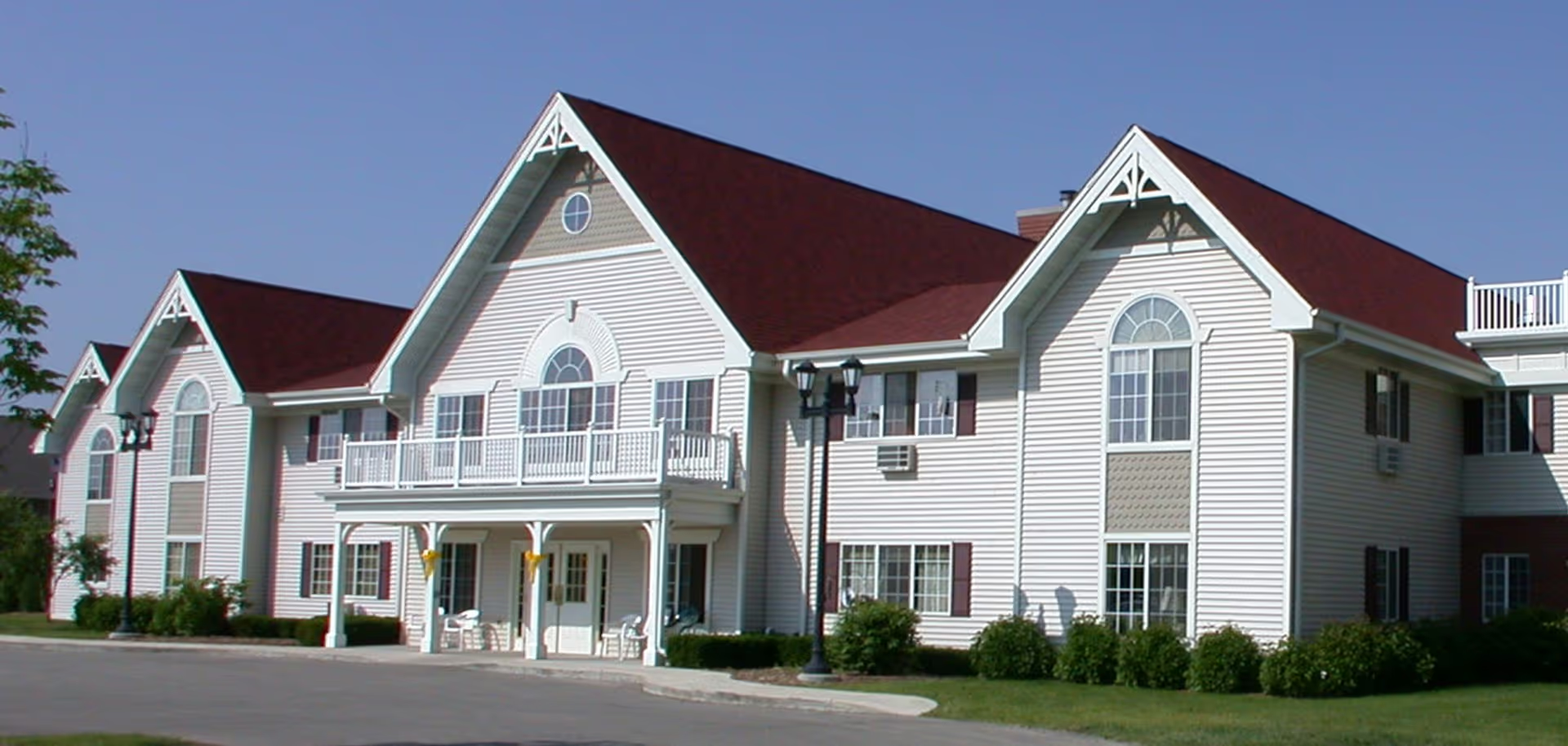
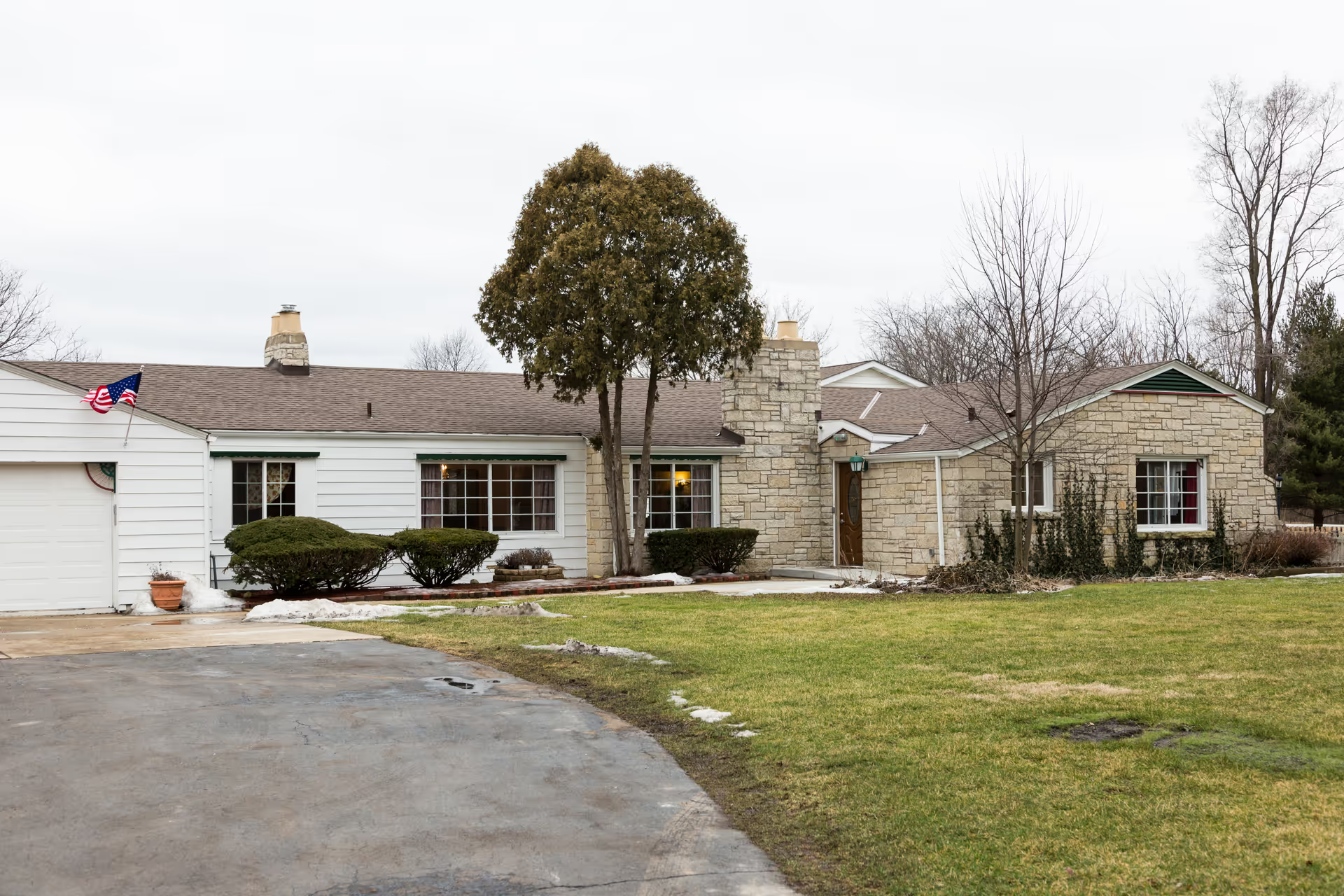
Facilities and housekeeping: Descriptions of the physical environment vary. Many reviewers describe a pleasant, well-maintained aesthetic and accessible parking, while others reported sanitation and odor concerns in resident rooms and some common areas, and inconsistencies in housekeeping frequency. These contrasting reports indicate variability in maintenance and environmental services across the facility.
Management and communication: Several reviewers praised the facility’s ability to resolve issues quickly in certain situations, but others described inconsistent administrative responsiveness and inadequate notification to families about clinical declines or incidents. This suggests gaps in standardized communication protocols and complaint follow-up. Additionally, some families found the scope of skilled-nursing services unclear, which can complicate care planning and expectations.
Notable patterns: The dominant themes are variability and inconsistency. Positive experiences emphasize compassionate hospice collaboration, engaging activities, and supportive direct-care staff. Negative experiences center on staffing levels, delays in attending to resident needs, sanitation and odor concerns, gaps in medication controls, and uneven management follow-up. Prospective residents and families should consider scheduling an in-person visit, asking about staffing ratios and medication-safety procedures, reviewing housekeeping schedules, and clarifying the facility’s skilled-nursing capabilities and communication protocols before deciding.