Overall impression Veterans' Home of Wyoming is described predominantly as a veteran-centered, well-run long-term care setting with a strong tradition of caring. Review language emphasizes a supportive culture tailored to veterans, continuity of residence for long-term residents, and administrative processes that many find satisfactory. These comments create an impression of a facility that fosters recovery and a sense of community for its intended population.
Care and clinical quality Many reviewers praised nursing and recovery support, characterizing caregiving as attentive and conducive to healing. At the same time, there is an indication of variability in clinical care: a contrasting comment described medical care as subpar. This suggests that while nursing and day-to-day support are generally seen as strengths, families should clarify clinical oversight, staffing levels, and care-plan consistency during a visit to ensure the facility can meet specific medical needs.
Staff and resident interactions Staff are regularly described as helpful, caring, and respectful, with a clear focus on veterans’ needs. The combination of compassionate interactions and veteran-centered programming appears to contribute to resident satisfaction and long tenures. These attributes point to staff continuity and a culture that values service to veterans.
Dining, activities, and amenities Reviews provide limited detailed commentary on dining and specific activity offerings. The facility’s veteran-focused culture implies programming tailored to that community, but reviewers did not elaborate on meal quality or the breadth of activities. Prospective families should request current menus, activity calendars, and opportunities for observation during a tour to assess fit.
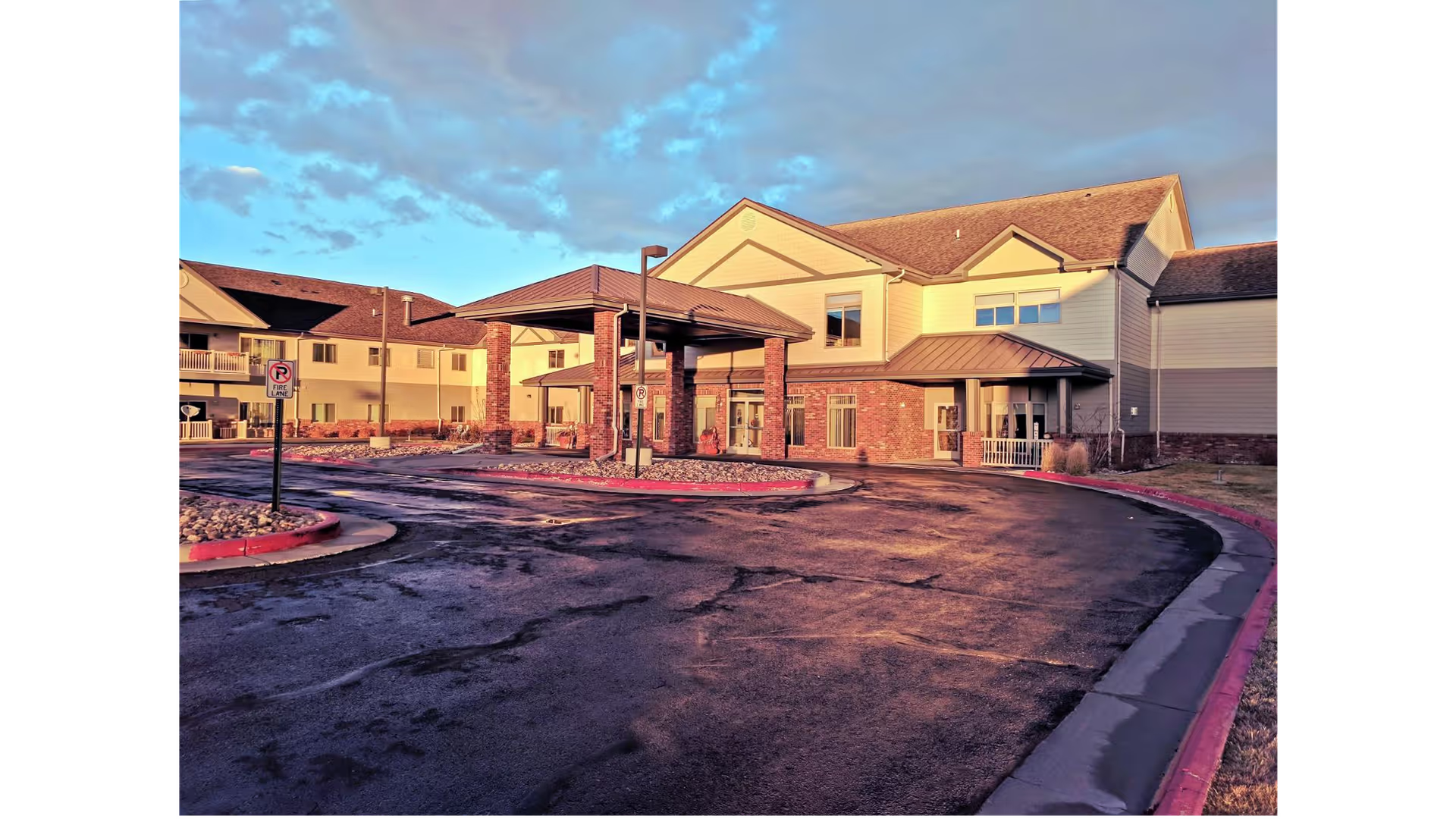
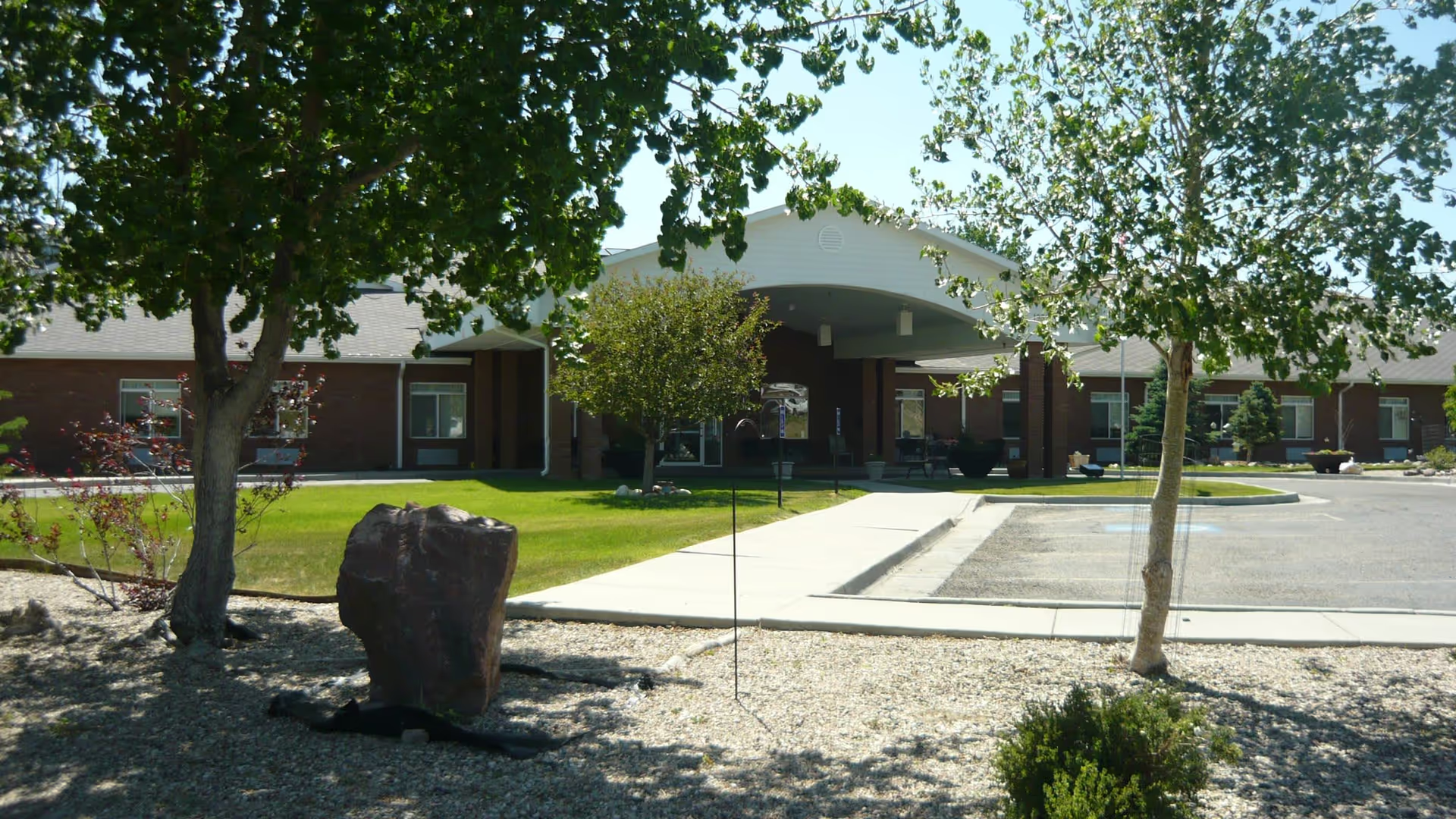
Facilities, management, and safety patterns The facility is generally described as well-run; administrative competence and operational order are noted as positive features. However, safety-related concerns surfaced with respect to vehicle operation and transportation management. This indicates a need for clearer transportation policies and oversight (for example, driver training, route protocols, and traffic-safety practices). Families should ask management about transportation procedures and any recent safety audits or training initiatives.
Notable patterns and recommendations In summary, the facility's strengths center on veteran-centered culture, compassionate staff, and an environment supportive of recovery and long-term residence. The primary operational concerns to investigate further are the consistency of clinical/medical care and oversight of transportation safety. When evaluating this facility in person, prospective residents and families would be advised to observe staff–resident interactions, review clinical staffing and supervision, request activity and dining information, and ask specifically about transportation policies and safety training.