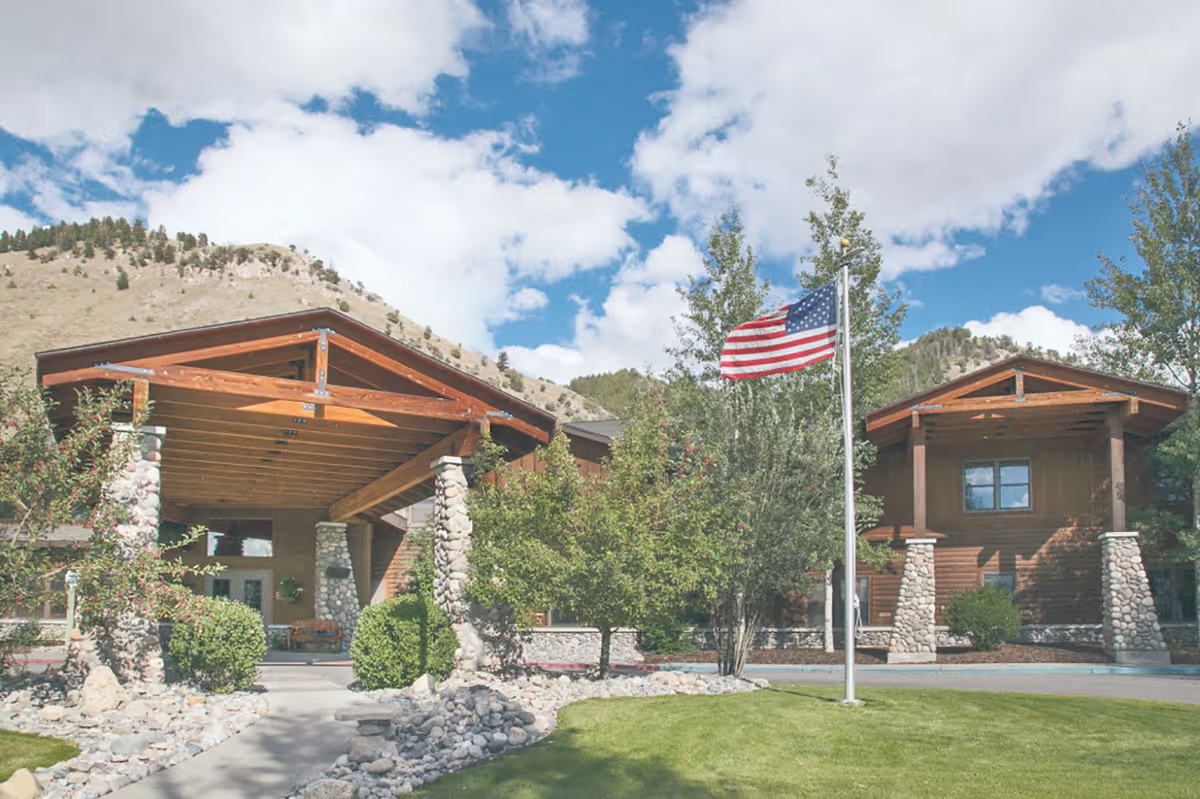
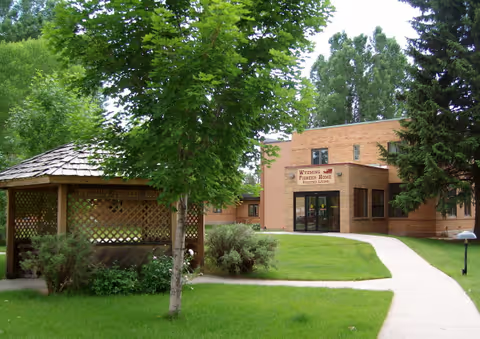
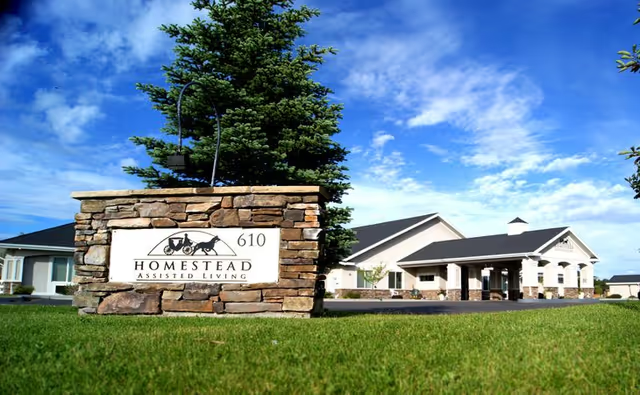
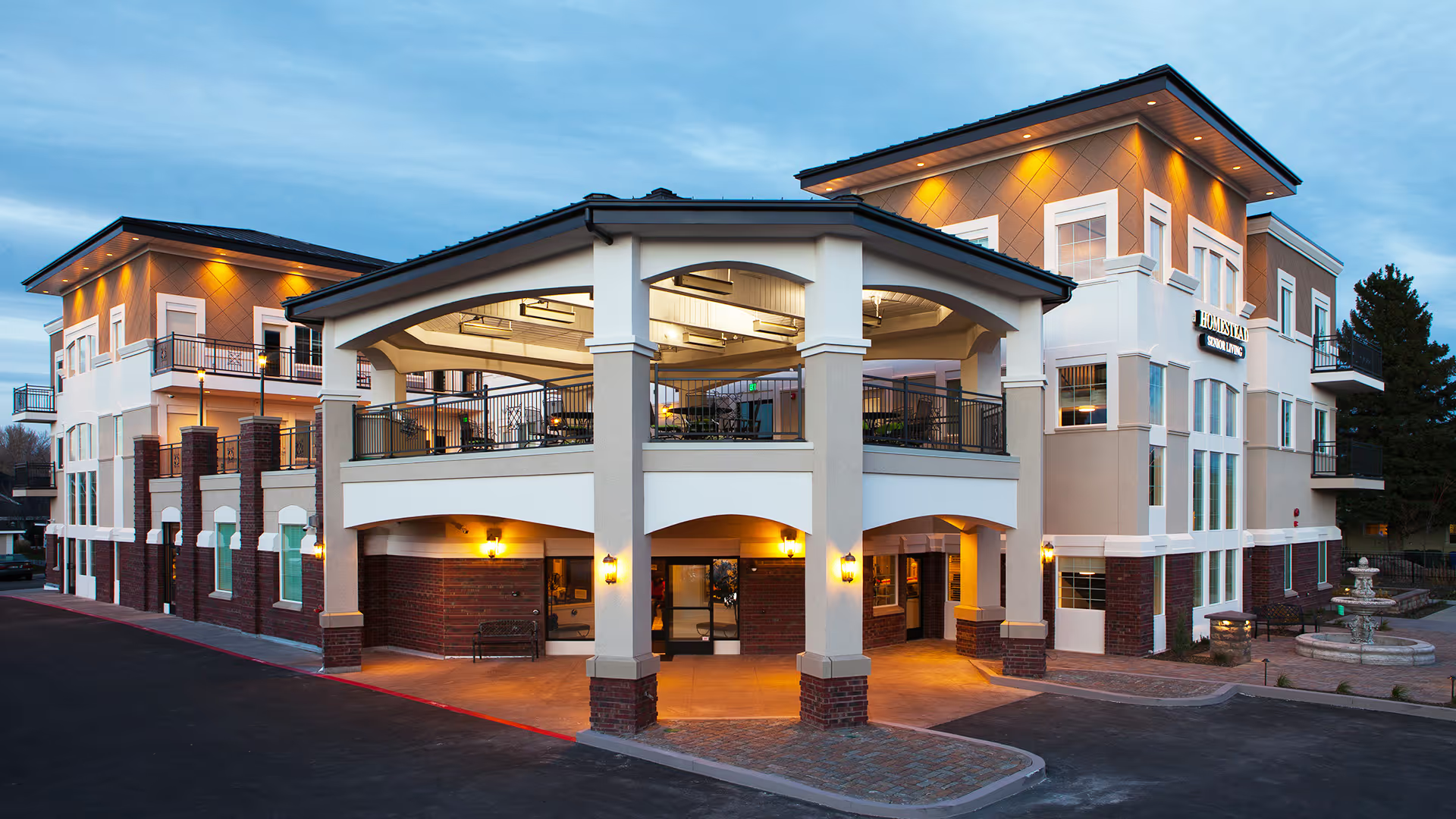
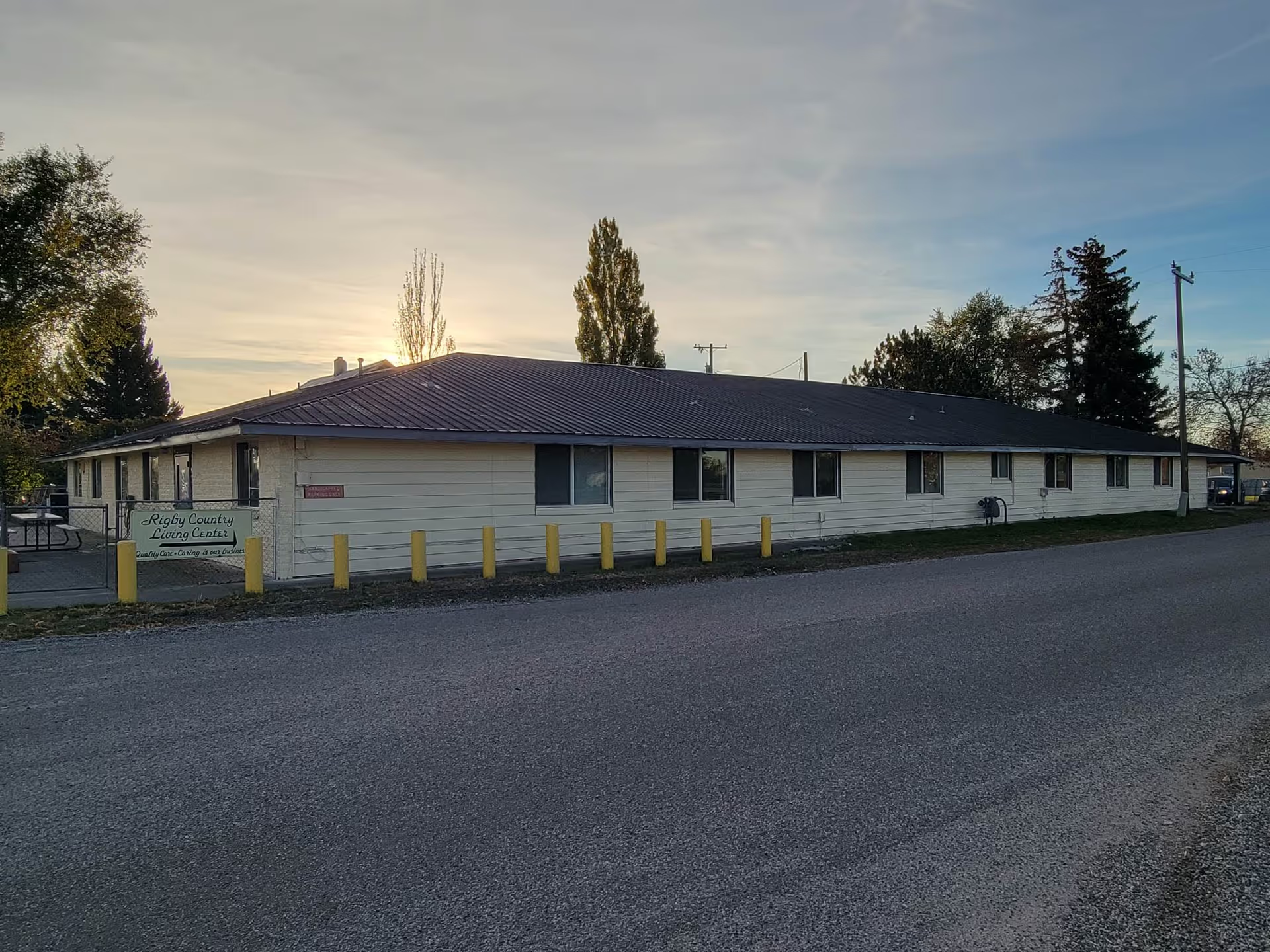
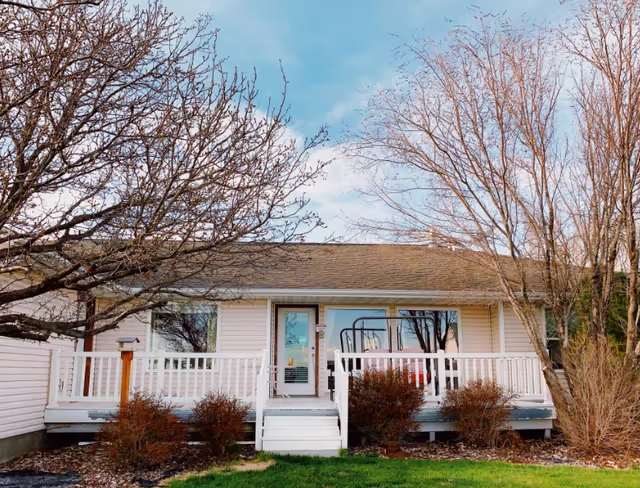
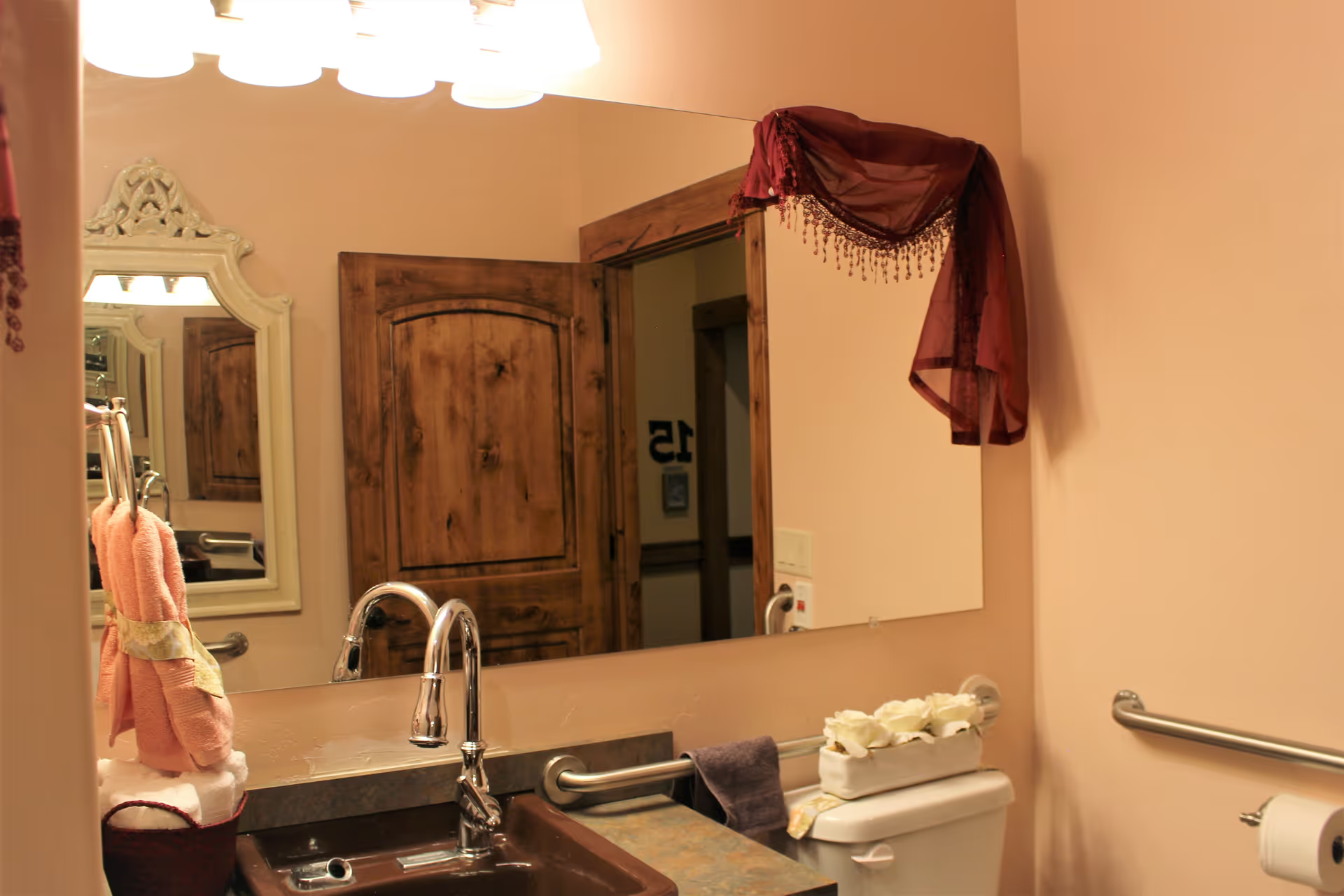
Overall impression: Warm Valley Lodge is consistently described as a clean, well-maintained assisted living community with a pronounced emphasis on a home-like environment and strong staff engagement. Reviewers highlight the facility's attractive siting — river and mountain views with direct outdoor access — and interior design that users characterize as tastefully decorated and comfortable. Common areas are described as spa-like and stocked with current reading materials, contributing to a calm, inviting atmosphere.
Care and staff: The most frequent and emphatic positive across the summaries is the quality of staff interaction. Caregivers are described as compassionate, attentive, and supportive of residents' independence. Several accounts point to the facility's ability to support short-term medical transitions, including access to physical therapy and a transition room for post-surgery recovery. These elements suggest operational strength in rehabilitation coordination and day-to-day resident support.
Dining and activities: Dining is noted favorably, with at least one reviewer calling it the best in town. The social program includes regular community-oriented events — bingo, movie nights, Wii bowling, happy hours, and evening activities — which contribute to an active community rhythm. That said, the activity program appears more modest in scale compared with larger assisted living communities; reviewers characterize it as sufficient for many residents but not as extensive as offerings at bigger facilities.
Facilities and amenities: Units include two-bedroom options and are presented as comfortable and move-in ready. Amenities are adequate for assisted living needs, though fitness resources appear limited (examples like exercise bikes placed in hallways indicate modest dedicated exercise space). The overall cleanliness and upkeep are repeatedly praised, which supports a perception of strong environmental-management practices.
Management and community integration: Reviewers note ease of transition for new residents, available move-in capacity, and active town engagement that brings community activities into the home. This suggests management attention to resident integration and local partnerships. There are no consistent reports of communication or conduct problems in the summaries provided; instead, management is implicitly credited for maintaining the facility's presentation and program continuity.
Notable patterns and considerations: Strengths are concentrated in staff responsiveness, cleanliness, scenic location, and practical transition/rehab support. Potential limitations to weigh are the community's rural setting and smaller scale: families seeking a very broad or specialized activity roster, extensive fitness facilities, or immediate access to a wide range of urban medical specialists may find this setting less suitable than a larger, urban facility. Prospective residents should prioritize an in-person tour to confirm whether the scale and variety of services match their expectations and to review specific clinical or specialty care arrangements if those are required.