Eternal Life Care Center LLC elicited mixed feedback focused on two distinct experiences: hands-on caregiving and nursing that families praised, and operational and managerial issues that created concern. Many reviewers highlighted individual caregivers and nursing staff as attentive, professional, and committed; they described the facility as clean and noted a small, supportive community feel. At the same time, several reviewers reported substantive declines in health or functional status following admission and raised concerns about how medication and clinical needs were managed.
Care quality: Clinical concerns center on medication management and responsiveness to changing care needs. Several families described a perceived deterioration after placement, with delays in addressing mobility and assistance needs. Conversely, nursing staff and some caregivers were frequently described as competent and caring, suggesting variability between direct-care performance and systems for monitoring residents' evolving clinical status.
Staff: Staff-level comments split between praise for individual caregivers and criticism of staffing patterns. Reviewers emphasized dedicated, hardworking caregivers who provided hands-on assistance and accommodated families. However, chronic staffing shortages, high turnover, and reports of an overextended workforce were common themes. Those operational staffing problems likely contribute to inconsistent continuity of care and difficulty maintaining stable routines.
Dining and activities: Feedback on meals and programming was inconsistent. Some reviewers raised concerns about meal quality and continuity, while others described efforts to improve or ‘‘work out the kinks.’' Activity and social engagement appear limited by the facility’s small footprint and constrained communal areas; reviewers identified the environment as not ideal for residents requiring more intensive social or memory-care programming.
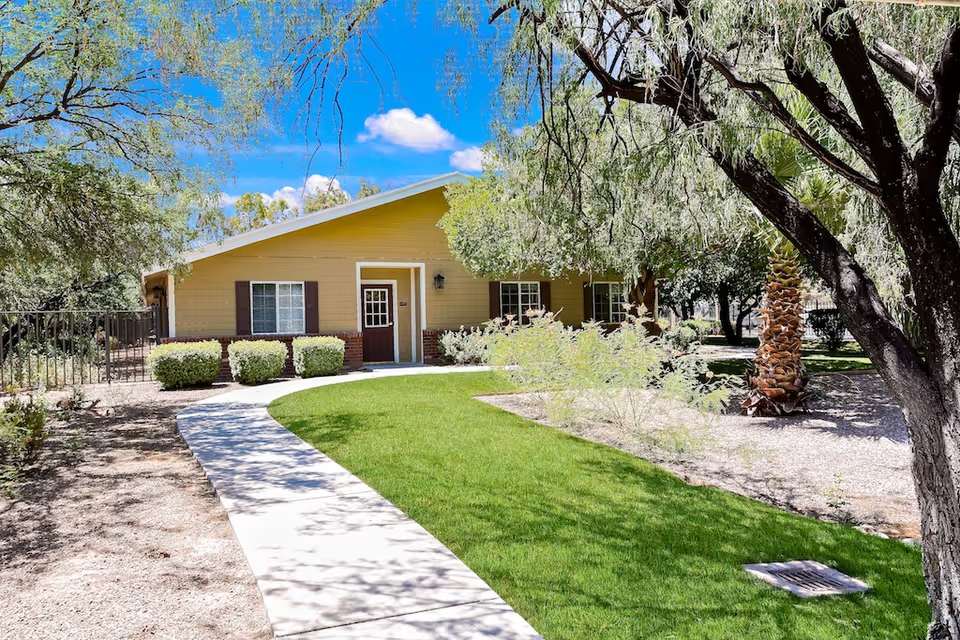
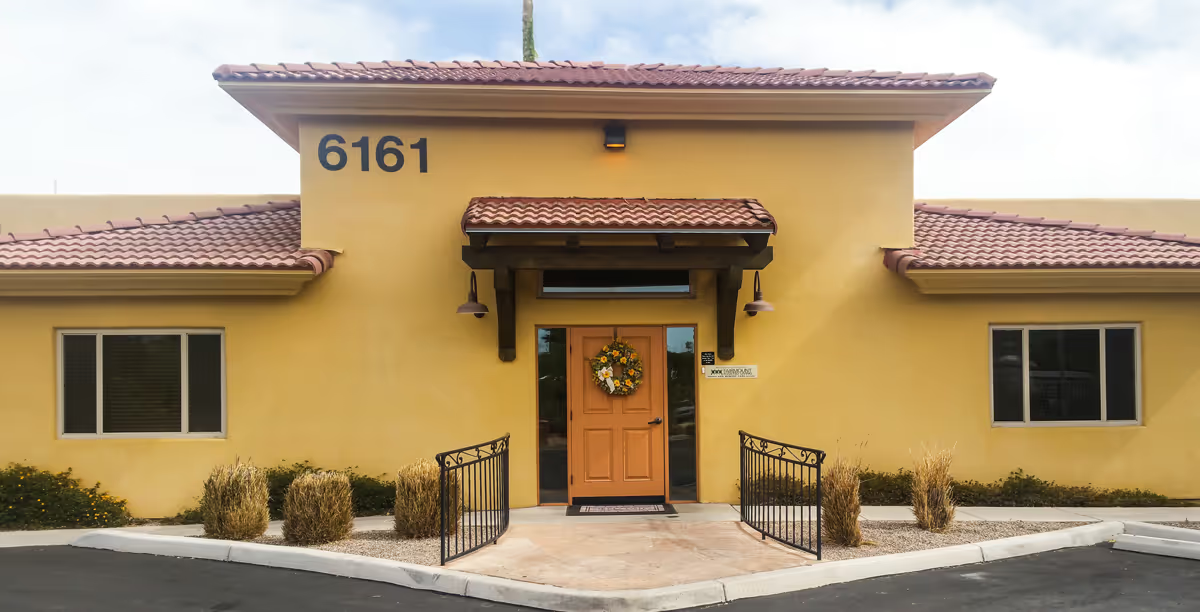
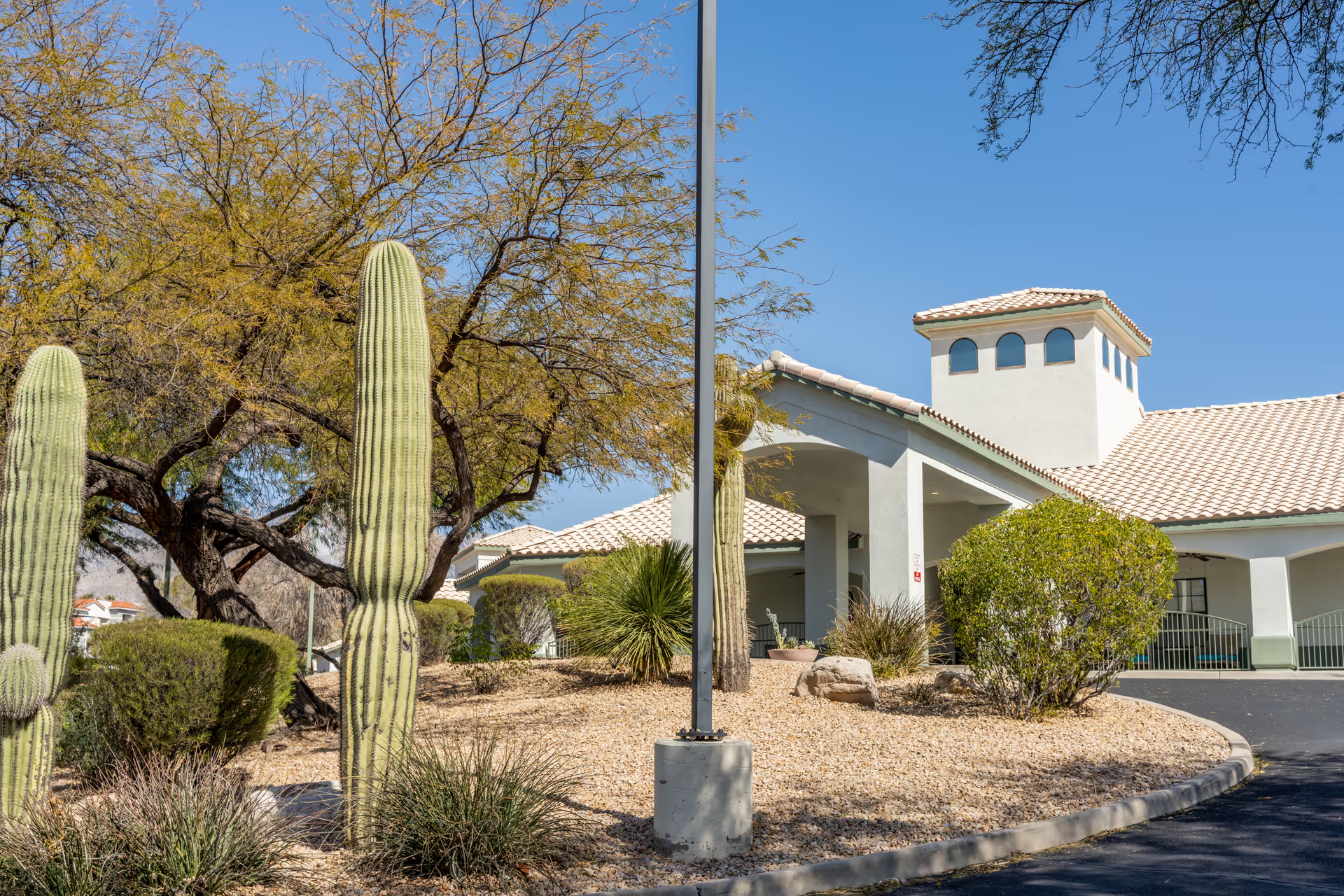
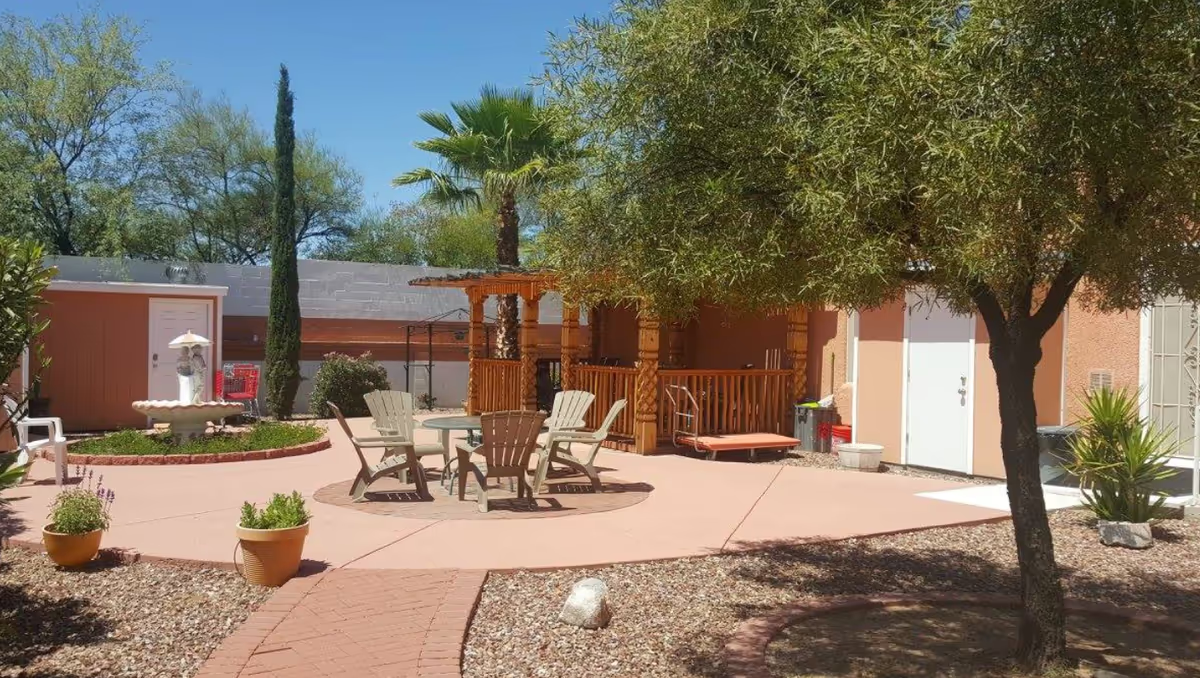
Facilities: The physical environment was described as clean and well-kept, with a close-knit community atmosphere. At the same time, the facility’s size and configuration were noted as cramped by some families, which can limit privacy and the availability of larger common spaces for socialization and therapeutic activities.
Management and operations: The most consistent operational criticisms relate to administrative responsiveness, documentation, and financial practices. Families reported difficulty obtaining copies of paperwork, challenges securing refunds, and limited responsiveness from management or ownership. There were also reports indicating financial instability and abrupt operational disruptions, including a reported shutdown with minimal notice. Those issues point to systemic weaknesses in governance, billing, and family communication systems.
Notable patterns and guidance: The overall pattern is one of capable direct-care workers operating within a facility that struggles with administrative, staffing, and clinical oversight systems. Prospective residents and families should weigh the strengths of individual caregivers and observed cleanliness against concerns about medication-management practices, staffing consistency, and managerial reliability. For persons with advanced Alzheimer’s or high medical needs, the facility may not offer sufficient specialized services. If considering this provider, request current staffing ratios, written medication-administration and monitoring protocols, examples of recent incident-response communication with families, and clear contract and refund policies before admission.