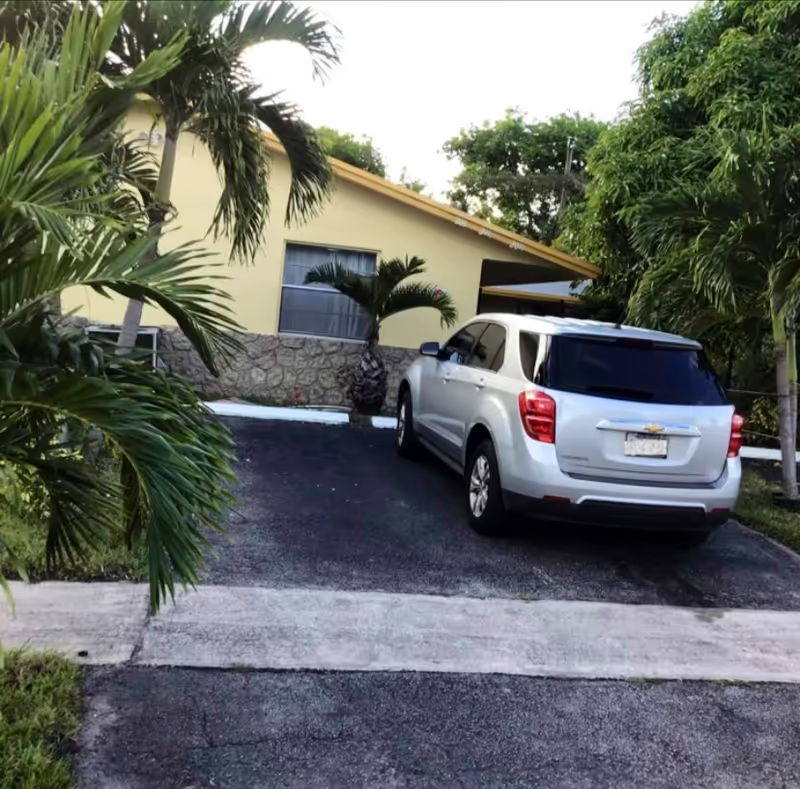
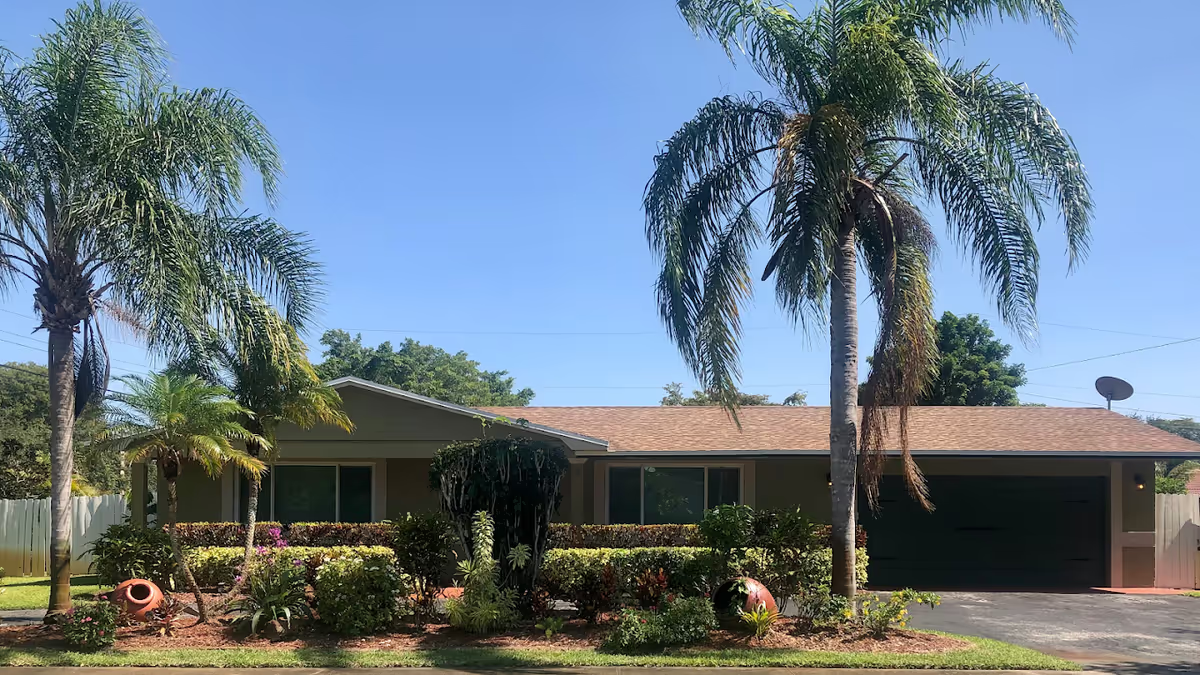
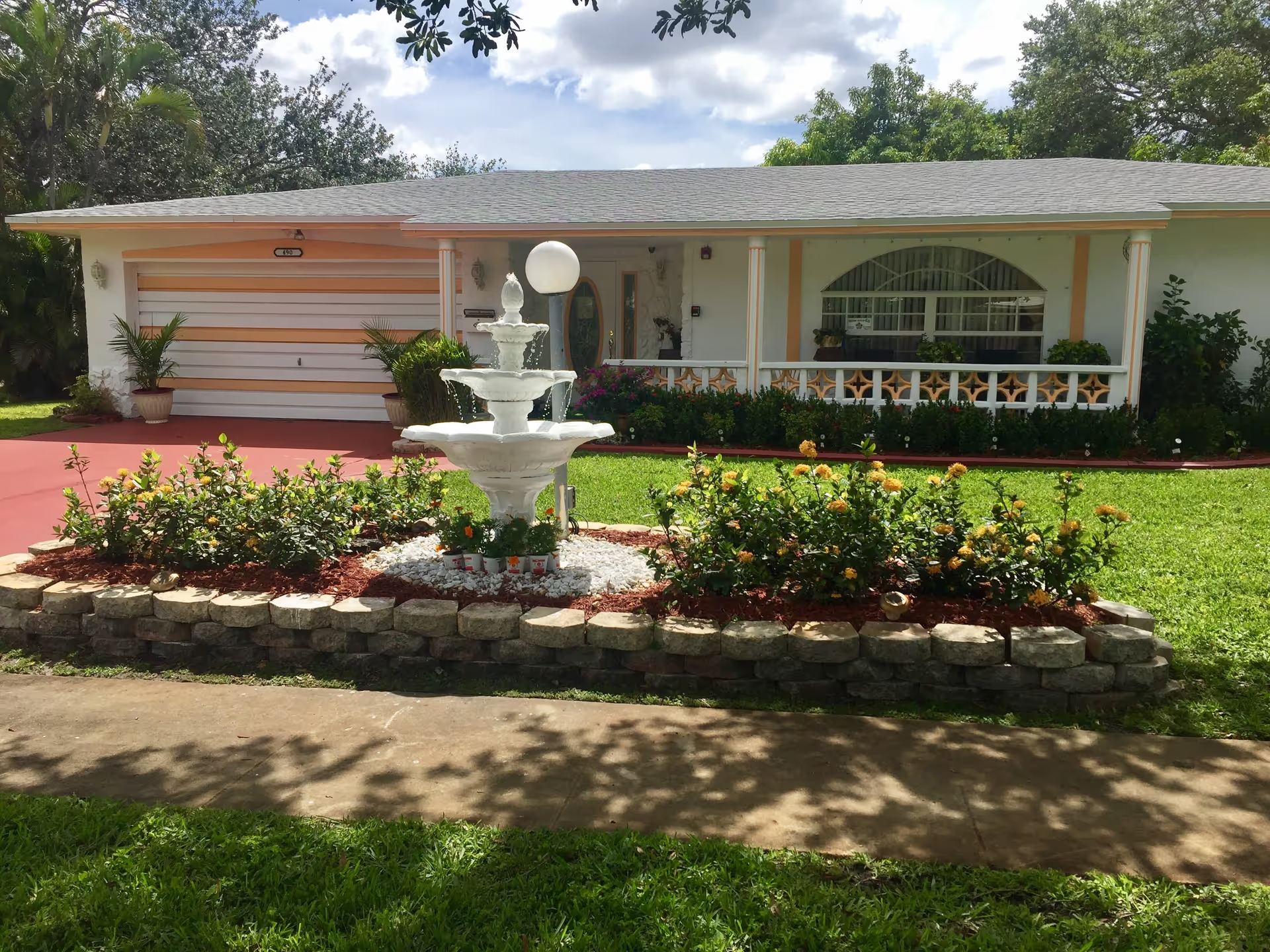
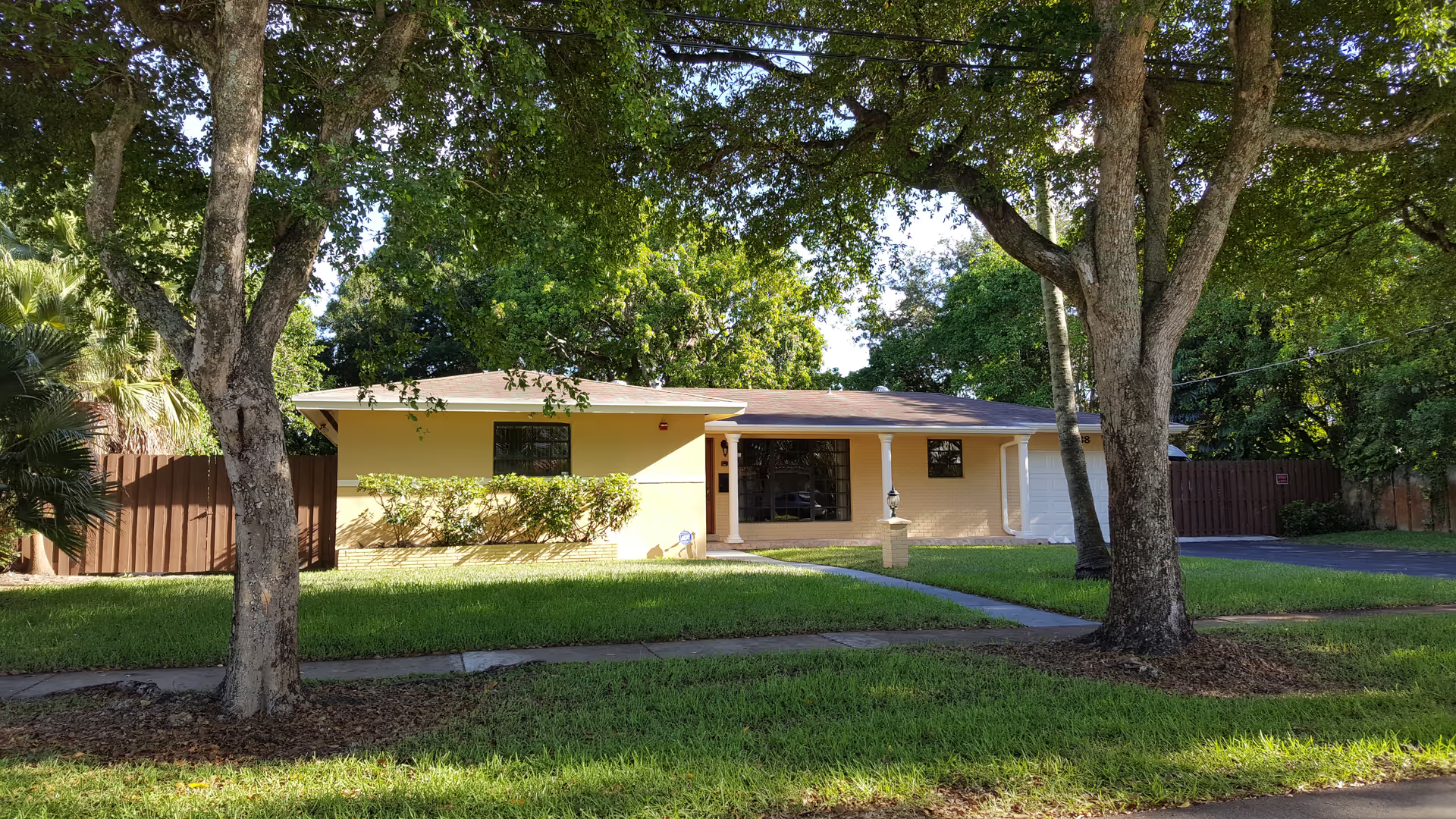
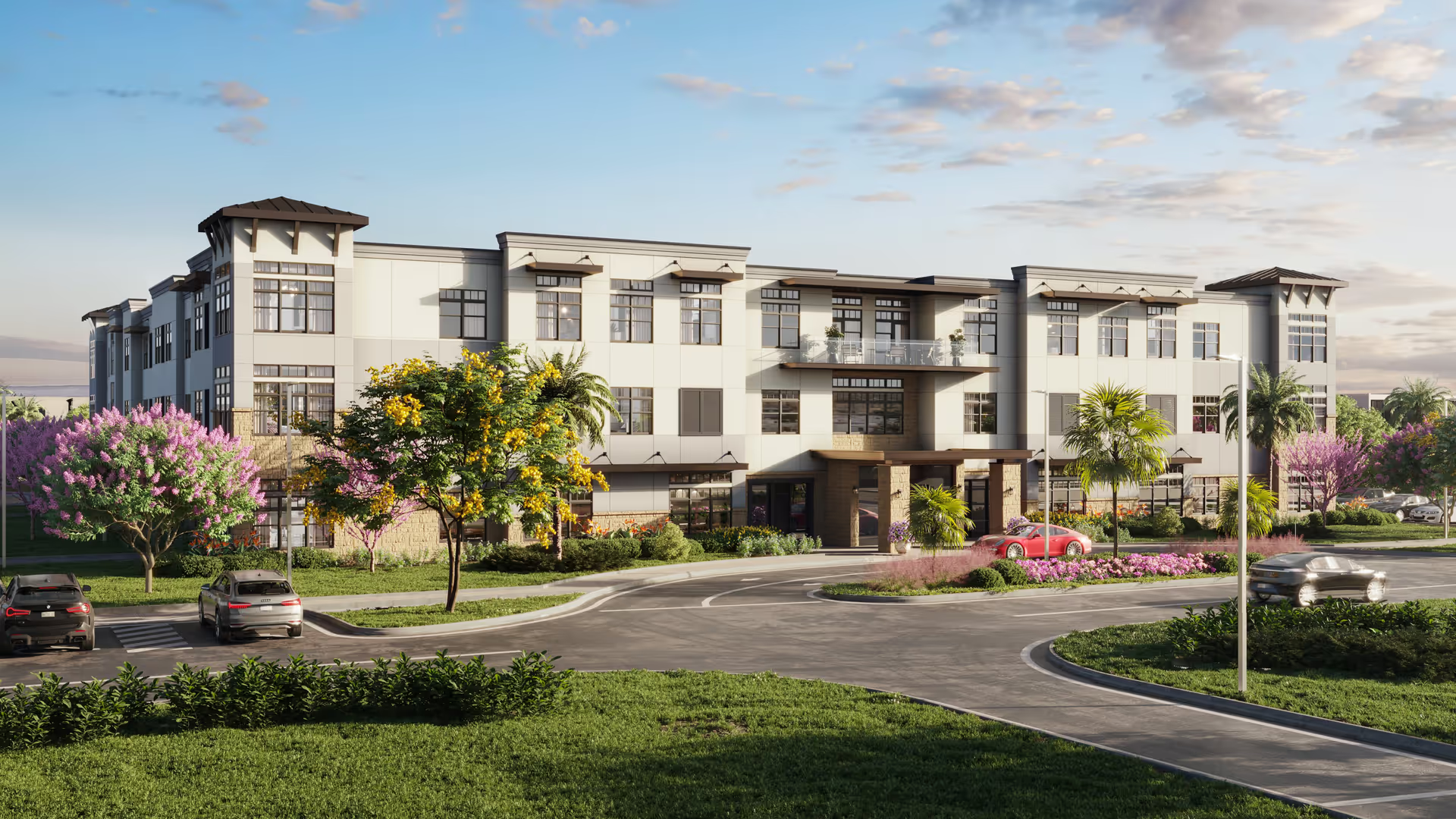
Comfort Care at its Best is described primarily as a small, homelike assisted-living setting with a high caregiver-to-resident ratio and active owner involvement. Reviewers highlight a consistently clean environment, home-cooked meals that are well regarded, and a routine that includes afternoon walks—elements that support a domestic atmosphere and individualized attention. Several accounts emphasize strong end-of-life support and attentive, compassionate care for residents in that phase.
Staff performance is a central theme. Many comments portray staff as friendly, accommodating, and helpful, with an owner willing to work directly with families. These attributes align with the facility’s small scale and higher staffing ratio, which appear to facilitate close caregiver–resident relationships. However, there are also statements indicating unprofessional or unpleasant conduct by some staff members. This produces a pattern of inconsistent staff professionalism; prospective residents should therefore evaluate staff interactions across shifts and confirm staff training and supervision practices.
Dining and activities are presented positively. Meals are described as home-cooked and enjoyable, and daily routines include outdoor walks or similar light activities that support engagement and movement. The small size of the facility is a benefit for personalized attention and a calm environment, but it also limits the breadth of clinical services and specialized programs available on-site.
Management involvement is a noted strength: the owner’s willingness to cooperate with families is repeatedly mentioned and appears to contribute to the facility’s responsiveness in many cases. At the same time, the combination of occasional concerns about staff conduct and the facility’s limited scale suggests variability in the resident experience, particularly for individuals with higher-acuity needs or complex care requirements.
Recommendations for prospective residents and families: schedule an in-person tour that includes observing staff–resident interactions at different times, ask about staff training, turnover, and supervision, confirm whether the facility can meet any specialized medical or care needs, and review the facility’s protocols for end-of-life care to ensure they align with family expectations.