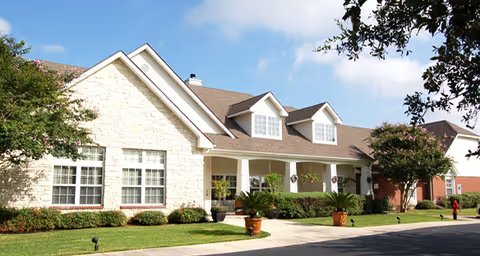
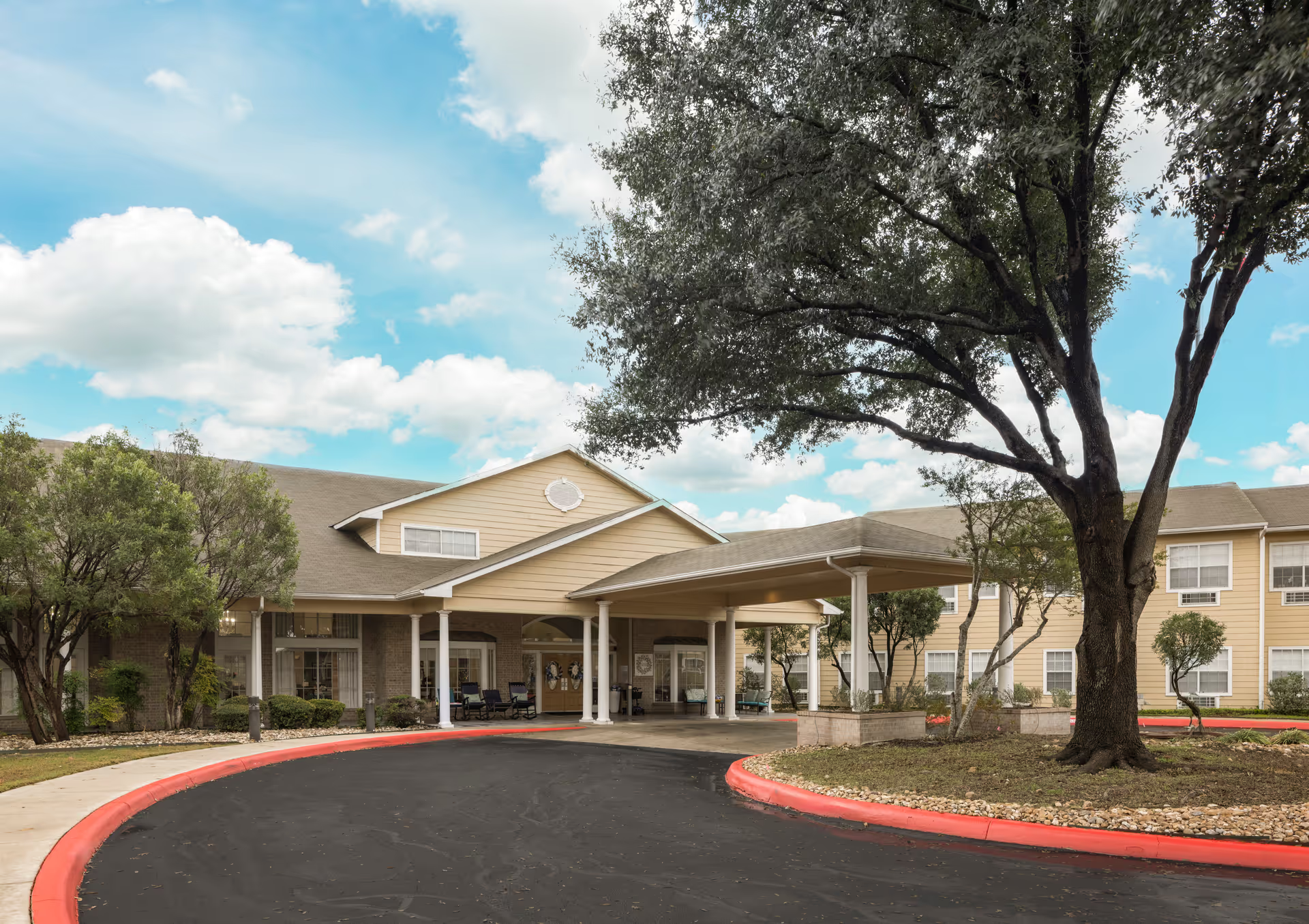
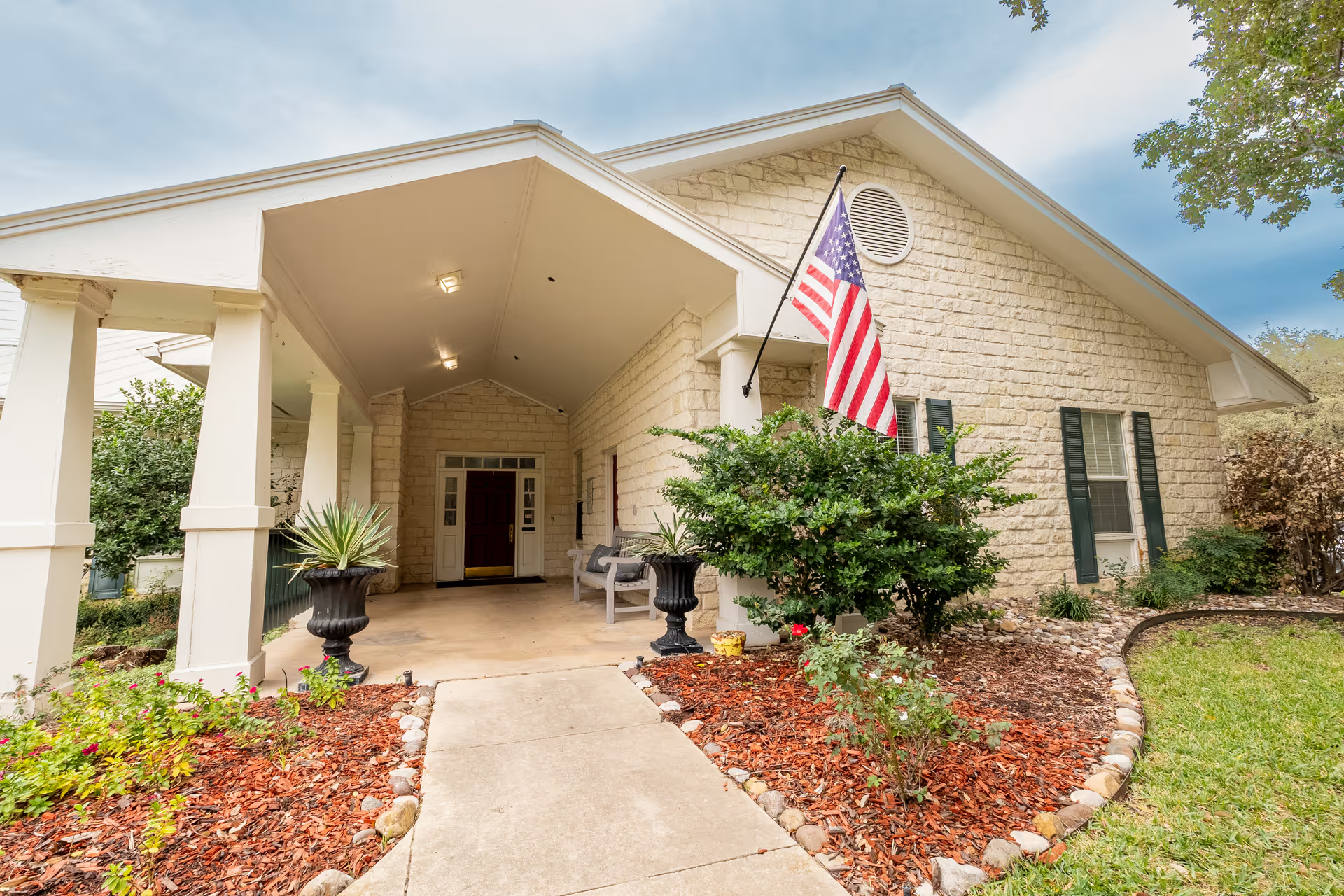
Woodcrest Home for Senior Citizens is described by many families as a small, home‑style assisted living that emphasizes personalized, compassionate care. Reviewers commonly cite a family‑oriented culture, attentive caregivers, and an owner who is approachable. The facility’s staffing model and modest census appear to allow for more one‑on‑one time, regular vital‑sign monitoring, and frequent family updates via text or phone. Several accounts highlight positive end‑of‑life and spiritual support and characterize the overall atmosphere as warm and homelike.
Dining and daily life are frequent strengths in the reviews. Multiple families praised home‑cooked meals, fresh baked goods, and the dining experience as preferable to institutional cafeteria food. Reviewers also noted regular meals and snacks and described staff who engage residents in social activities and dining‑room conversation. At times this programming is described as engaging and well‑communicated to families, contributing to residents’ social interaction and comfort.
Facility and amenities feedback is mixed. Some reviewers report clean common areas, renovated elements such as walk‑in showers, and well‑maintained bathing facilities, while others describe older sections, maintenance needs, and variable room conditions. Room size and layout are a consistent limitation — bedrooms are described as small and, in a few cases, cramped. Families also raised concerns about inconsistent climate control (for example, window units) and a lack of uniformity in room amenities. A number of reviewers noted that shared rooms are used for residents with dementia, which may not suit families seeking private dementia accommodations.
Activity programming and administrative responsiveness show variability across reports. While many families praised staff who create and encourage activities, others did not observe programming or wished for more frequent or visible activities. Communication is generally described as timely and helpful by several families, but there are isolated instances of delayed callbacks or unclear pricing for respite care. There are occasional mentions of lapses in staff presentation standards and an isolated odor concern at the entry; these point to episodic operational issues rather than pervasive failures, but they are worth addressing during a visit.
In sum, Woodcrest projects the characteristics of a small, attentive, home‑style provider: strong interpersonal care, homelike dining, and a supportive staff culture. Prospective residents and families should weigh those strengths against limitations in room size, mixed maintenance/amenity levels, shared dementia accommodations, and some variability in activity visibility and administrative responsiveness. A tour that inspects specific rooms, bathroom accessibility, climate control, activity schedules, and respite pricing will help determine fit for an individual’s needs.