Overall sentiment from the reviews is mixed-positive: reviewers consistently praise the caregiving staff, cleanliness, and general comfort of the home, while raising several operational and programmatic concerns that affect day-to-day resident experience. Care quality and staff behavior are recurring strengths — caregivers are described as kind, compassionate, competent, and friendly. Multiple comments note that the atmosphere improved after new staff arrived and that staffing has become stable following an earlier transition period. Residents and families express trust and comfort with the care provided, which is an important positive theme across the feedback.
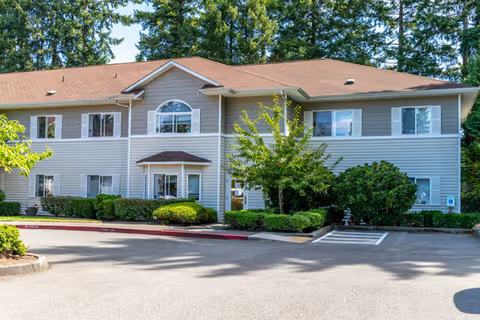
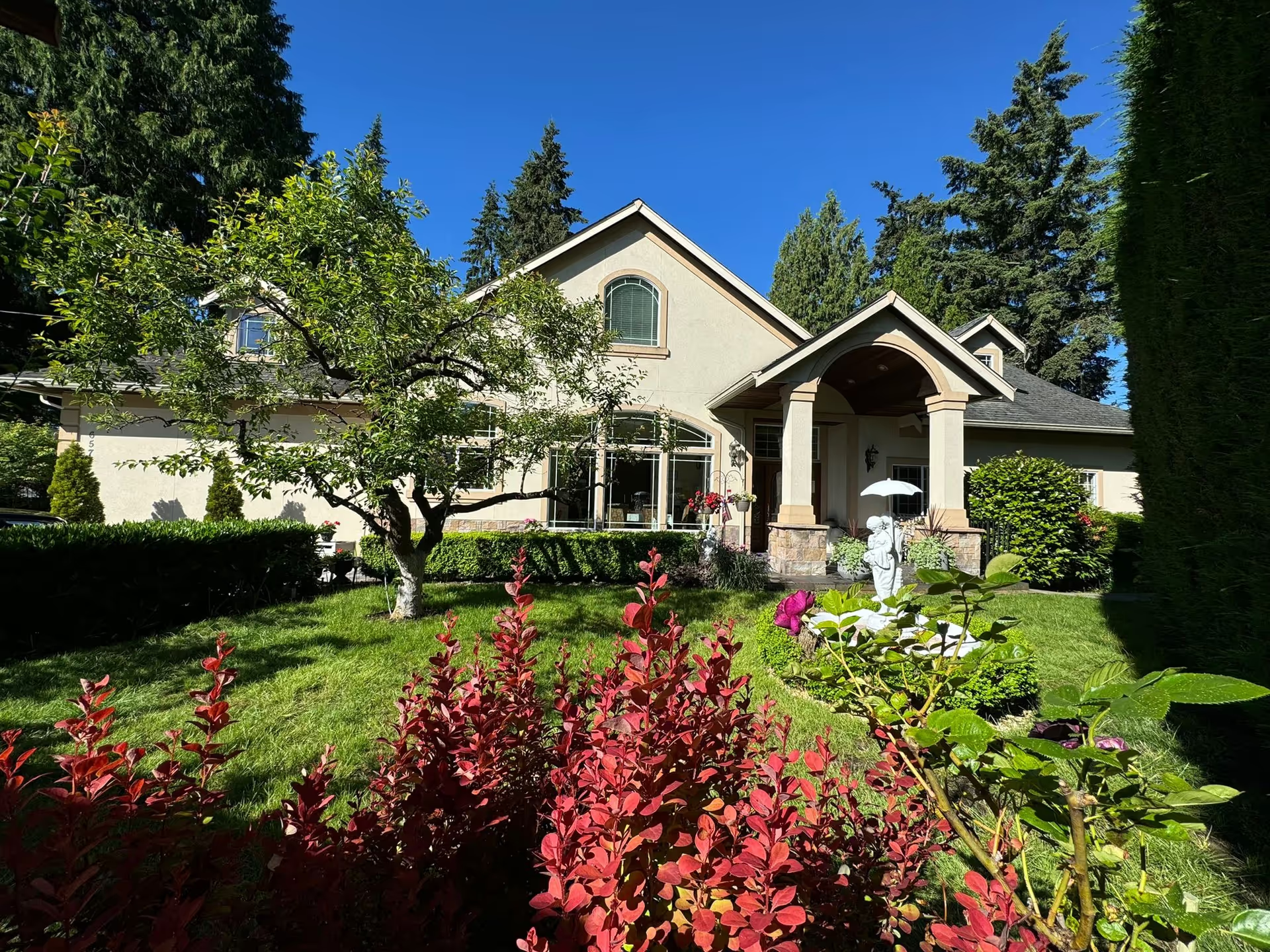
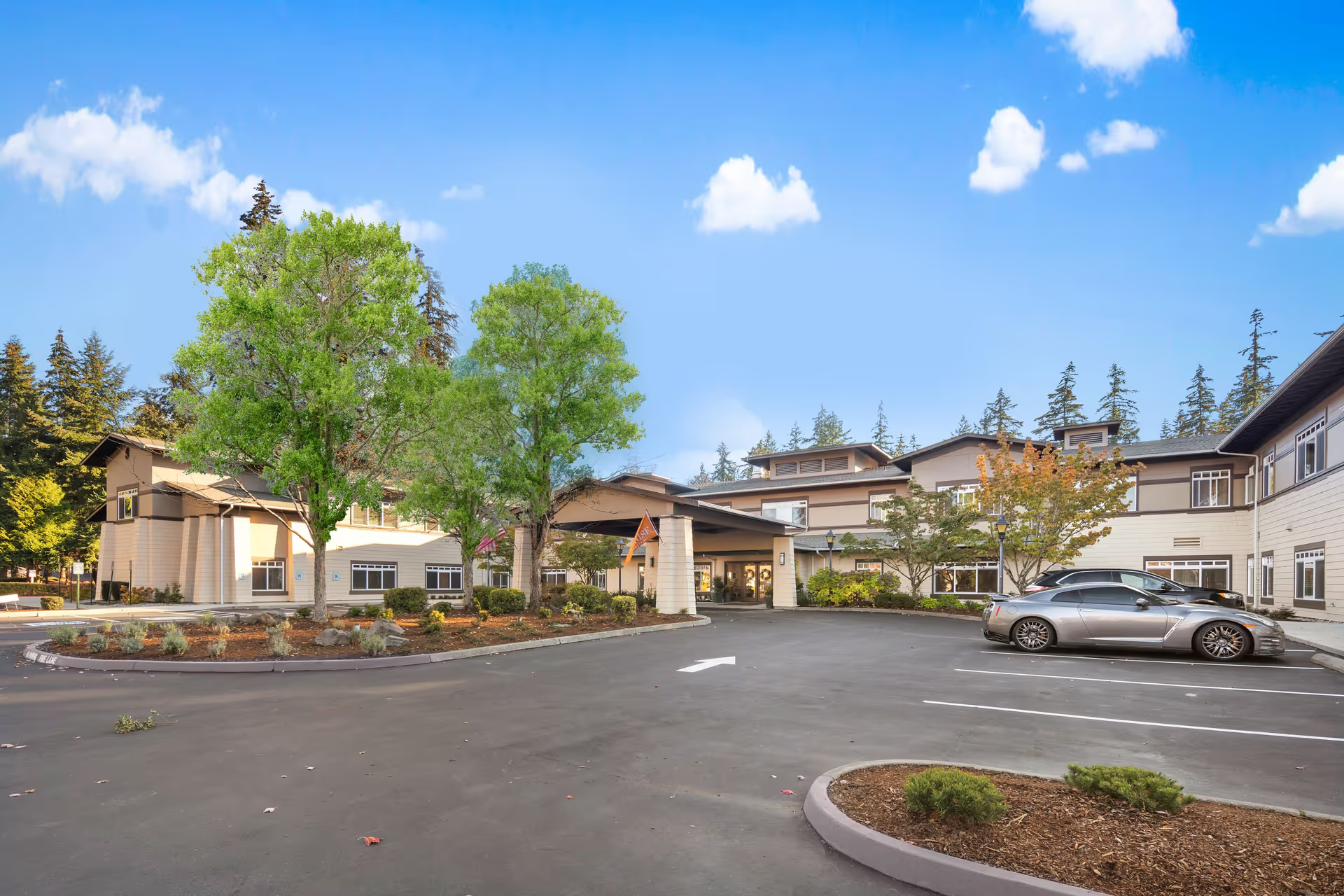
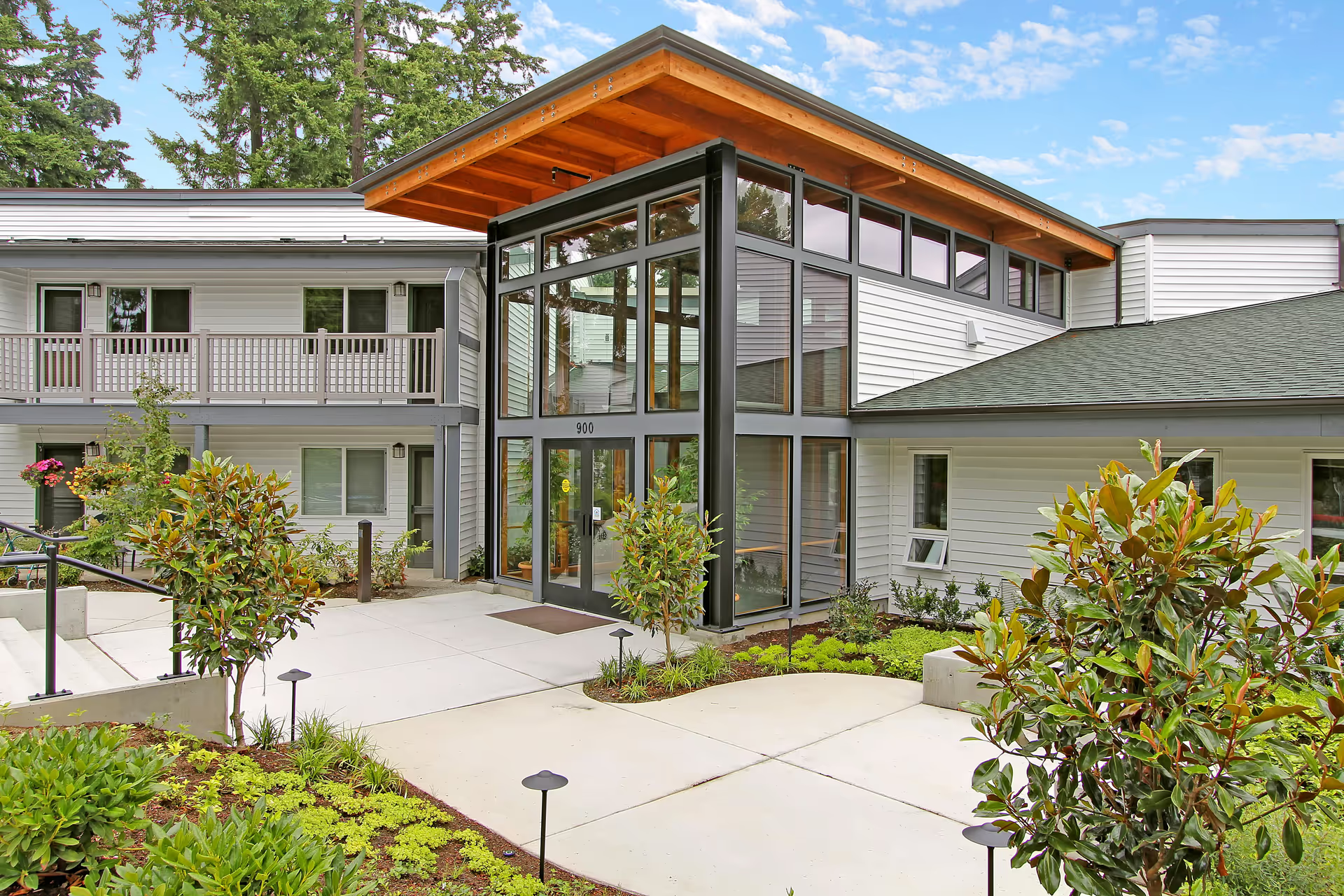
The facility itself receives strong marks for cleanliness and maintenance. Reviewers repeatedly describe the home as spotless and free of unpleasant odors, which supports a perception of good housekeeping and infection-control practices. These physical-environment strengths are reinforced by comments about friendly staff and a generally comfortable living environment. However, one physical-site concern appears: a steep yard/driveway was noted, which could present a safety or accessibility issue for some residents or visitors.
Dining receives generally favorable comments — meals and snacks are described as good, with several mentions of homemade food. Nonetheless, there are specific criticisms about portion size at dinner, where reviewers said dinner portions were too small. This suggests that while food quality is acceptable or better, the meal program may need adjustment for appetite or nutritional requirements of some residents.
Activities and social engagement are a mixed area. Some reviewers say residents enjoy activities, but others note limited interaction with fellow residents. A more substantive programmatic gap is the absence of a cognitive-skill improvement plan and the lack of enrollment or transportation to community classes. These points indicate the facility may not be providing structured cognitive-stimulation programs or community engagement opportunities that are often important in Alzheimer’s care. The combination of limited peer interaction and no outward transportation reduces opportunities for socialization and cognitive engagement beyond on-site activities.
Management, communication, and billing generate multiple concerns. Reviewers reported promises that were not kept and disputed or overcharged fees. These issues undermine trust and are operationally significant because they affect families’ willingness to engage and the perceived transparency of the facility. The mention of television being played constantly also speaks to environmental-management choices that can affect resident comfort and well-being, especially for people sensitive to noise or overstimulation.
Patterns and trade-offs: the strongest and most consistent positives are staff demeanor and facility cleanliness, along with acceptable food quality and an overall improved atmosphere after staffing changes. The most important areas for improvement are programmatic (cognitive plans, community engagement/transport), administrative (keeping promises, transparent billing), environmental management (constant TV), and accessibility/safety (steep driveway). There was an earlier period of staffing instability that appears to have been resolved, but it remains part of the reported experience and could be relevant for families reviewing recent history.
Recommendations implied by these reviews: maintain and continue to build on the strengthened staffing, formalize and communicate individualized cognitive-stimulation plans, create or partner for community-class enrollment/transport, address billing transparency and follow-through on commitments, reconsider policies about continuous television in shared spaces, adjust dinner portion sizes to better meet residents’ needs, and assess the yard/driveway for safety improvements. Addressing these programmatic and administrative gaps while preserving the strong caregiving and cleanliness standards would likely improve overall satisfaction and resident quality of life.