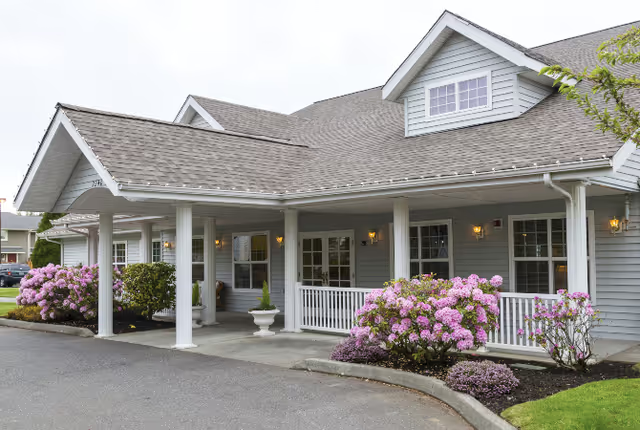
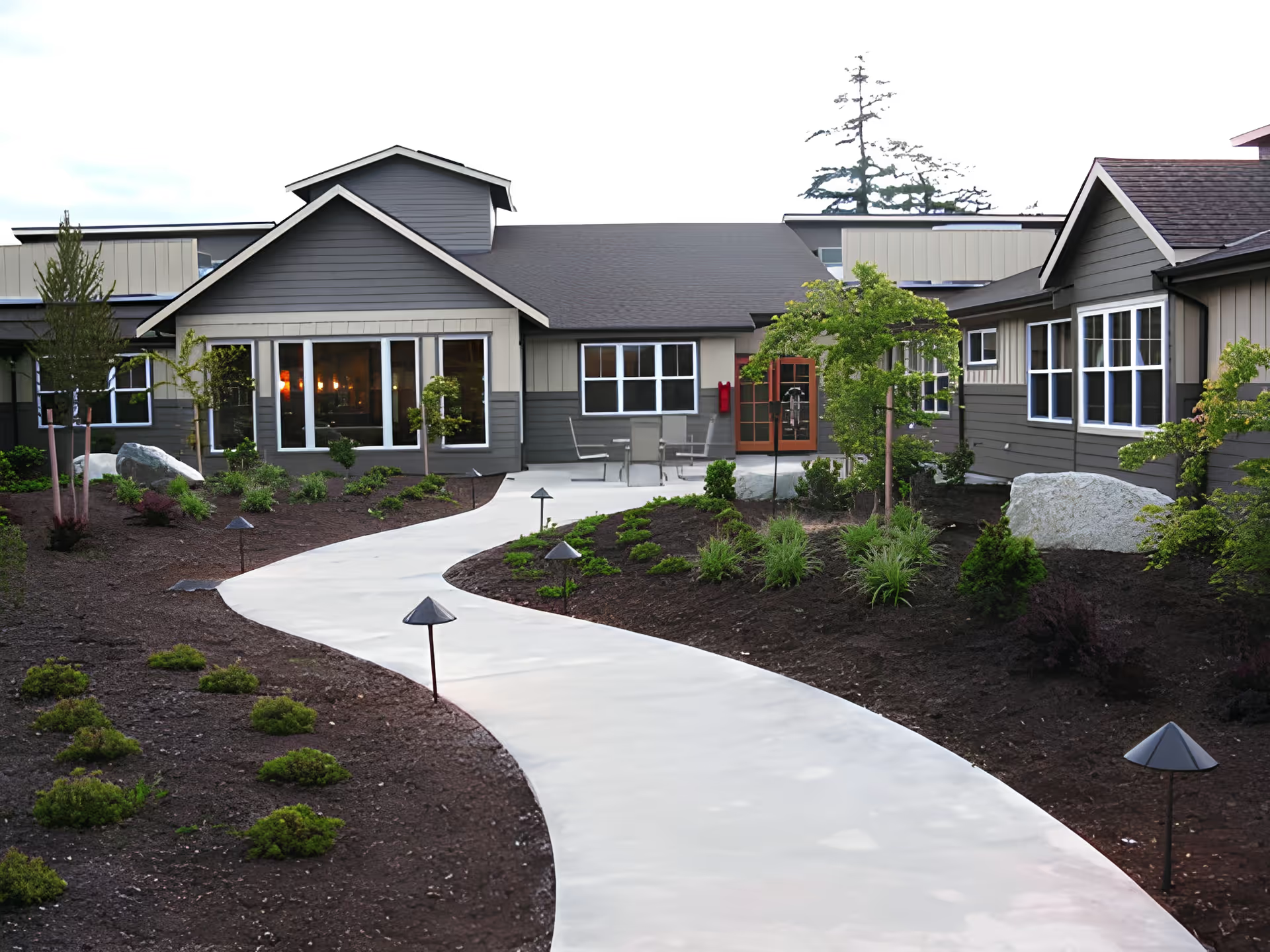
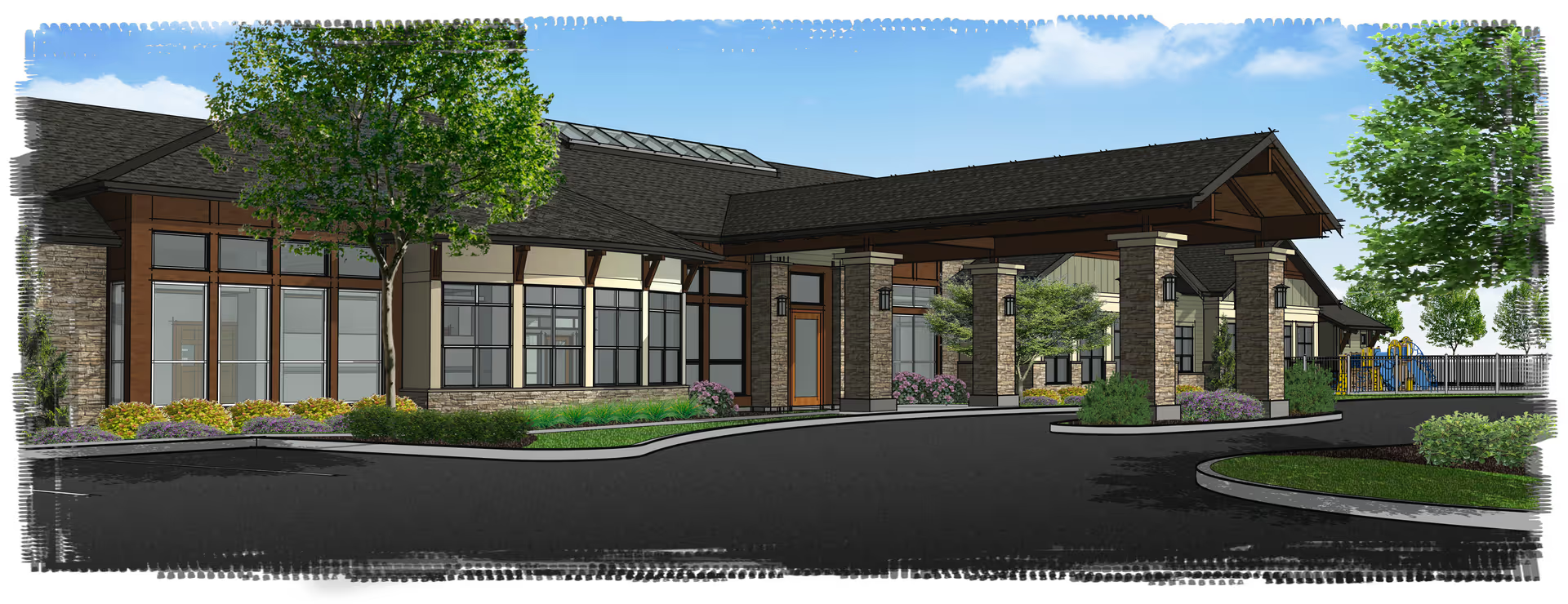
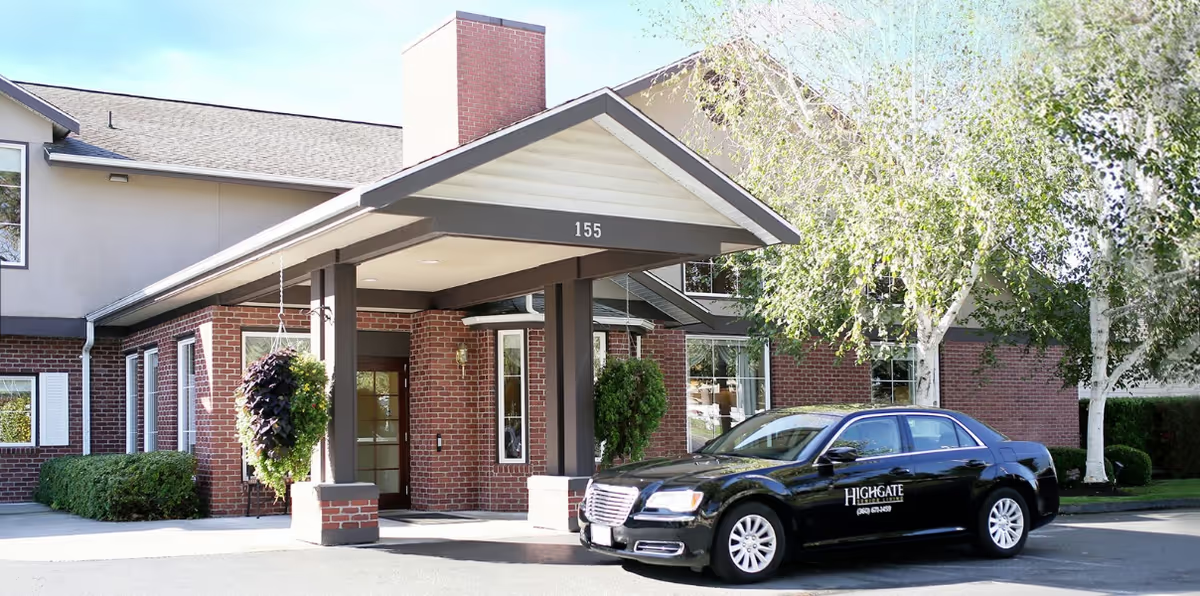
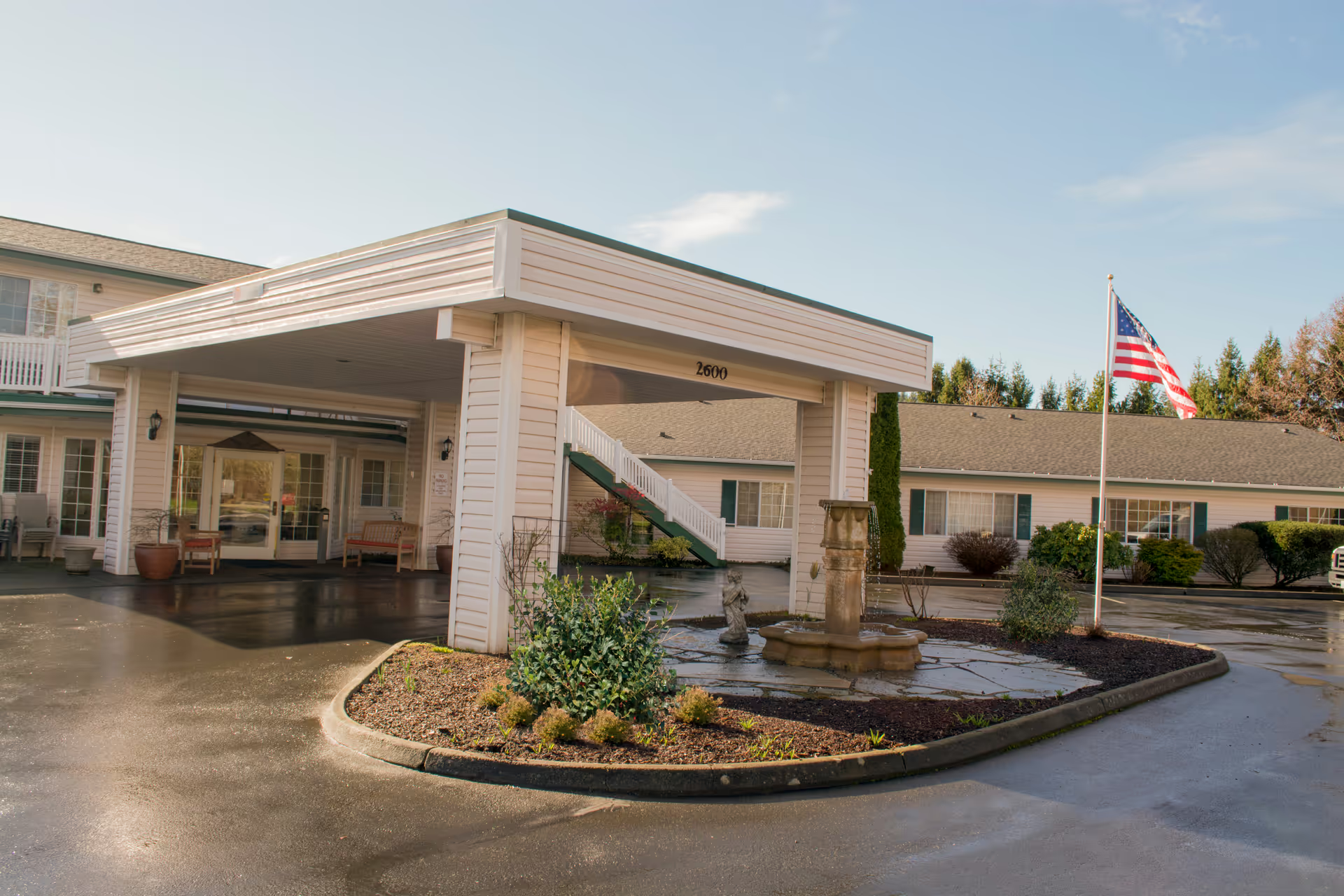
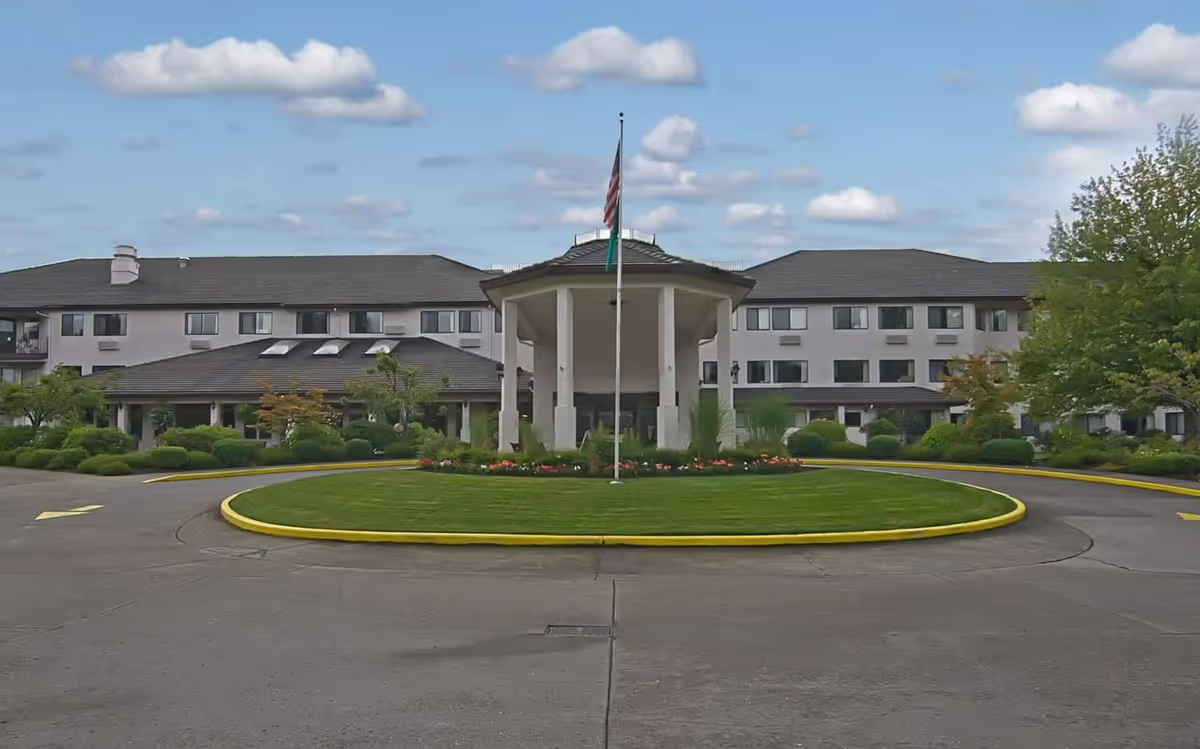
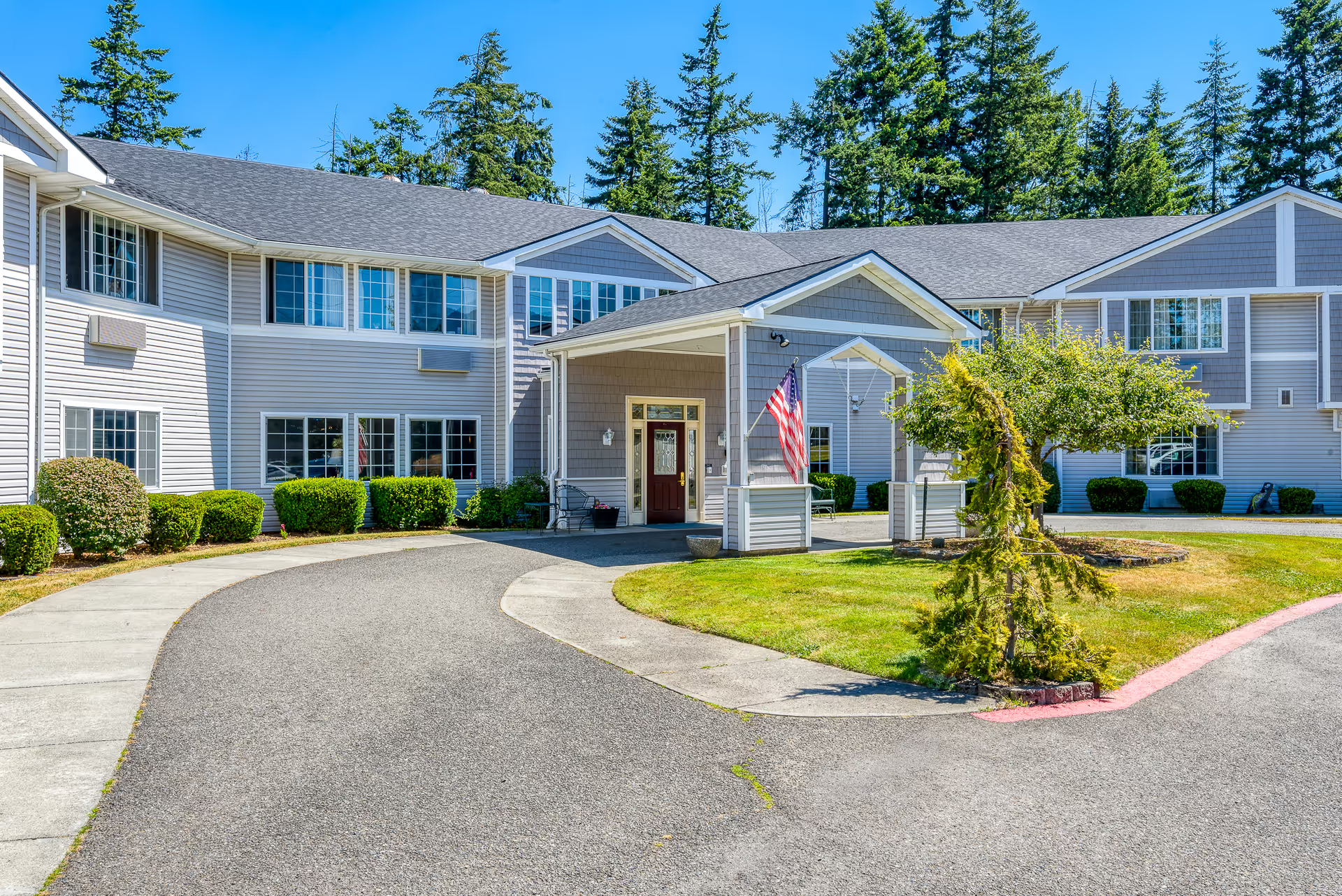
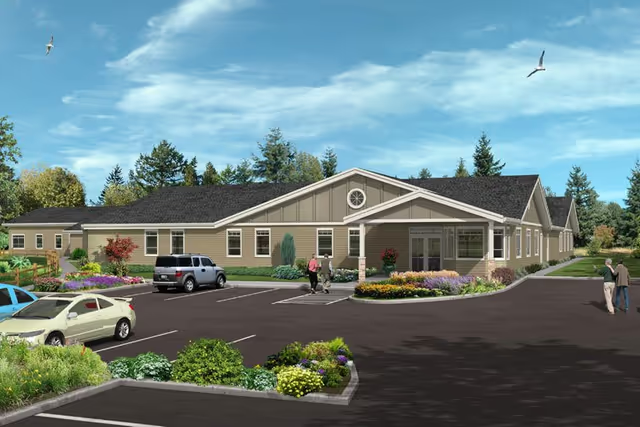
Overall impression: Reviews describe a small, home-like adult family home that many families find comfortable, clean, and staffed by caring people. Strengths repeatedly cited include attentive, empathetic caregivers, 24-hour awake coverage, private rooms with natural light, a thoughtfully arranged interior and upscale touches, and a convenient location close to a hospital. Several families emphasize positive resident–staff relationships and visible resident contentment, and many recommend the home for its personal, family-style approach.
Care and staffing: Care quality is frequently characterized as loving and attentive; caregivers are described as responsive and respectful, and the owner/management is viewed as friendly and helpful. At the same time, there are recurring operational concerns related to staffing. Reviews note periods when a single caregiver bears a heavy workload and describe the facility as understaffed at times. These staffing pressures correlate with complaints about medication handling and occasional communication delays. Prospective families should clarify current staffing ratios, night coverage practices, and medication-administration protocols.
Dining and nutrition: Food service is a mixed signal. Many reviewers praise plentiful, attractive meals and describe residents as enjoying the food, while others raise concerns about menu choices that may not fit older-adult preferences (examples cited include overly spicy options and simplistic sandwiches). This suggests variability in menu planning and a need to confirm dietary accommodations and consistency for residents with specific nutritional needs.
Activities and specialized care: A clear pattern in the feedback is a limited activity program. Multiple notes describe a lack of organized activities or exercise opportunities, which may reduce social engagement for residents who are inclined to participate. Separate from social programming, reviews also point to gaps in memory-care expertise; families seeking care for dementia or progressive cognitive decline should discuss staff training, care plans, and the facility’s ability to manage changing clinical needs before placement.
Communication, facilities, and logistics: Communication strengths include friendly staff and owner accessibility, but language barriers and communication issues with specific employees are mentioned and have impacted some families. Physically, the home-like design is a strength for many but is also described as less well-suited for higher-acuity clinical care; reviewers note the building’s residential layout and limited parking as potential constraints. Families should evaluate whether the physical environment meets anticipated care needs and confirm parking and access expectations.
Notable patterns and decision points: The dominant pattern is a trade-off between a small, personalized, clean environment with warm caregivers and operational limitations typical of small adult family homes (activity programming, staffing adequacy, clinical skill mix, and some communication gaps). For prospective residents and families, key questions to pursue when touring or interviewing management include current staffing levels and schedules, medication-management procedures, dementia-care training, activity schedules and enrichment plans, menu customization for dietary needs, and contingency plans for escalating care needs or hospital transfers.