CaraVita Village elicits a broadly mixed but generally favorable impression across several operational areas. The strongest and most consistent praise concerns the staff: reviewers convey that front-line employees, CNAs, and dining staff are warm, helpful and attentive. Many families and residents describe a caring atmosphere, with staff willing to accommodate requests and maintain a welcoming social environment. The facility offers a range of apartment sizes from studios to two-bedroom units, and some units have been recently updated with full or mini-kitchen options.
Dining and daily services are important features of the community. Multiple reviewers praise three meals daily, dining-room presentation, and an onsite chef; several families credit the program with improved resident nutrition. At the same time, there is variability in food quality and menu breadth — some reviewers recommend more fresh-vegetable choices and report that meal experience can be inconsistent across time. Weekly housekeeping and laundry are regularly provided and are commonly cited as useful amenities.
Activity programming and social life are notable positives for many residents: the community offers an extensive set of options including exercise classes, water aerobics, arts and crafts, games, outings, church/choir, movie nights, and social parties. These opportunities contribute to renewed social engagement for many residents. However, there are reports of program reductions or uneven activity frequency in some periods; activity continuity appears to vary by season or management emphasis.
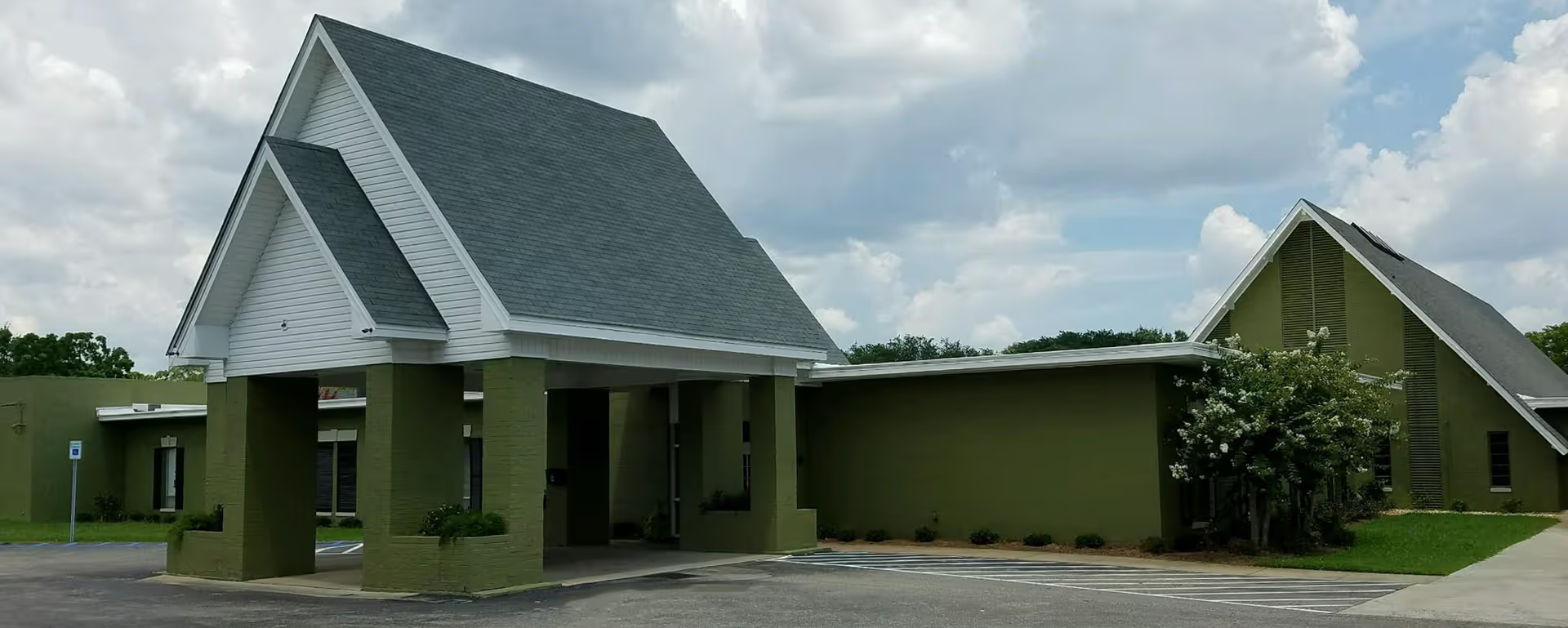
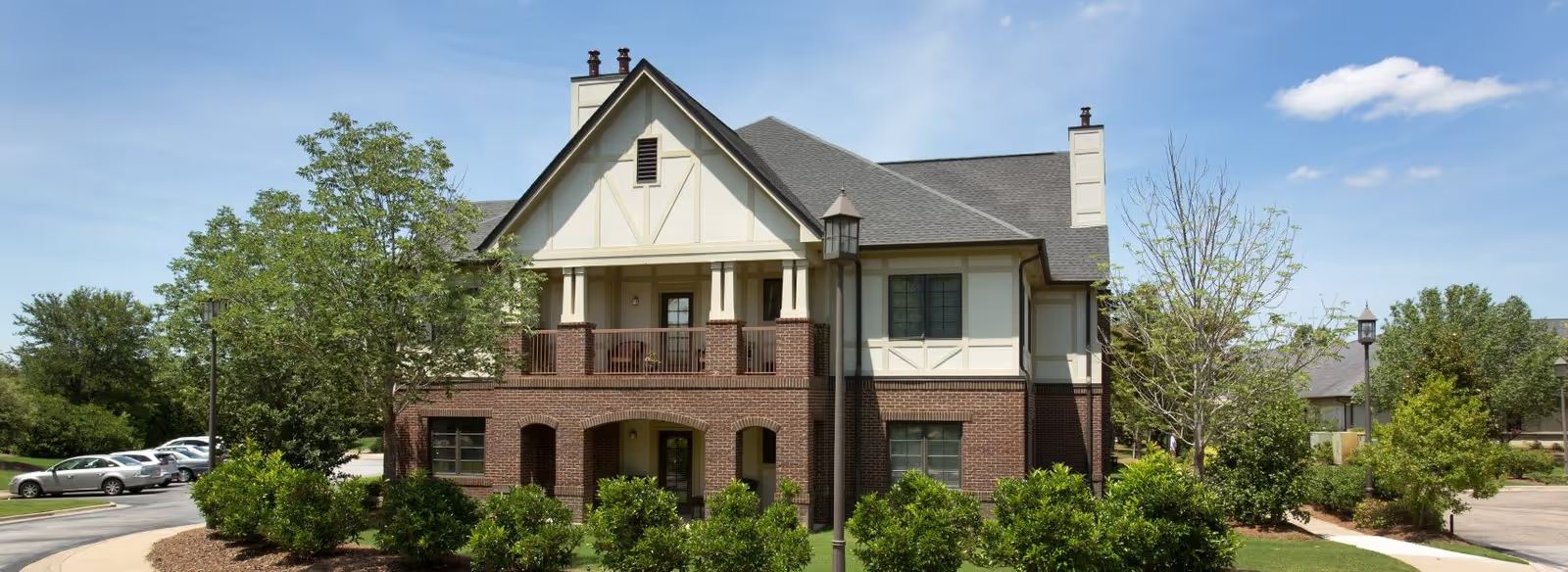
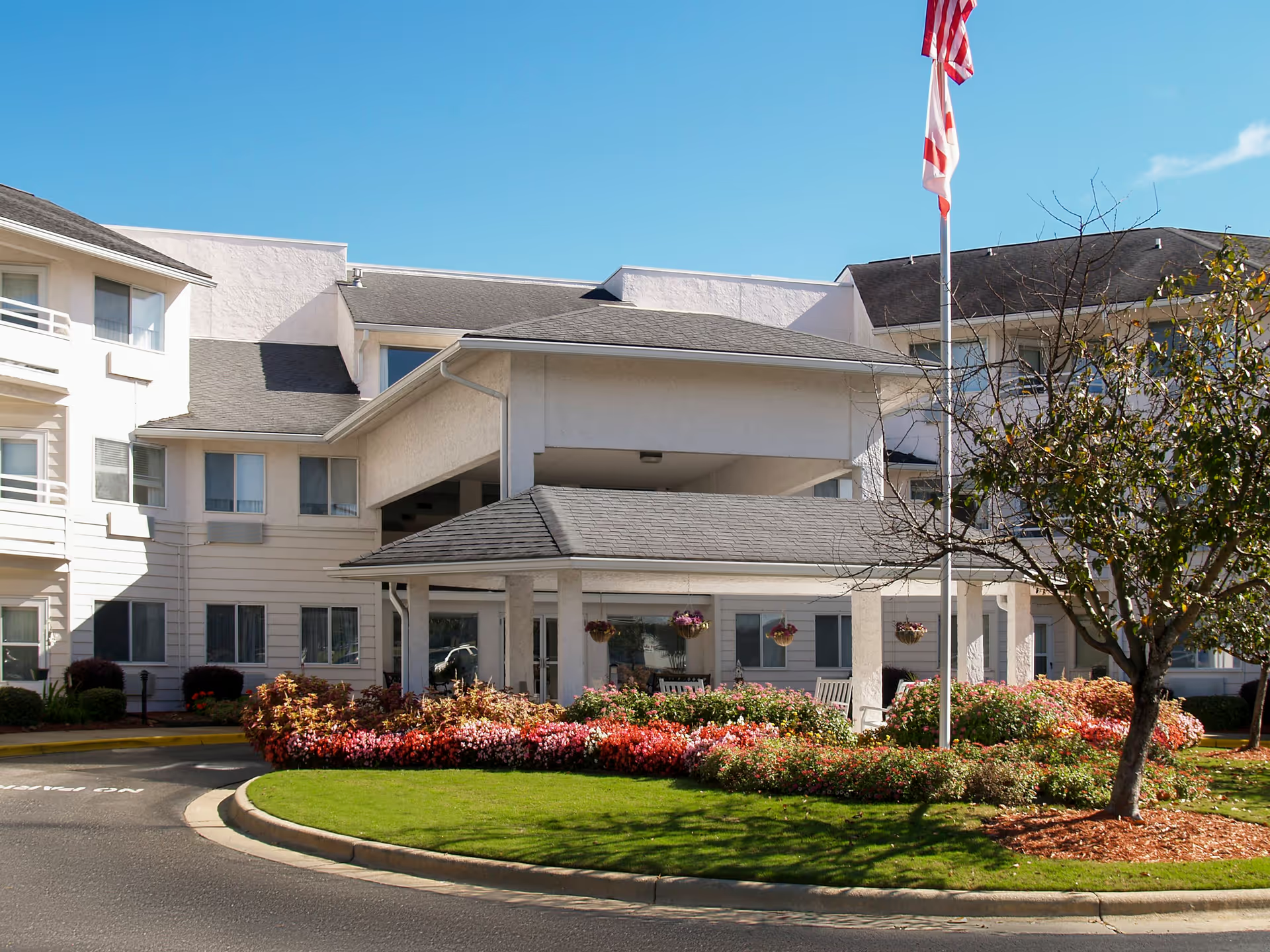
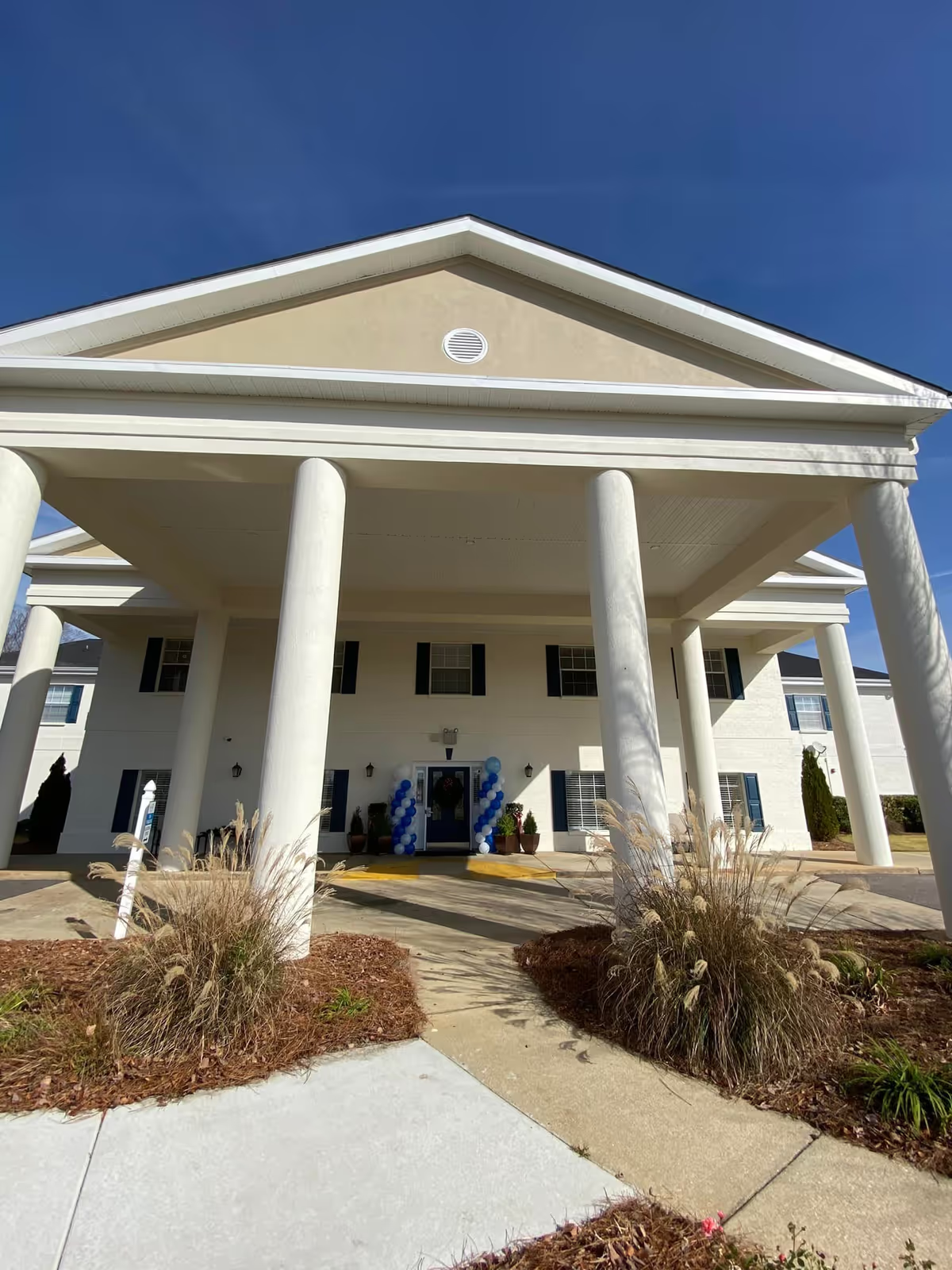
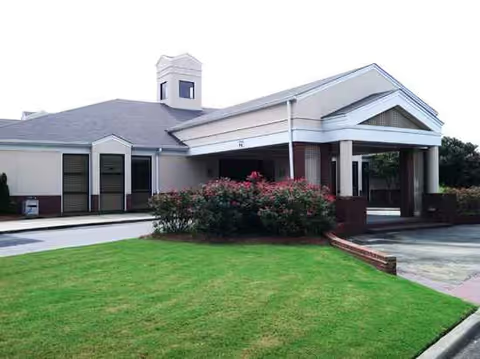
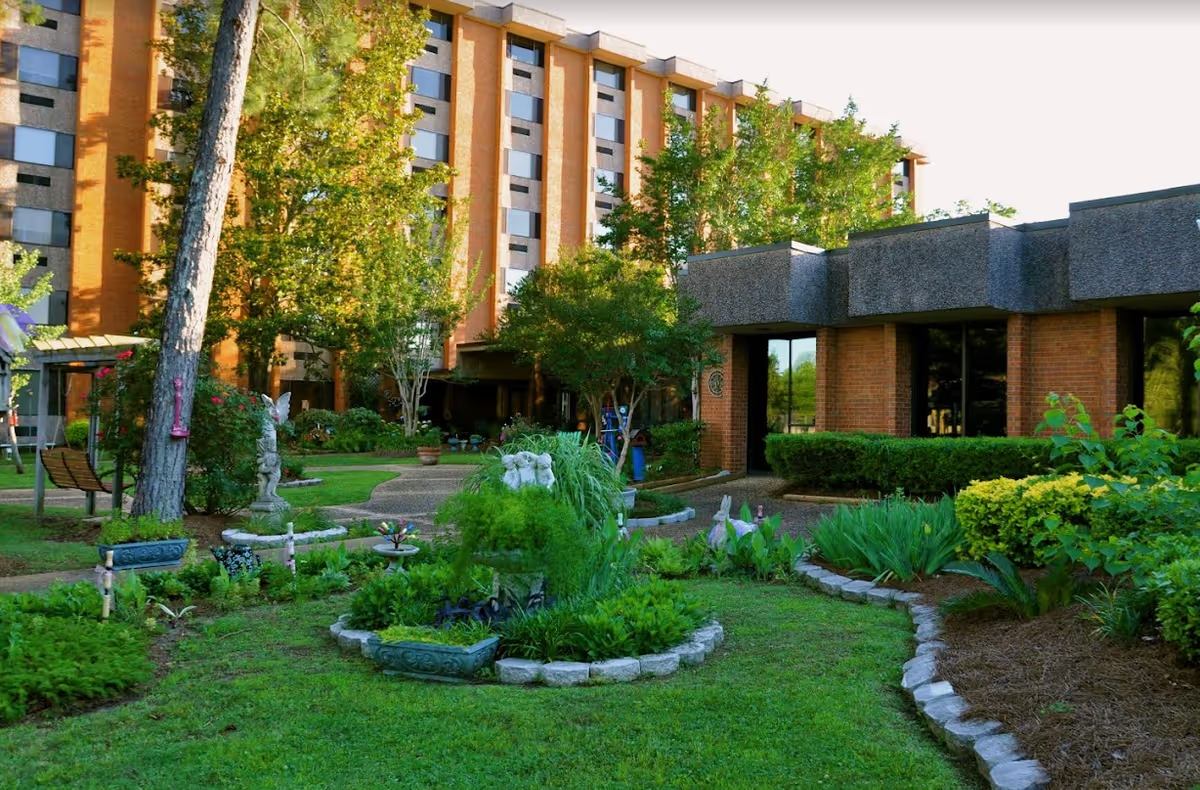
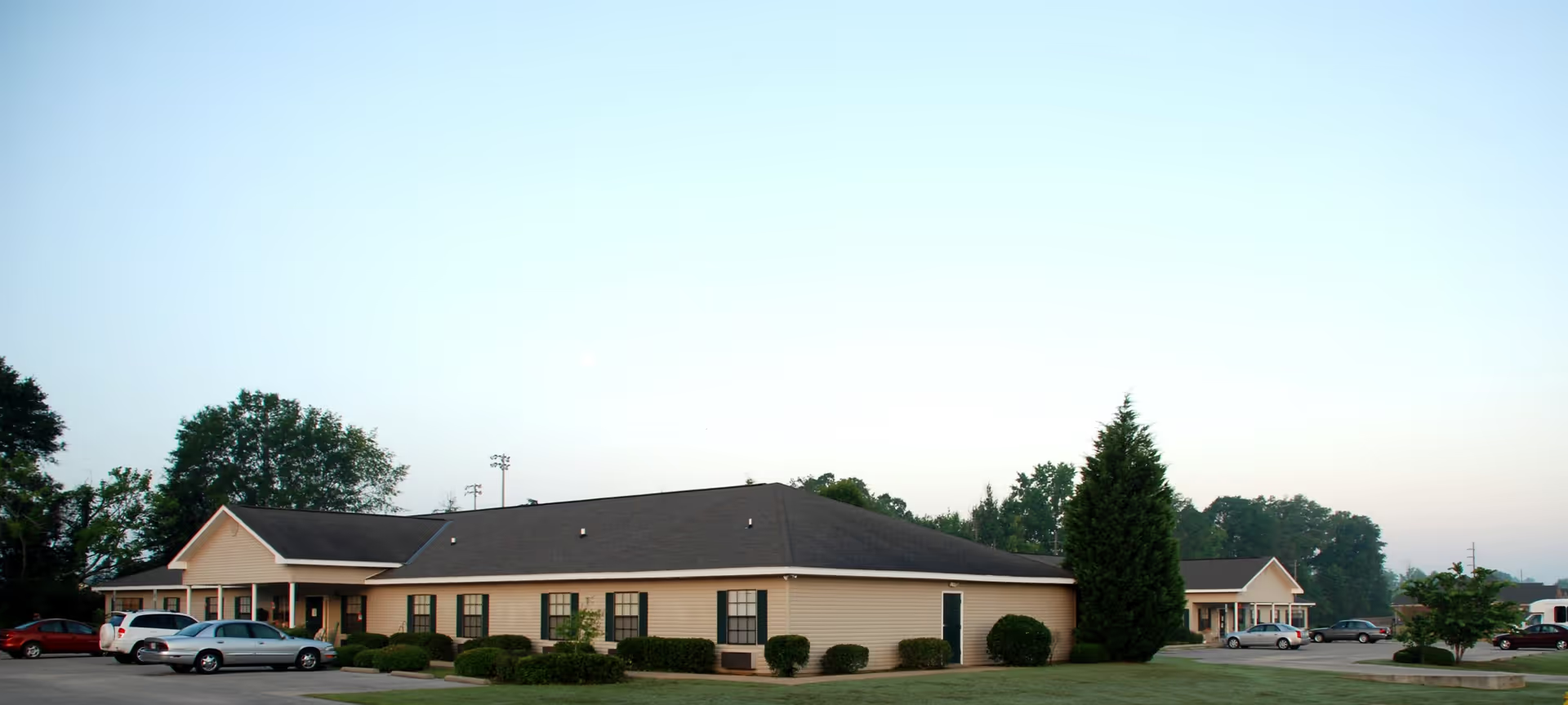
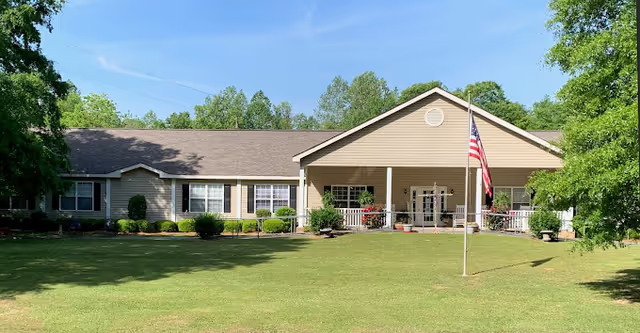
The physical campus draws mixed assessments. Grounds, gardens, courtyards and the heated pool receive frequent praise for being attractive and well-kept. Conversely, parts of the built environment are described as aging, with ongoing maintenance needs, dated carpets or finishes, and occasional sanitation or odor concerns in certain areas. Accessibility is inconsistent: some units have walk-in showers and wide doorways, while others lack accessible features and present challenges for residents using walkers or mobility aids.
Operational and management themes recur in the feedback. Some reviewers commend owners and onsite managers for responsiveness and hospitality, while others describe communication lapses, inconsistent staff coordination, and sales/tour experiences that felt transactional. There are also concerns about the level of clinical care available for residents with higher medical or cognitive needs; several notes indicate that higher-dependency residents may require more support than the community consistently provides and that disclosure about the resident mix (including cognitive-impairment prevalence) could be clearer.
Safety and value assessments are split. Many families value the community’s affordability, social programming, and 24-hour staff presence, and they describe relatives as thriving socially. At the same time, some reviewers express neighborhood-safety concerns and question whether security measures and the physical condition of older buildings match expectations for higher levels of care. Overall, prospective residents should expect a socially active, staff-oriented independent-living environment with useful services, while evaluating unit-level accessibility, maintenance condition, dining consistency, and the facility’s capacity to meet higher-care needs before committing.