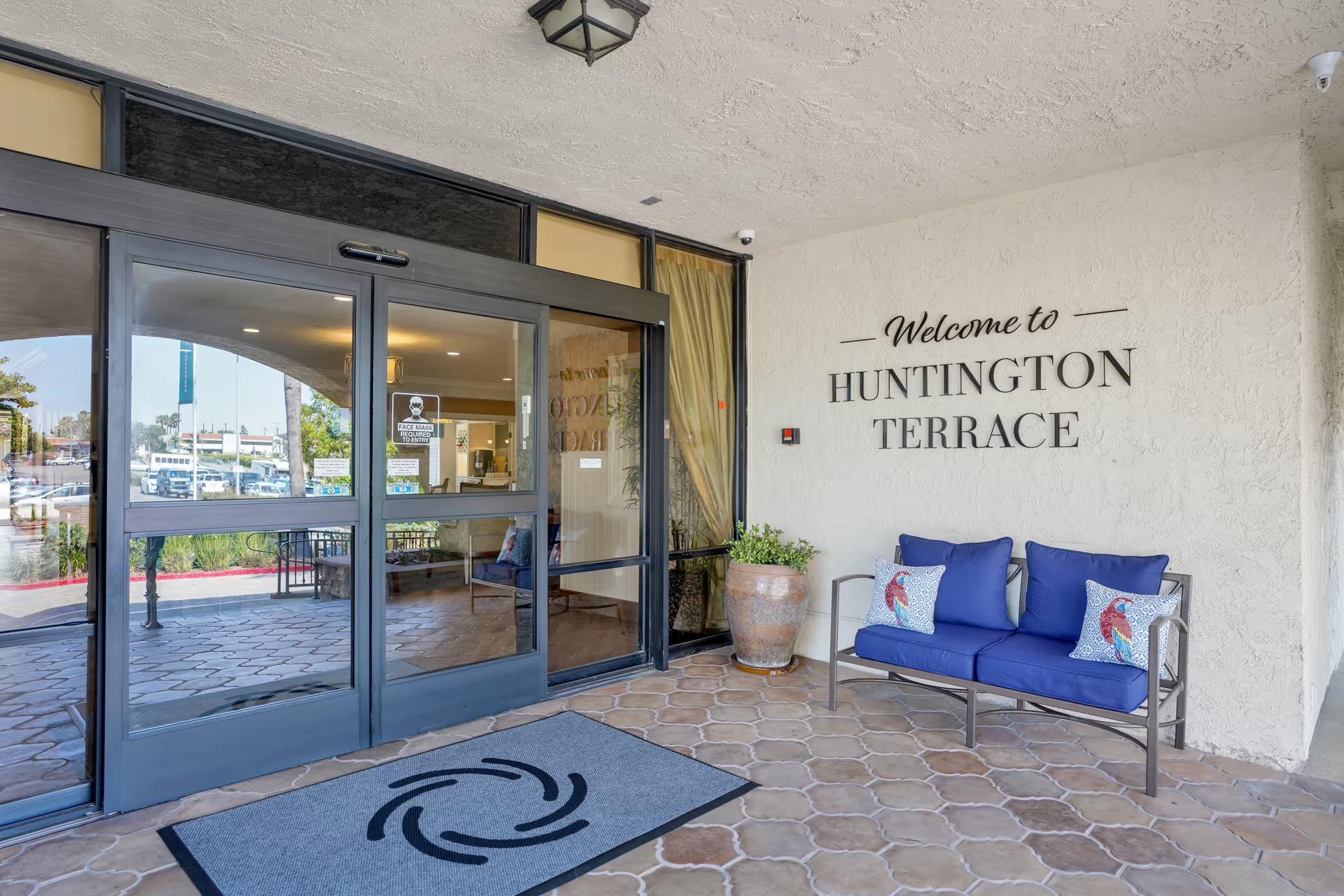
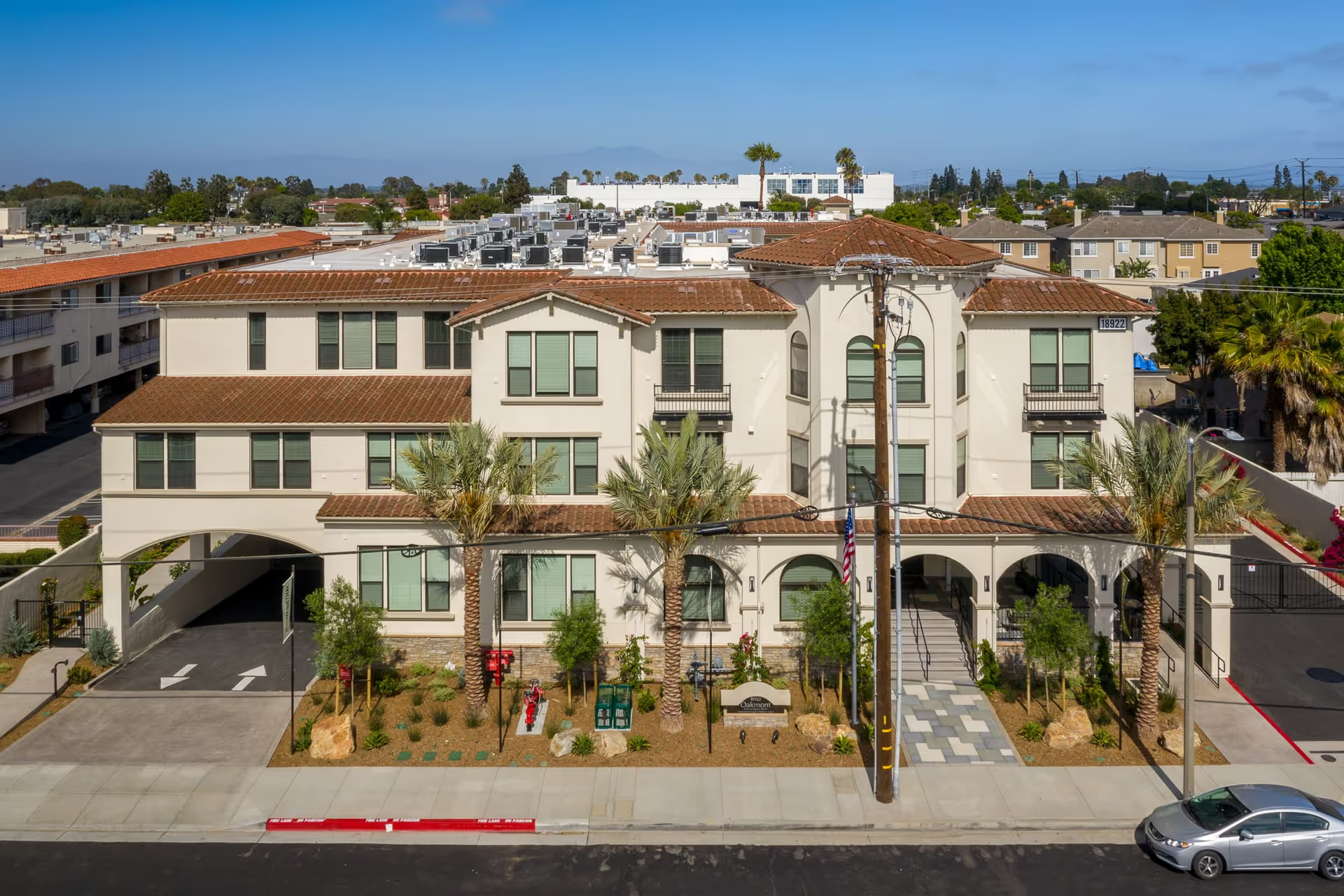
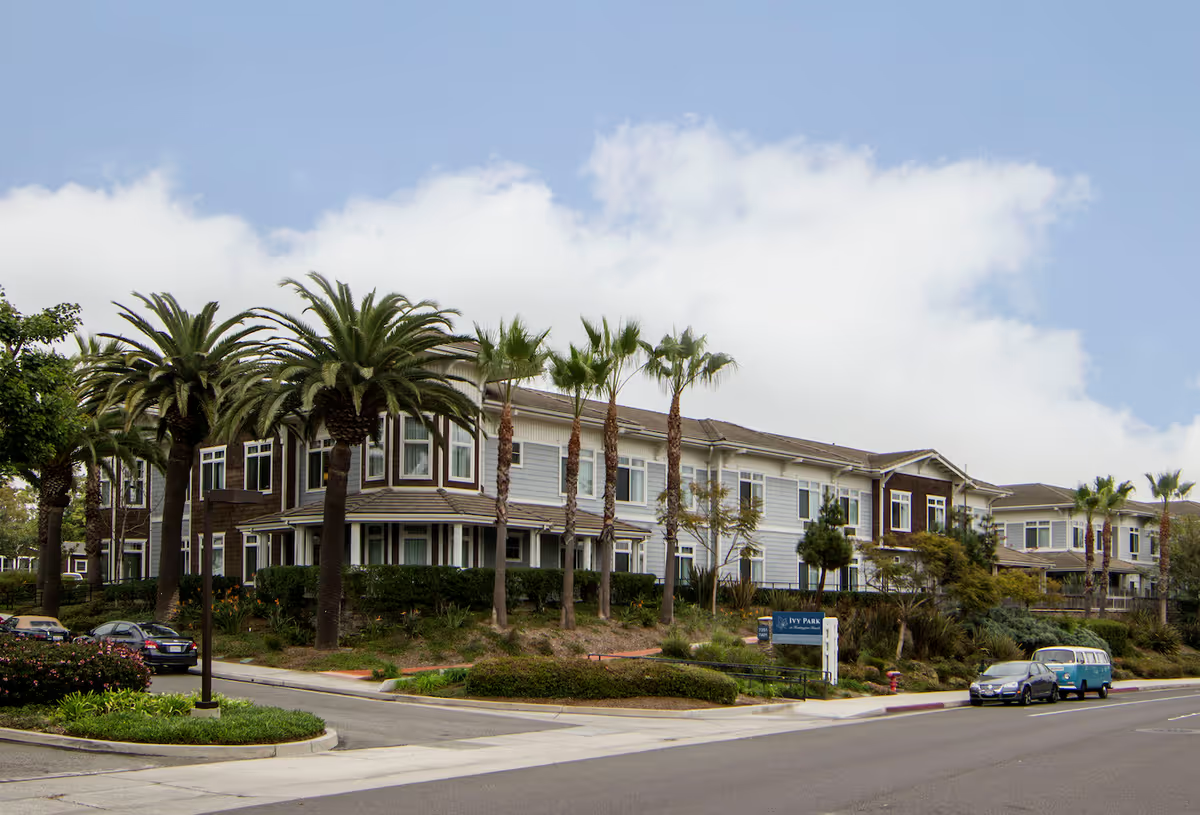
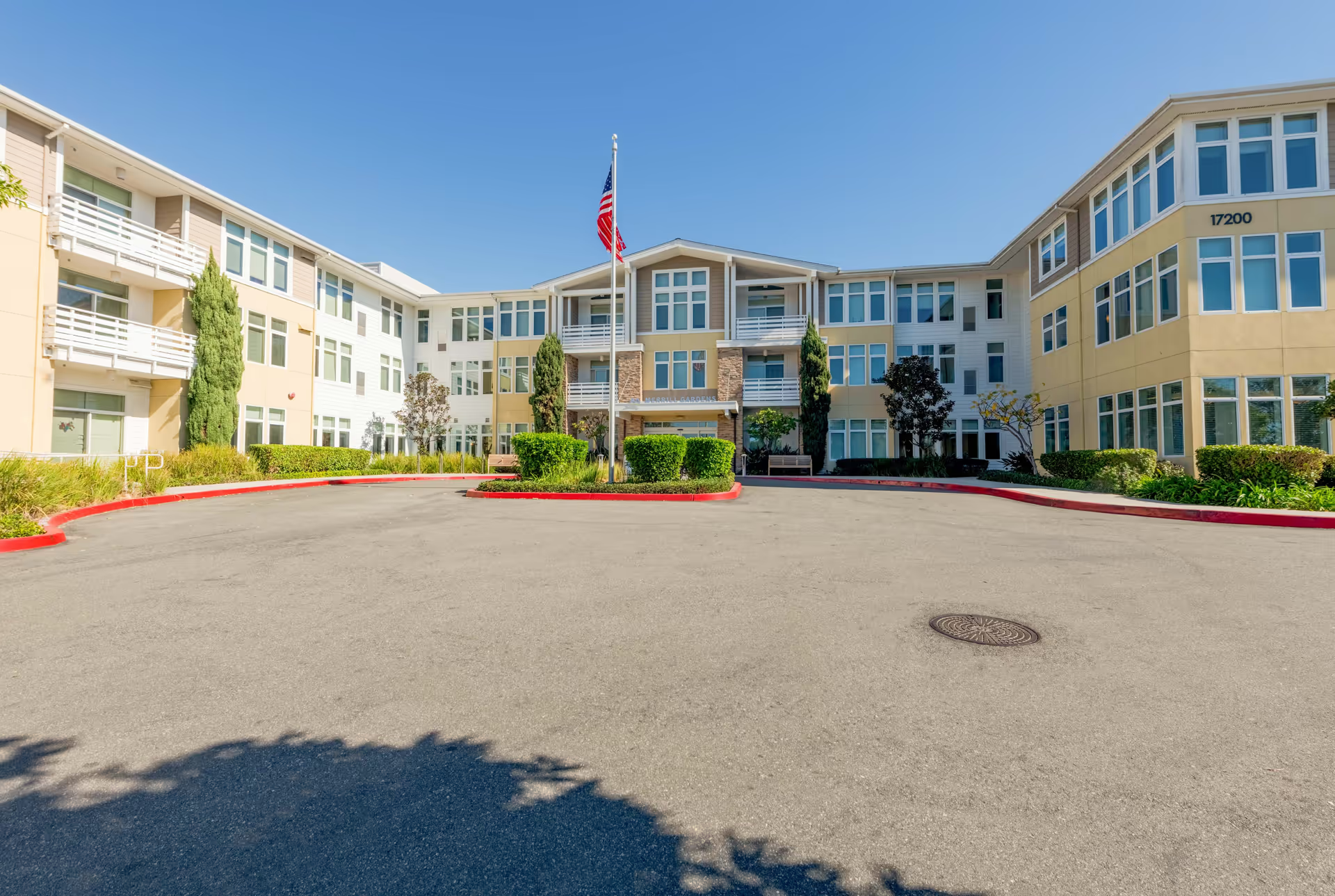
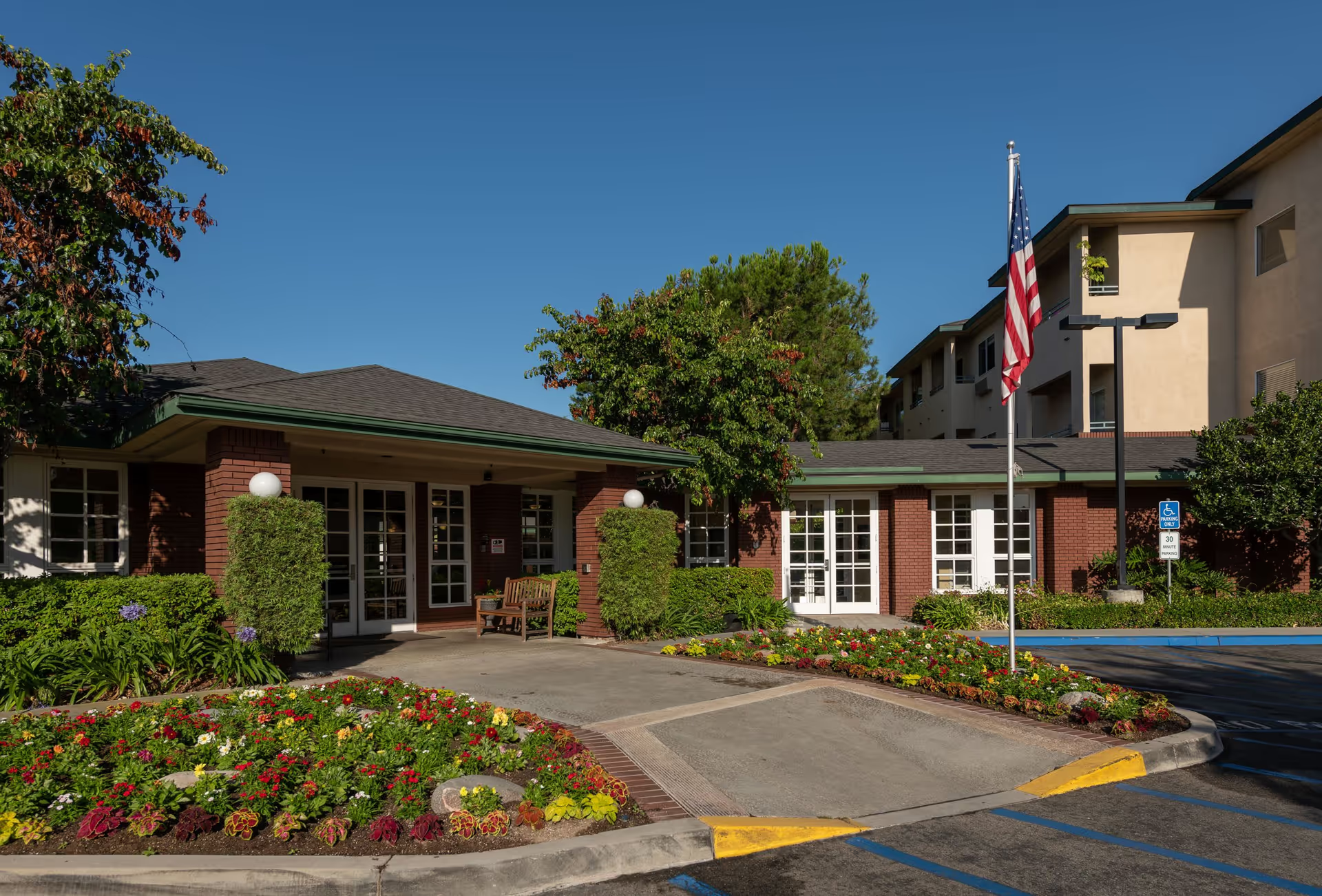
Overall impression: Reviewers convey a mixed but specific picture of Huntington Terrace North. Many describe the frontline staff as caring, knowledgeable, and responsive; admissions and daily-shift employees are repeatedly characterized as informative, punctual, and capable of building positive relationships with residents. Dining receives consistent praise for home-style, enjoyable meals and is cited as a strength of the community. The social programing and holiday decorations are noted as frequent and engaging, and on-site amenities such as a library contribute positively to communal life. Several reviewers also mentioned that the community offers good perceived value.
Care quality and staff: Direct care and customer-facing staff are the strongest theme in the feedback. Families and visitors commonly highlight respectful interactions, thorough responses to questions, and an apparent rapport between staff and residents. However, there are substantive concerns about the facility’s capacity to manage residents with age-related psychological or cognitive needs; this is framed as an operational limitation rather than isolated incidents. Prospective residents with those needs should assess clinical expertise, staff training, and staffing ratios directly.
Dining and activities: Meals are described as home-cooked and well-liked, with specific positive comments about lunchtime offerings. The community appears to maintain an active calendar—holiday events and regular social activities are recurring positives—and shared spaces like a library support social engagement. At the same time, reviewers differ on how active the resident population is; some find engagement robust while others perceive that a portion of residents are less involved.
Facilities and maintenance: Feedback on the physical plant is mixed. Some reviewers find the complex updated and well-maintained, while others describe an aging building with low ceilings and lower-quality furnishings and finishes. Pest-control and wider sanitation concerns are raised, and at least one comment suggests promised pest remediation was not carried out, indicating potential gaps in maintenance follow-through and vendor coordination. Parking and storage limitations are repeatedly noted as practical constraints for families and residents.
Management and operations: Several reviewers express concern about declining management direction or oversight, and inconsistent follow-through on maintenance items reinforces that impression. Operational policies—such as the 55+ licensing restriction, the absence of pet accommodations, and the lack of available two‑bedroom units—limit fit for some prospective residents. Community size is another factor: some visitors find the community larger than they prefer.
Notable patterns and guidance for prospective families: The strongest and most consistent positives are around staff demeanor and the dining/social environment. The most important operational risks to investigate further are the facility’s capacity to support residents with cognitive or psychological needs, pest-control and sanitation practices, maintenance/vendor follow-through, and parking/storage availability. Before deciding, prospective residents or family members should ask for current information on staffing levels and training (especially for cognitive care), recent pest-control contracts and outcomes, maintenance response timelines, unit availability and floor plans, and policy details on age and pet restrictions.