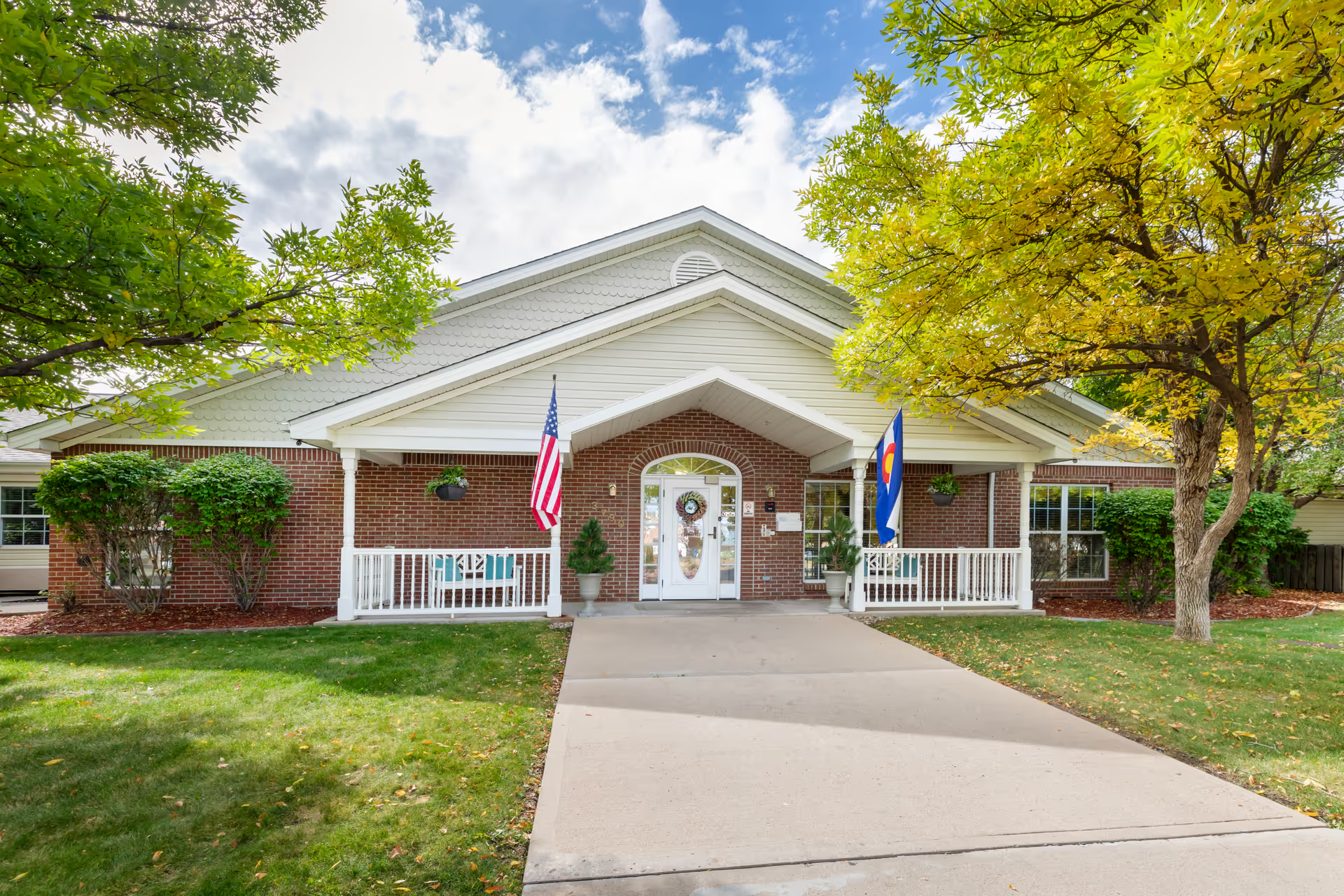
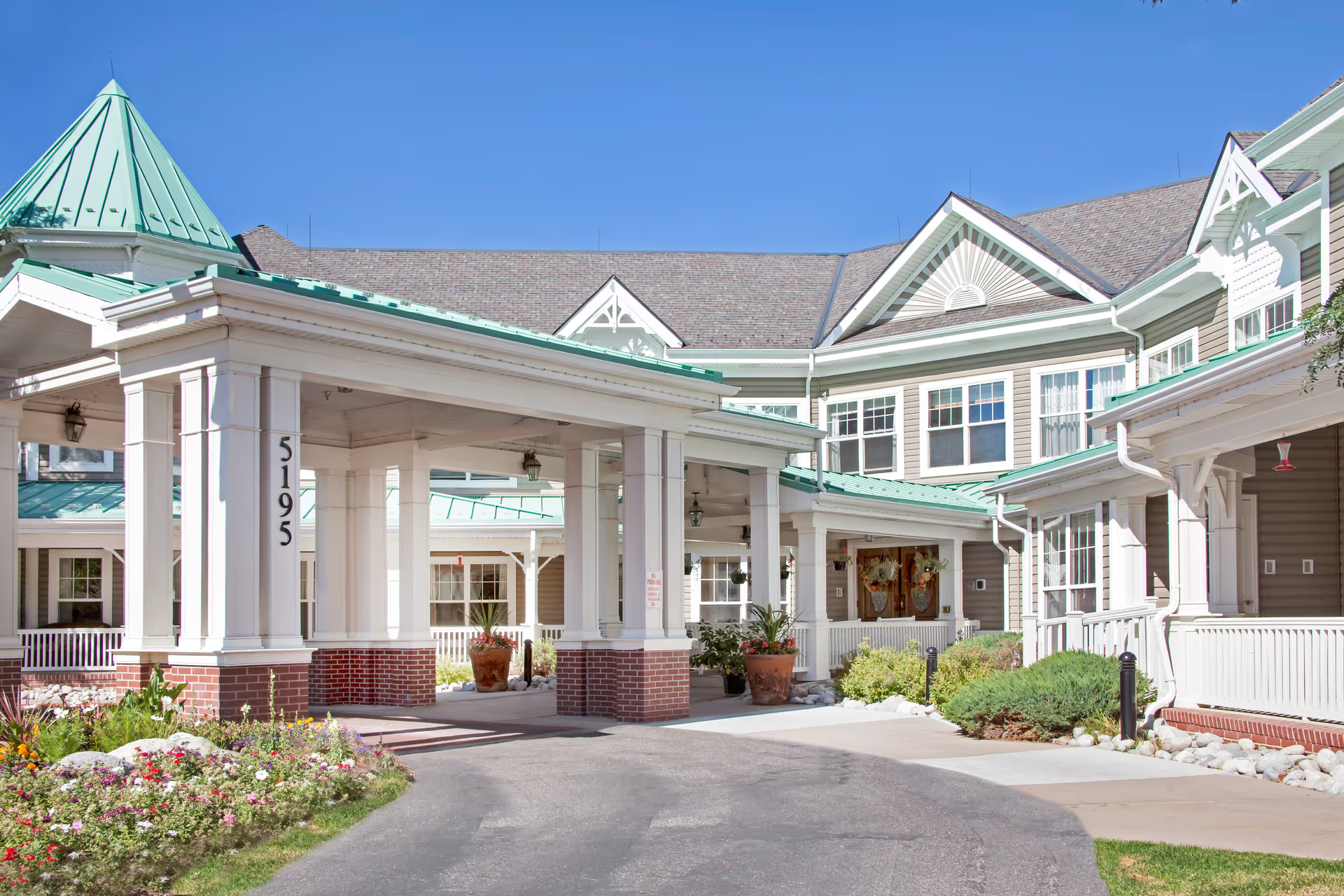
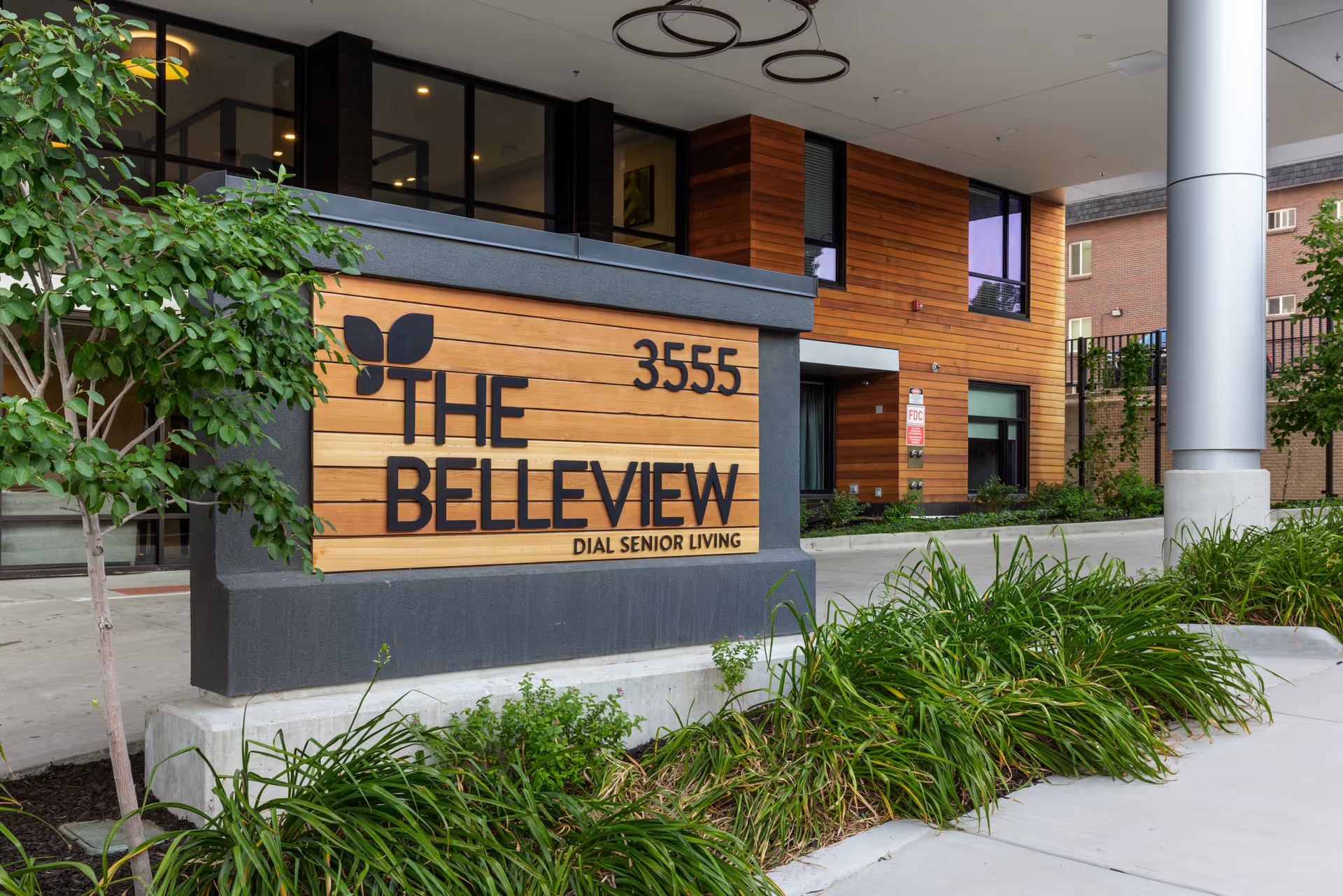
The reviews present a mixed but concerning picture of building operations and resident life. Positive comments center on dedicated front-line staff and recent management turnover that some reviewers say has produced visible changes: cosmetic upgrades to common areas and targeted efforts to address past problems. At the same time, a number of persistent operational issues are described that materially affect daily life and perceived safety.
Care and staff: Many reviewers singled out individual staff members as caring and committed to residents, and several noted that newer management has taken steps to address previous shortcomings. However, reviewers also expressed concerns about responsiveness, communication, and consistency of service in the context of larger systemic problems. Prospective residents should weigh observed staff dedication against system-level constraints that may limit timely care or consistent follow-through.
Facilities and safety: Significant facility-level concerns recur across reviews. These include pest-control concerns and sanitation issues, frequent mechanical failures (notably limited elevator availability), extensive and prolonged construction or repair work, and weaknesses in security and access control. Specific safety-related items cited include unsecured egress points and periods when building security systems were not operational; an emergency response event further highlighted gaps in building safety readiness. Taken together, these items indicate that building infrastructure and safety protocols have been inconsistent and, at times, impaired.
Management and resident relations: Reviewers describe management actions and policies that have created tension with residents—examples include strict house rules, enforcement actions, and communication styles perceived as intimidating. There are also mentions of eviction activity and concerns about retaliation for complaints. Conversely, some reviewers attribute improvements to recent management changes; nevertheless, inconsistent follow-through on promised fixes is a recurring theme. These patterns suggest that while leadership change has potential to improve conditions, governance and resident-protection practices remain an area to evaluate closely.
Resident population and community life: Reviews reference incidents involving substance use and disruptive behaviors on the premises. This points to challenges in resident mix and onsite monitoring that affect community livability for some residents. There was limited specific feedback about dining or structured activities in the summaries provided; where lifestyle commentary exists it tends to highlight small quality-of-life improvements rather than comprehensive program enhancements.
Bottom line and suggested due diligence: The facility shows evidence of committed staff and some corrective action under newer management, but reviewers describe multiple operational weaknesses that have direct implications for safety, sanitation, and daily living. Prospective residents and their families should request current documentation on pest-control measures, security and fire-safety protocols, elevator and building-maintenance schedules, incident logs, and written policies on resident conduct and protections. Visiting at different times of day, speaking with front-line staff and current residents, and asking for recent inspection or remediation records will help clarify whether the documented improvements have been sustained and whether remaining risks are being actively managed.