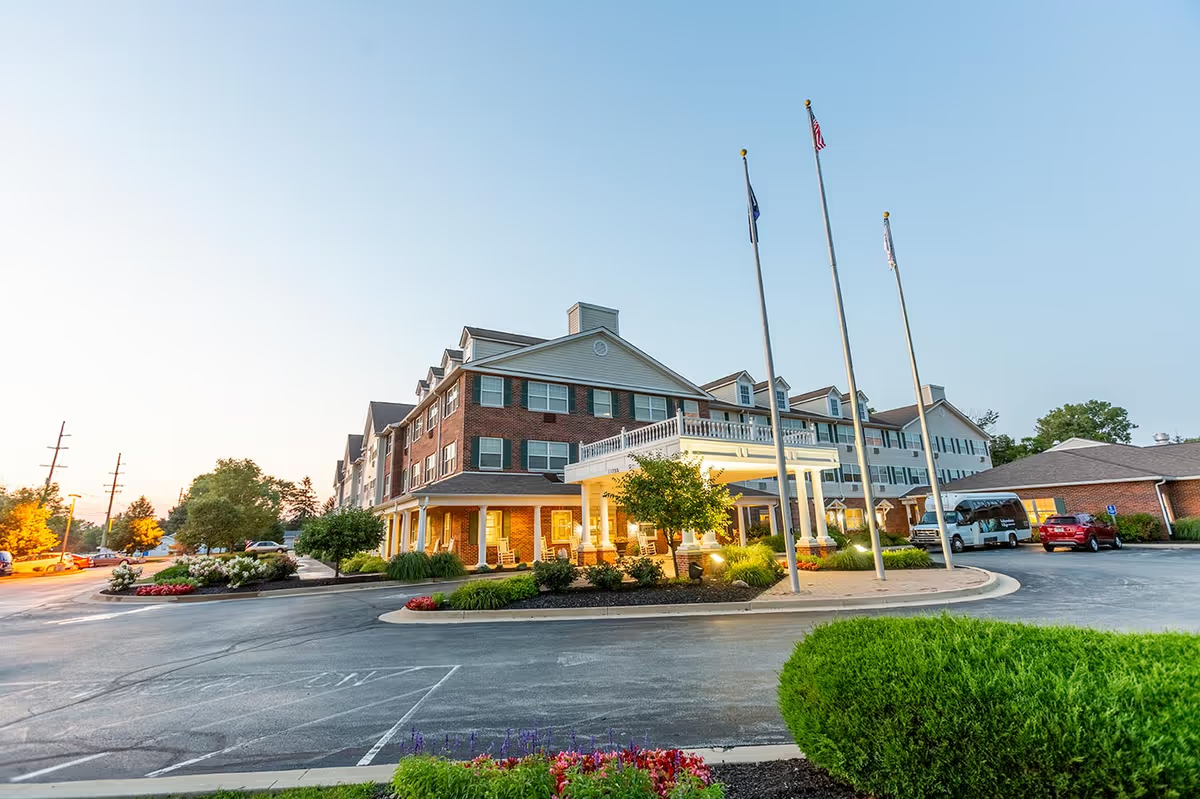
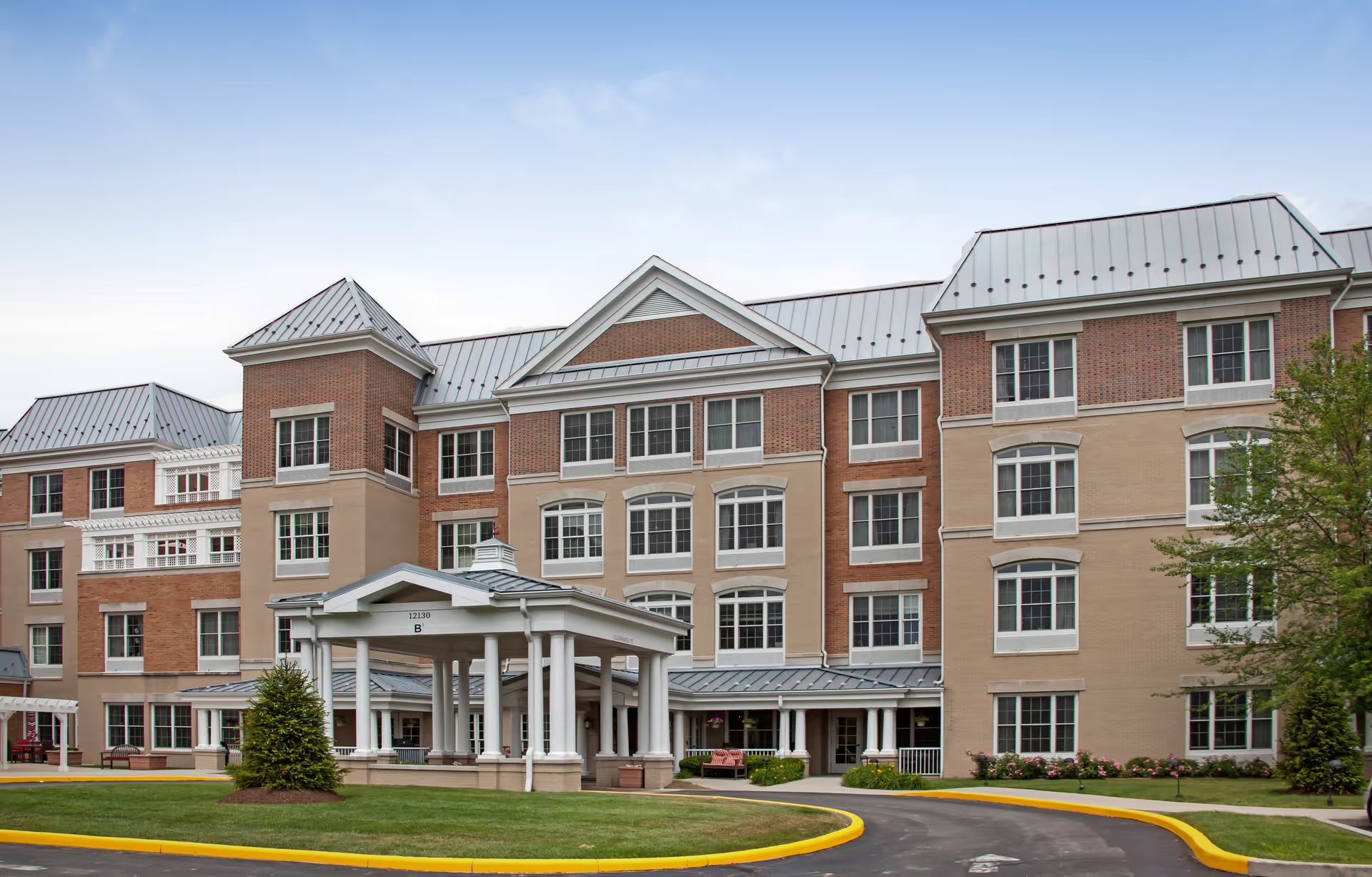
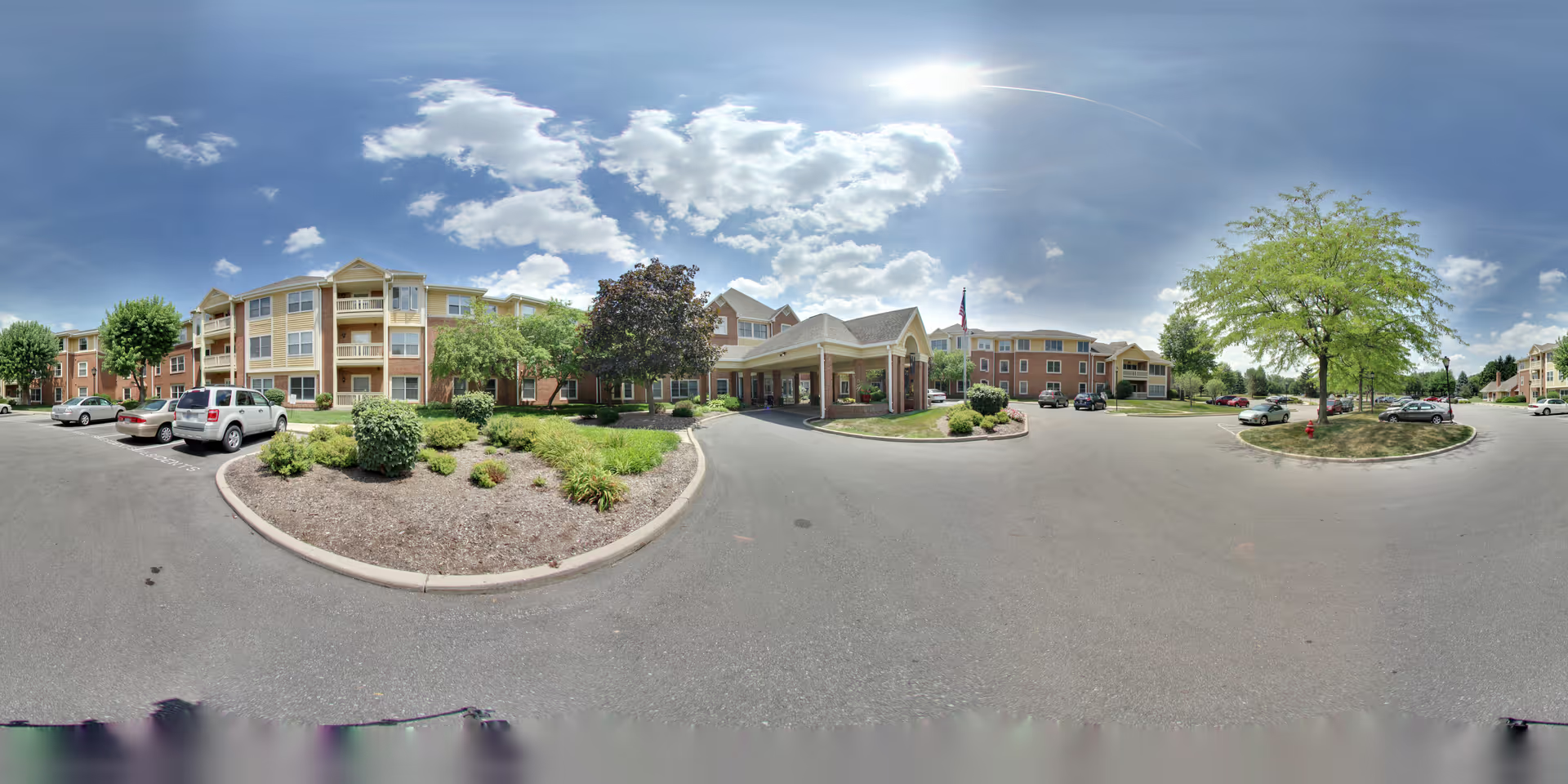
King's Reserve College Park presents a mixed but well-defined profile. The property is consistently described as spacious and well laid-out: large one-bedroom units, generous closets, basement storage and garages, in-unit kitchens for many apartments, and private balconies or patios. The campus offers park-like grounds with a lake, walking paths and an attractive dining room; proximity to medical providers and retail is highlighted by several families as convenient for appointments and errands. A newly renovated memory-care neighborhood and an explicit partnership with a skilled-nursing provider are positioned to support aging-in-place for residents with increased needs.
Care quality and staffing receive divergent assessments. Many reviewers emphasize compassionate, personable staff, continuity of care in some units, timely therapy services, and a family-like culture. At the same time, other accounts point to operational staffing challenges: uneven aide availability, high turnover in some care areas, and front-desk coverage gaps during evening hours. These staffing patterns are linked in some accounts to delayed responses, variability in assistance with activities of daily living, and uneven follow-through on clinical needs.
Dining and nutrition are areas of polarized feedback. Several families praise a robust three-meal program, seasonal menus and a chef who produces high-quality dishes. Conversely, reviewers also note inconsistency in meal quality, issues with dietary accommodations (notably for strict gluten-free needs), and preparation choices that some residents find unpalatable. These mixed impressions suggest that while the dining program can be a strength, guaranteed accommodation for specialized diets and consistent culinary delivery are areas to verify during a tour.
Activities and therapies are generally described as comprehensive and varied, with exercise classes, music, outings, and an extensive activity calendar. That said, attendance and relevance vary by resident acuity: programming appears well-suited to independent residents and those able to participate, while families of higher-acuity residents sometimes find the schedule less applicable. Therapy and skilled nursing services are available through on-site partners, which supports rehabilitation and aging-in-place when clinical needs escalate.
Facility condition is likewise mixed. The property contains recently updated wings and memory-care spaces that reviewers find attractive and well-staffed; other, older sections are described as dated and in need of refurbishment. Cleanliness and sanitation are adequate in many common areas but have been noted as inconsistent in some rooms and service responses, indicating variable housekeeping timeliness and maintenance follow-up.
Management and operational patterns are important to consider. Several families describe clear communication, responsive leadership and helpful admissions processes, while others recount high-pressure admission tactics, contract concerns, and confusion around billing and insurance—some accounts escalated to formal dispute resolution. Clinical documentation and medication-administration practices are described as inconsistent in some reviews, and families are advised to ask for written policies on medication handling, documentation, and escalation procedures. Availability of assistive devices and device maintenance (for example, wheelchairs) has been raised as an operational gap.
Overall, King's Reserve College Park offers many tangible strengths for prospective independent-living residents—spacious units, attractive grounds, robust programming and convenient location. At the same time, families should directly assess operational items that vary across the community: staffing ratios and after-hours coverage, specific dietary accommodations, medication-management and documentation practices, billing procedures, and the condition of the specific unit or wing under consideration. Visiting multiple apartments, meeting care staff, reviewing contract terms and asking for written policies on clinical escalation, dietary accommodations and billing will help clarify whether the community matches a prospective resident's ongoing care requirements and expectations.