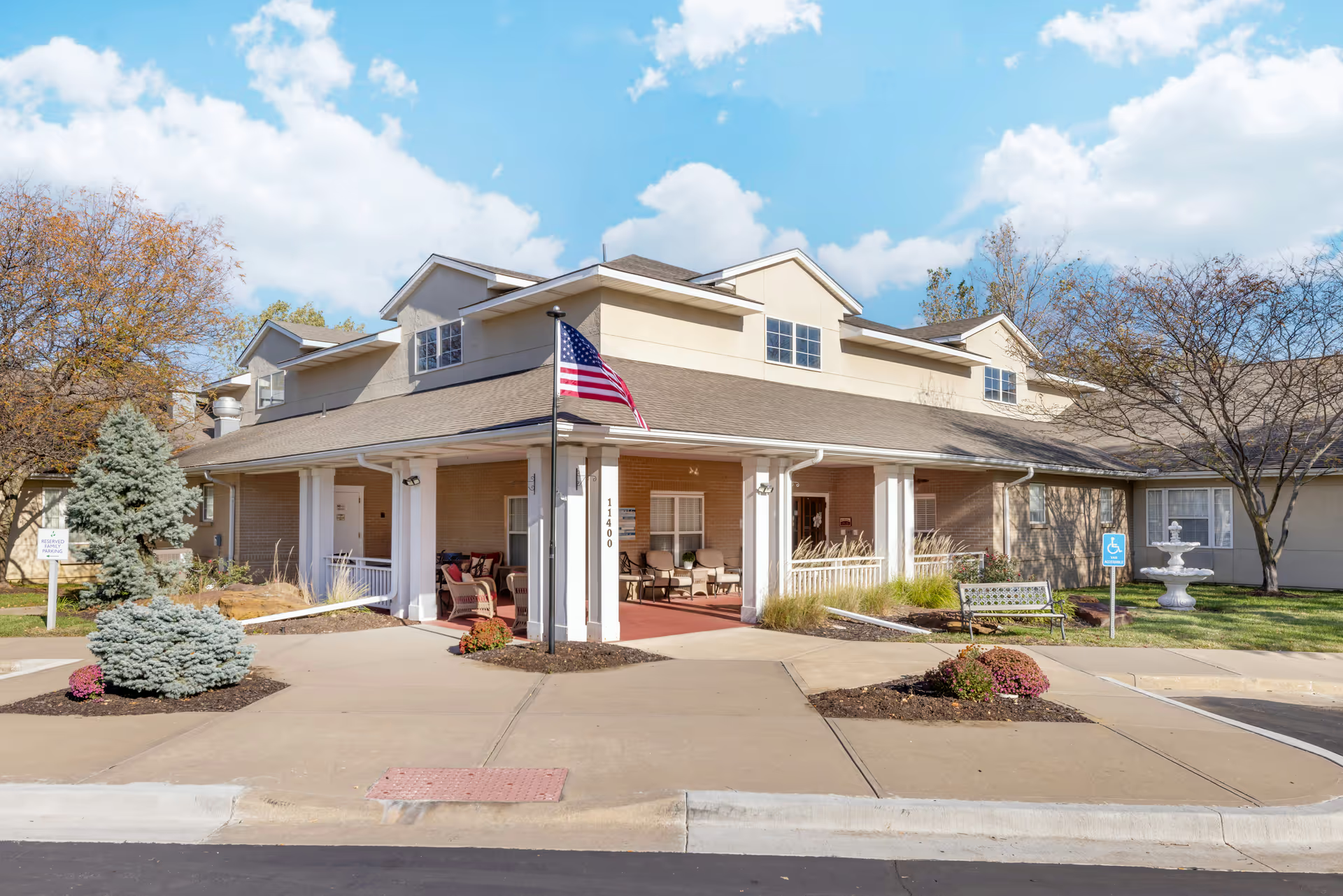
Feedback for Victory Hills Senior Living Community is mixed, with clear examples of strong day-to-day operations alongside recurring operational concerns. Positive comments emphasize a professional, courteous staff, responsive maintenance, active programming and outings, on-site transportation, and attractive common areas and rooms. Several reviewers also noted ongoing renovations and the recent acquisition by an experienced operator as potential offsets to existing problems.
Care and staff: Many accounts describe staff as professional and courteous and highlight specific employees (office/management staff and maintenance) who are responsive. At the same time, reviewers point to leadership instability and elevated staff turnover that contribute to inconsistent care continuity and variability in the resident experience. There are notable concerns about how the community handles transfers and emergency situations; these have led reviewers to question transfer protocols and family/insurance communication during incidents.
Dining and nutrition: Opinions about dining are polarized. Some residents experience two to three meals daily with acceptable quality and reasonable pricing, while others describe declining meal quality, limited fresh-vegetable offerings, and additional charges for side items. Dining-room service quality appears inconsistent, with variability in staff responsiveness and meal presentation between shifts.
Activities and social life: The community offers a range of activities, games, and outings that create a sociable atmosphere for many residents. However, programming quality and frequency are inconsistent across reports; some residents find activities plentiful and engaging, while others describe limited or unstimulating options. Transportation for outings and appointments is available, but reviewers raised reliability concerns about vehicles and scheduling.
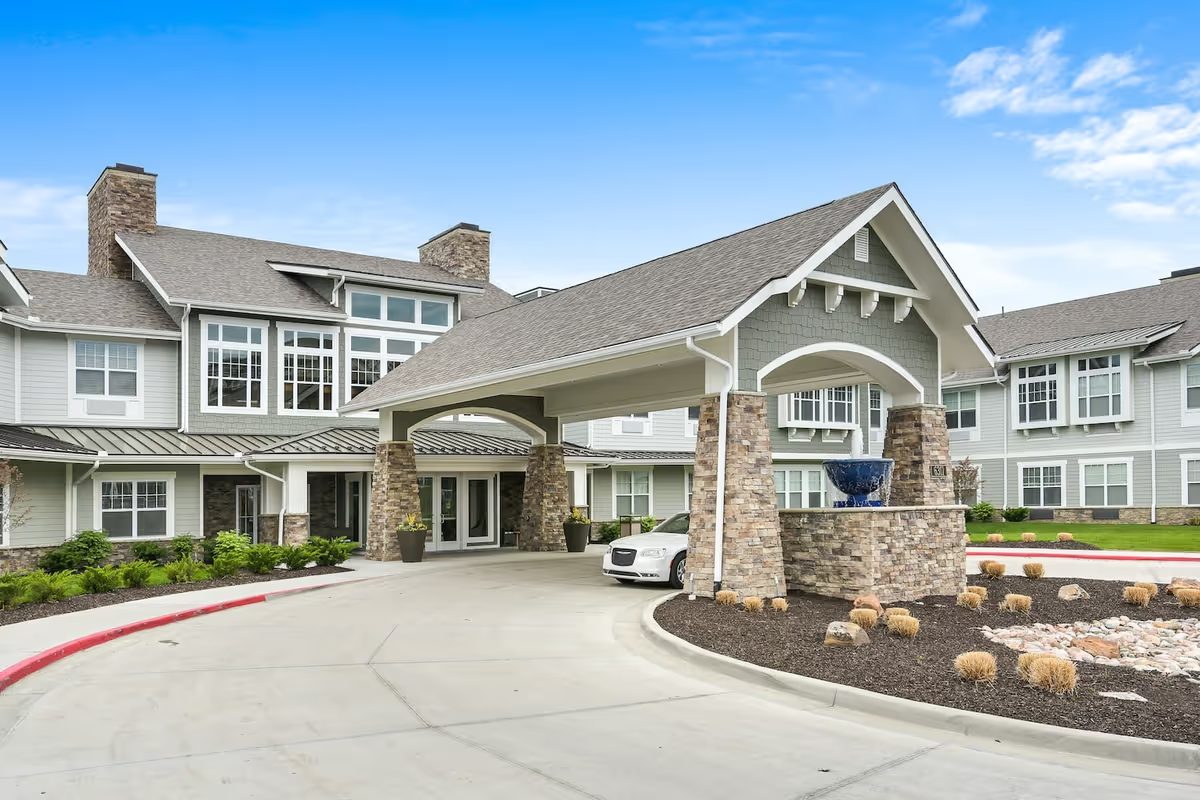
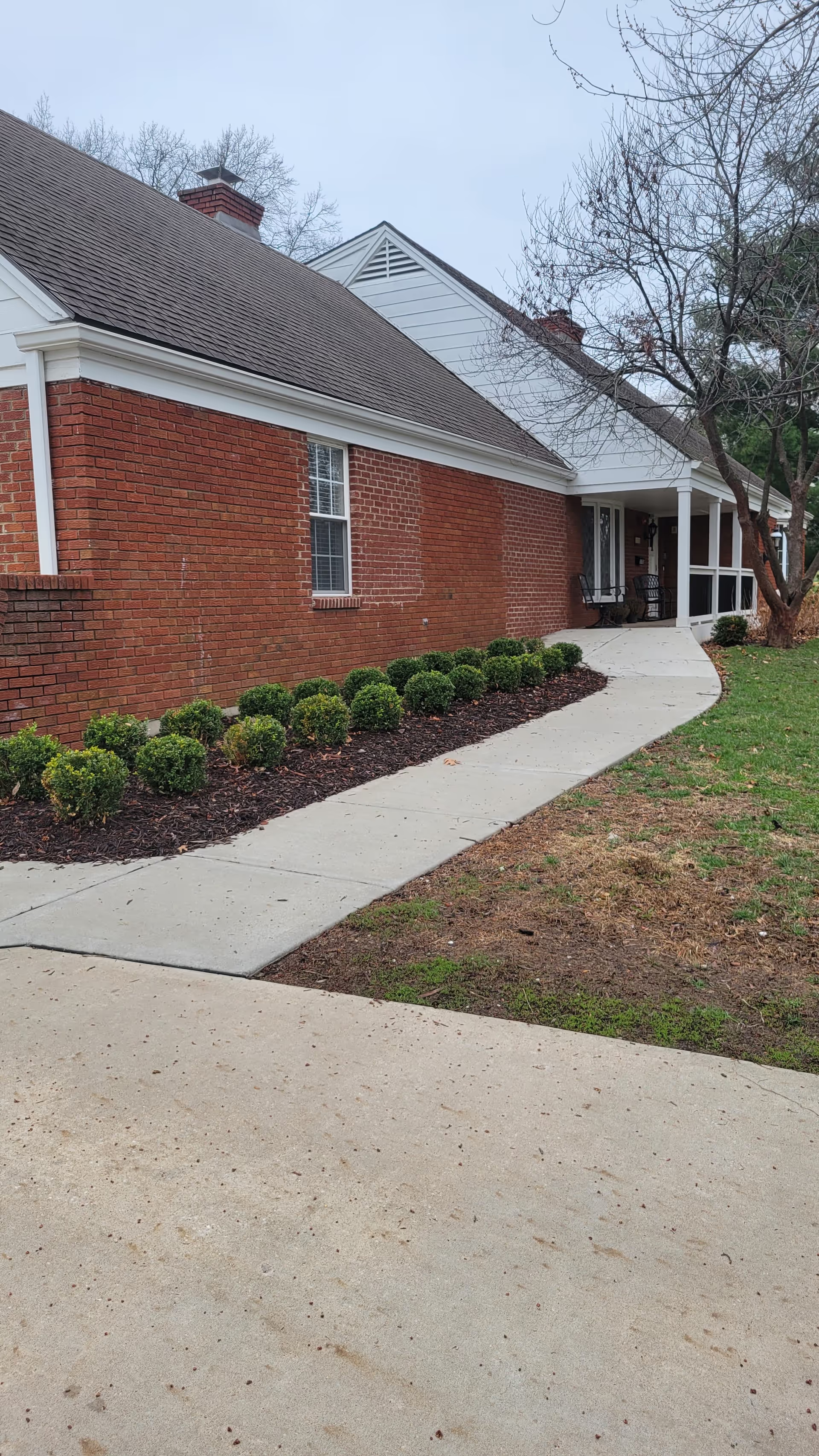
Facilities and maintenance: The building and common spaces receive positive remarks for appearance and recent enhancements such as library and sitting areas. Maintenance staff are often described as responsive to routine issues. Conversely, there are serious concerns about reliability of essential building systems and pest control. Extended outages of critical equipment and lingering pest-control concerns have affected resident safety perceptions and comfort. Housekeeping standards are reported as variable, and odor or cleanliness concerns in some areas were noted.
Management, fees, and ownership: Management turnover is a recurring theme that appears to affect operational consistency. Reviewers mentioned additional community fees and higher assisted-living pricing that are not always clearly explained in advance. The recent acquisition by an experienced operator and active renovation work were cited as potentially positive developments; these changes may address some infrastructure and programmatic weaknesses if implemented consistently.
Notable patterns and considerations: The dominant pattern is one of variability — strong points exist (courteous staff, maintenance responsiveness, attractive spaces, and active programming), but they are unevenly applied. Operational weaknesses cluster around leadership stability, emergency-transfer protocols, infrastructure reliability, pest control, dining consistency, transportation reliability, and clarity around fees. Prospective residents and families should verify current staffing stability, review incident and pest-control records, observe meal service in person, confirm elevator and vehicle maintenance schedules, and ask for written explanations of community fees and recent ownership plans to understand where improvements have been made and where risks remain.