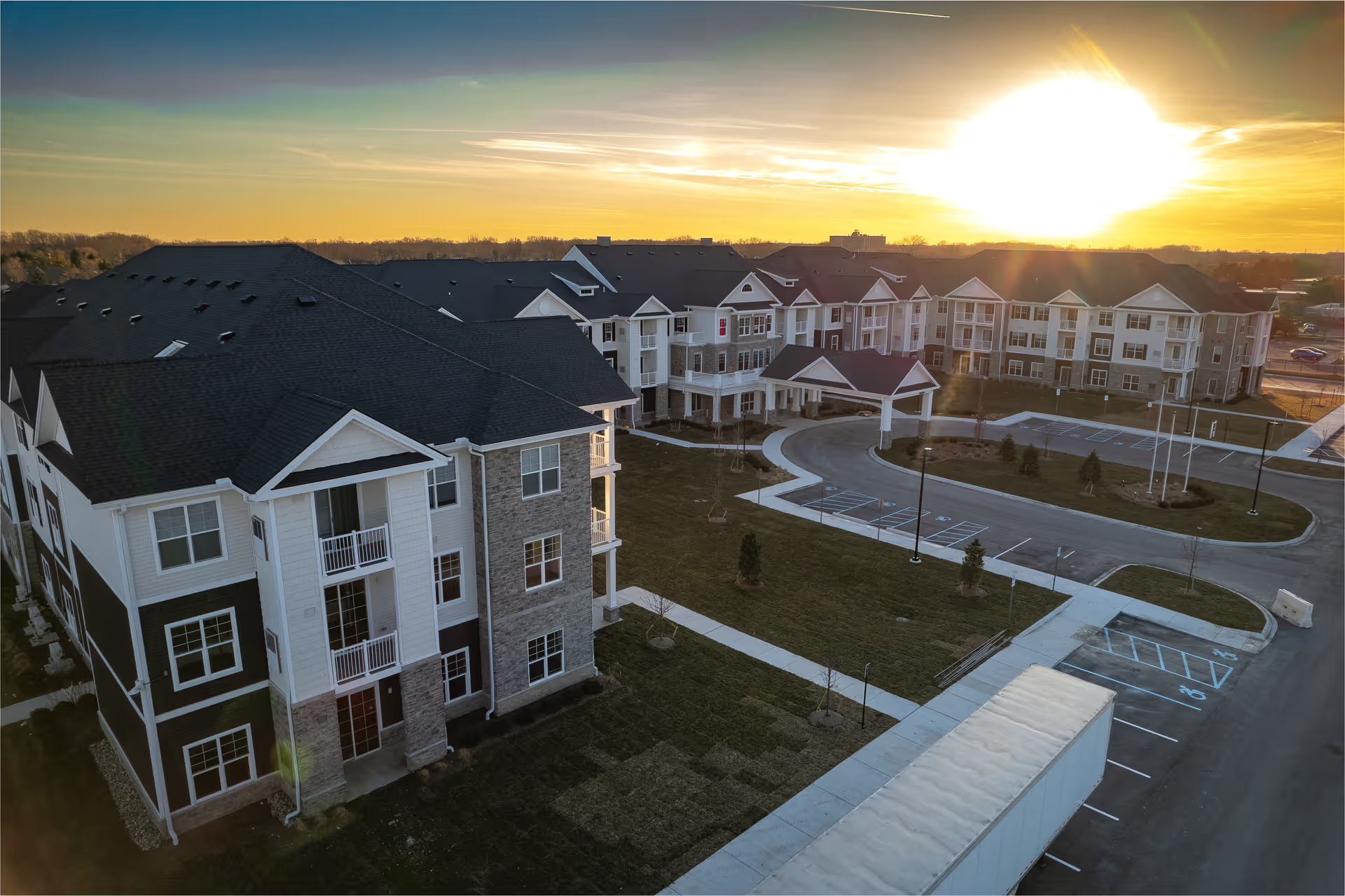
St. George Tower operates primarily as an independent-living, lower-income housing option. The building is described as large, well maintained, and clean, with many on-site amenities such as a computer lab, library, and exercise room. Units typically include utilities, central air/heat, energy-efficient windows, and private balconies. The facility emphasizes resident-led social programming and a smoke-free environment; reviewers highlighted a broad activity calendar and cultural/linguistic comfort for Arabic-speaking residents. Affordability and the volume of activities make the property appealing for residents seeking independent, community-oriented housing.
Staff interactions are generally characterized as friendly and welcoming, which contributes to resident comfort and satisfaction. At the same time, a consistent pattern concerns responsiveness and follow-through. Reviewers described difficulty reaching staff by phone, limited weekend or after-hours coverage, and maintenance requests that have taken a long time to resolve. These communication and responsiveness gaps affect families' ability to get timely information and to have physical repairs completed within expected timeframes.
Facility-level strengths include a well-kept physical plant and a range of common-area amenities that support social engagement and independent living. However, operational limitations are also evident: the property does not provide on-site meal service, apartments tend to be compact, laundry access is time-limited, and accessible/handicapped units are in short supply, producing long waiting lists. There are also procedural gaps around resident conduct: while the facility maintains strict conduct policies, some reviews indicate uneven enforcement or slow remediation when disruptive behavior occurs.
Taken together, St. George Tower is a viable option for low-income seniors who are independent, value a culturally familiar and activity-rich environment, and do not require on-site dining or immediate maintenance turnaround. Prospective residents and families should weigh the building’s affordability and programming against recurring operational issues — particularly maintenance responsiveness, communication availability, limited accessible-unit supply, and restricted service hours — and ask management for specific commitments about waitlist timelines, maintenance response protocols, and after-hours support before committing.