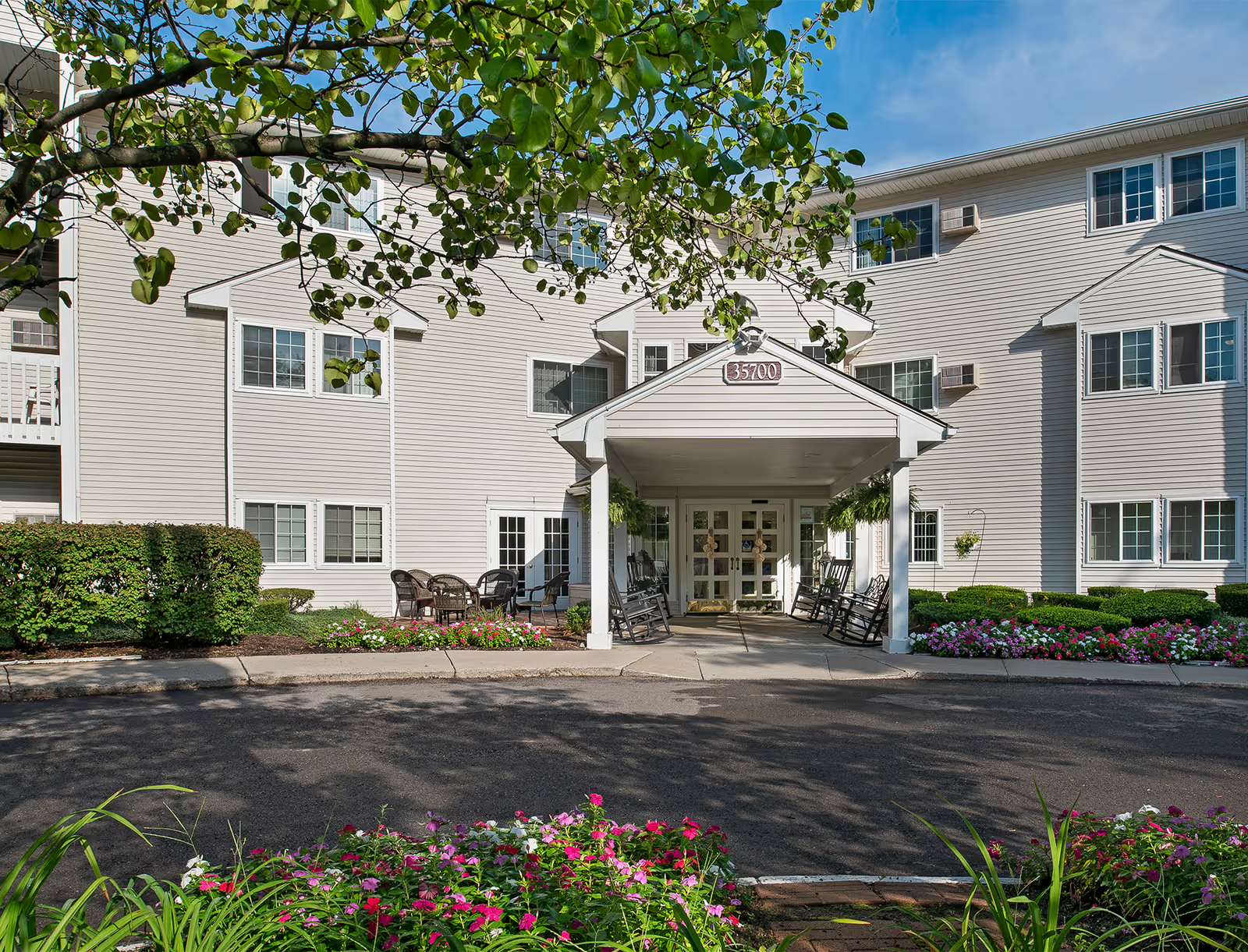
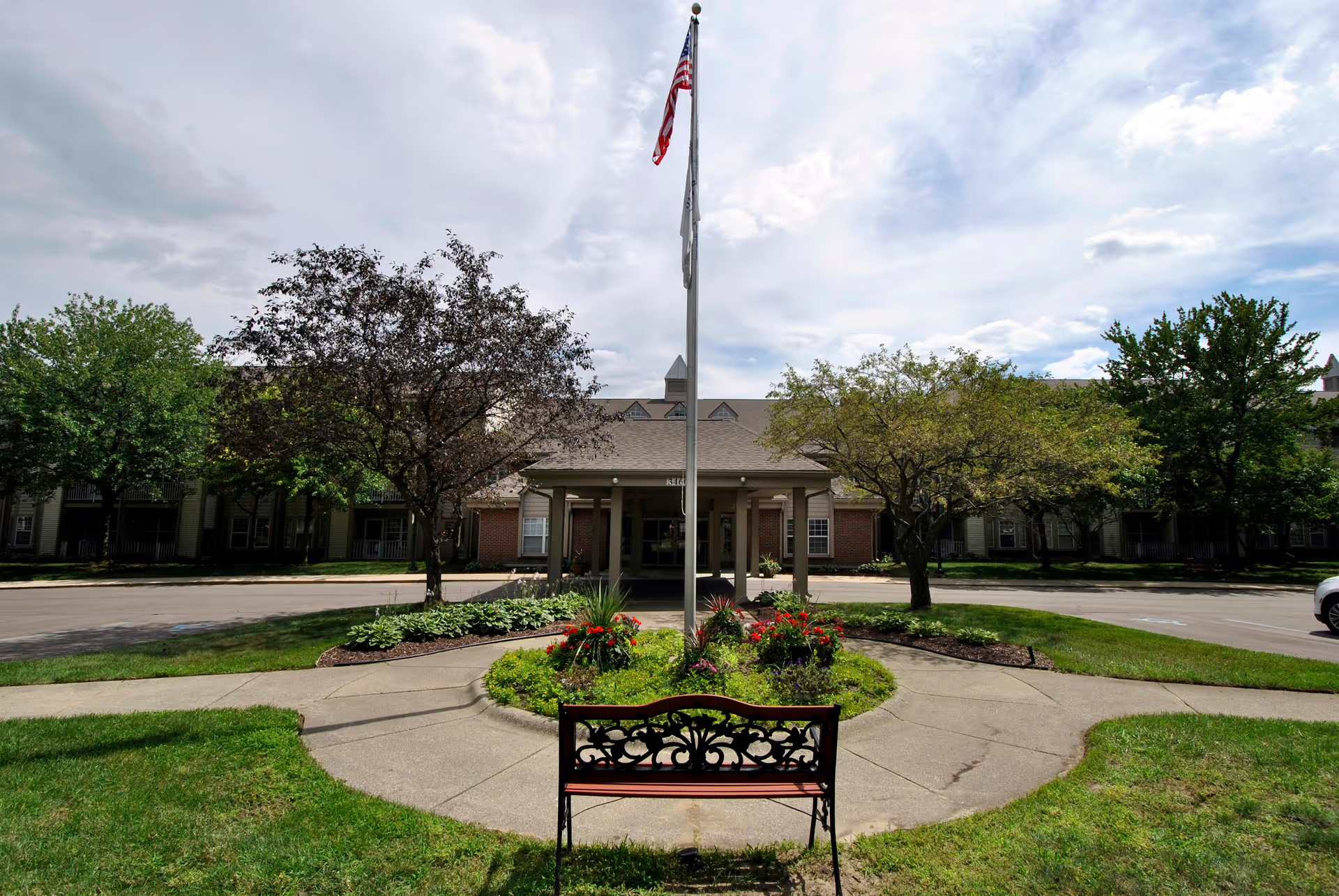
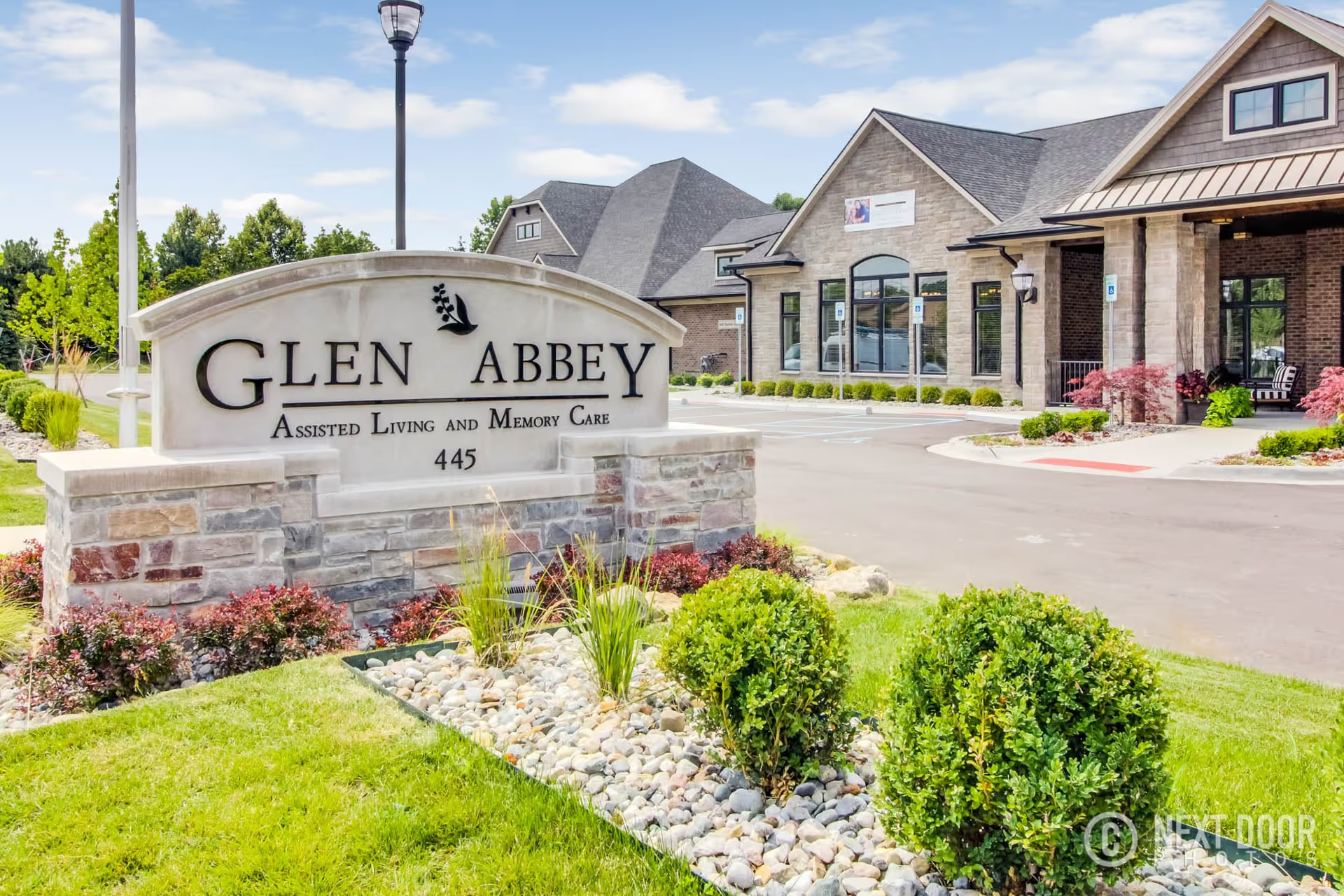
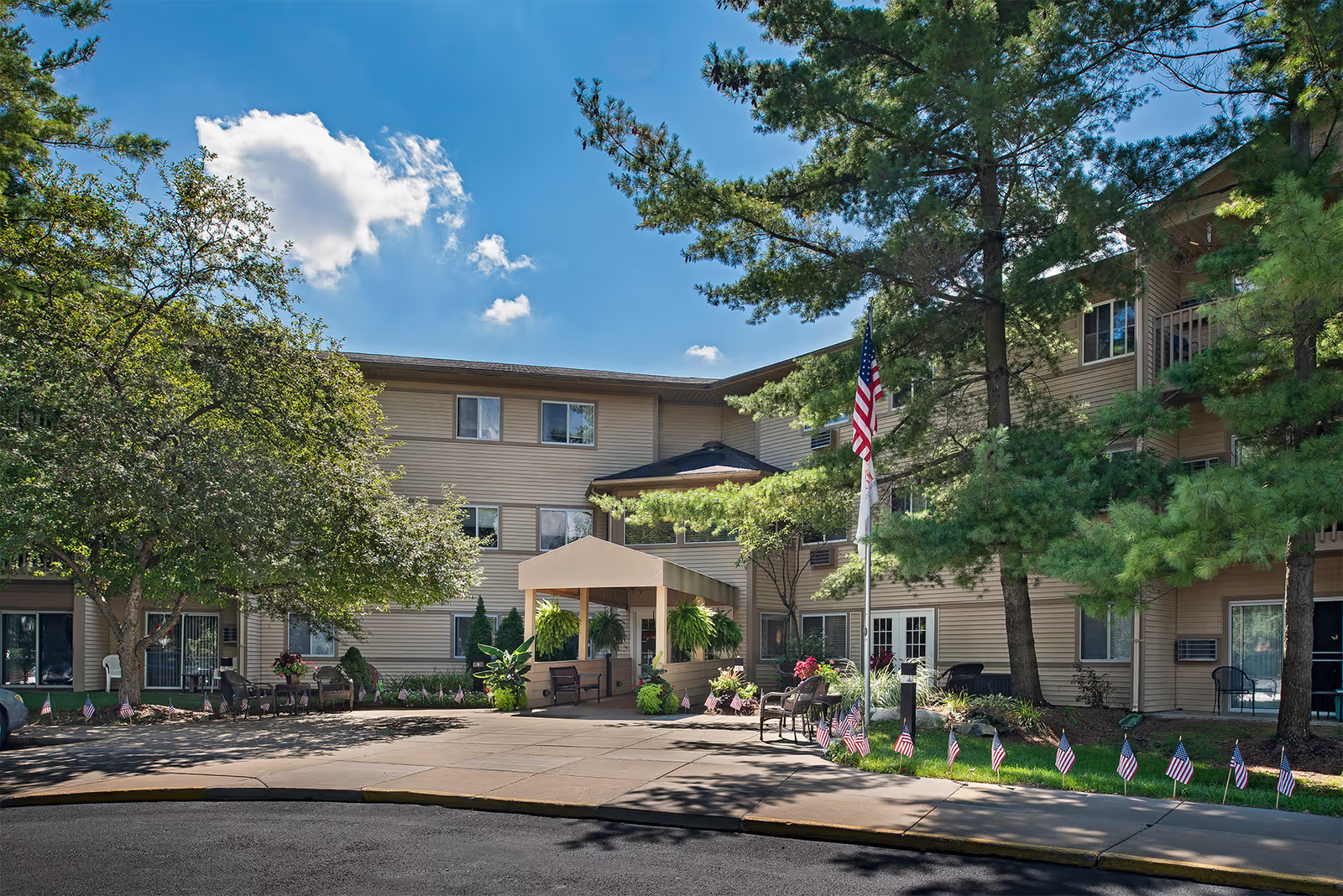
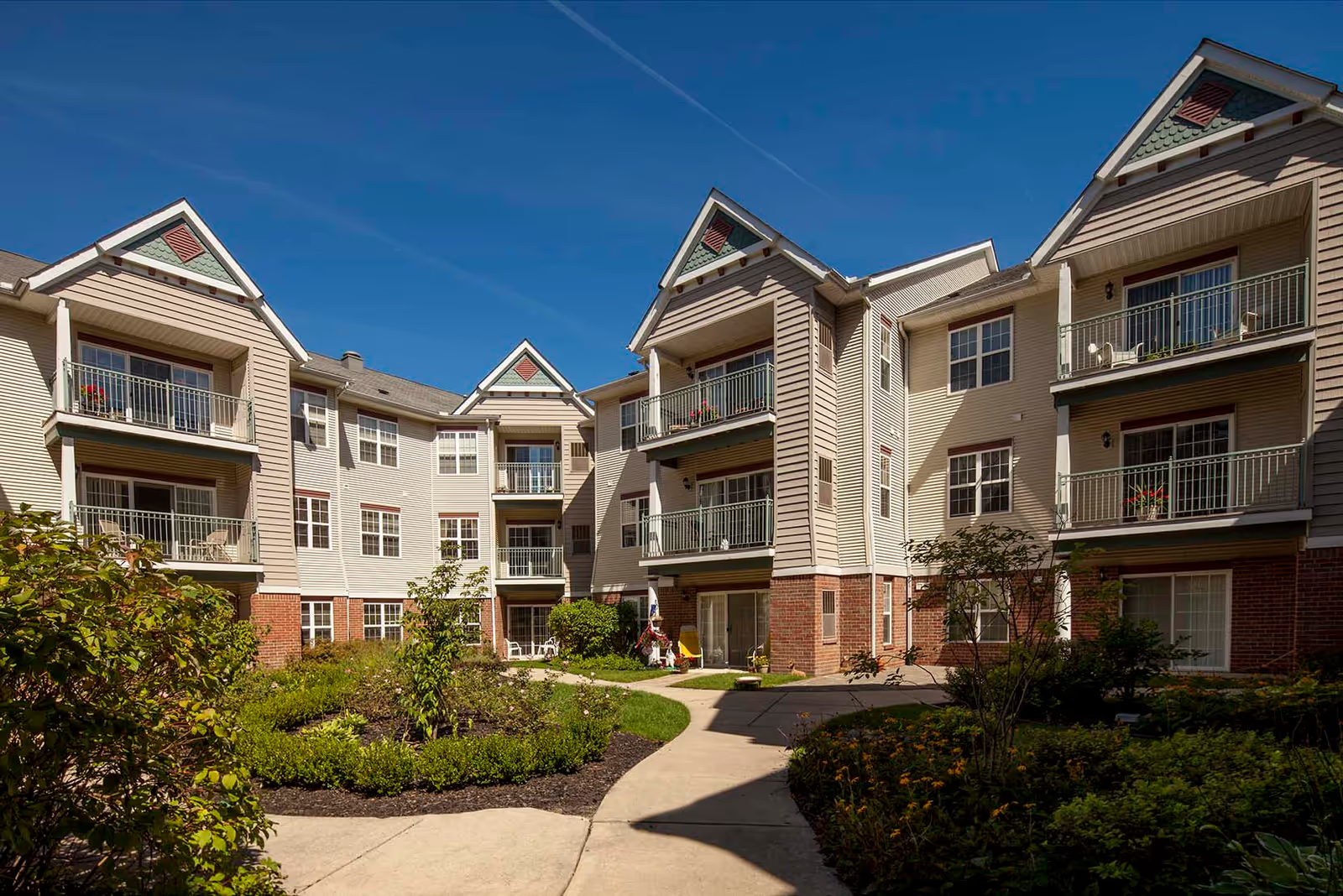
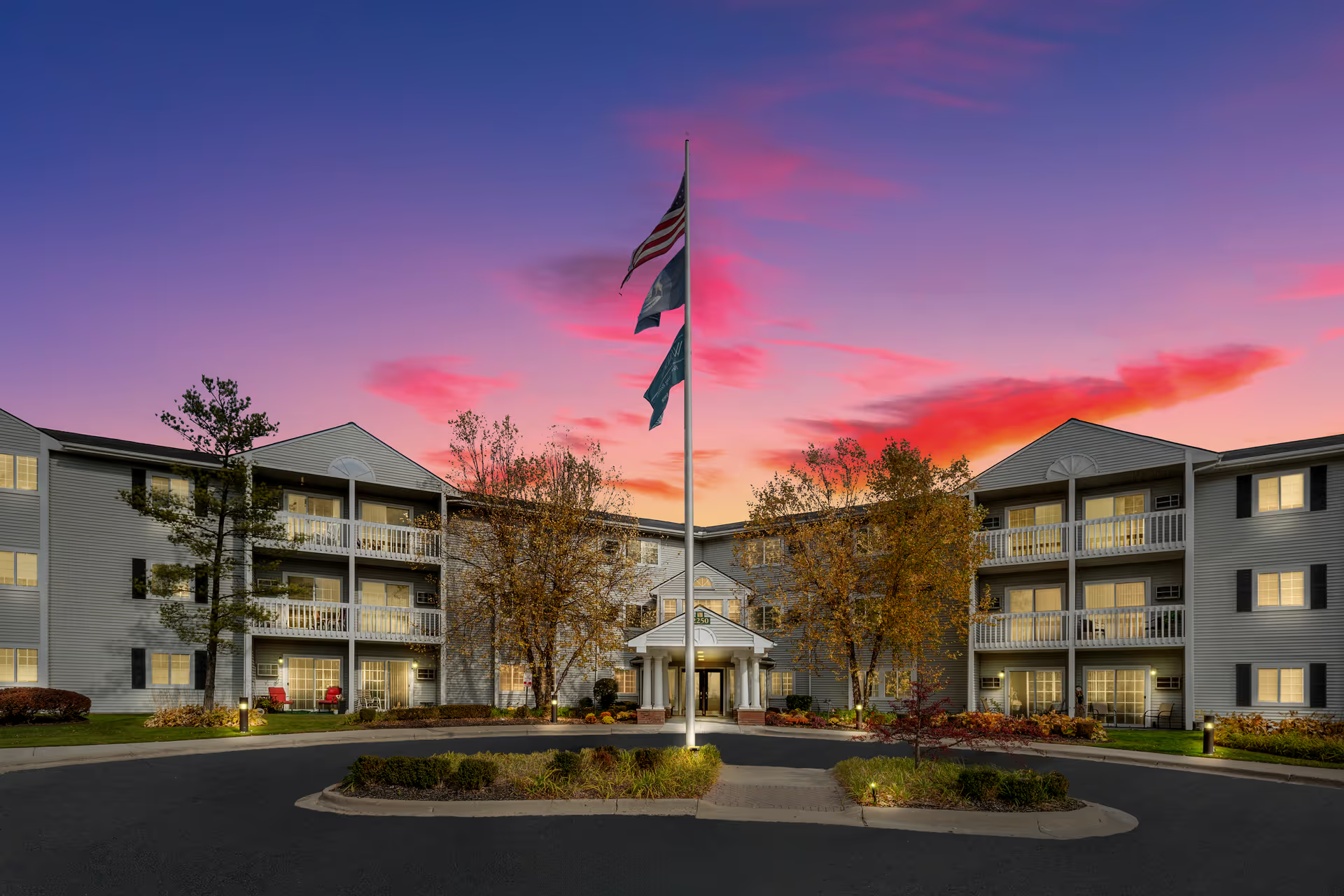
Thomas F Taylor Towers presents a mixed but informative picture. The facility is consistently described as an attractive, well-maintained building with clean, pleasant common areas and a suite of on-site amenities appropriate to independent-living residents. Demand appears strong, as evidenced by a lengthy waitlist; several long-term residents report satisfaction with the living environment and the independent-living model.
Staff performance elicits divergent impressions. Multiple accounts praise staff and leadership for being responsive, going beyond baseline expectations, and advocating for resident needs; those comments highlight positive resident–staff relationships and a director who intervenes on behalf of residents. Conversely, other accounts point to inconsistent empathy, perceived rudeness, and signs of staff burnout. These divergent perspectives suggest variability in day-to-day staff interactions and possibly uneven staff training or staffing levels.
Care-quality concerns center on emergency response, behavioral-management, and care for residents with cognitive impairment. Summaries describe incidents that required law-enforcement or emergency involvement, indicating potential gaps in crisis-escalation protocols and coordination with outside responders. Separate comments raise questions about dementia-specific supports and how disruptive behavior is managed; combined, these indicate that the facility may need clearer protocols and additional staff training for complex behavioral and clinical situations. Language-access limitations were also noted, creating communication challenges for non-English-speaking residents and complicating incident response and routine care.
Dining and activity programming are not widely detailed in the available summaries. The facility is characterized as offering solid independent-living programming and notable amenities, but reviewers did not provide comprehensive descriptions of meal quality or the breadth of recreational activities. Prospective residents and families should request current menus, sample activity calendars, and participation rates during a tour.
Management and policy issues are a recurring pattern. While some reviewers commend the director’s advocacy, others describe rigid enforcement of resident-behavior rules, inconsistent family notification about incidents, and serious concerns about eviction processes and resident-stability practices; one summary used the term "allegations" in relation to eviction and discrimination concerns, which merits careful inquiry. These management-level issues—combined with variability in staff tone—are the primary source of polarized impressions and account for the disparity between very positive long-term-resident experiences and strongly negative incident-focused accounts.
Recommendation: visitors should tour the property to assess facility condition and amenities, meet frontline staff and leadership, and ask specific questions about crisis protocols, dementia supports, language-access services, eviction policies, and how families are notified following incidents. Request documentation of staff training, recent incident-response procedures, and examples of resident programming to form a balanced view tailored to the prospective resident’s clinical and social needs.