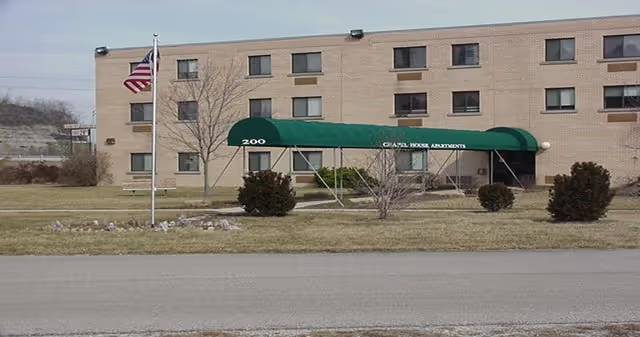
Overview: Reviews describe a facility with physical and operational challenges that affect daily living and safety. The property is characterized by deferred capital needs (older hot-water equipment, outdated appliances, uneven flooring, and bathroom fixtures in need of attention) alongside a resident population that remains engaged and generally cordial. The building is described as having attractive potential, but that potential is constrained by ongoing maintenance, cleanliness, and accessibility issues.
Care and safety: There is limited direct information about clinical care or medication management in the reviews. However, multiple accounts raise safety-related concerns tied to the built environment — uneven floors, nonfunctional windows, bathrooms that require updating, and intermittent hot-water availability — all of which can affect resident safety and comfort. Accessibility and emergency-access shortcomings are a consistent theme; the facility does not present as well suited to residents with mobility limitations, and elevator and egress reliability has been questioned.
Staff and management: Staff performance appears mixed. Maintenance personnel are described as addressing immediate and necessary repairs, while administrative responsiveness is described as inconsistent. Reviewers indicate recurring challenges obtaining sustained follow-through on requests, and interactions with office leadership are framed as a frequent source of frustration. These management patterns correlate with resident turnover and concerns about unresolved issues.
Facilities and environmental concerns: The facility shows signs of deferred maintenance and sanitation shortcomings. Specific infrastructure issues cited include leaking plumbing fixtures, aging hot-water systems, dirty carpeting and common-area cleanliness concerns, and outdated unit appliances. Pest-control concerns and dissatisfaction with contractor follow-up are noted, as is a reliance on residents to handle minor upkeep tasks (replacing bulbs, deploying air fresheners) to make units more livable.
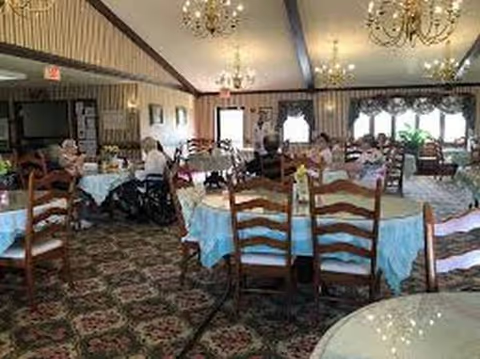
Dining and activities: Reviews provide little detail about formal dining services or organized activities. Socially, the resident community is described positively, suggesting informal peer support and neighborly interaction, but there is no clear evidence of robust programmatic offerings or dining quality from the provided material.
Notable patterns and considerations for prospective residents: The dominant patterns are deferred capital maintenance, inconsistent administrative follow-up, accessibility limitations, and gaps in the pest-control program. These operational issues are often paired with year-over-year rent increases, which reviewers view as insufficiently tied to visible improvements. Prospective residents should verify current maintenance and pest-control records, inspect accessibility and elevator reliability, ask for documentation about planned capital projects, and speak with current residents about responsiveness to service requests before deciding.