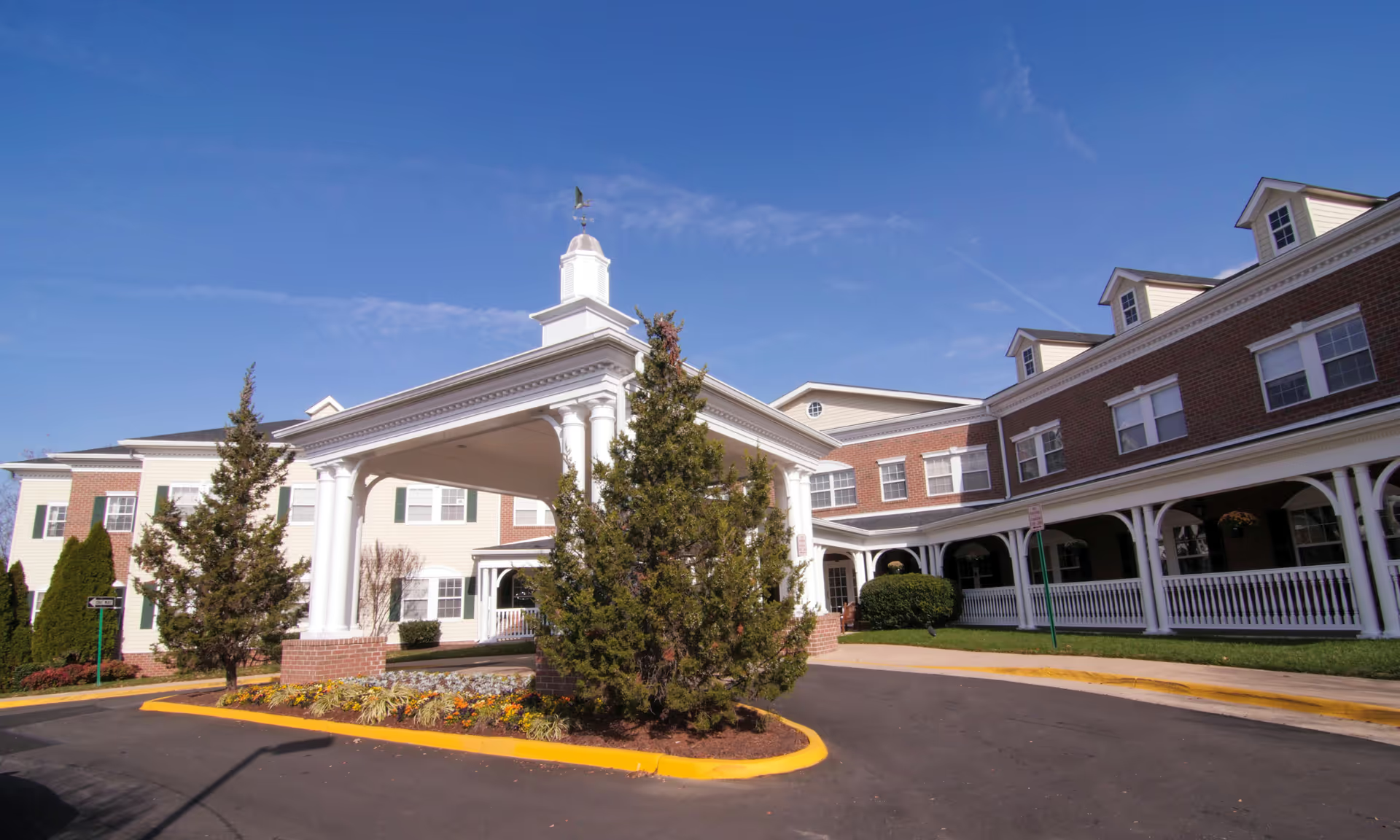
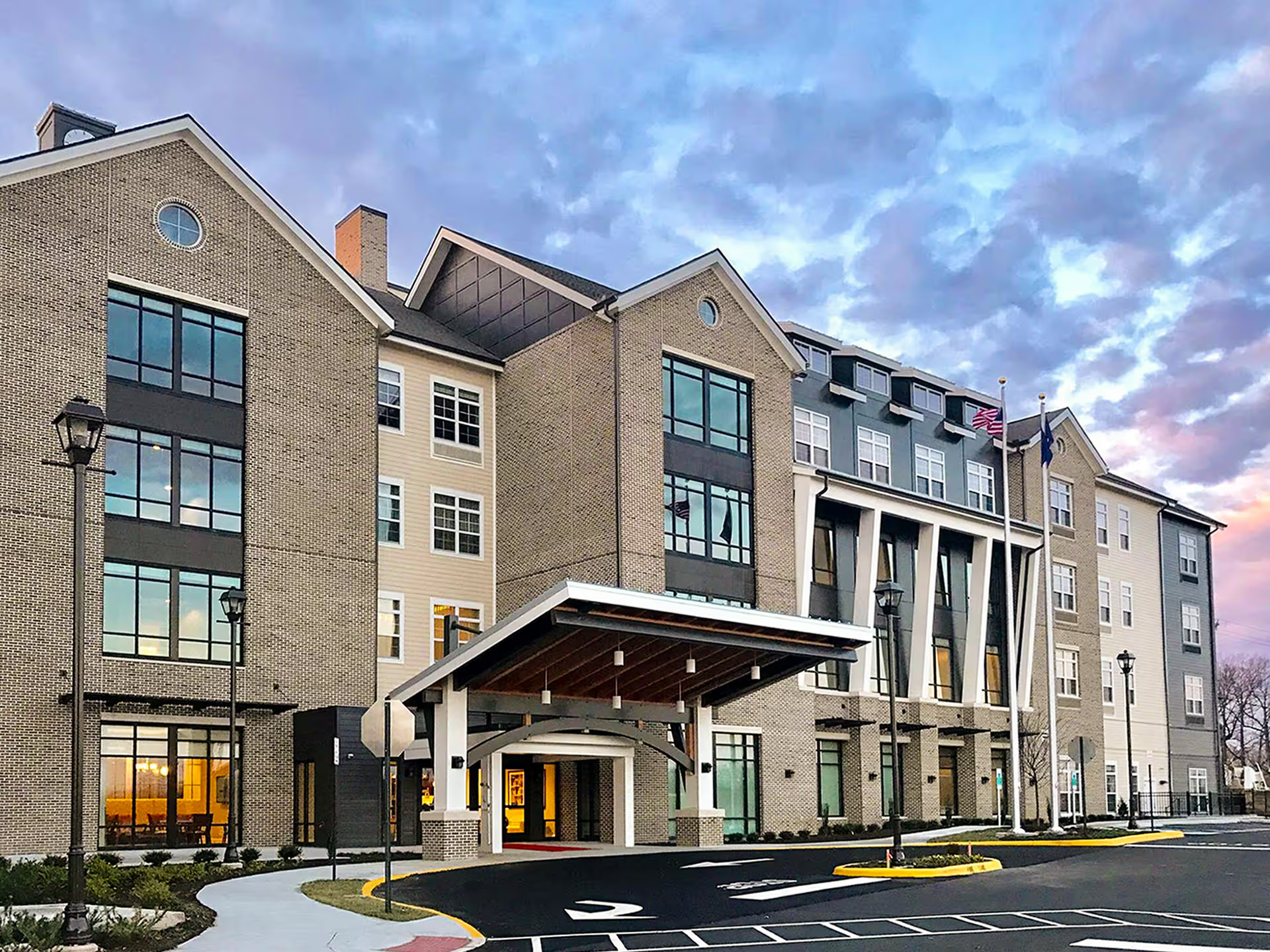
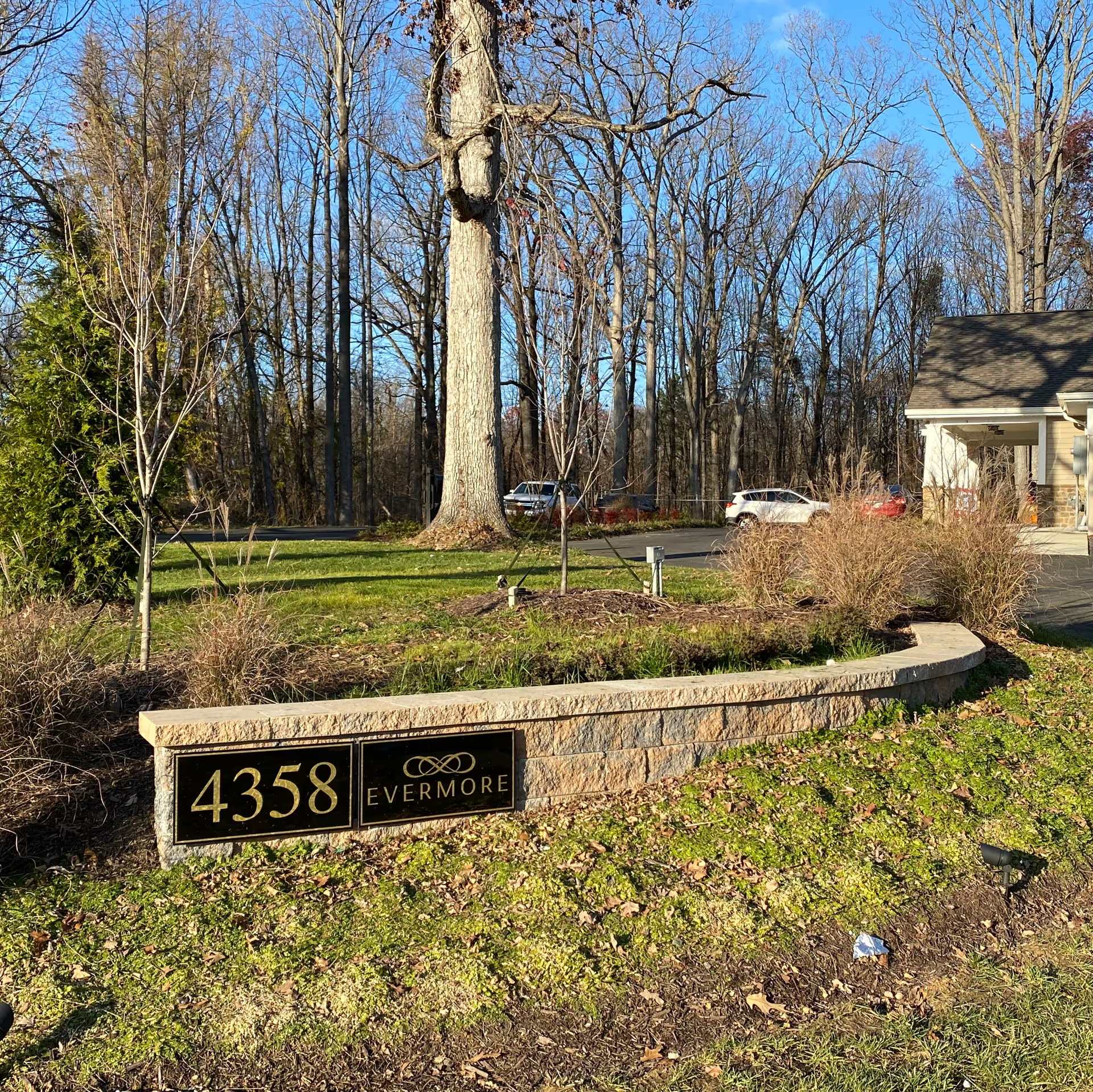
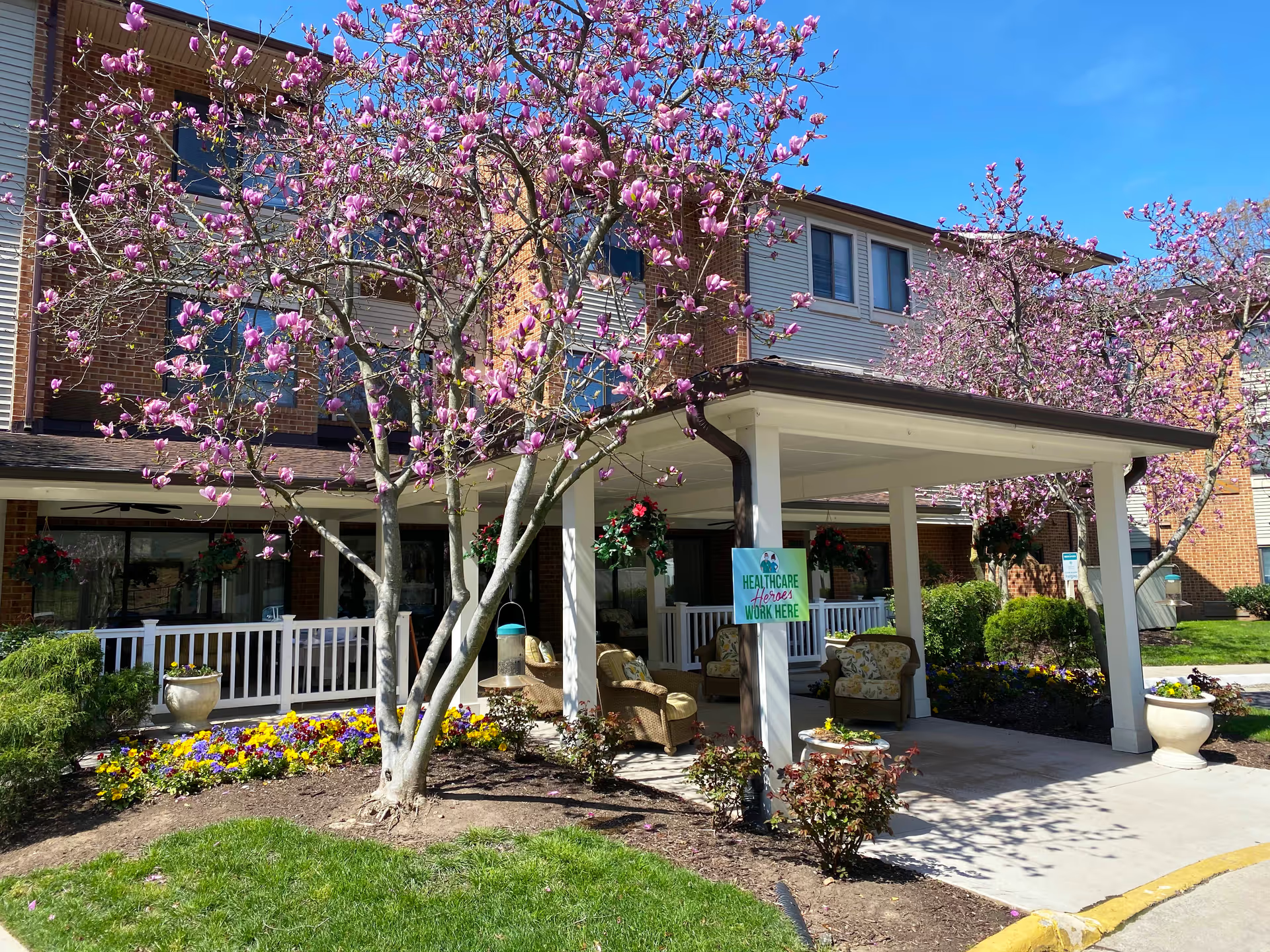
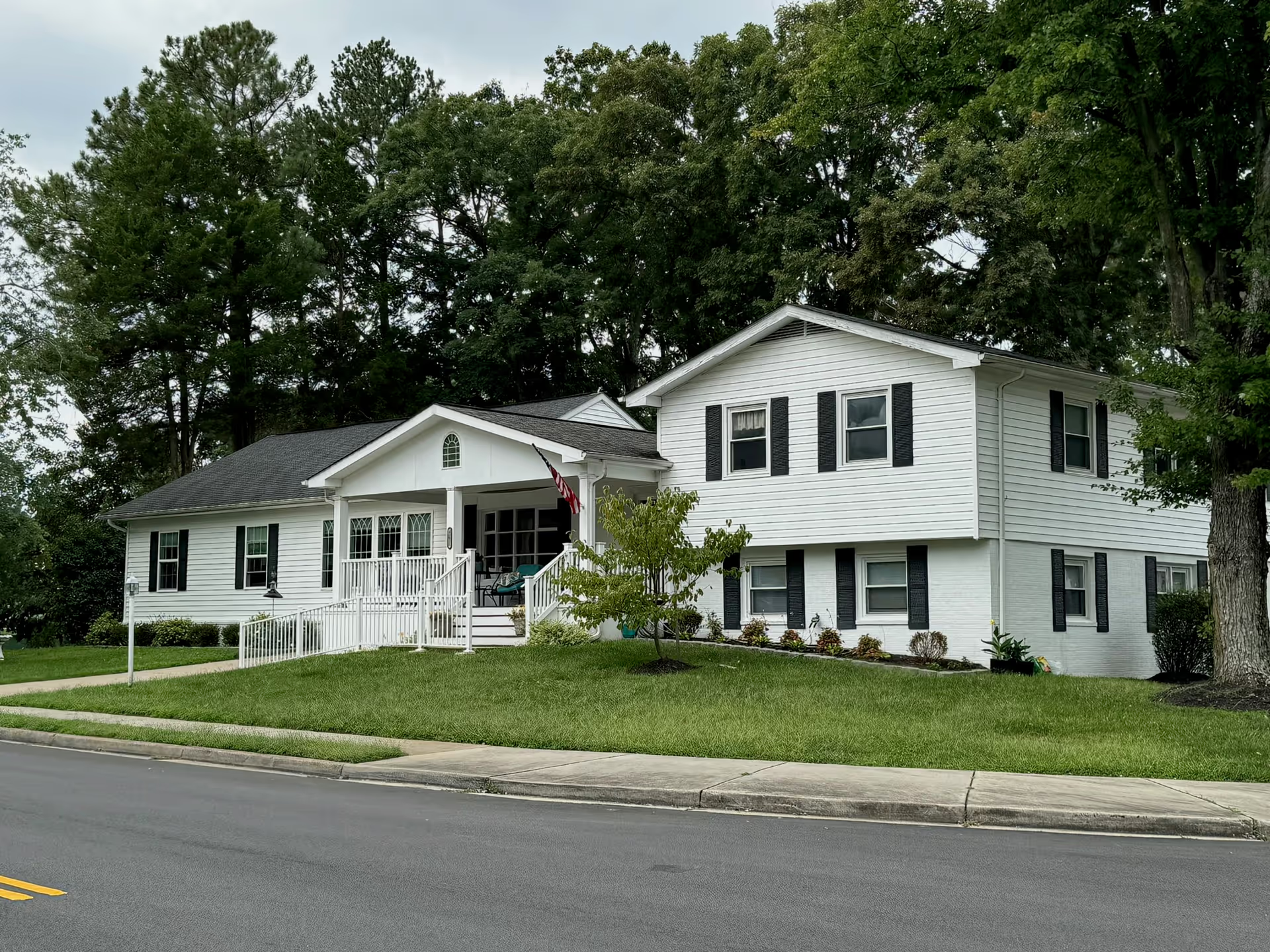
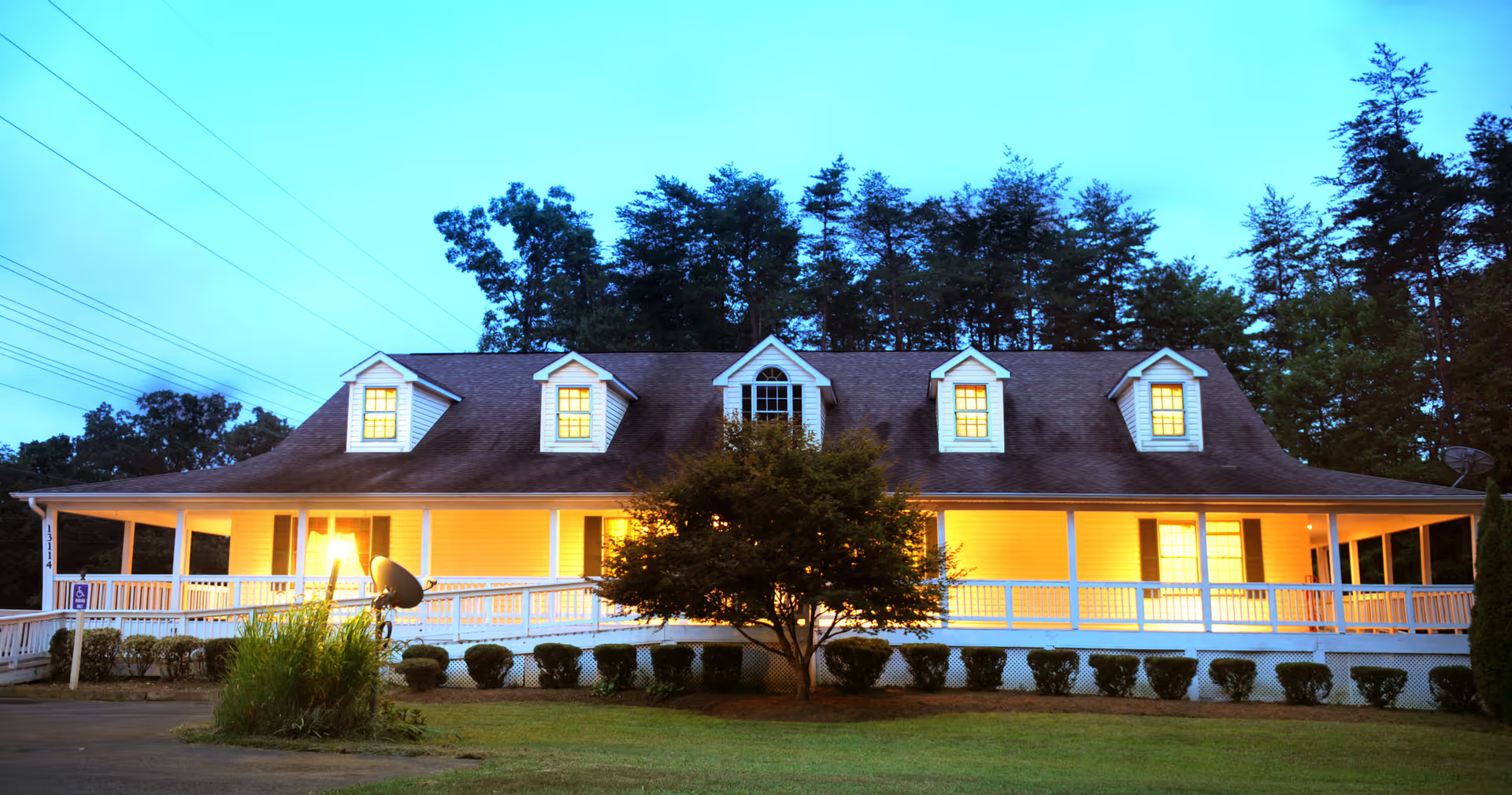
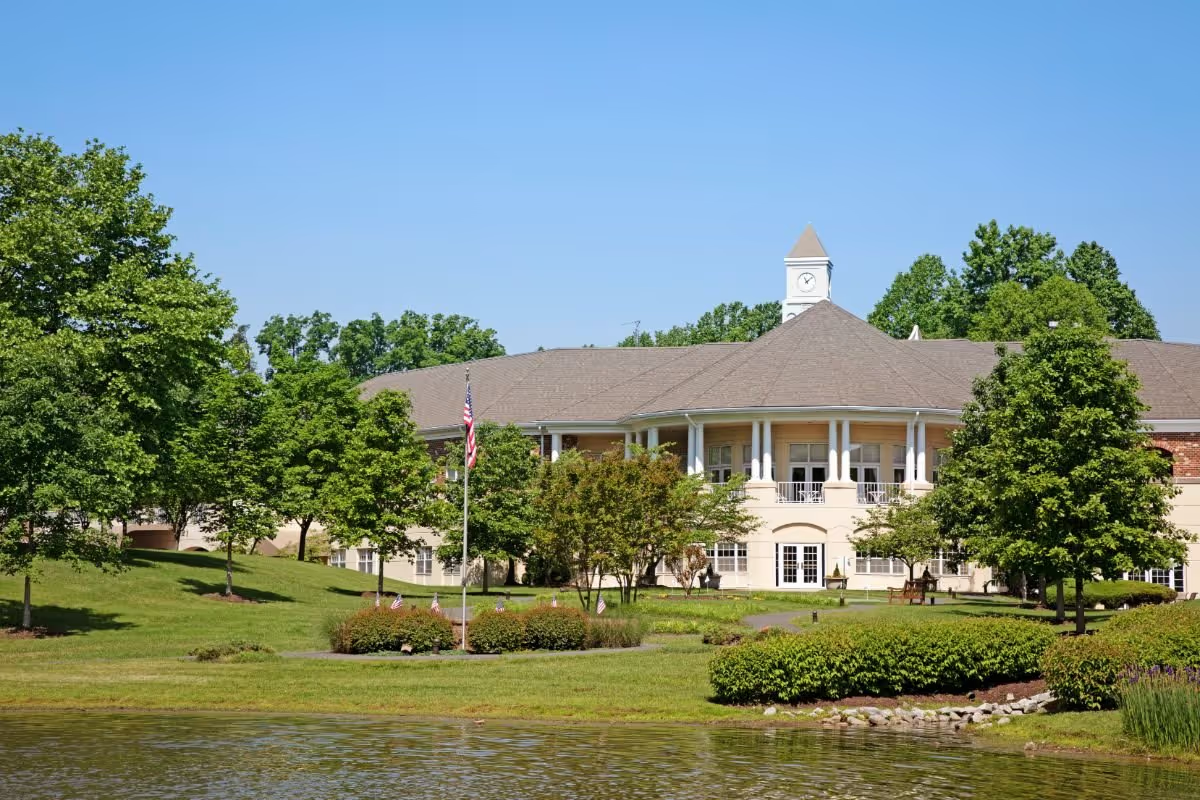
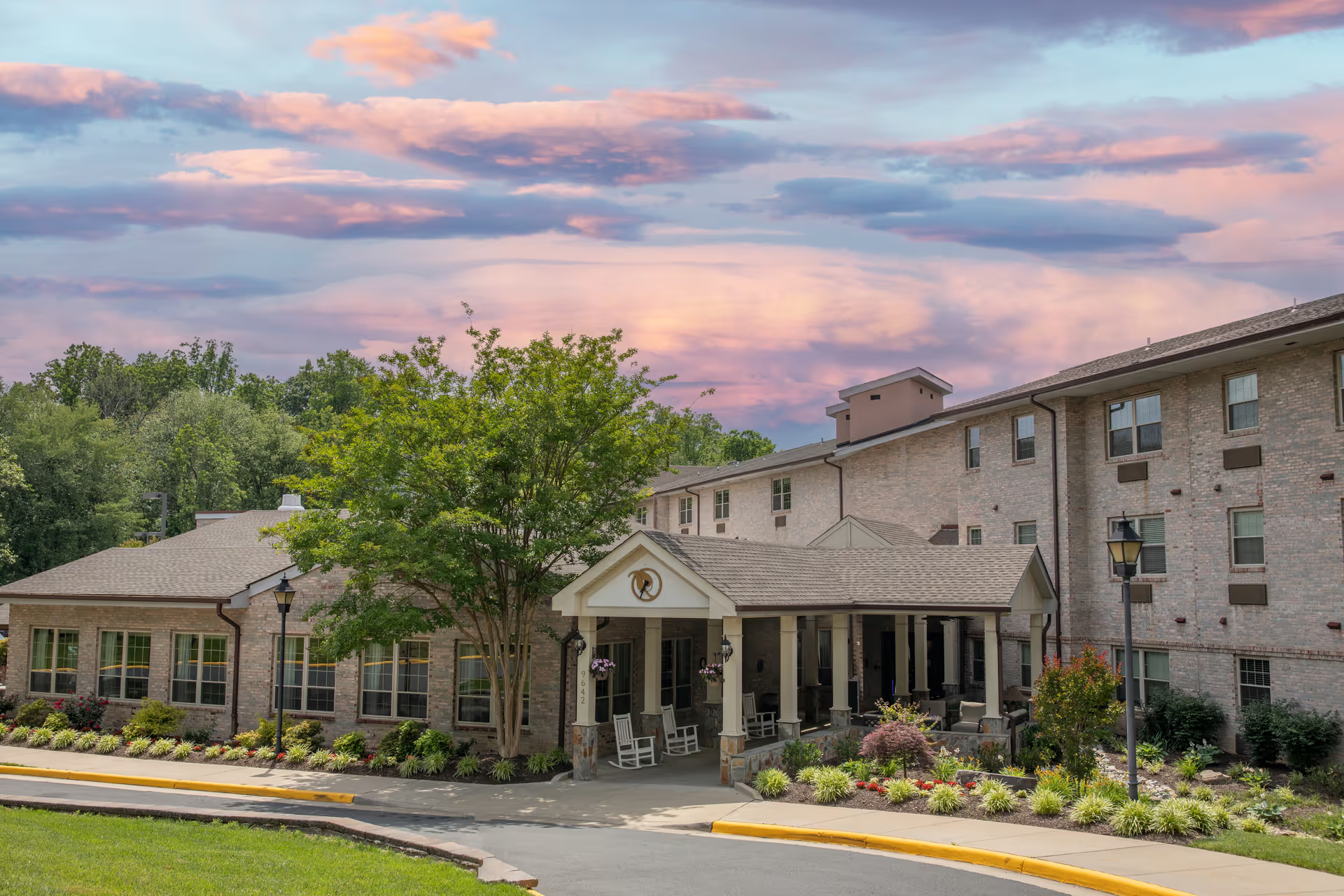
Overall impression: River Run at Prince William Commons presents as an older, moderately maintained senior living community with a social atmosphere. Reviewers emphasize a friendly resident population, approachable staff, and active common-area programming that contribute to a welcoming day-to-day environment. Grounds and interior corridors are frequently described as clean and well kept, and the site offers practical conveniences such as bus access, indoor and outdoor parking, a gym, and casual common spaces with coffee.
Care and staff: Feedback centers on positive interpersonal interactions rather than detailed clinical observations. Staff are commonly described as nice and accessible, and residents appear engaged in activities and social conversation. There is limited specific commentary about clinical or nursing care in the available summaries; the strongest consistent signal is of staff who are personable and a resident community that appears content with social supports.
Dining and apartments: A significant operational pattern is the absence of a formal dining program. Units typically have stoves and residents eat in their own apartments; two-bedroom units in particular were described as having small kitchens and no separate dining area. Prospective residents who prioritize communal meal service should note this layout. Apartment sizes and layouts were otherwise described as spacious and clean in many accounts.
Activities and amenities: The community offers multiple social activities—bingo, card and board games, and other group programs—that residents reportedly enjoy. Additional amenities include a gym and casual lobby spaces. However, reviewers also describe the facility as older, and amenity availability may be more limited compared with newer communities.
Management, admissions, and financial interactions: A recurring concern involves the admissions and billing experience. Summaries point to unclear apartment assignment, delays in compliance or move-in processing, and inconsistent communication from management. There is specific mention of a disputed hold fee that was later refunded after intervention, accompanied by complaints about requests for extensive personal information during intake and feelings of being pressured or taken advantage of. These items suggest that admissions, fee policies, and communication protocols may be areas for prospective residents to clarify in writing before committing.
Notable patterns and recommendations: Strengths include a sociable resident community, approachable staff, clean grounds, and convenient location. Weaknesses center on administrative transparency and dining configuration. Prospective residents and families should request written explanations of admission steps, a detailed fee schedule and refund policy, a list of required documents, and confirmation of available amenities and dining options. An in-person visit during a meal or activity period will help verify day-to-day operations and the match between unit layouts and personal needs.