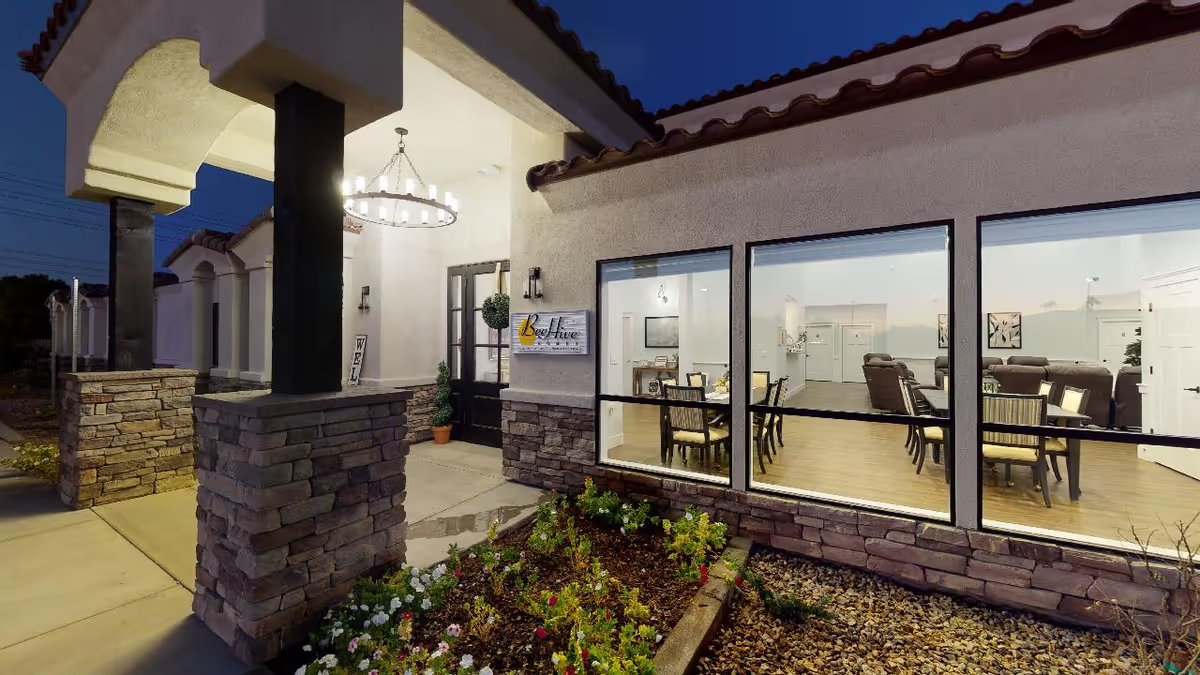
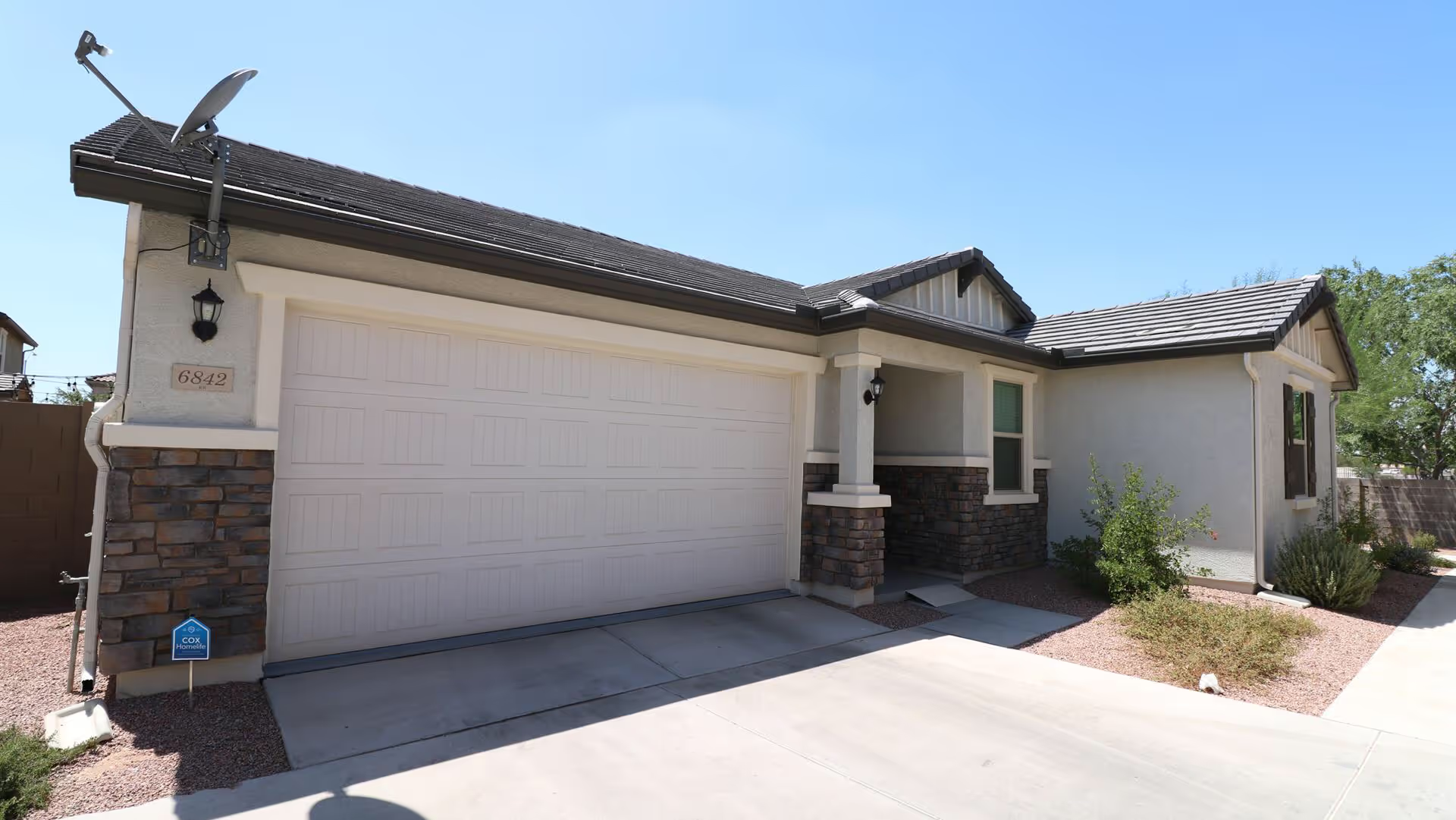
Silver Creek Inn Memory Care receives substantial positive feedback around its physical environment, staffing model, and program offerings. Reviewers frequently highlight a clean, modern, and upscale facility with home-like decor, spacious rooms, attractive common areas and secure outdoor spaces. The site’s design elements for memory care — picture-labeled doors, monitored wandering areas, and a generally secure layout — are repeatedly noted as supportive for residents with cognitive impairment. Many families value the brand-new building and the on-site amenities such as salon services, patios, and an on-site chef who facilitates meal customization.
Clinical and caregiving strengths are prominent in many accounts. The presence of licensed nursing coverage around the clock, dementia-focused staff practices, and a large number of reports praising compassionate, patient caregivers create a baseline of clinical confidence for many families. Staff are often described as attentive, proactive in creating personalized care plans, and communicative through regular photo updates and check-ins. Several reviewers emphasized successful admissions transitions, effective hospice support and end-of-life accommodations, and a generally family-like culture promoted by engaged leadership.
Dining and activities are overall strengths: meals receive positive comments for taste and customization, and a proactive activities director runs a variety of daily programs, group outings and bus trips. These opportunities for social engagement and purposeful activity are commonly credited with improving residents’ quality of life and mood. That said, there is also feedback indicating variability—some families desire more frequent fresh-air outings and greater consistency in activity schedules.
Operational patterns that prospective families should weigh include staffing and training consistency, medication and clinical controls, and occasional service variability. A number of reviews describe intermittent understaffing or CNA shortages that can translate into slower response times and uneven assistance with grooming or personal care. Related concerns include variability in dementia-specific training and a small set of reports identifying medication-management and skin-integrity follow-up issues. While these accounts represent a minority relative to the large volume of positive comments, they point to operational areas where performance appears uneven.
Other practical considerations include pricing and rooming options. The community is often characterized as higher-end and correspondingly more expensive, with add-on fees cited by some families; private rooms are sometimes limited. A few reviewers noted navigation challenges for residents who struggle with long or narrow corridors. Management and administrative experiences are mixed: many families praise involved leadership and strong communication, while others cite turnover or uneven follow-up during particular incidents.
In sum, Silver Creek Inn Memory Care presents as a well-appointed, clinically supported memory-care community with strong caregiver engagement, robust activity programming, and favorable dining features. These strengths are tempered by intermittent operational weaknesses — chiefly staffing consistency, dementia-specific training variability, and occasional clinical-management gaps — that warrant direct discussion during a visit. Prospective residents and families should tour the community, ask specific questions about staffing ratios, training protocols for dementia care, medication and wound-care oversight, visitation policies, and private-room availability, and request recent regulatory reports and examples of routine communication to assess fit for an individual’s needs.