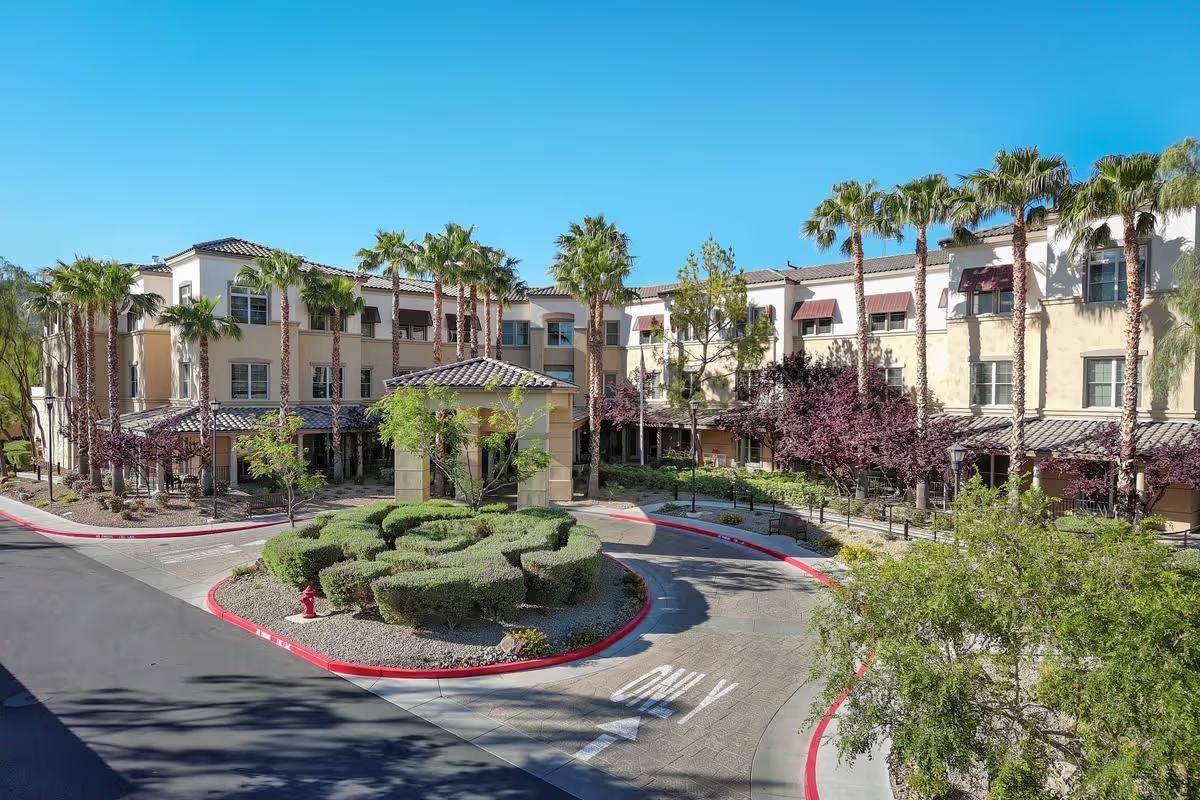
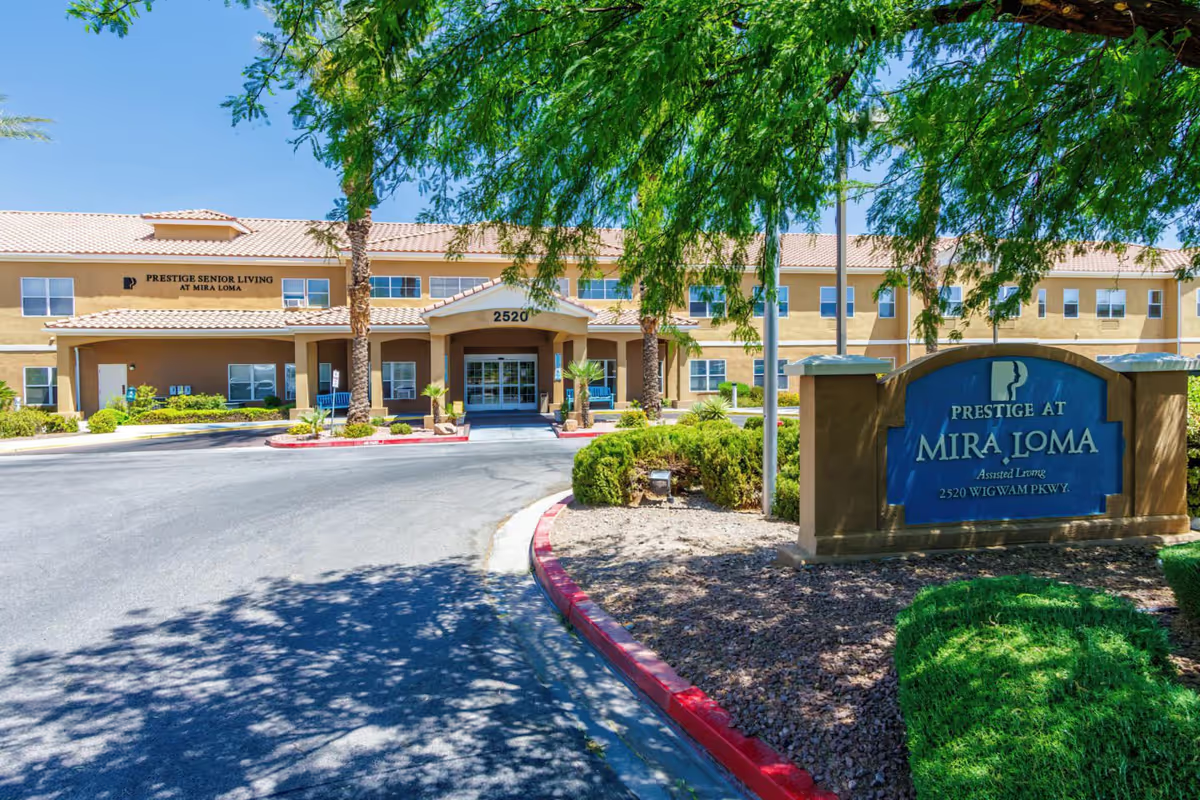
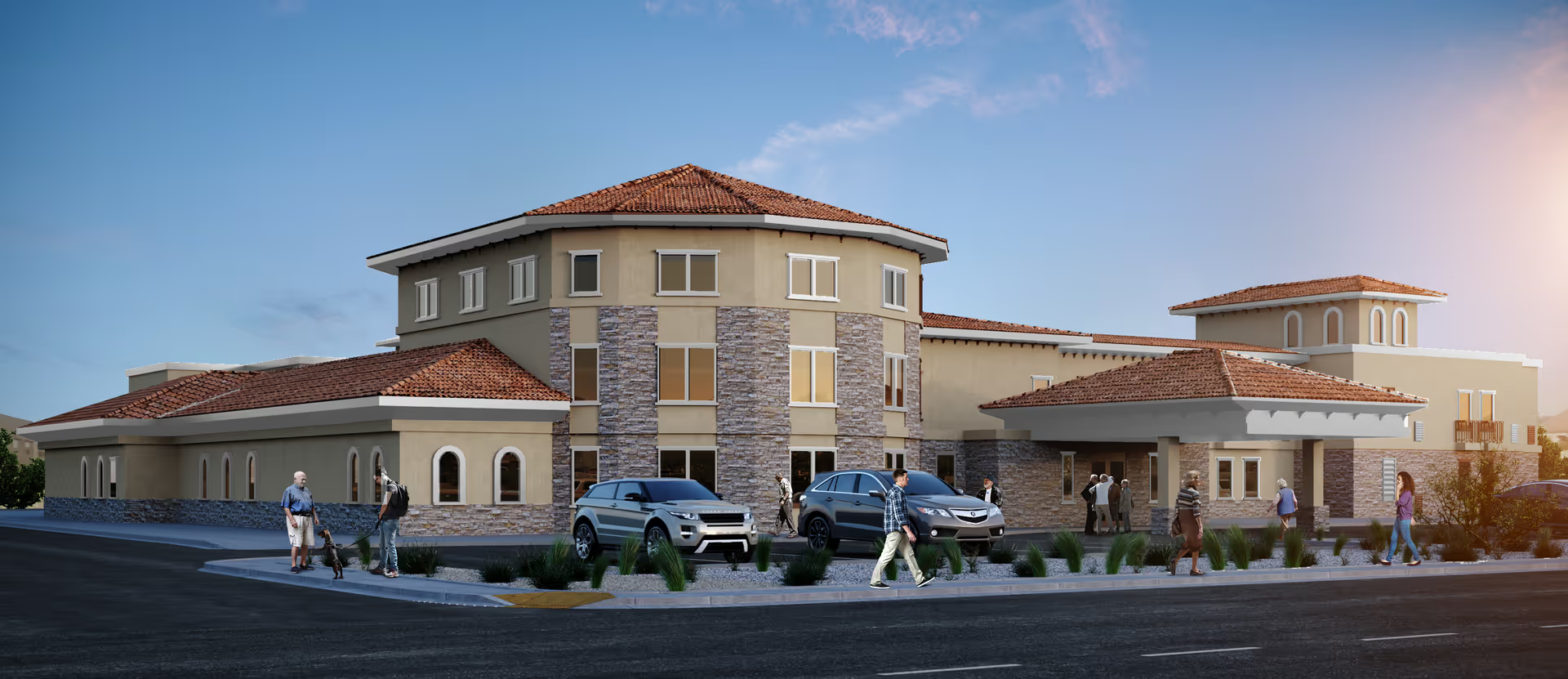
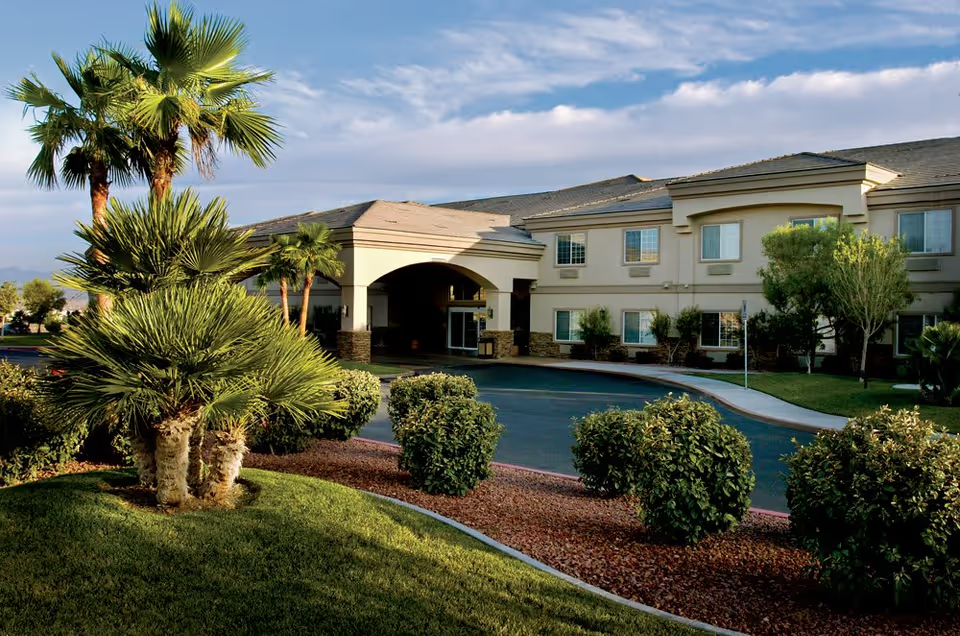
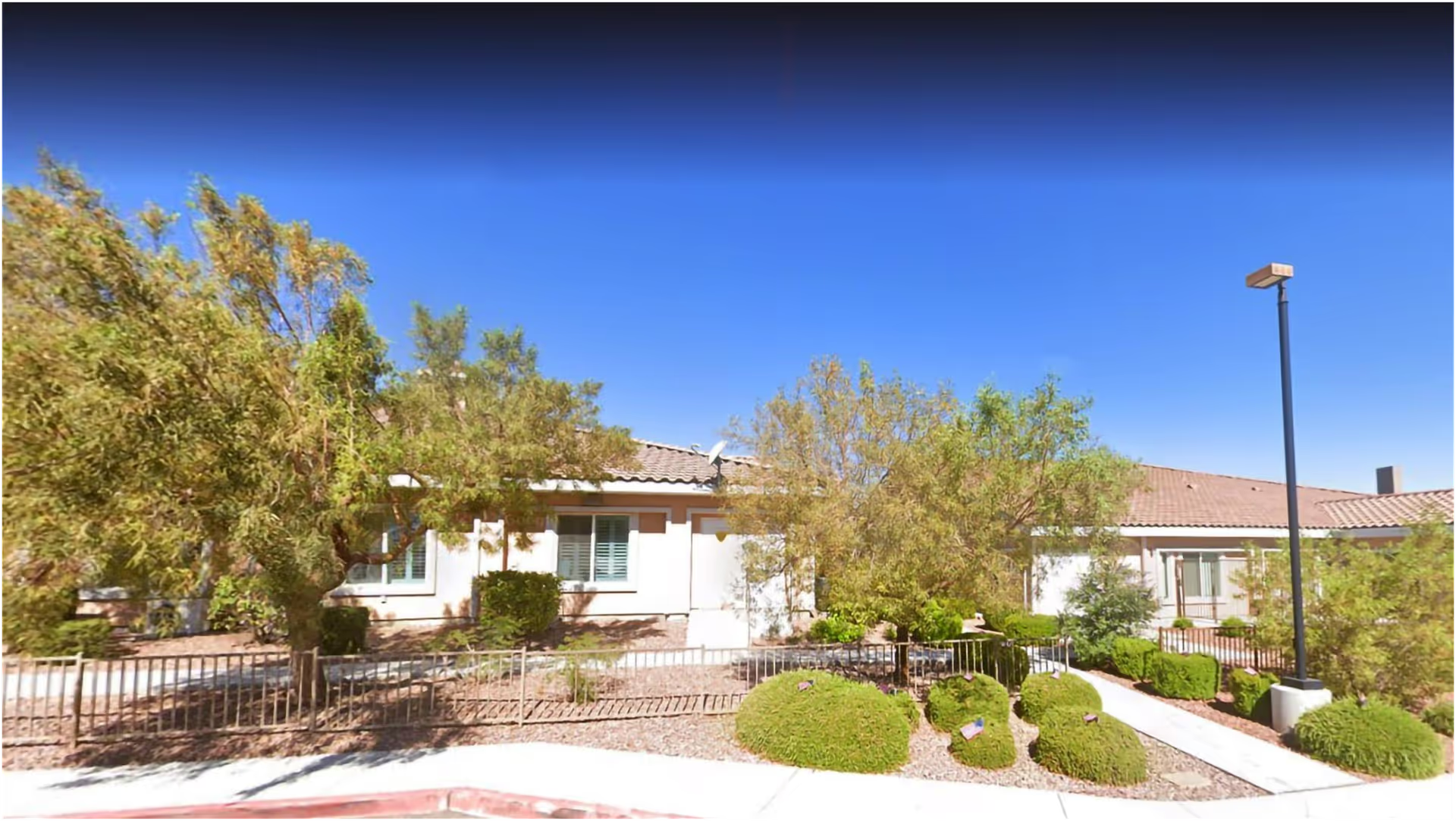
The collected reviews portray a facility with notable strengths in staffing, environment, and programming, alongside persistent operational challenges that have affected some residents' experiences. Many families highlight compassionate, attentive caregivers, engaged nurses and med‑techs, and leadership that communicates well and advocates for residents. The physical plant is frequently described as new, attractive, and well maintained in public areas, with spacious rooms and accessible bathrooms. For families prioritizing activities and social programming, the community offers a robust schedule—daily activities, regular musical entertainment, and weekly outings are commonly mentioned and contribute to a home‑like atmosphere, especially in memory care.
Care quality perceptions are mixed. Several reviewers describe responsive, knowledgeable staff who develop familiarity with residents' needs and adapt care over time. At the same time, a pattern of staffing instability and turnover is evident; this has been linked in multiple accounts to inconsistent training, periods of understaffing, and delays in routine checks or incident response. Specific operational themes include delayed rounds or slow attention after events, inconsistent assistance with meals for residents who require feeding help, and gaps in medication-management documentation. These issues suggest variability in clinical reliability depending on staffing levels and staff experience.
Dining and housekeeping receive both praise and criticism. Some reviewers commend recent culinary improvements and a positive dining program under a new chef, while others describe institutional-style food and inconsistent assistance in the dining room. Cleanliness is similarly mixed: common areas are often described as spotless and well decorated, but several accounts note irregular room‑level cleaning, odor concerns in some areas, and inconsistent laundry or trash pickup. Maintenance and grounds work generally receive positive comments when present and proactive.
Activities and family engagement are strengths. Reviewers frequently note active, varied programming, live music, and outings that engage residents socially; some families also cite helpful family‑liaison roles (Family Ambassador/concierge) that facilitate video calls and timely communication. Memory‑care residents and families often describe the environment as comfortable and familiar.
Management and corporate issues are a recurring pattern. Multiple reviews reference ownership or management transitions that coincided with increased turnover and variable quality; however, other reviews indicate improvements after leadership changes. Administrative weaknesses cited include slow corporate responsiveness on billing or refunds, occasional poor follow‑through on family concerns, and intermittent communication lapses. A subset of reviews raises more serious concerns about safety and staff conduct, including delays in care and allegations of mistreatment; these are not the prevailing tone but are significant and warrant further inquiry by prospective families.
In summary, The Monarch at Henderson presents a mix of clear advantages—engaged programming, attractive facilities, and many dedicated staff members—paired with operational vulnerabilities tied to staffing stability, training consistency, and some administrative processes. Prospective residents and families should weigh the facility's strong programming and environment against variability in clinical and housekeeping consistency. Recommended due diligence includes asking about current staffing ratios and turnover, procedures for incident response and medication administration, recent inspection or quality reports, and any recent changes under new ownership or management to confirm whether cited improvements have been sustained.