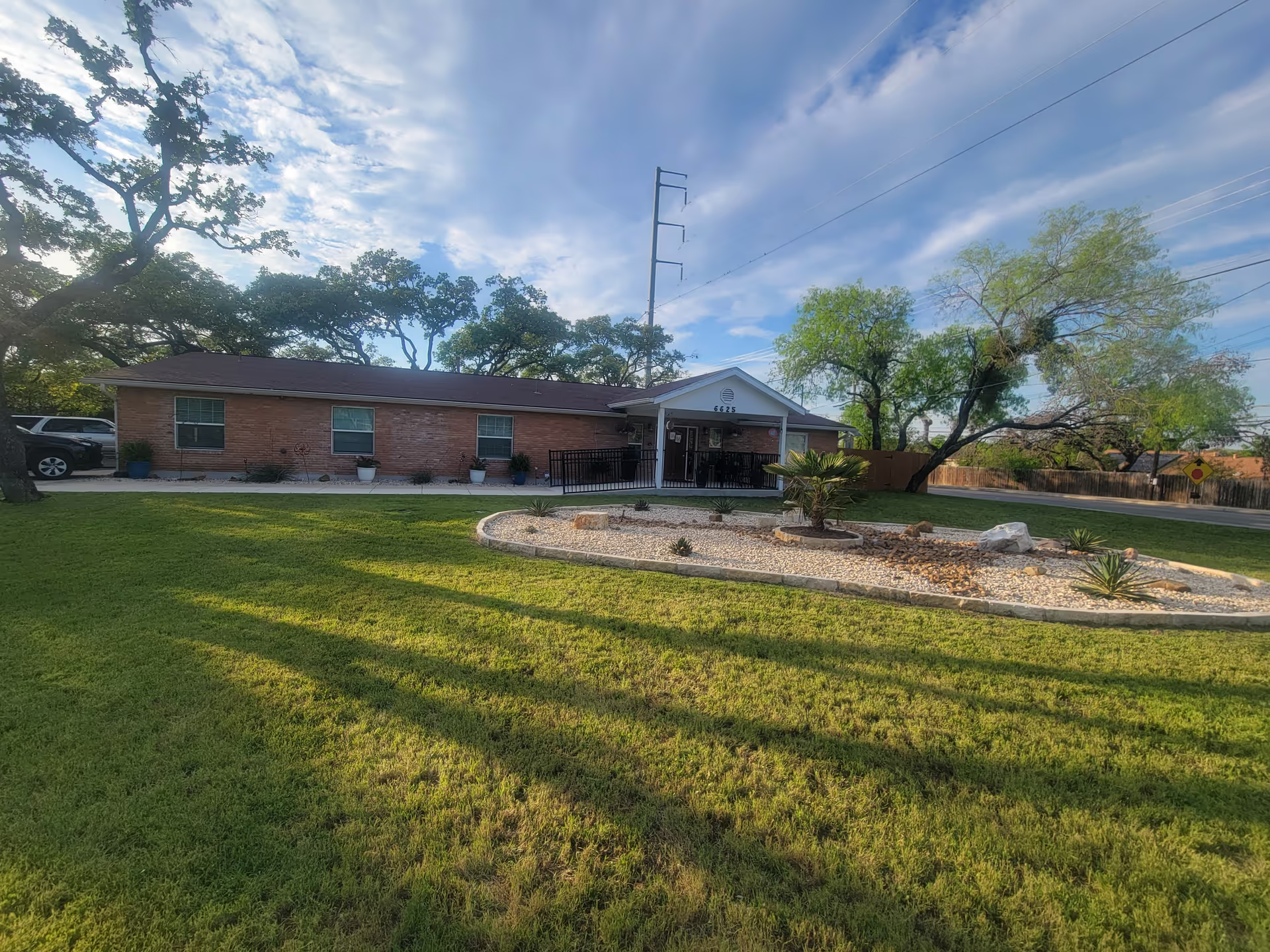
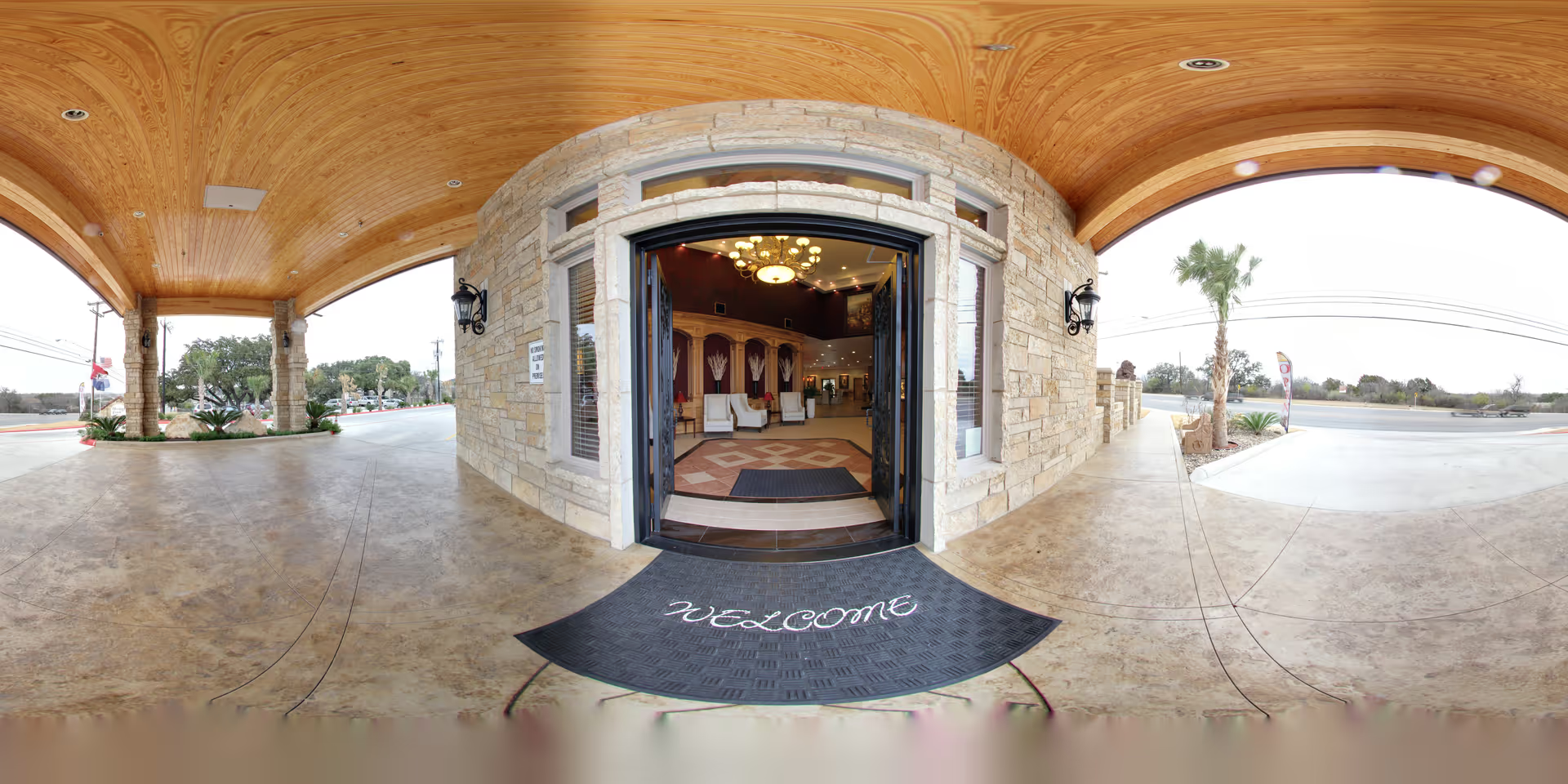
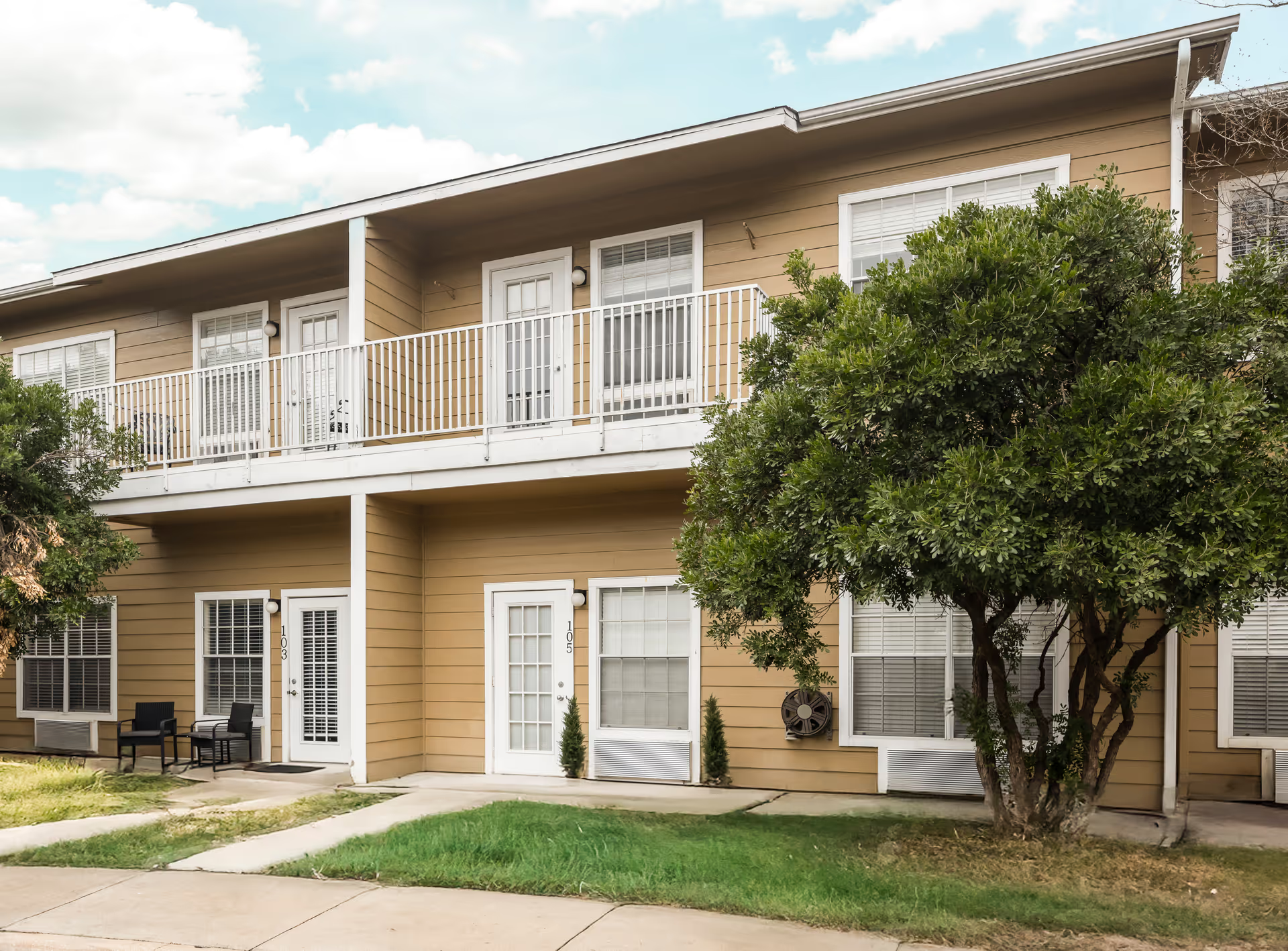
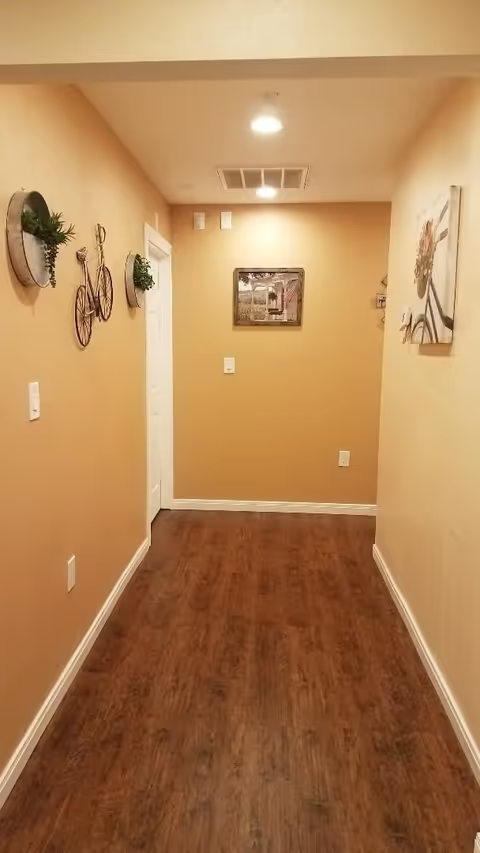
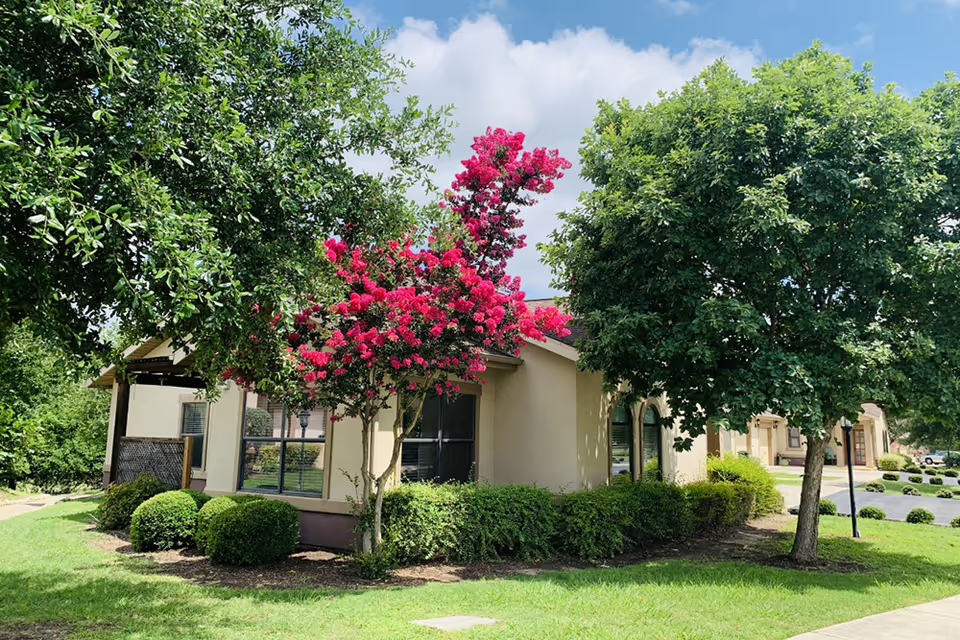
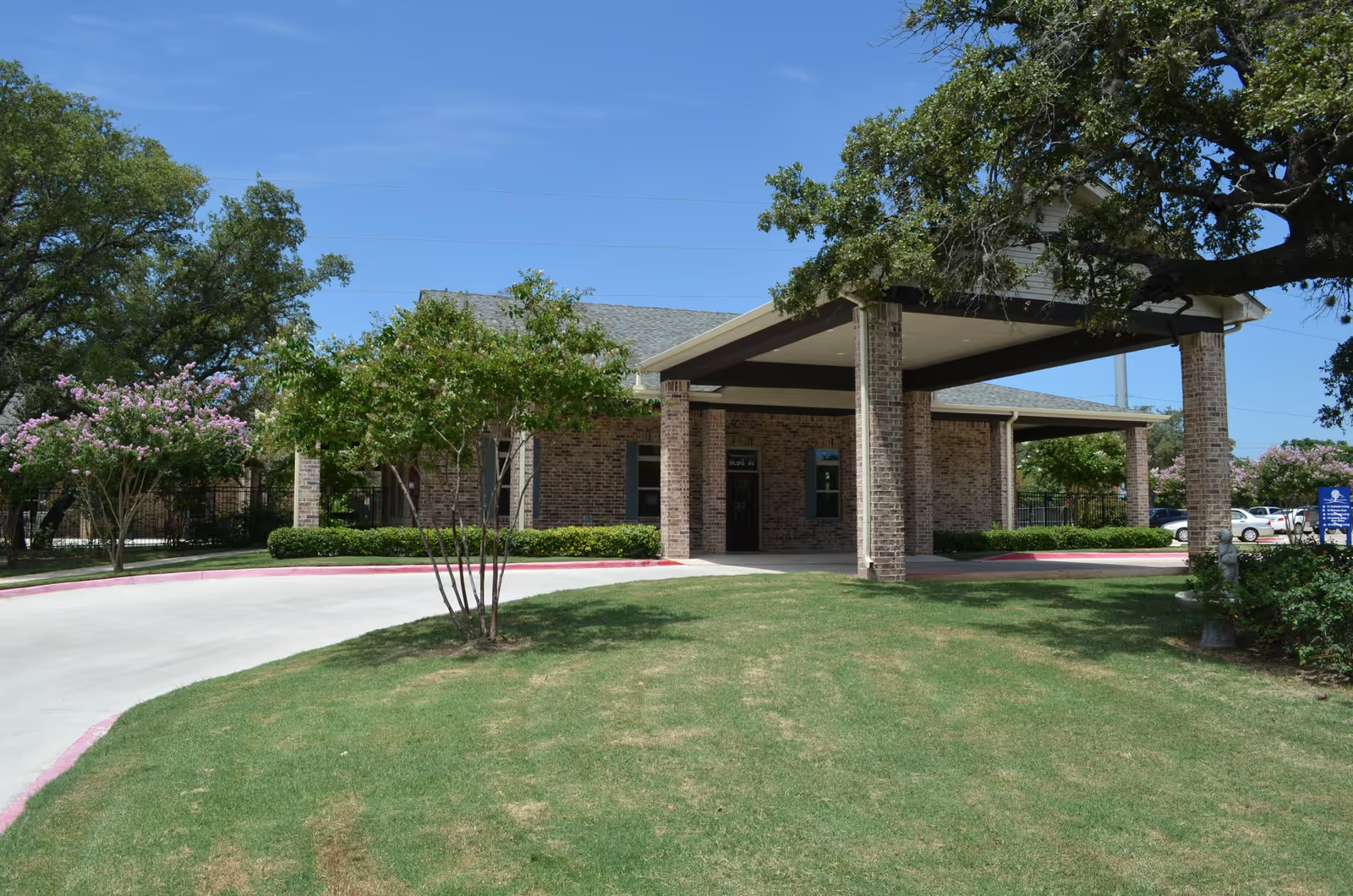
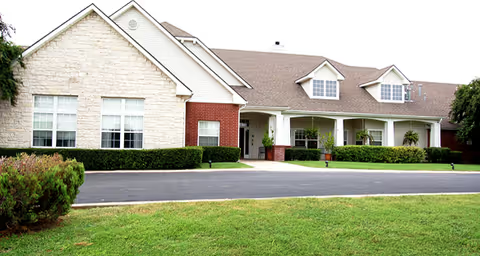
Primrose Lane presents as a small, well-maintained adult day program with a clear emphasis on memory-care services. Reviewers commonly praise the facility's specialization in Alzheimer's and dementia care, the presence of on-site nursing, and owners/leadership with experience in memory support. The size and layout are often described as enabling more individualized attention; families highlight a bright, cheery environment, a hotel-like lobby, nap and shower rooms, and generally strong cleanliness and upkeep.
Care quality and staff behavior are described in largely positive terms: caregiving personnel are characterized as warm, personable, and attentive, and families report improvements in engagement, eating, and socialization for enrolled participants. The program offers medication and insulin administration support and daily communication to families, which many find reassuring. Bilingual staff are available to serve Spanish-dominant clients, and reviewers noted the owners and on-site nurse as helpful resources for clinical concerns.
Dining and clinical support are consistent strengths in the reviews: Primrose Lane provides breakfast, lunch and snacks with accommodations for special diets and reported support for medication and insulin administration. Activities programming is broad and structured for cognitive stimulation — examples include arts and crafts, music therapy, memory games, exercise classes, singing, weekly church services and bible study, and other social entertainment. Families emphasize the value of regular, varied programming in maintaining residents' mental and social engagement.
Despite these positives, several operational concerns recur across the feedback. A subset of reviewers raised concerns about medication management controls, including specific anxieties about particular medications, which points to a need for clearer medication administration policies and documentation. Staffing levels were described as inconsistent at times, producing coverage gaps; this aligns with comments about variability in how dementia care is delivered across different shifts. Management and communication practices were also highlighted as uneven — while some families praised the owners and nurse, others described instances of what they perceived as unprofessional or overbearing communication from leadership.
Other noteworthy patterns include frustrations with discharge and transition processes; reviewers mentioned abrupt or poorly communicated discharge experiences, suggesting the facility's transition and family-notification procedures may need strengthening. In a small number of serious comments, there were allegations of financial mishandling linked to resident funds, which prospective families should treat as a high-priority inquiry during tours and contract review.
For families considering Primrose Lane, the facility's dementia specialization, active programming, and on-site nursing are clear strengths. Prospective families should directly assess operational practices that reviewers flagged: ask about typical staff-to-client ratios and coverage patterns by shift, request written medication administration and documentation policies, review discharge/transition procedures in writing, and verify financial safeguards and billing/authorization practices. A tour that includes a conversation with the on-site nurse and a review of recent staffing plans and care protocols will help clarify whether the program's strengths align with a given individual's needs.