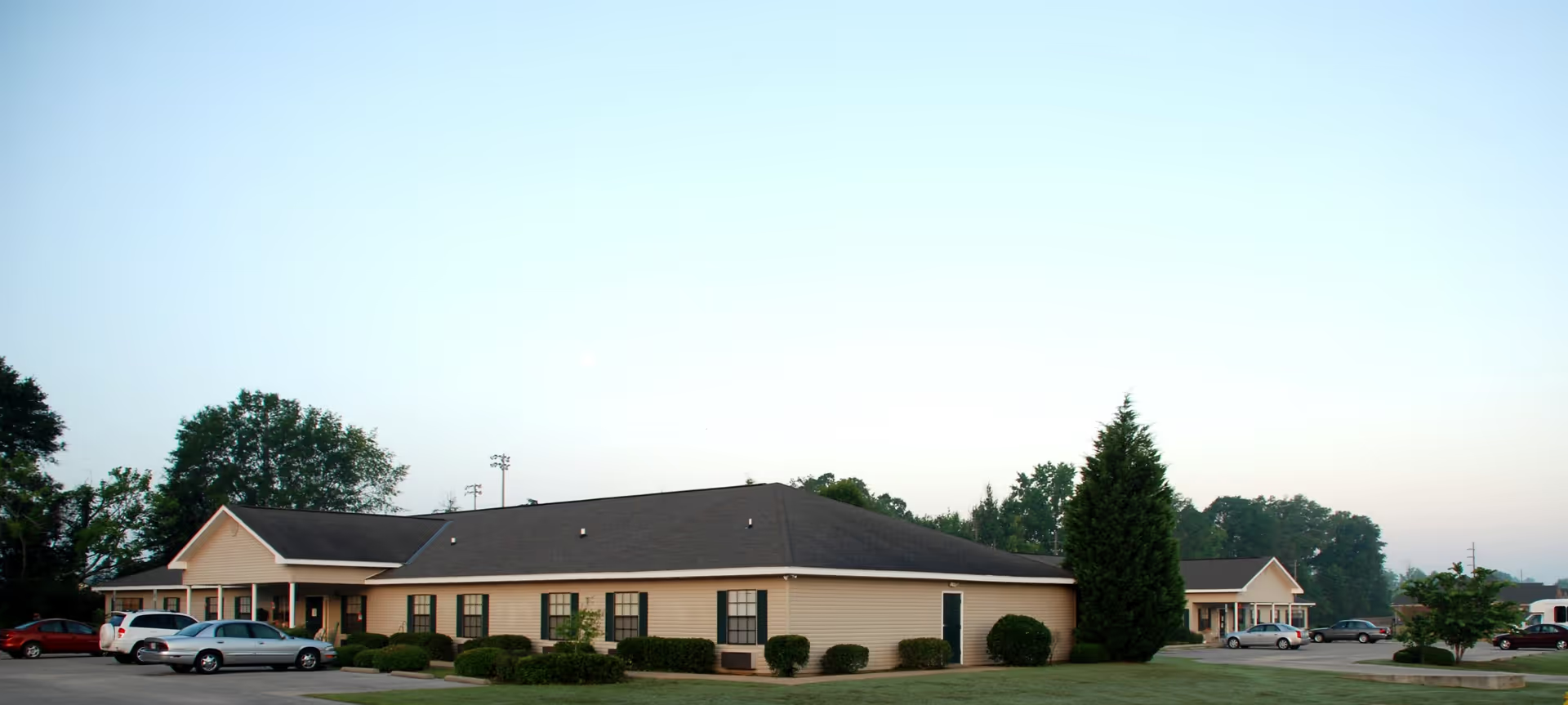
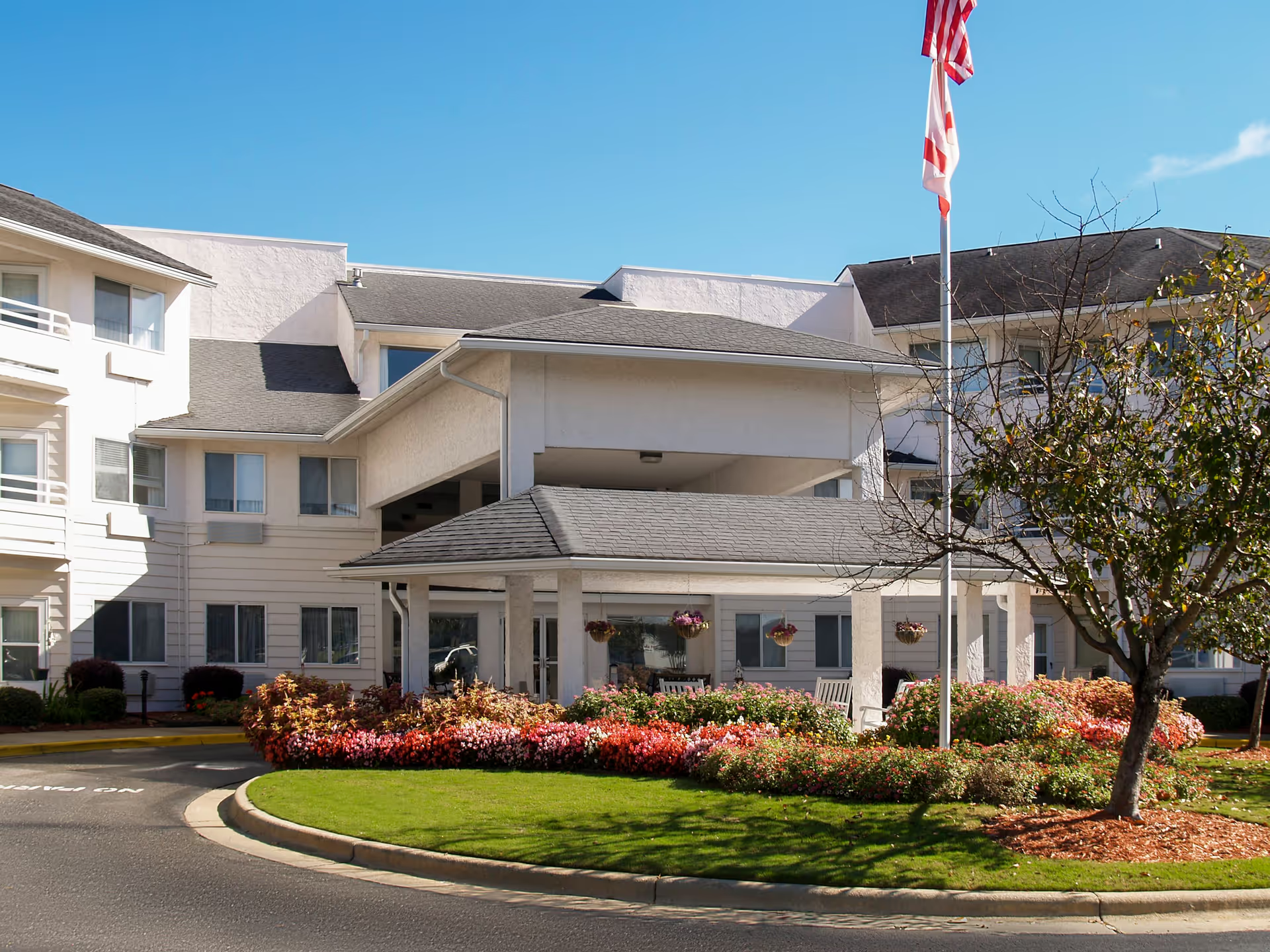
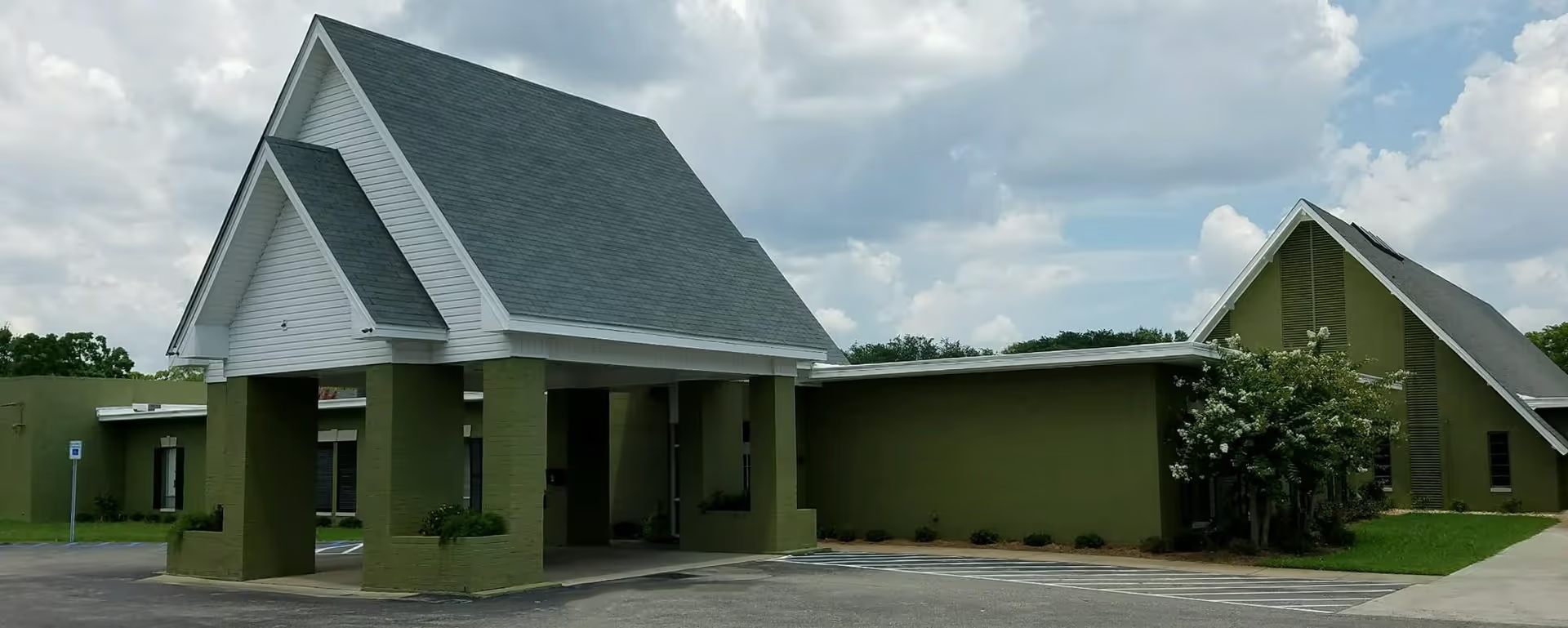
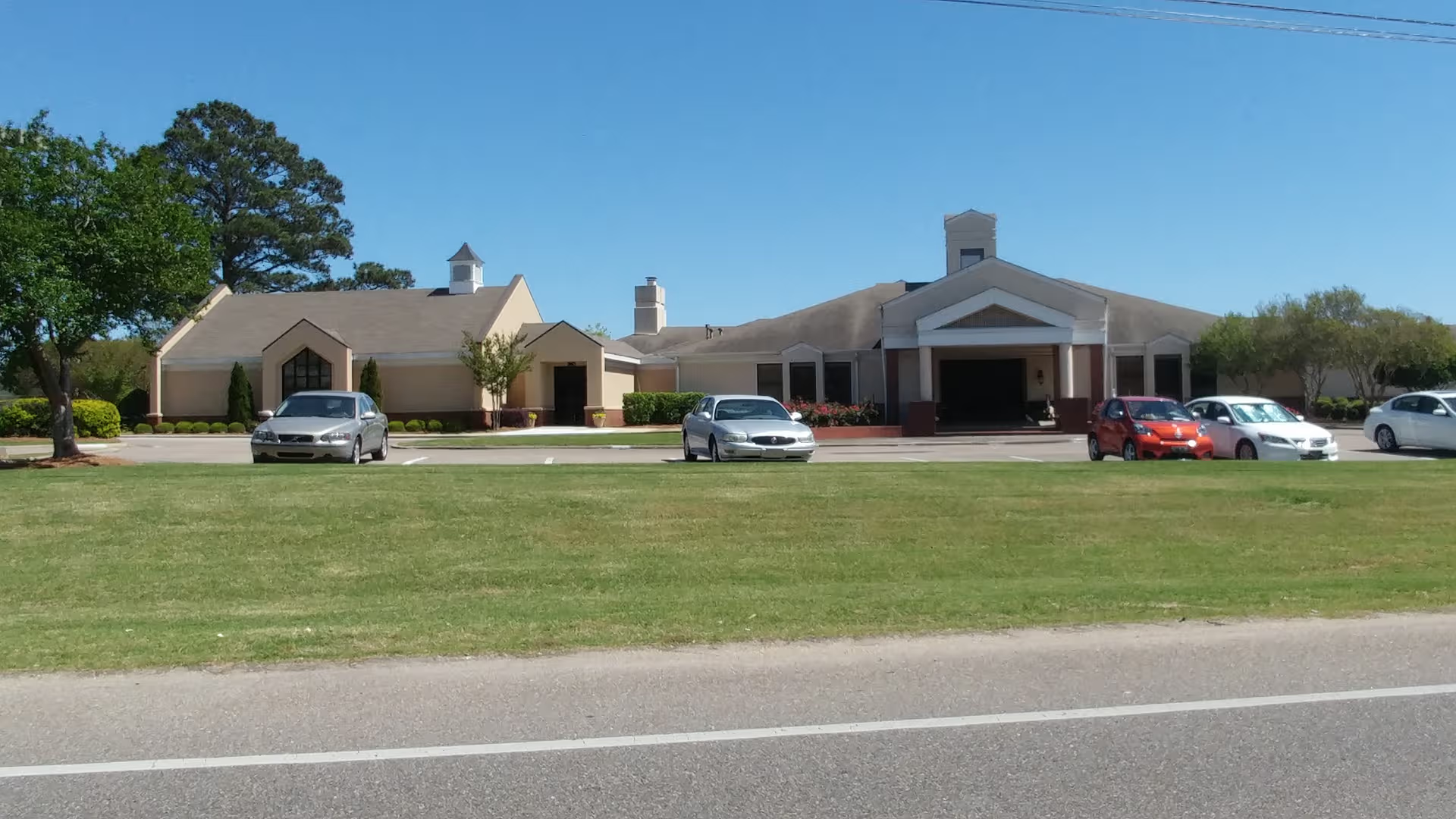
Overall impression: Merry Wood Lodge is frequently described as a small, clean facility with a strong culture of hands-on caregiving. Families and visitors consistently praise individual nurses, CNAs, and specific wound-care clinicians for compassionate and knowledgeable care. The facility’s memory-care unit and small size are seen as strengths for personalized attention; activity programming — including music and frequent recreation — is noted as an active part of daily life. Many reviewers highlighted a welcoming admissions experience, accessible outdoor seating and garden space, and a generally tidy, odor-free interior.
Care quality and clinical concerns: Clinical strengths include attentive wound care and engaged nursing staff who are described as responsive and experienced. However, reviews also reveal operational gaps: medication-administration processes and pharmacy coordination are described as inconsistent, and there are reports of delayed or missed medication timing and limited lab follow-up. Several families identified limited physician engagement and sparse medical follow-up in some cases. There are also recurring statements about gaps in fall-prevention and transfer-safety practices (for example, requests for bed alarms or side rails and concerns about timely assistance), suggesting opportunities to strengthen safety protocols and monitoring.
Staffing, therapy, and rehabilitation: Staff demeanor is repeatedly praised as courteous and compassionate, and therapy services (physical and occupational therapy) are available and effective for many residents. At the same time, some reviewers noted variability in staffing levels or responsiveness that affected rehabilitation proactivity and timely therapy scheduling. Specific mentions include delayed initiation of physical therapy, limited therapist availability impacting mobility and dining access, and instances where staff did not proactively encourage or assist residents during mealtimes or therapy sessions.
Dining and activities: Dining experiences are generally described as positive when staff are attentive — reviewers mention good food and organized dining service. Nevertheless, there are parallel concerns about inconsistent mealtime assistance, residents being left unseated or not moved to the dining room, and access issues for residents who require mobility support. Activities programming, particularly music engagement and frequent recreation, is a clearly stated strength and contributes to a social environment, especially in the memory-care unit.
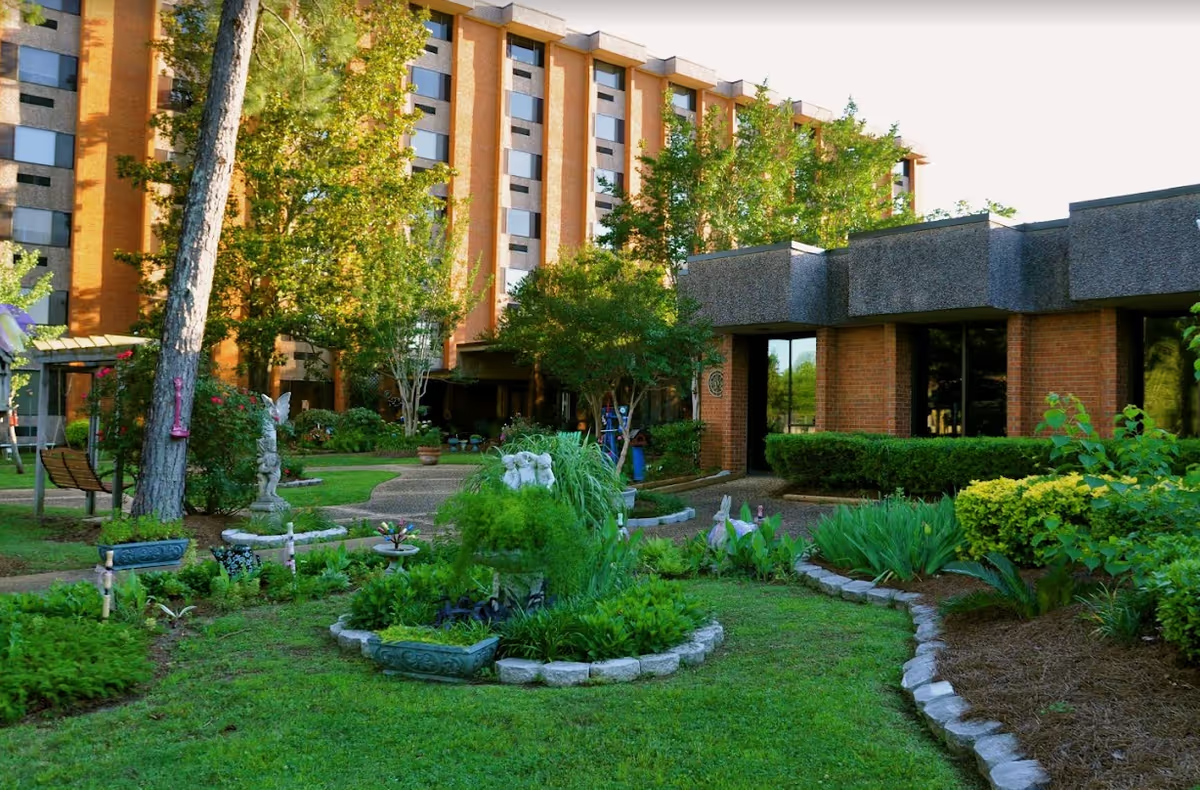
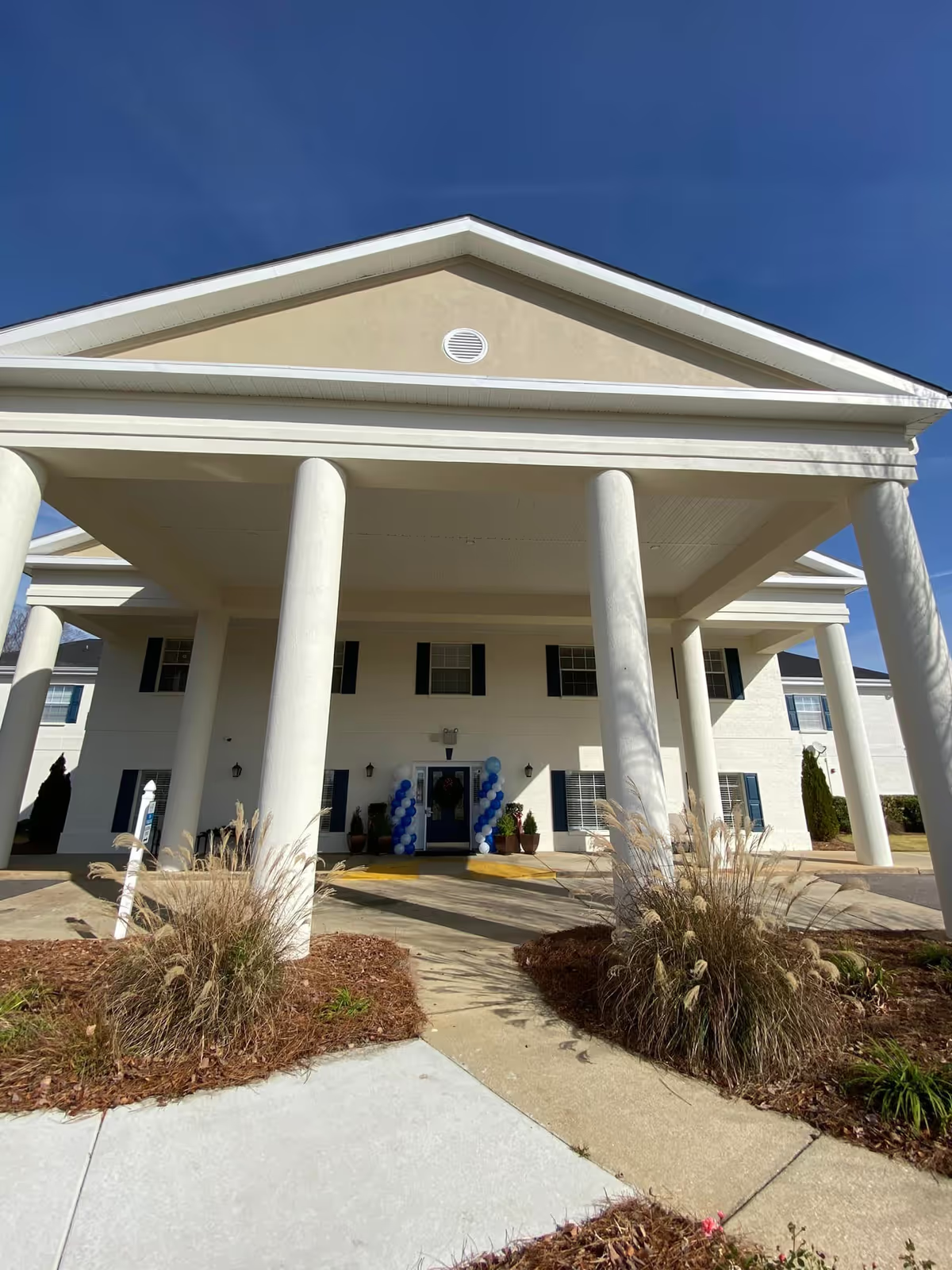
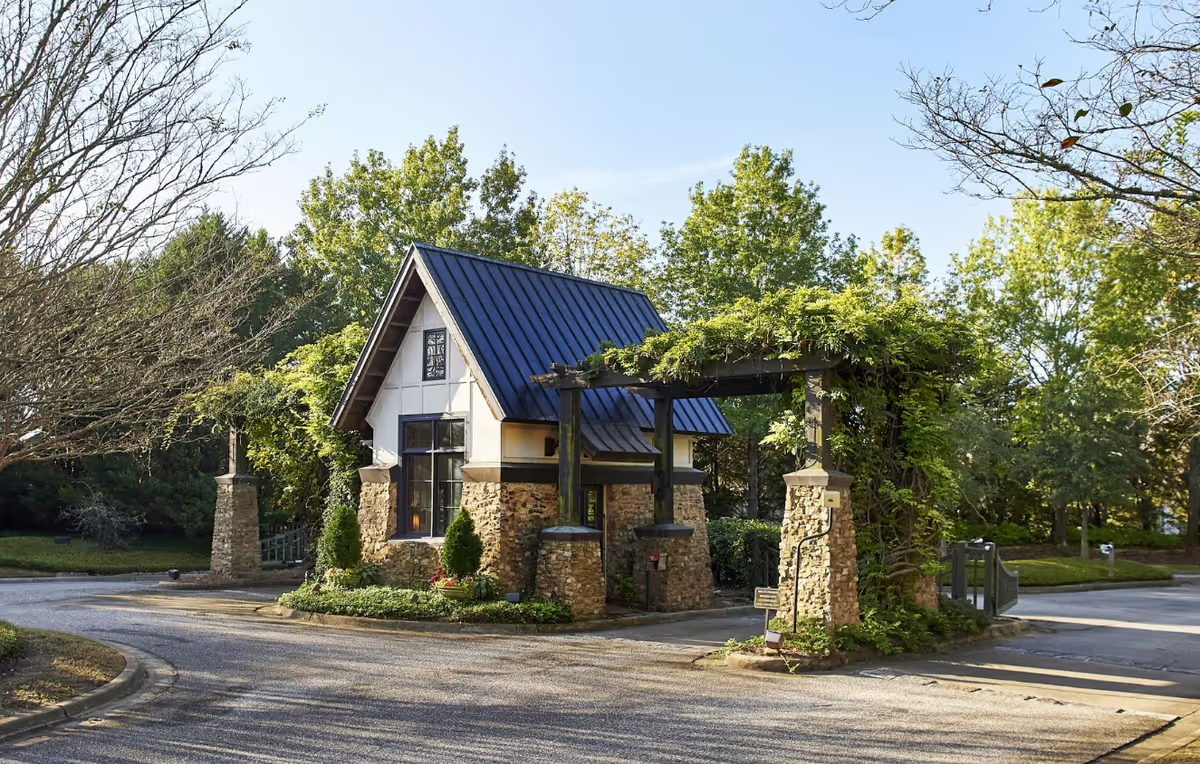
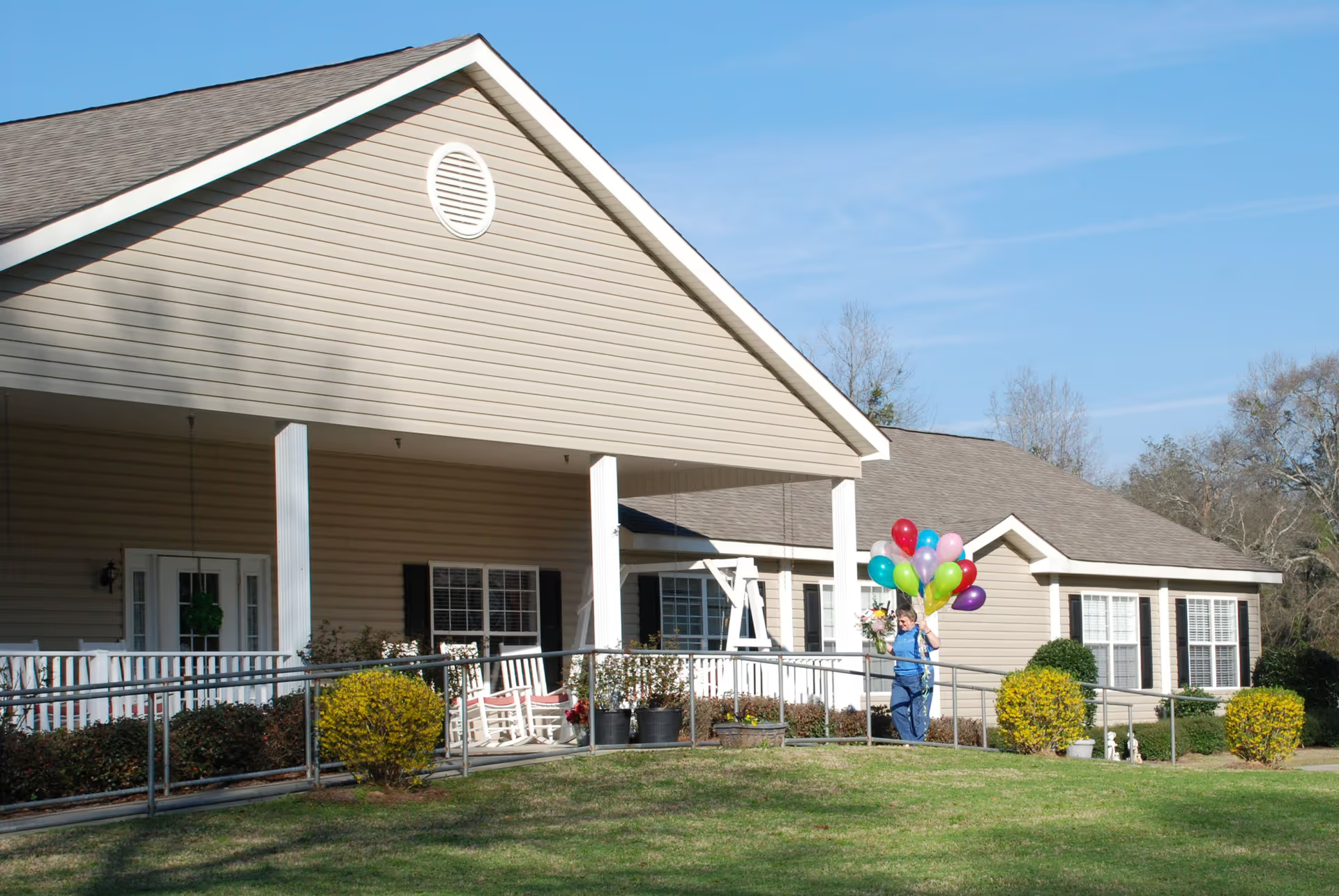
Facilities and environment: The facility is described as clean, well-kept, and small, which many families appreciated for its homelike atmosphere. At the same time, the physical plant is characterized as dated and compact, with limited private rooms despite some advertising for single occupancy; expectations about rooming and privacy should be clarified. Visitors noted pleasant outdoor areas and a large dining/recreation space, but also referenced crowded rooms, limited in-room seating, and occasional hallway crowding for residents.
Management and notable patterns: Administrative staff and intake personnel are commonly described as welcoming and helpful, and many reviewers credited management with creating a family-oriented culture. However, recurring operational themes suggest the facility would benefit from clearer communication and stronger clinical oversight: standardized medication and lab follow-up procedures, more consistent therapy coordination, explicit fall-prevention protocols, and transparent rooming and visitation policies. Separately, there are serious allegations in a small number of accounts regarding coercive medication practices and involuntary psychiatric transfers; these claims are significant and would warrant direct inquiry and documentation by families or regulators.
Bottom line: Merry Wood Lodge appears to deliver compassionate, hands-on care with strengths in wound management, memory-care attention, cleanliness, and activity programming. Prospective residents and families should weigh those strengths against documented operational variability — particularly around medication management, staffing consistency, therapy scheduling, safety practices, and privacy expectations — and confirm specific policies and supports during touring and intake conversations.