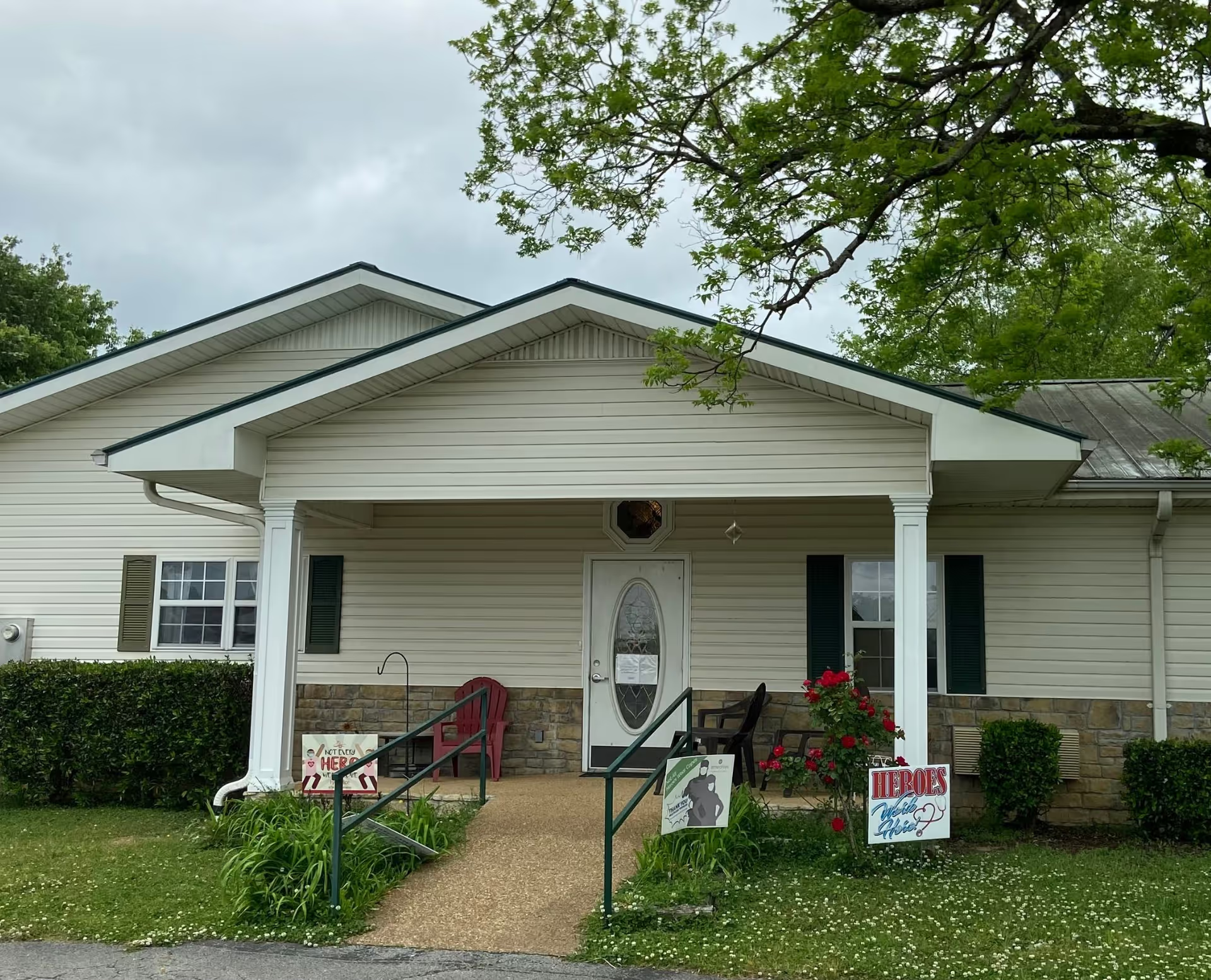
The reviews present a polarized picture of Burns Nursing Home. Many accounts highlight strong, compassionate frontline caregiving, effective rehabilitation services, engaging activities, pleasant dining, and a clean, comfortable physical environment. At the same time, there are serious operational concerns raised by other reviewers that point to inconsistent care and breakdowns in clinical oversight and communication.
Care quality appears to vary by service line and shift. The rehabilitation side is frequently praised for competent therapy staff and positive initial care outcomes. Conversely, some families describe a perceived decline in service when residents transition to long-term care, characterizing this as an operational mismatch between advertised services and ongoing care expectations. Reviewers identify incontinence-care delays and inconsistent personal-care routines as specific areas of concern, alongside variability in overall care quality across units and staffing periods.
Staffing elicits mixed impressions. Many reviewers emphasize kind, attentive CNAs and nurses who create a family-like atmosphere and go beyond expectations to engage residents. Positive notes include engaged activities staff, pet therapy, and respectful staff–resident interactions. However, other accounts describe staff who appear overworked or disengaged, with delayed responses to resident needs. These contrasting reports suggest uneven staffing levels, morale, or training across shifts.
Dining, activities, and facilities are generally viewed positively. Several families describe home-style, well-prepared meals, a pleasant dining atmosphere, active programming that keeps residents engaged, and well-maintained, spacious rooms. The presence of a waitlist for permanent beds indicates community demand and satisfaction among many residents.
Management and clinical oversight are recurring areas of concern. Reviewers cite infrequent physician visits and limited onsite clinical oversight, which can contribute to uneven care. Communication gaps with families and weaknesses in incident notification and follow-up are prominent themes. There is at least one allegation of a serious fall-related complication and a subsequent resident death; whether isolated or systemic, this underscores the need for clear incident-response protocols and timely family communication.
Overall, Burns Nursing Home shows clear strengths in compassionate frontline caregiving, rehab outcomes, activities, dining, and facility upkeep. At the same time, prospective residents and families should investigate operational consistency: ask about physician rounding schedules, staffing levels by shift, personal-care protocols (including incontinence care), incident-response procedures, and how transitions from rehab to long-term care are managed. These targeted questions can help clarify whether the facility’s strong elements are consistently delivered for a specific resident.