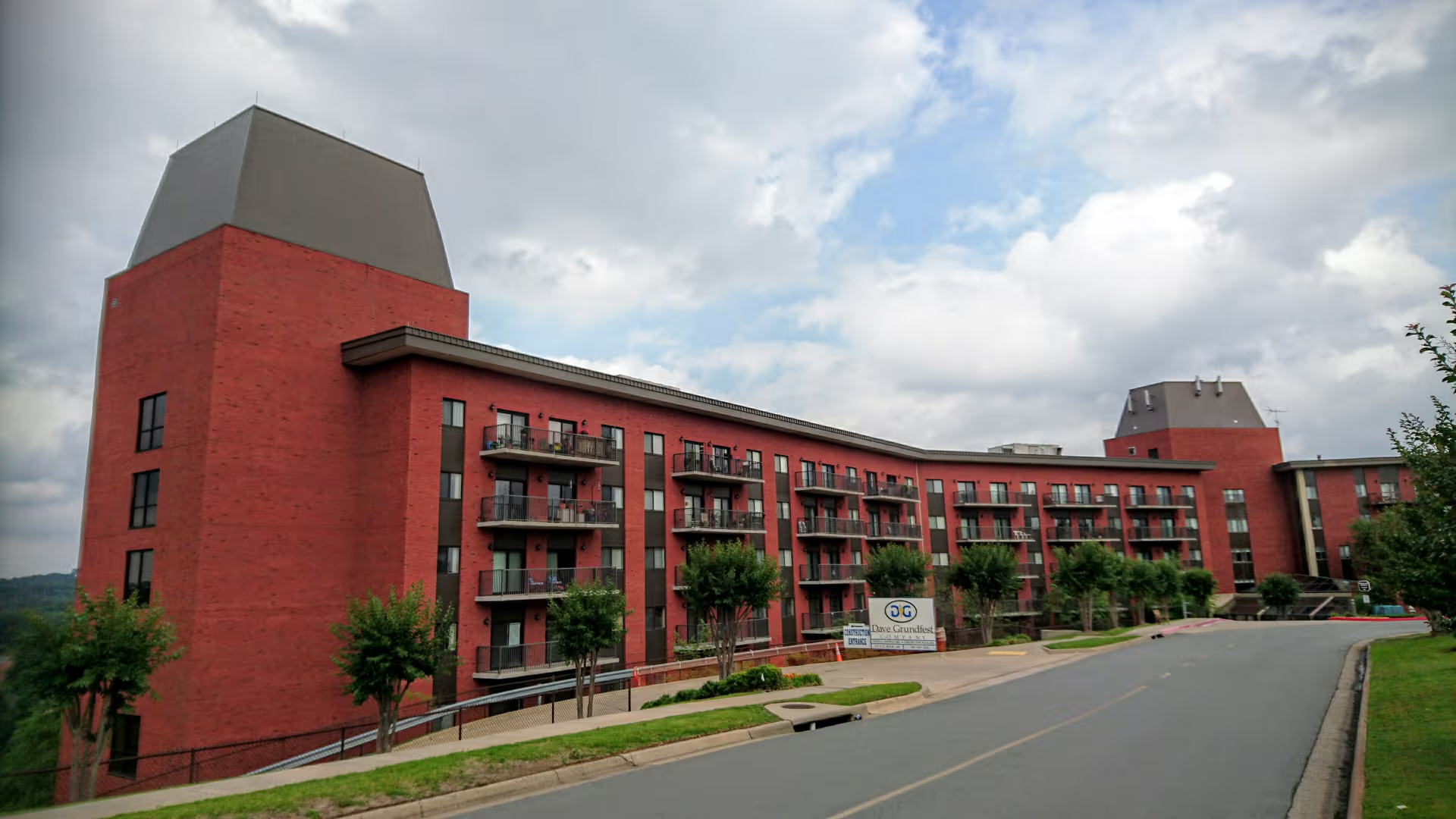
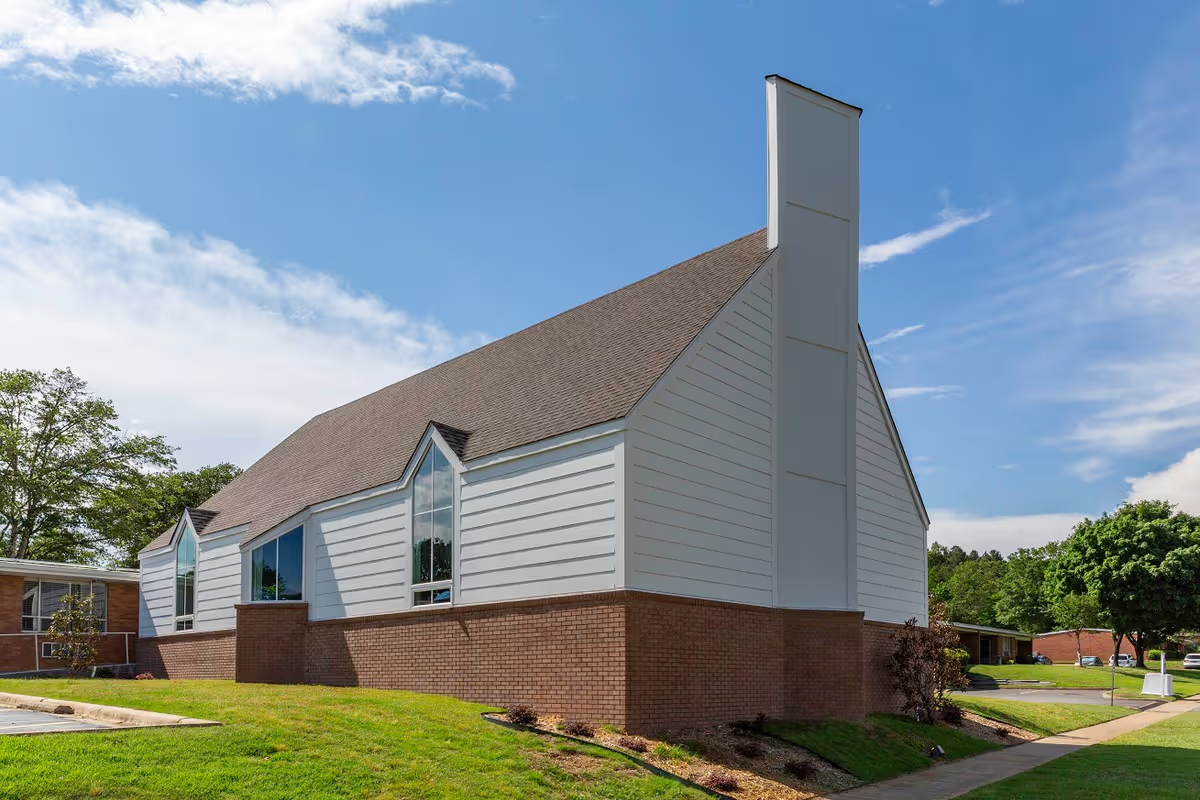
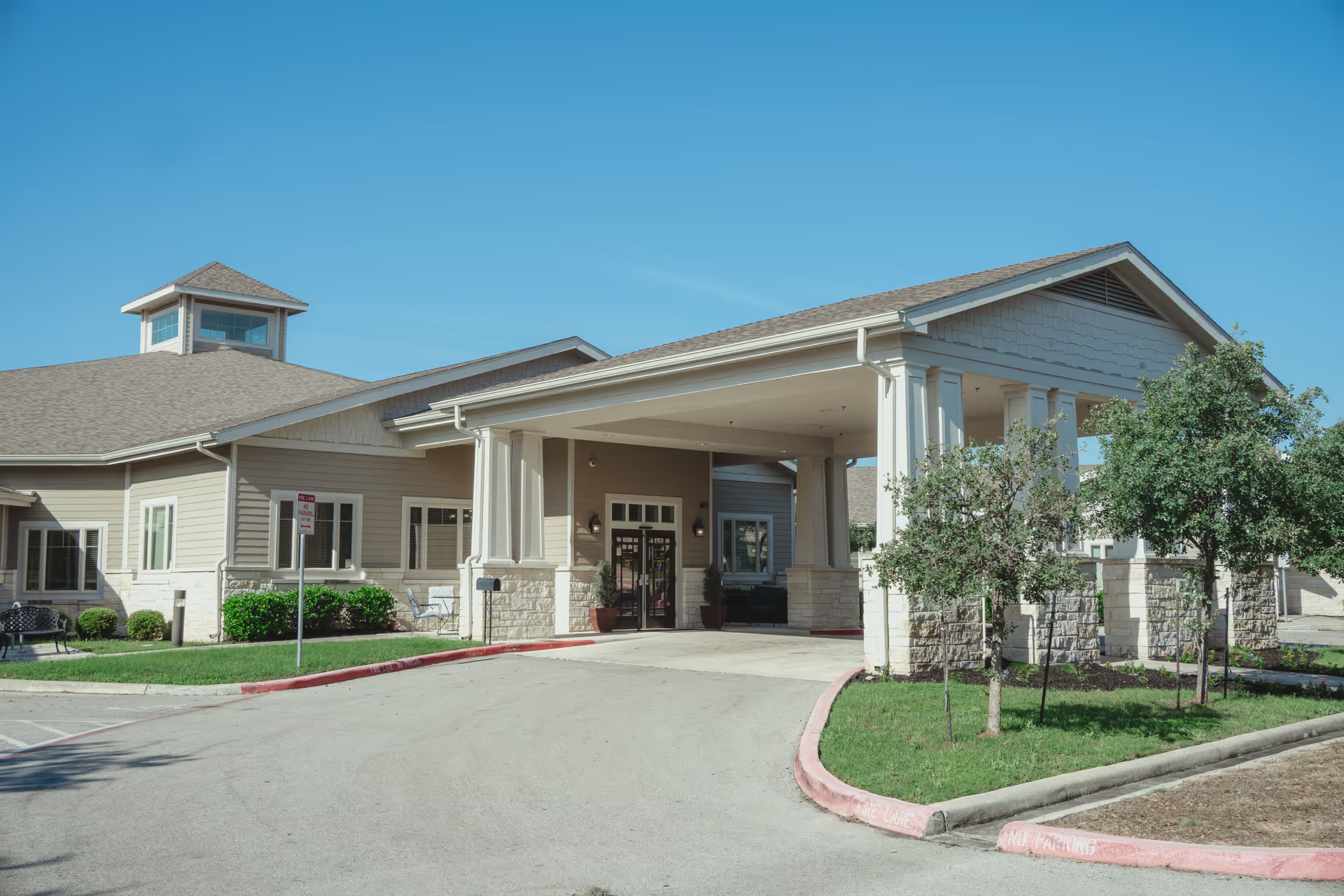
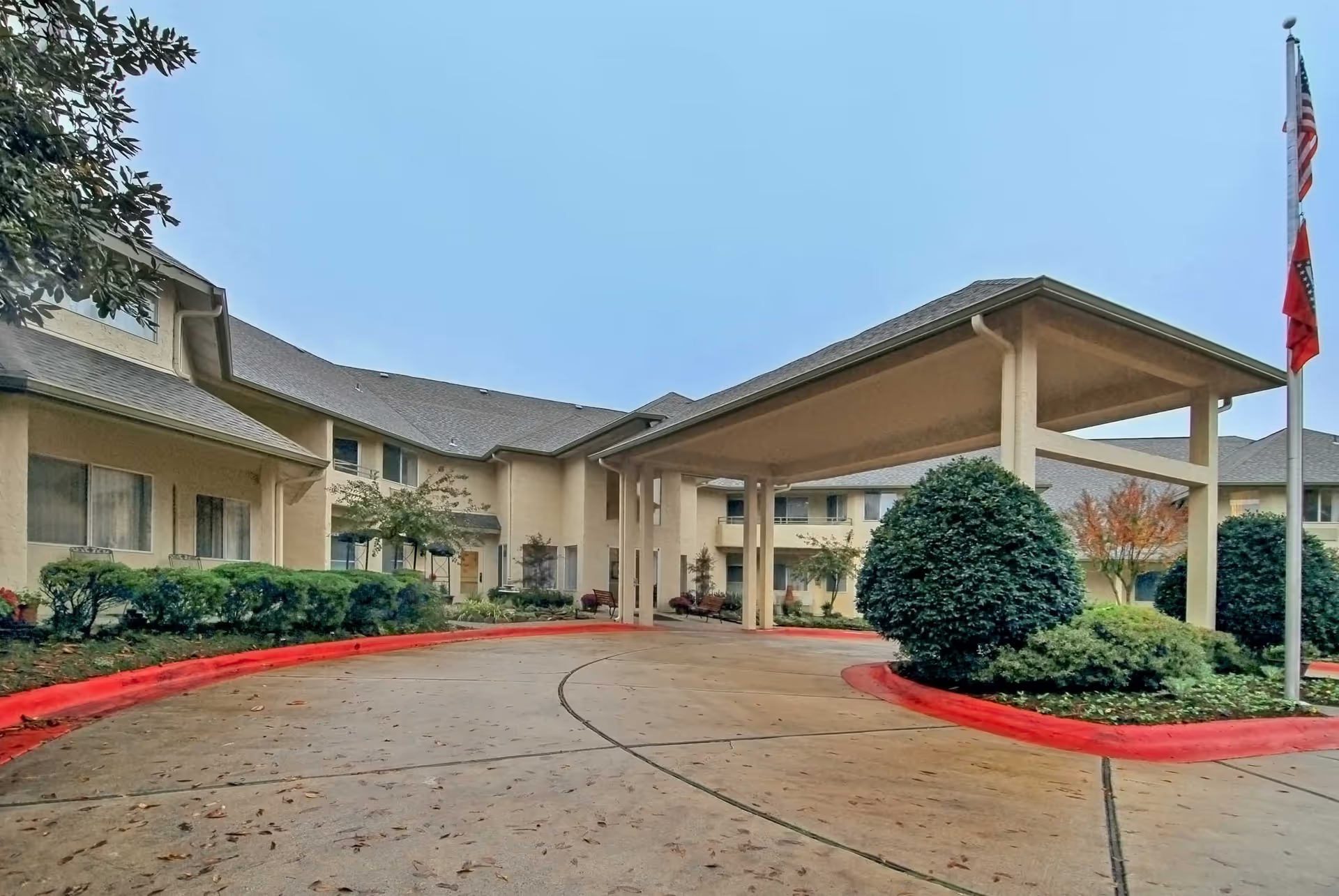
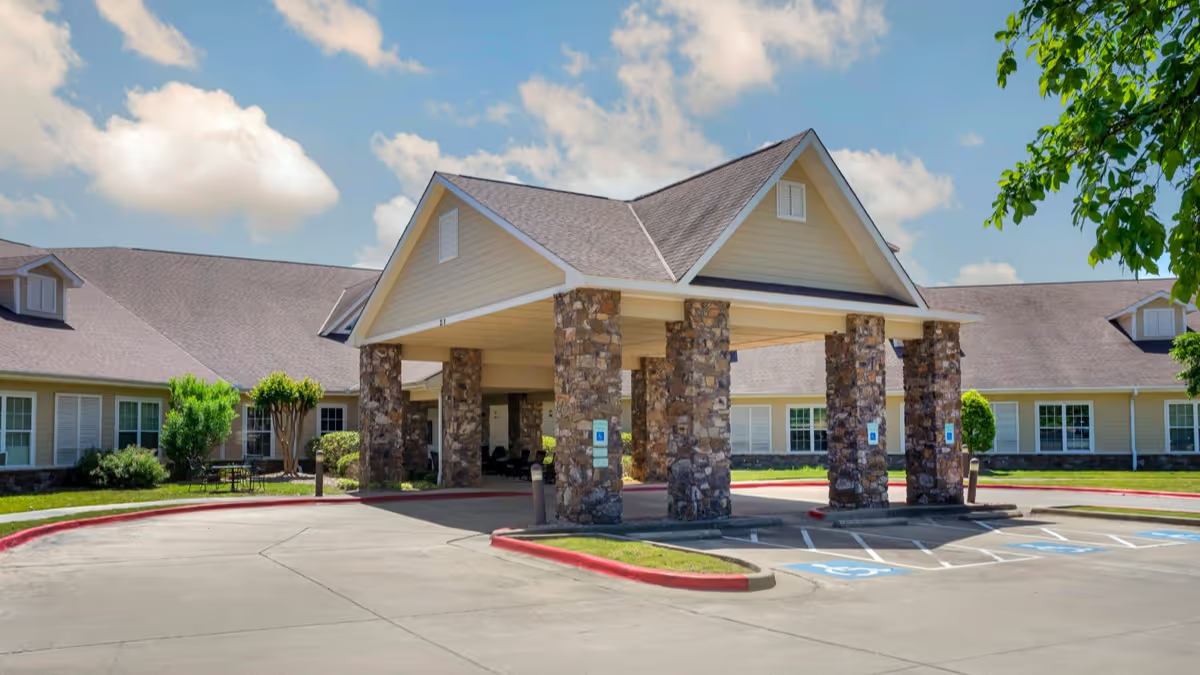
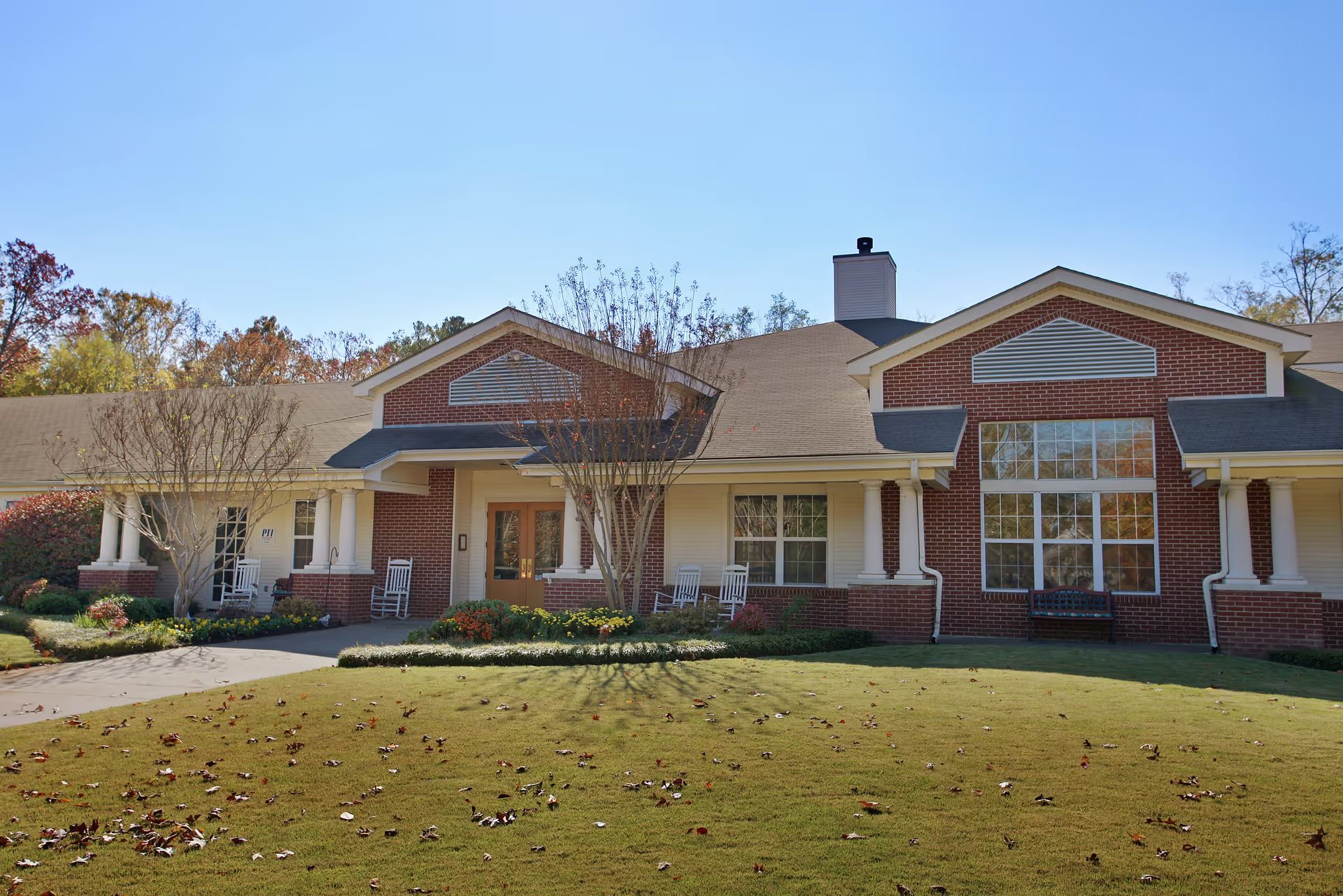
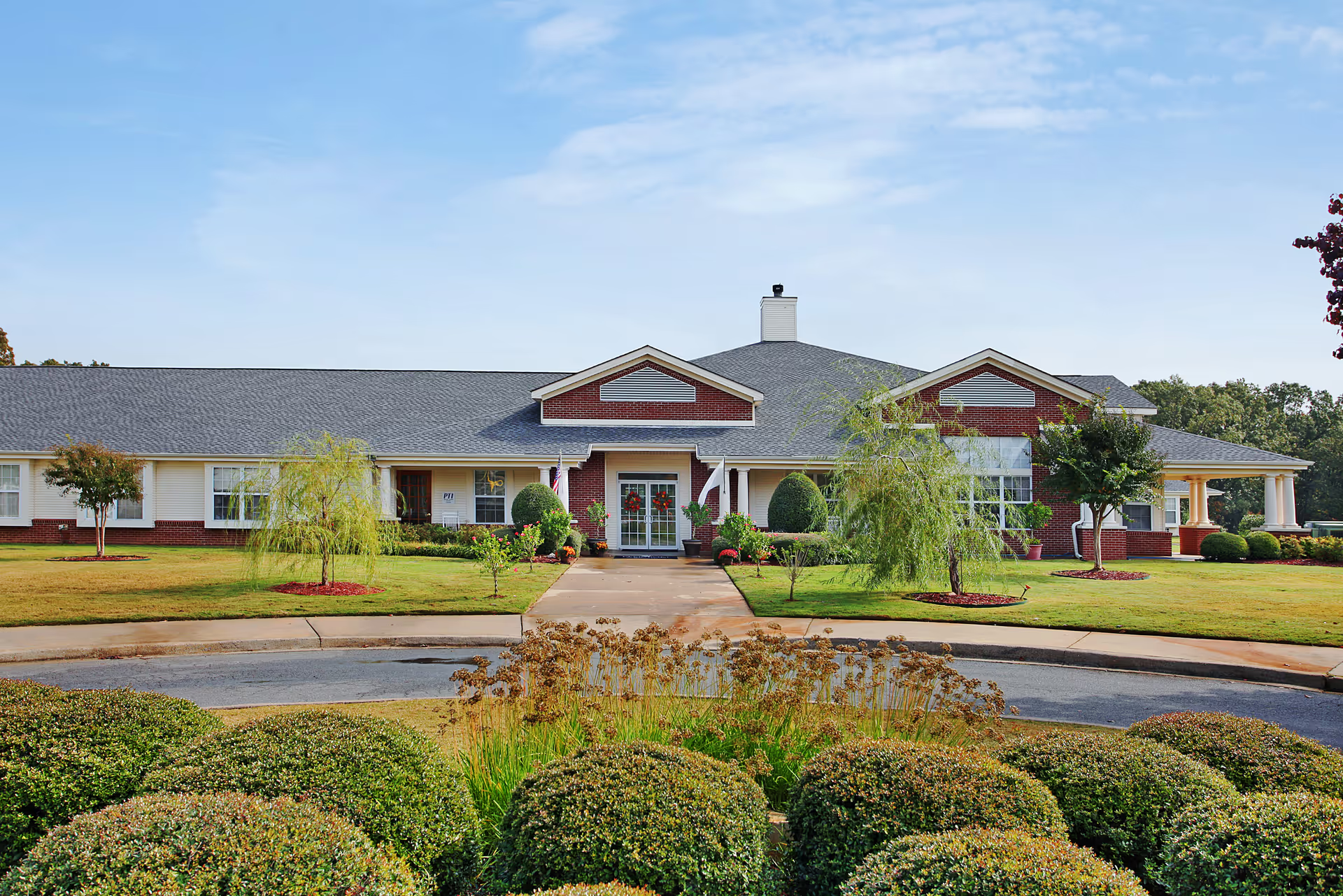
The reviews portray a facility with clear strengths rooted in its Green House cottage model: private rooms with en-suite bathrooms, small household sizes, an on-site therapy gym, and a strong daytime therapy team. Many families describe a warm, home-like atmosphere, engaging activities, well-kept grounds, and home-style meals. Several accounts highlight compassionate CNAs, attentive nurses, a proactive activities director, and prompt maintenance that contribute positively to residents’ quality of life and rehabilitation outcomes.
At the same time, a consistent pattern of operational weaknesses emerges. Staffing appears uneven across shifts, with night and weekend coverage frequently cited as weaker than daytime staffing. This inconsistency is linked to delayed responses to call lights and clinical requests, intermittent assistance with meals and personal care, and staff-conduct variability. Reviewers describe variability in how well the team manages medication schedules and specialized diets, with limited capacity noted for certain dietary accommodations and occasional medication-administration issues.
Cleanliness and infection-control practices are another area of mixed assessments. While common areas and grounds are often described as clean and well-maintained, there are multiple mentions of inconsistent room cleaning, sanitation concerns in some rooms or bathrooms, and occasional pest-control issues. Safety supervision and fall-risk management also show variability: some families praise attentive care and good therapy support, while others report insufficient supervision during higher-risk periods, leading to falls and hospital-level interventions.
Communication and management practices receive mixed feedback. Positive comments reference responsive leadership, smooth admissions and effective therapy coordination. Conversely, other accounts point to slow or unhelpful administrative responses, paperwork and billing frustrations, and a perception that insurance/billing processes are prioritized over consistent family communication. There are also serious individual claims — including alleged property mishandling and references to regulatory attention — that warrant direct inquiry during a tour and conversation with leadership.
Overall, the facility demonstrates genuine strengths in therapy, the cottage environment, and many staff members’ compassion and skill. However, recurring operational concerns — especially inconsistent staffing across shifts, variable personal-care and sanitation practices, and gaps in communication — suggest that prospective residents and families should pursue a focused assessment before placement. Recommended steps include touring a resident cottage during evening or weekend hours, asking for current staffing ratios, reviewing recent health-inspection or regulatory records, clarifying meal and medication protocols for specific dietary or clinical needs, and requesting references from current families who have experienced both daytime and off-hour care.