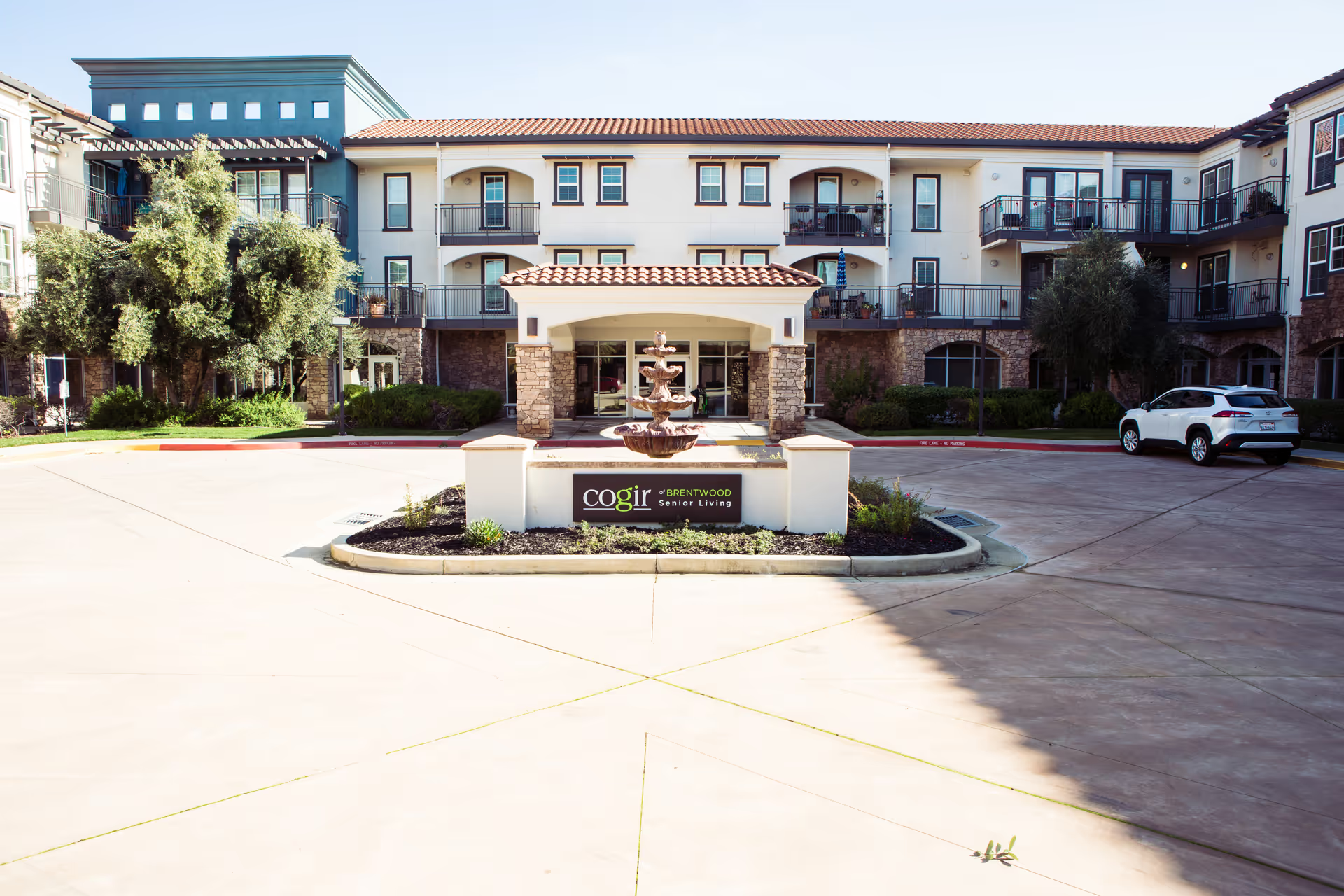
Delta View Post Acute presents a mixed but clearly polarized profile. A significant portion of feedback emphasizes warm, compassionate direct care: many families singled out CNAs and nurses for attentive bedside work, timely wound care, and encouragement during therapy. The facility's rehabilitation services (physical and occupational therapy) receive repeated praise for measurable mobility gains. The building itself is often described as clean, recently remodeled, and comfortable, with multiple room types and active social programming that supports resident engagement.
At the same time, recurring operational weaknesses appear across reviews. Staffing consistency is a central concern: families described variability between shifts that affects responsiveness, nighttime assistance, and overall supervision. Medication administration and timeliness emerged as an operational risk area, with delays and lapses noted that can affect pain control and symptom management. Related clinical-process issues include uneven assessment and transfer practices and instances that suggest gaps in fall-prevention and catheter safety protocols.
Dining and ancillary services show mixed performance. Several reviewers praised generous, home‑style meals and accommodating kitchen staff; others reported inconsistent portions, menu substitutions, and occasional preparation lapses. Administrative functions are likewise variable: some families found billing, transportation coordination, and designated contacts (accounts payable, liaisons) helpful, while others experienced unclear pricing, billing frustration, and a difficult discharge or front‑desk process. Admission and onboarding procedures are another area for improvement—new admissions sometimes lacked an efficient orientation or clear point‑of‑contact.
Cleanliness and safety present a mixed picture. Many reviewers described a neat facility and organized operations, yet a number of comments raised sanitation and odor concerns in specific areas, inconsistent trash/linen pickup, and crowded rooms during peak occupancy. Communication and complaint resolution are inconsistent: several families reported that advocacy was needed to secure care improvements, while others praised responsive management and individual advocates. There are also serious individual claims, including allegations of theft and concerns following a resident's death, which underscore the importance of verifying safeguards and grievance processes.
For prospective residents and families: the facility demonstrates clear strengths in staff compassion, rehabilitation outcomes, and a generally well‑maintained environment. At the same time, due diligence is advisable—ask about staffing ratios by shift, medication-administration protocols, incontinence and bathing schedules, fall‑prevention measures, onboarding procedures, kitchen continuity plans, and the facility's formal processes for incident investigation, billing transparency, and family communication. These questions can help align expectations and identify whether the facility’s operational practices match the positive caregiving experiences many families report.