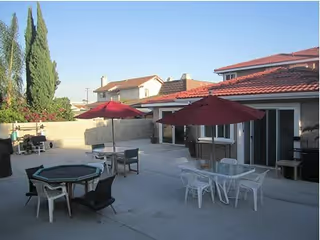
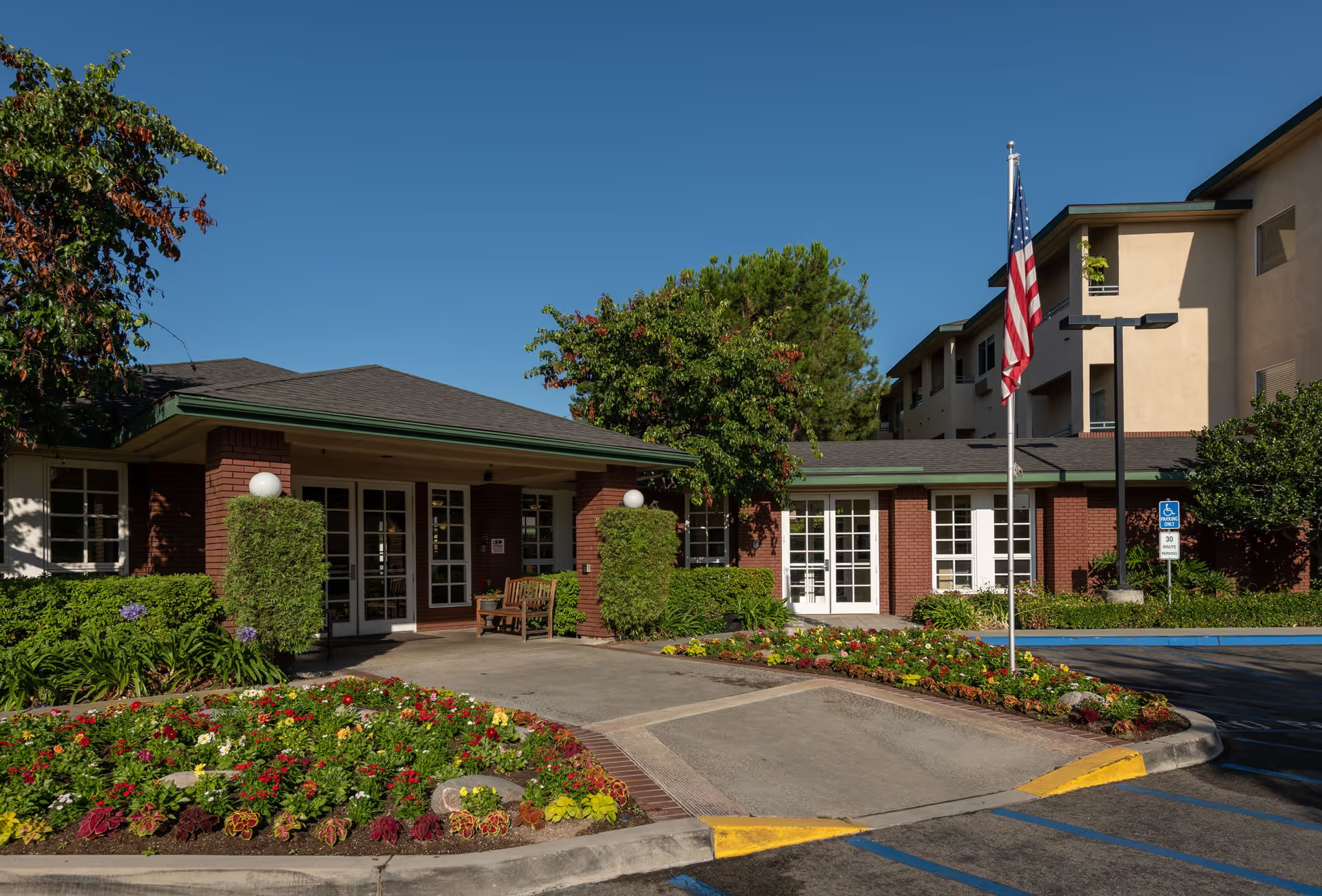
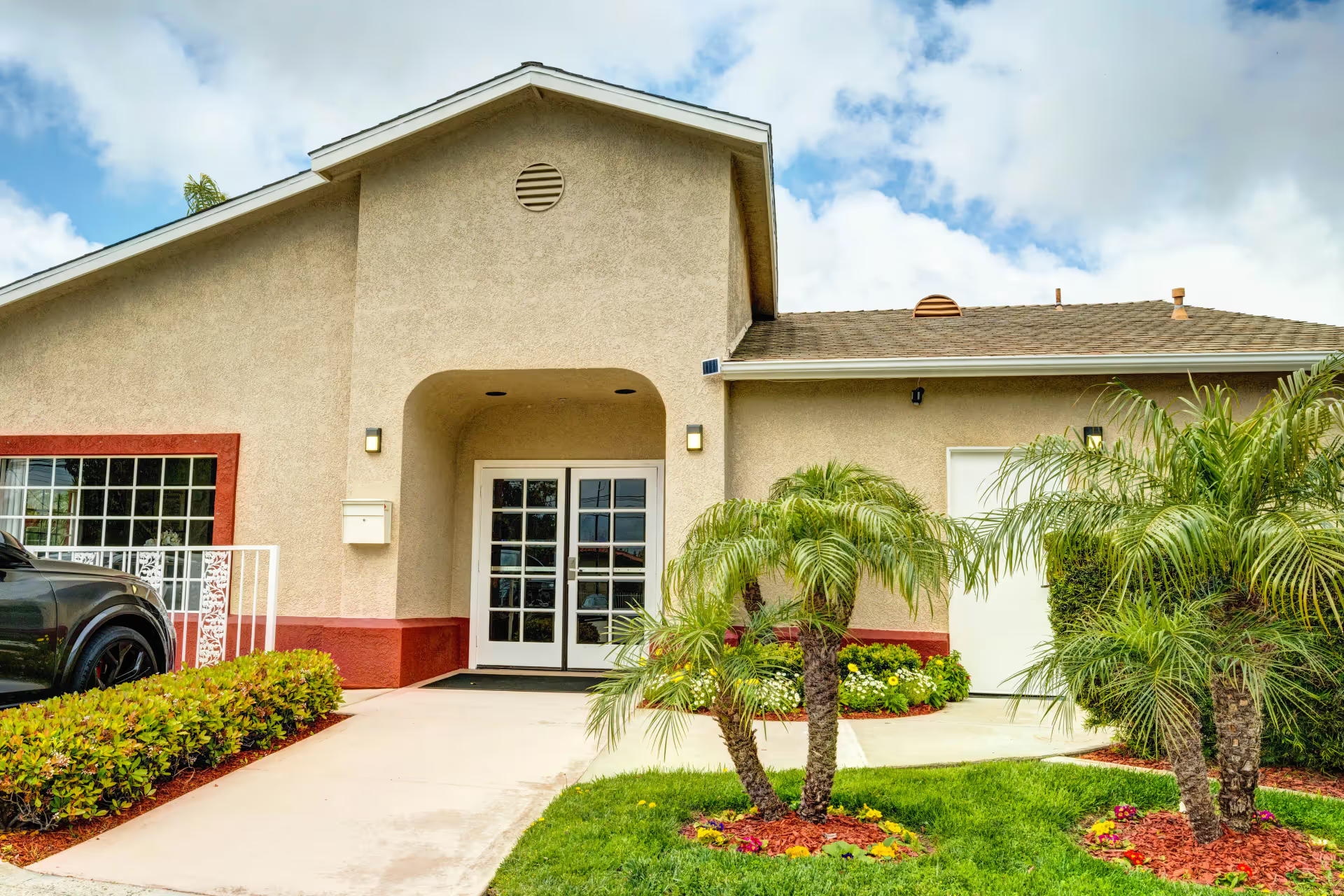
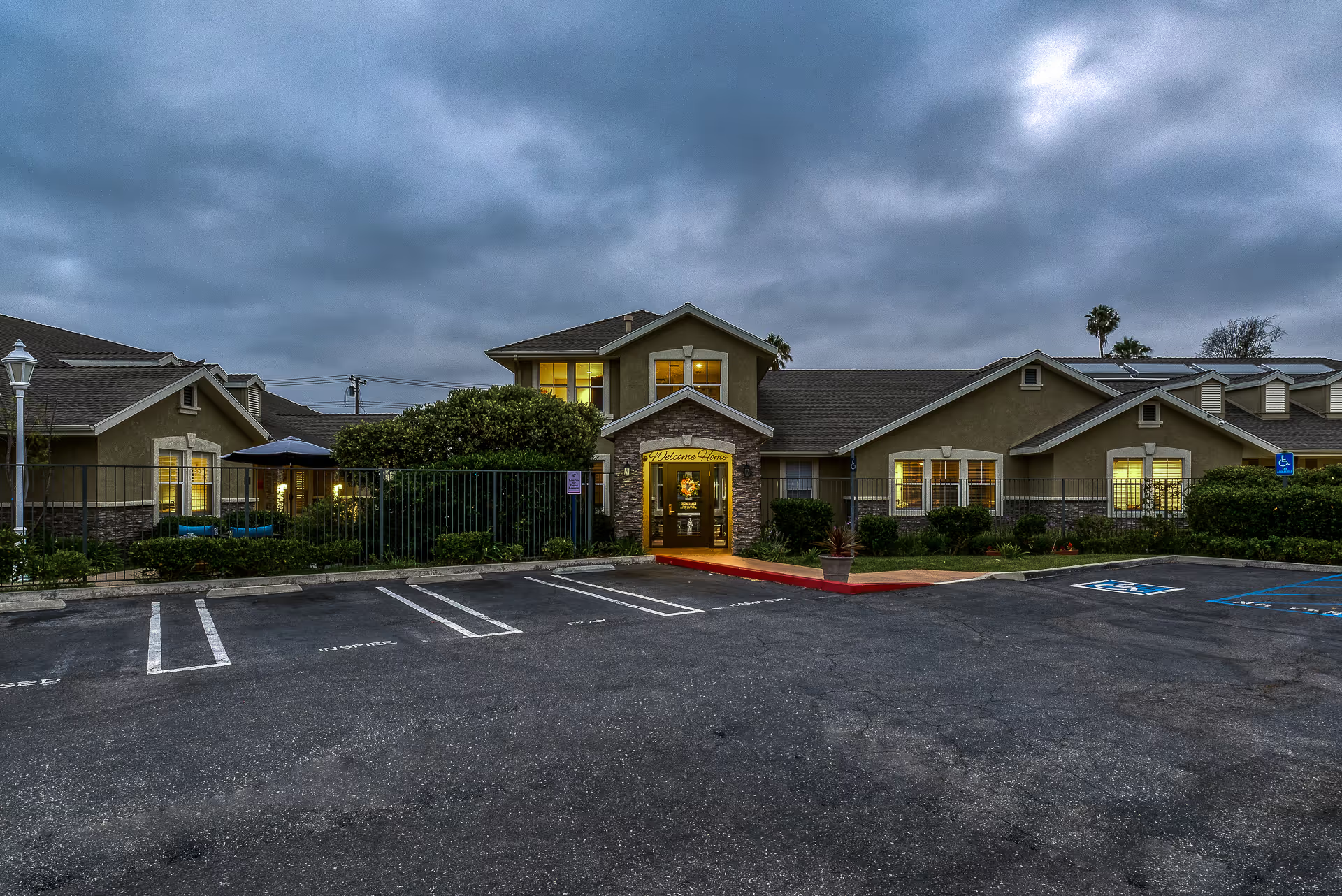
Manorcare Health Services Fountain Valley presents a mixed but distinct profile: many families and patients describe a modern, clean facility with strong rehabilitative services and compassionate direct-care staff, while other accounts raise significant operational and clinical concerns. The facility’s physical environment is repeatedly praised — up-to-date equipment, a well-organized gym, bright common areas and generally well-kept grounds — and several clinical supports draw consistent praise, including therapy teams (PT/OT/speech), wound-care expertise, and effective discharge planning coordinated by social-work staff.
Care quality shows two recurrent themes. Positive experiences highlight attentive, recovery-focused rehabilitation and individualized therapy that produced measurable functional gains. Numerous reviewers singled out specific nurses, CNAs, therapists, and social workers for compassionate, proactive care and clear family communication. Conversely, there is notable variability in day-to-day nursing and aide performance: reviewers cite delays in response to calls, missed medication or care tasks, and instances where clinical escalation and emergency transfer processes appeared slow or inadequate. A small number of accounts describe severe clinical outcomes and a subsequent public-health citation; these descriptions raise concerns about clinical-incident response, medication and care-administration controls, and family communication in critical situations.
Staffing and conduct are recurring focal points. Many reviewers praise the professionalism, empathy, and helpfulness of front-desk personnel, social workers, therapists, and numerous nursing staff members. At the same time, reports indicate uneven staff behavior and stretch-related problems — gruff or inattentive aides, overworked personnel, and inconsistent weekend coverage for some therapy services. These patterns suggest the facility depends heavily on individual staff strengths, producing variable resident experiences depending on assignment and shift.
Dining, activities, and amenities receive mixed feedback. Several families commend nutritious, varied menus and occasional from-scratch offerings, as well as a robust activities program and pleasant communal events. Other reviewers describe inconsistent meal quality and weight-loss concerns for some residents. The facility’s layout and amenities (two levels, semi-private rooms) work well for many post-hospital stays, though shared rooms can cause sleep disruption and some reviewers note housekeeping lapses such as dusty curtains or isolated sanitation concerns.
Management and administration earn both praise and criticism. Social-work coordination and discharge planning are frequently described as strengths, with timely equipment delivery and assistance navigating benefits. In contrast, administrative accessibility and responsiveness are identified as weaknesses: slow call-back times, difficulty reaching clinicians or administrators, unresolved laundry and belongings issues, and uneven follow-through on family concerns. Additional operational gaps cited include parking-lot lighting, absence of a secured memory-care unit, and reported lack of power-backup during an outage — practical safety items families may wish to verify.
Notable patterns across reviews are polarization and predictability by staff/shift. The facility appears capable of providing high-quality rehabilitative and compassionate care when staffing and communication systems function well; however, persistent themes — inconsistent staff performance, communication breakdowns with families and physicians, lapses in medication or care-administration processes, property-handling oversights, and intermittent sanitation or infrastructure shortcomings — suggest systemic areas that merit scrutiny. Prospective residents and families should weigh the strong rehabilitation and social-work supports against these operational risks, and consider direct questions about emergency escalation protocols, staffing ratios, medication administration safeguards, laundry/property policies, and recent regulatory actions when evaluating placement.