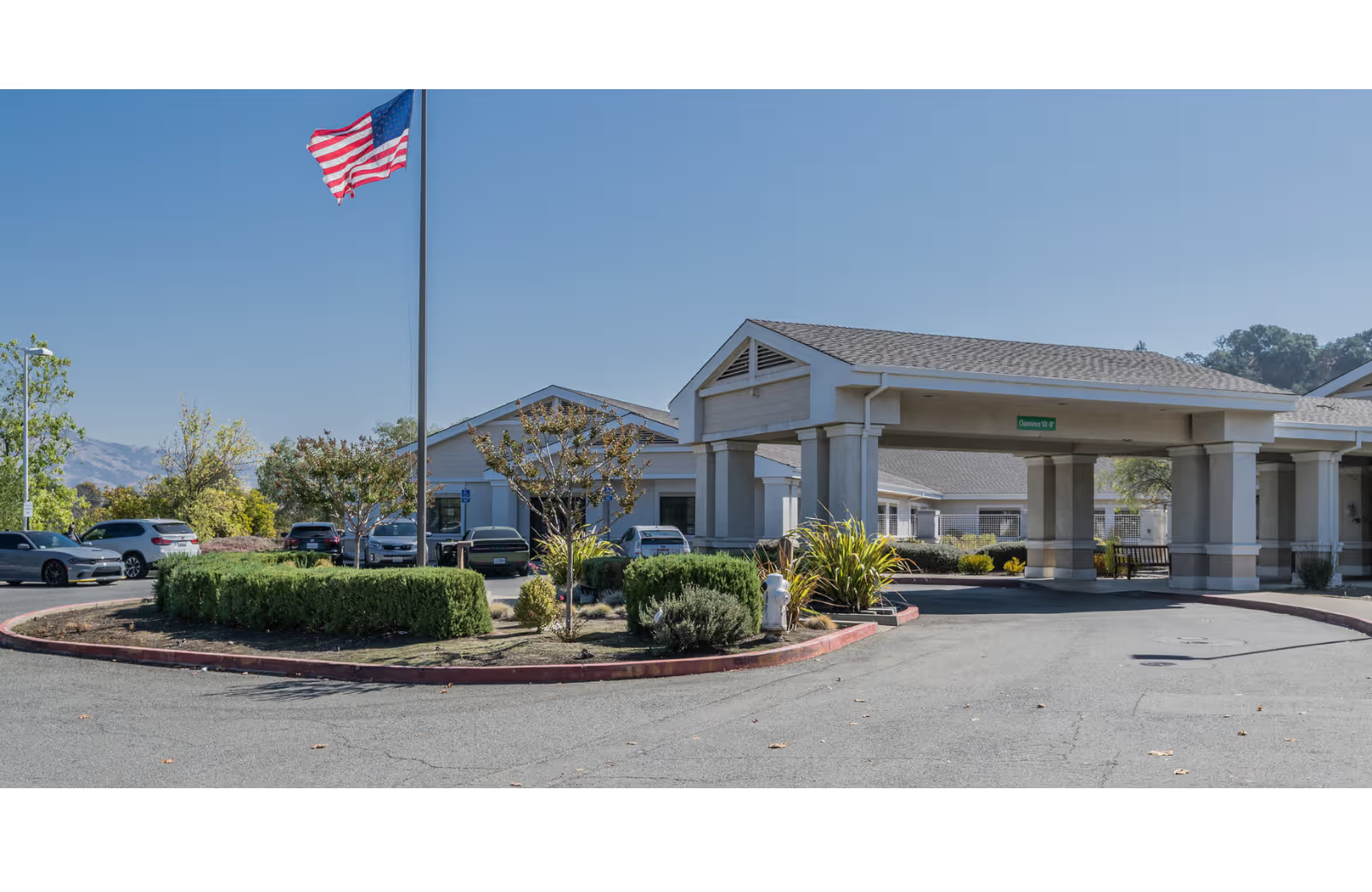
Overall impression: Moraga Post Acute is frequently described as a small, well-kept facility with a strong rehabilitative focus and many compassionate direct-care staff. Across the reviews, the rehabilitation program (physical and occupational therapy) and many nursing/CNA caregivers receive consistent praise for clinical competence, goal-oriented therapy plans, and measurable functional improvement. Families also highlight attentive wound care, effective appointment scheduling, and individual staff who go above and beyond.
Care quality and safety: The clinical strengths center on therapy-driven recovery and attentive nursing for many residents. Several accounts specifically name effective wound care and therapy teams that helped residents regain mobility. However, a small number of accounts describe serious clinical-safety concerns—including medication delays, equipment failures, and care-attendance problems—that suggest potential gaps in medication management, device maintenance, and incontinence-care protocols. These issues appear less common than the positive care reports but are significant and warrant direct inquiry during placement conversations.
Staff and management: Staffing is a prominent mixed pattern. Many reviewers praise long-tenured, compassionate CNAs, nurses, and therapists; reception and administrative organization are often described as welcoming and efficient. At the same time, operational weaknesses appear around inconsistent staffing levels (notably on weekends), slow call-button response times, and variable responsiveness from social work and case management. Some families reported unhelpful or unprofessional communication from specific administrative staff, indicating variability in case-coordination and discharge navigation.
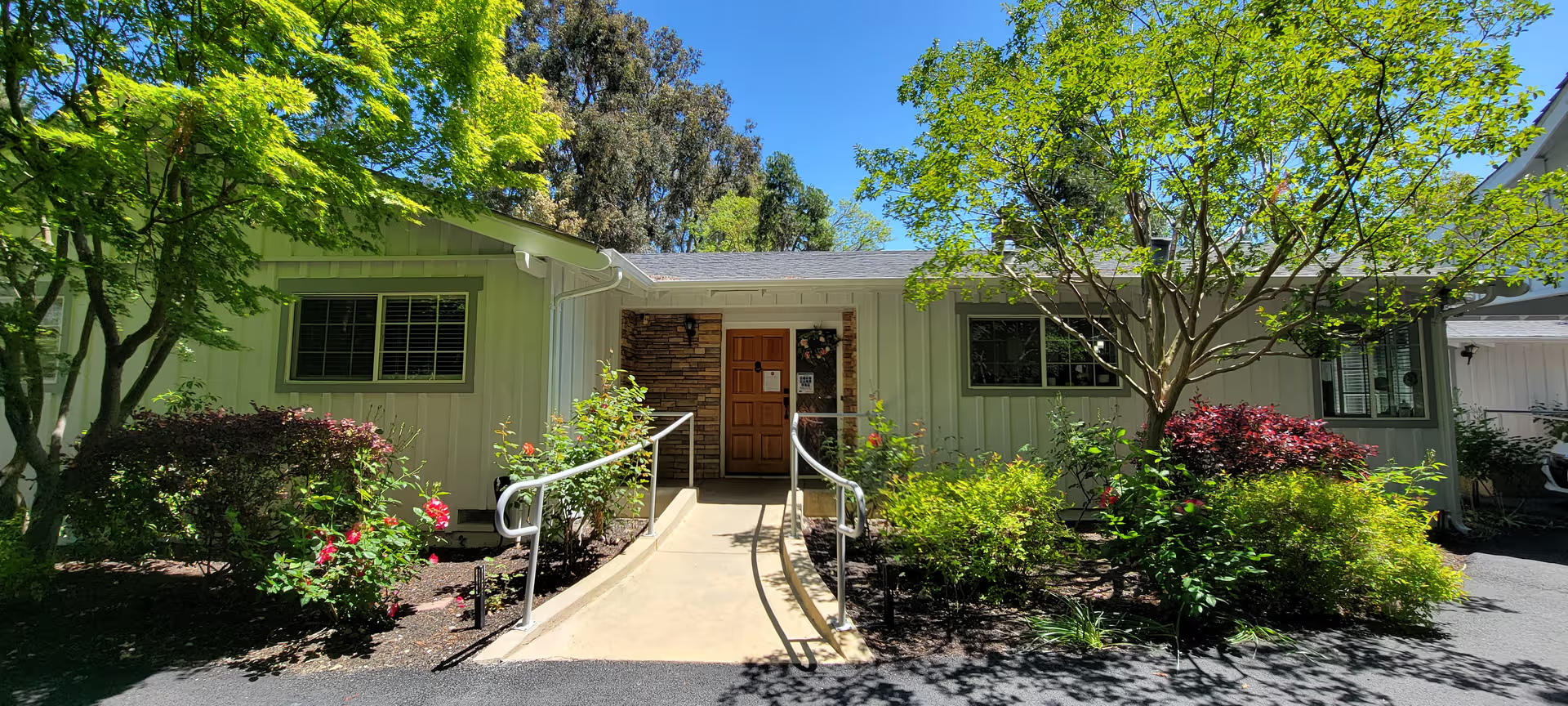
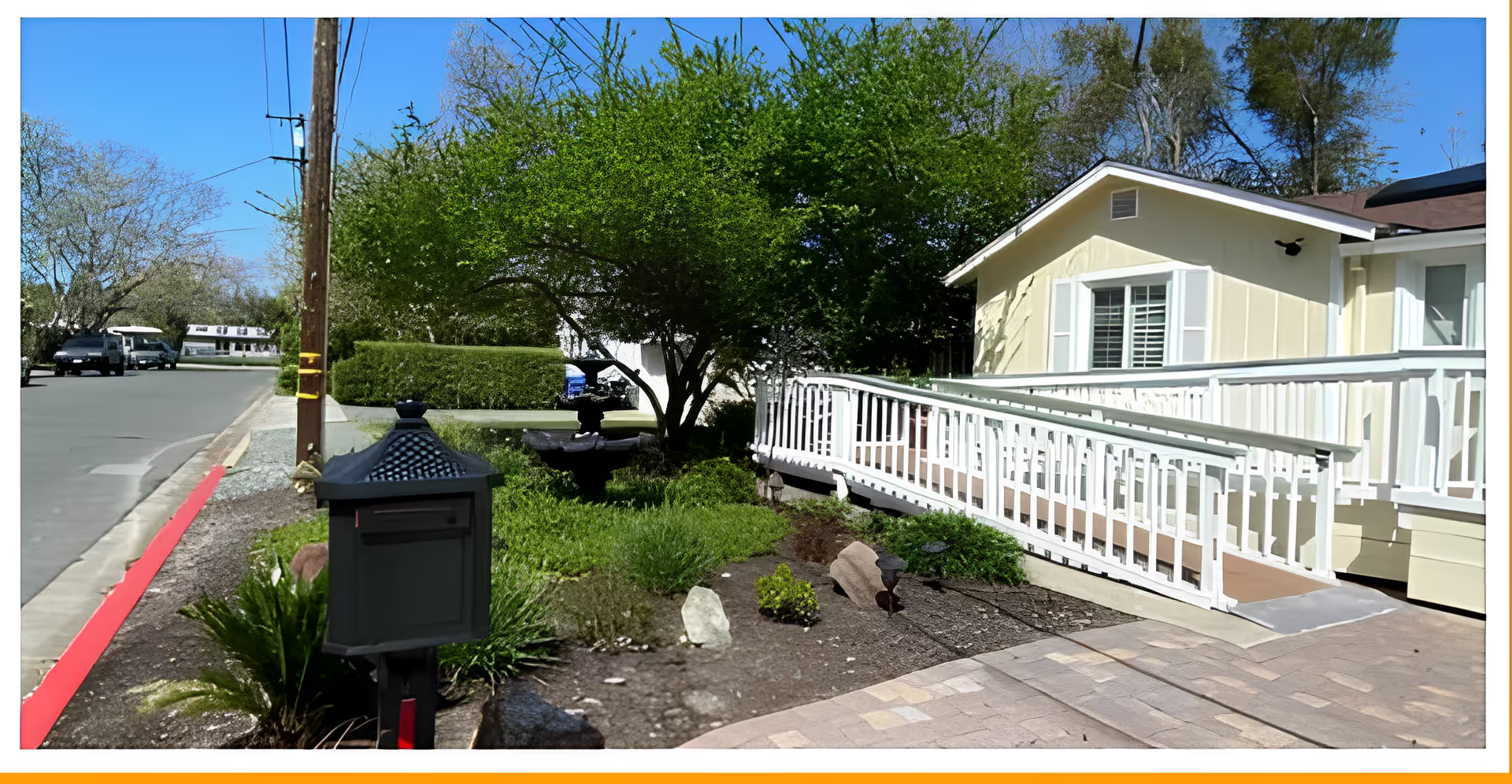
Dining, activities, and environment: The facility environment and activity offerings are consistently cited as strengths. Reviewers describe a clean, quiet setting with a scenic patio/garden, live music, pet therapy, and an engaging activity director. Meals are frequently described as tasty and nutritious, with accommodations such as gluten-free options available; however, there are occasional notes about uneven meal quality or subpar dining experiences for some residents.
Discharge planning and equipment: Discharge coordination is another area of divergence. Several accounts praise clear discharge resources and supportive case management, while others describe rushed discharges, lack of arranged home equipment, and poor post-op checks. This variability suggests that discharge planning and home-equipment coordination can differ by case and should be confirmed in advance.
What prospective families should consider: Moraga Post Acute offers strong rehabilitation services, a supportive activities program, and many dedicated caregivers, making it a viable option for post-acute recovery for many patients. At the same time, families should explicitly ask about current staffing levels (including weekends), average call-response times, medication-administration protocols, equipment-maintenance procedures, and the facility’s discharge-equipment process. Inquiring about the assigned social worker/case manager and examples of recent discharge coordination can help set expectations and reduce variability in the experience.