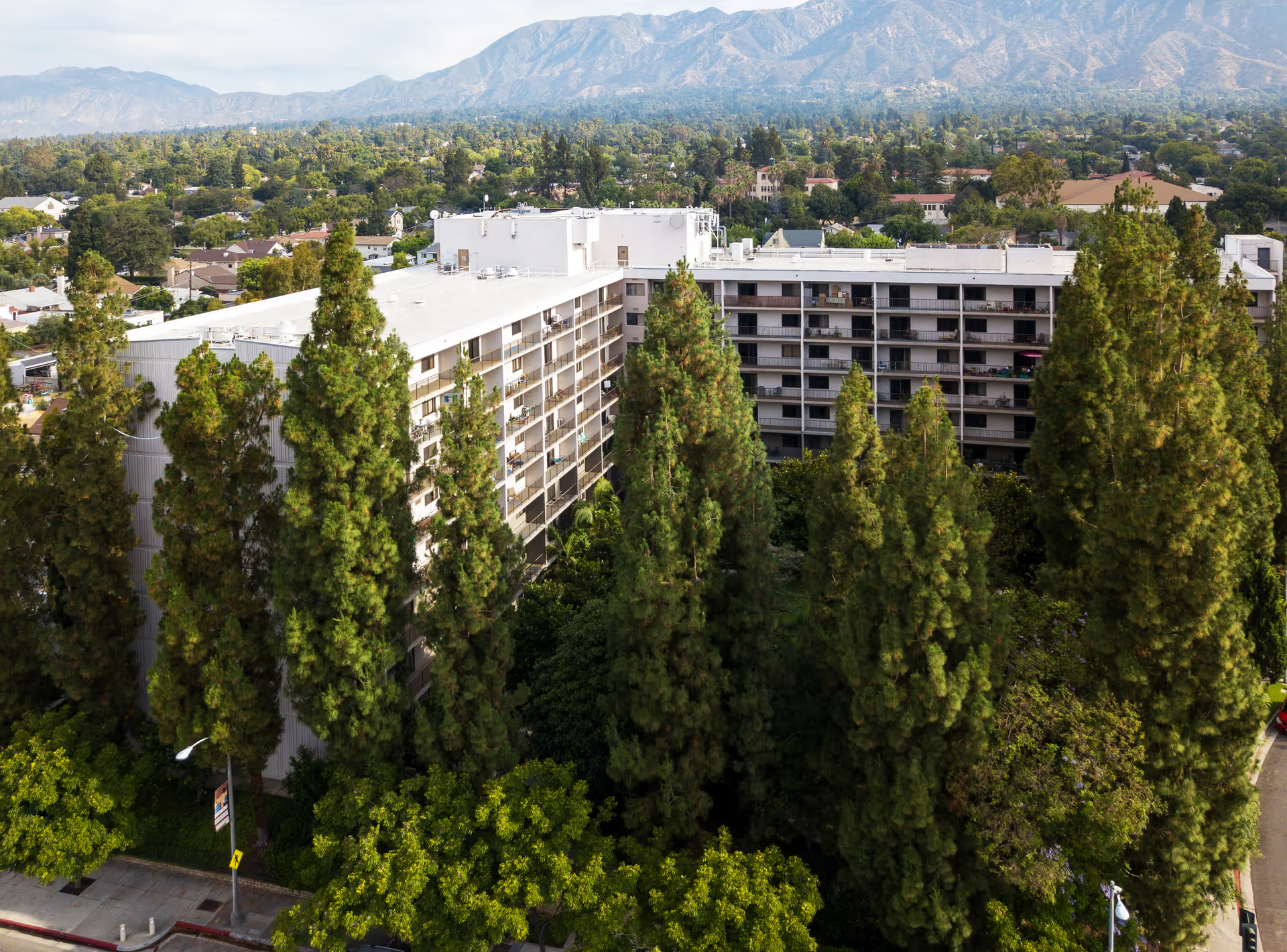
Reviews present a polarized picture: Brighton Care Center is frequently praised for its rehabilitation program and for individual staff members who provide attentive, empathetic care, but there are recurring operational and clinical concerns for families to consider.
Care quality and therapy: The facility's physical and occupational therapy teams receive consistent praise for helping patients regain mobility and independence. Reviewers highlighted specific therapists and a spacious, well-equipped gym; many families described measurable short-term functional gains. At the same time, several accounts point to variability in therapy intensity, early discharges, and cases where therapy progress was perceived as inadequate. Prospective residents should clarify the planned therapy frequency, discharge criteria, and measurable goals prior to admission.
Staff and clinical responsiveness: Numerous reviewers describe compassionate nurses, CNAs, and social-service staff who communicate well and provide individualized attention. However, there are repeated complaints about inconsistent staffing levels—especially at night—delays in responding to calls for assistance, language barriers, and a mix of experienced and less-experienced personnel. Families should probe staffing ratios by shift, handoff procedures, and how the facility manages language and training gaps.
Safety, documentation, and personal belongings: Multiple reviews raise concerns about gaps in incident reporting, family notification, and escalation to physicians or emergency services when issues arise. Reviewers also describe problems managing residents’ personal items and medical devices, suggesting weaknesses in inventory and property-control processes. There is at least one alleged staff-conduct incident referenced in the feedback; while isolated, it underscores the need to ask about incident-investigation procedures and oversight.
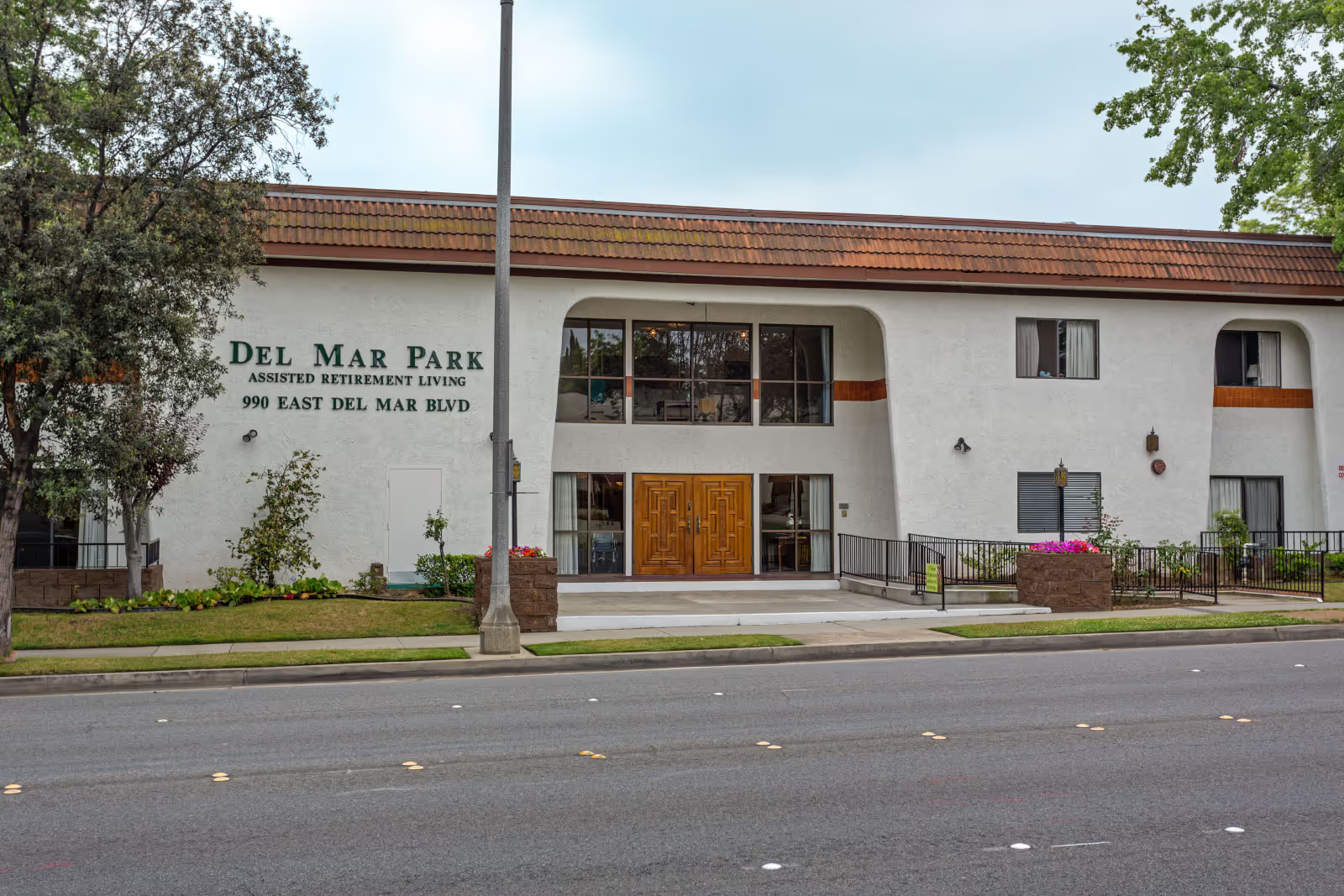
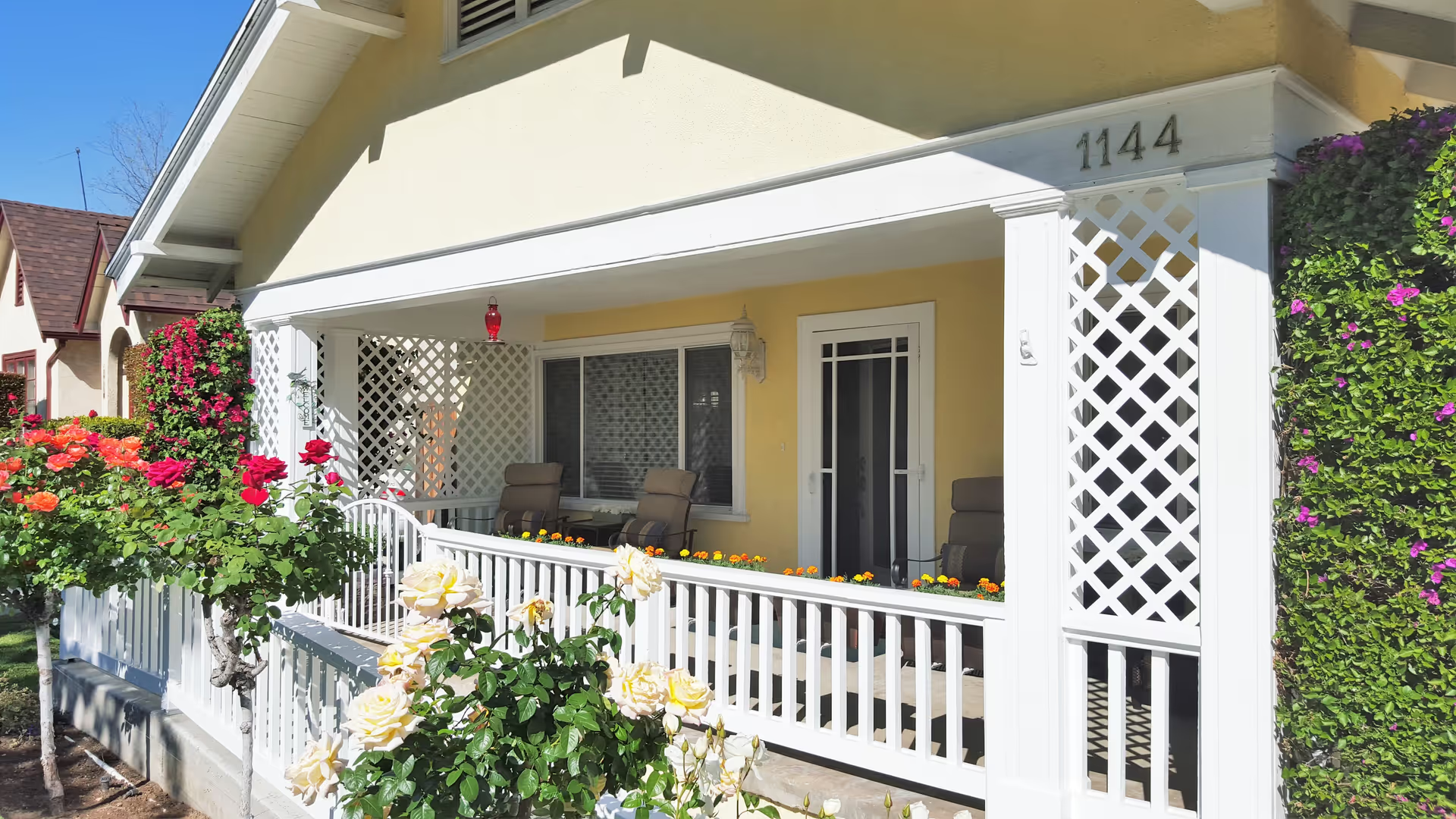
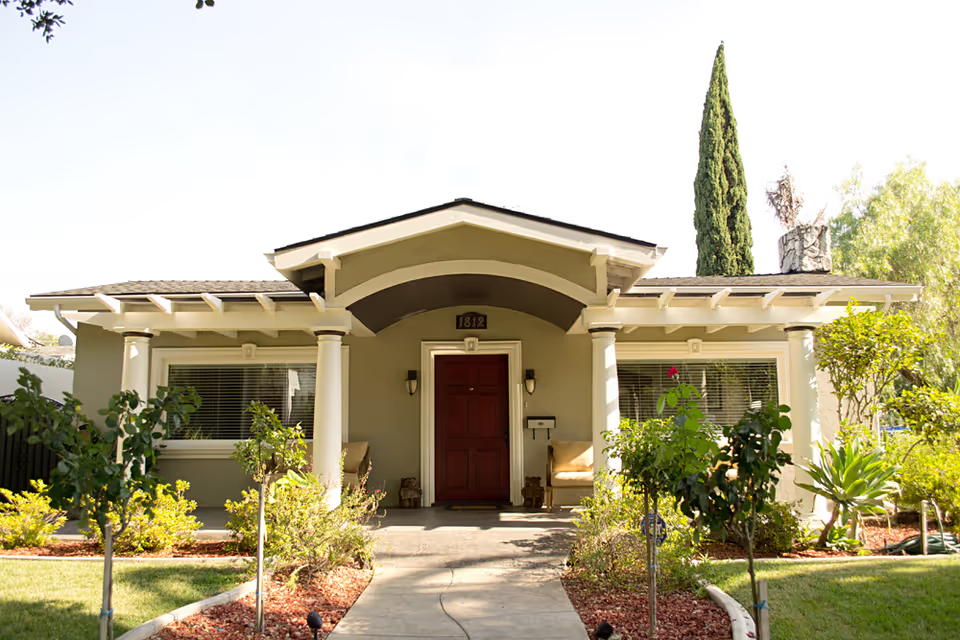
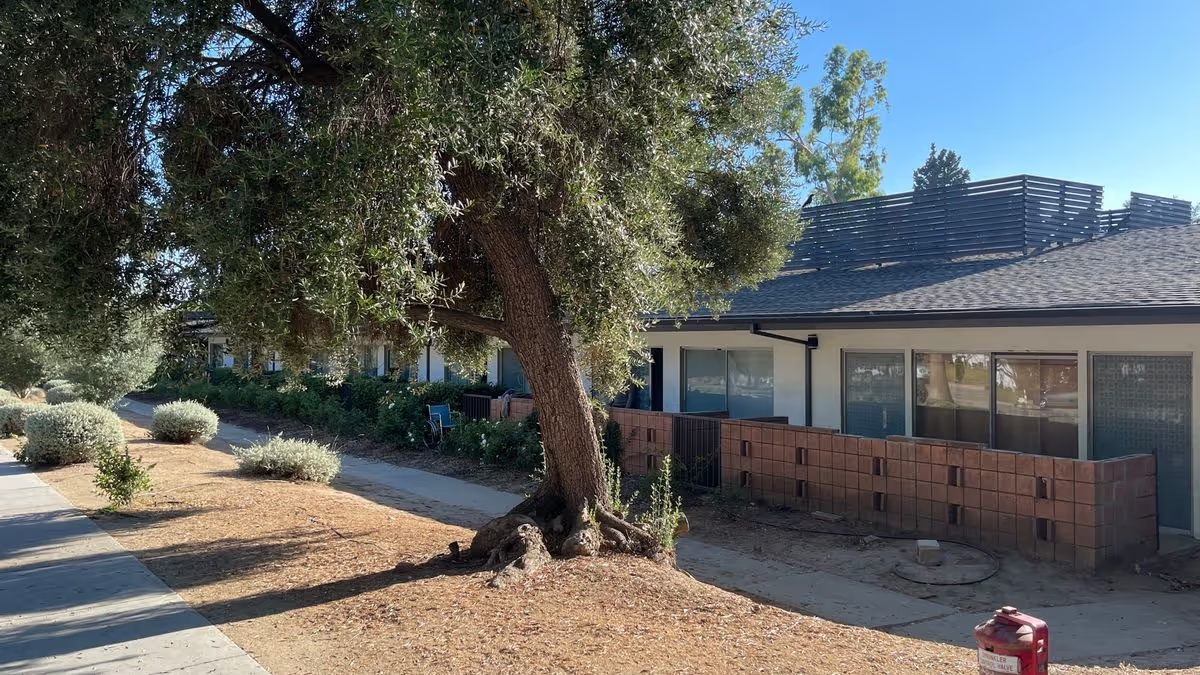
Facilities, sanitation, and environment: The physical environment drew mixed comments. Many reviewers praised clean, modern areas, comfortable rooms, and a generally pleasant lobby and rehab space. Conversely, other accounts describe parts of the building as run-down, with sanitation concerns in some bathrooms and dining areas, and occasional odor issues. Noise and environmental disruptions—including frequent door closures, overnight repairs, and loud communal behavior—were frequently mentioned as contributors to an unsettled atmosphere. Inspecting multiple units, asking about maintenance schedules, and touring during evening hours can help assess consistency.
Dining and activities: Dining experiences vary widely: some residents reported wholesome, enjoyable meals, while others found food quality inconsistent. The activity department received positive feedback for engaging programming and personalized attention, though some families felt there was limited stimulation for certain populations. Inquire about sample menus, therapeutic diets, and the weekly activity schedule to match expectations.
Management, transparency, and policies: Several reviews point to management and admission-expectation gaps—promised services not delivered, early or unexpected discharges, and out-of-pocket costs or billing questions. There are also concerns tied to ownership changes and perceived declines in service. Prospective families should request written care plans, a clear pricing and billing explanation, visitor and security policies, and written procedures for handling complaints and incidents.
Overall impression and recommendations: Brighton Care Center offers a strong short-term rehabilitation option with many dedicated staff and an effective therapy program. At the same time, variability in housekeeping, night staffing, communication, and equipment availability creates an uneven experience for longer-term residents. Families considering this facility should (1) verify therapy schedules and discharge criteria, (2) review staffing patterns by shift, (3) ask about cleaning and infection-control protocols, (4) confirm availability of assistive equipment and personal-item policies, and (5) request the facility’s incident-reporting and family-notification procedures. An in-person visit that includes an evening observation and discussions with social services and therapy leadership will help align expectations with the facility's current operational realities.