Broadway Healthcare Center presents a mixed picture across clinical care, environment, and operations. Multiple accounts praise the interpersonal quality of frontline staff: Mandarin-speaking nurses and aides, described as caring, responsive, and alert, are a recurring positive. Staff are noted for being helpful with immediate care needs and accommodating dietary restrictions. The facility also appears to provide concrete placement support through social-work resources, including assistance with transitions to assisted living.
Clinical quality impressions are nuanced. Reviewers cite competent care and attentive staff behavior in day-to-day interactions, yet there are also strong concerns about infection control and overall safety oversight. Accounts include an infection event that affected both residents and staff, which has raised family concern about the facility’s ability to manage infectious outbreaks and related clinical incidents. Relatedly, several comments describe constraints on staff time that limit conversation and social interaction, suggesting staffing levels may affect both care breadth and family communication.
The dining program and activities receive measured praise. Meals are described as adequate and capable of meeting dietary needs; they are not characterized as gourmet but are generally acceptable. The activity program is visible and documented—an activity calendar and photos of events are mentioned—indicating efforts to provide social programming, though limited staff availability can reduce opportunities for extended one-on-one engagement.
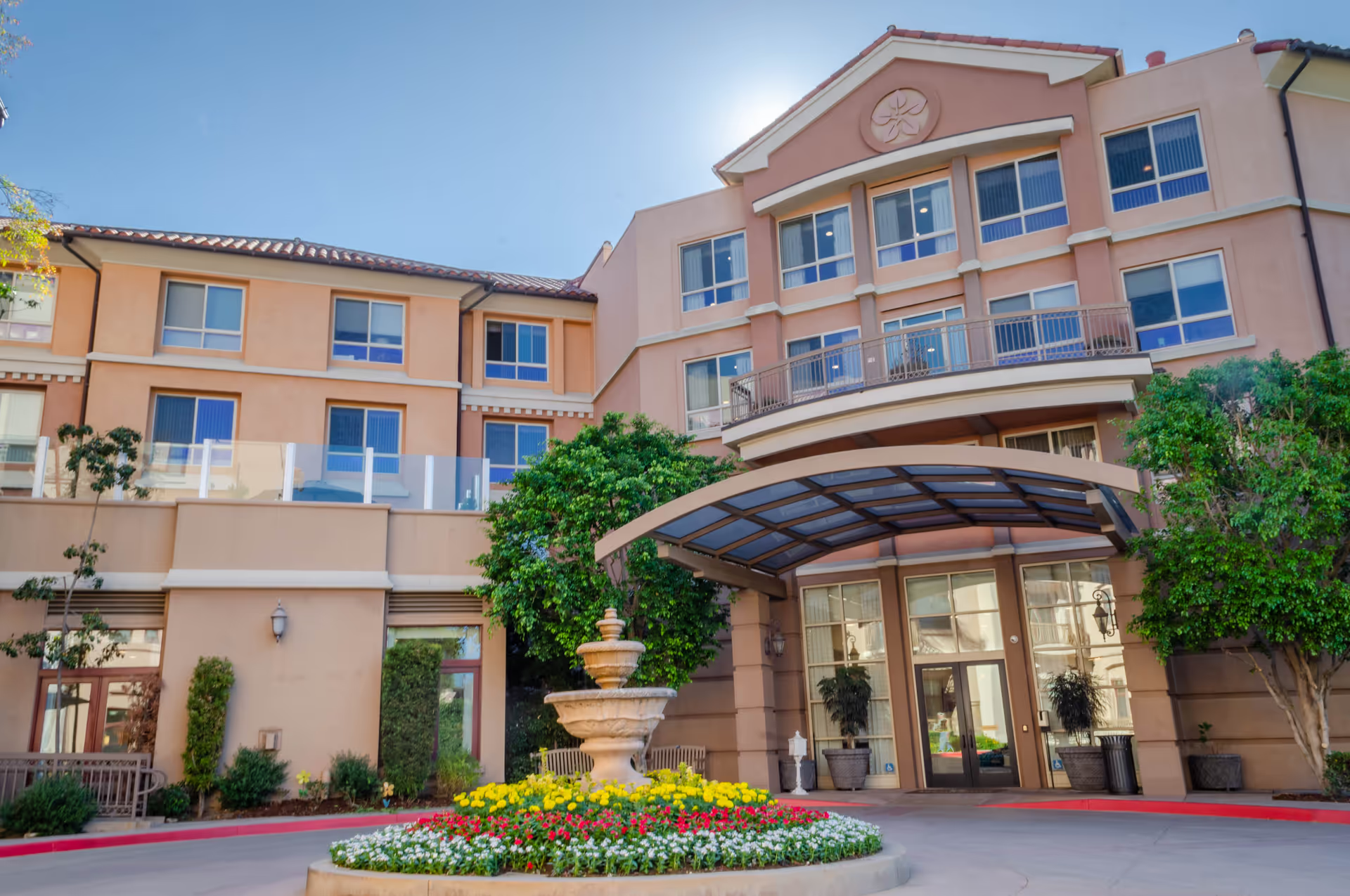
Facility features are pragmatic rather than residentially upscale. Private rooms with en-suite bathrooms are available and described as clean and safe; other areas are characterized as hospital-like rather than homelike. Shared-room setups and multi-person bathroom arrangements create privacy limitations for some residents and families, which is an operational trade-off to note.
Management and communication show both strengths and gaps. Families value the social-work help and staff responsiveness in many interactions, but there are reported shortfalls in how clinical incidents and infection events are communicated and managed with families. This creates an underlying pattern: strong individual staff interactions coupled with facility-level operational weaknesses in infection-control procedures, staffing sufficiency, privacy accommodations, and incident communication. Prospective residents and families should ask targeted questions about infection-control protocols, staffing ratios and shift coverage, room/ bathroom options, and the facility’s process for notifying families about clinical events.