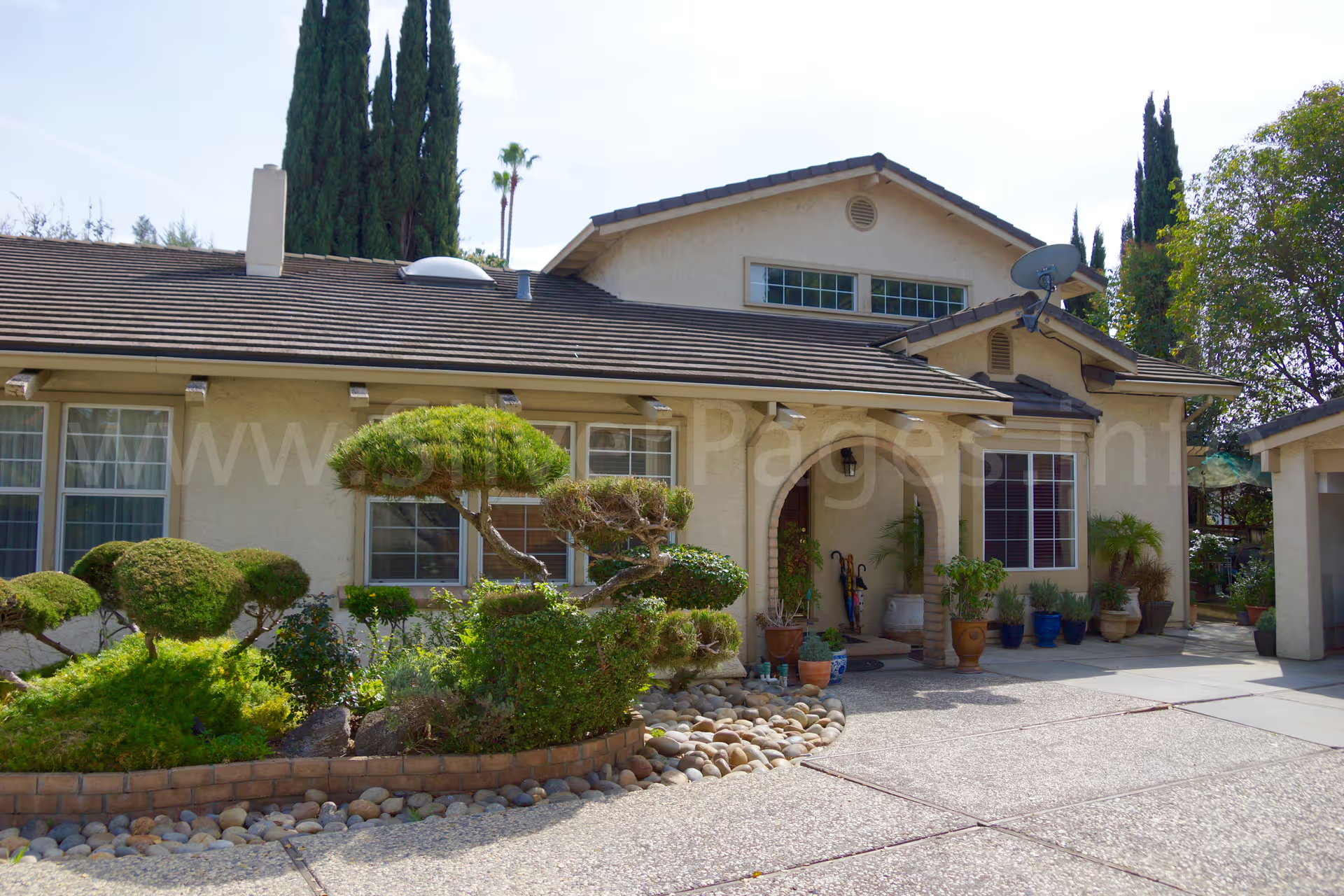
Overall impression Aquinas / Creekside presents a mixed but instructive profile. Many families and patients describe strong clinical rehabilitation outcomes and consistently compassionate bedside care, while a number of operational and safety-related issues recur across accounts. The facility appears to deliver good results for short-term rehab patients — especially those working with physical, occupational, and speech therapy teams — but long-stay and higher-dependency experiences are more variable.
Care quality and staff The dominant positive theme is staff: nurses, certified nursing assistants, and therapy teams receive frequent praise for attentiveness, compassion, and clinical skill. Rehabilitation services are widely regarded as a strength, with multiple accounts of functional gains and coordinated therapy plans. Case management is another highlight; a named case manager is repeatedly cited for proactive coordination, daily updates, and help with discharge and insurance arrangements. At the same time, reviewers describe variability in staffing from shift to shift, occasional slow call-button responses, and uneven supervisory coverage. There are also repeated comments about communication tone and conduct that families found concerning. Separately, there are serious individual claims (including allegations of theft and physical misconduct) that warrant direct inquiry by prospective families or regulators.
Safety, medication and incident management Safety patterns are mixed. Several families report successful transfers and careful diabetes or wound monitoring, while others describe unwitnessed falls, missed or late medication administrations, missing medications, and delays in clinical response. These signal inconsistent medication-administration controls and gaps in incident-response and family notification processes. Infection-control event management and transparency during outbreaks were also identified as an area needing improvement. Overall, the pattern suggests that while clinical teams can be strong, facility-level systems for medication tracking, incident escalation, and fall prevention are uneven.
Dining, activities and daily life Feedback on dining and activities is variable. Some reviewers found meals appetizing and appreciated dietary accommodations, while others cited limited menu variety or food that did not meet personal preferences. Activity programming and common spaces receive generally positive comments — the facility’s courtyard, rehab gym and activity schedule are strengths — but noise from events and maintenance has been disruptive for some residents. Families should assess whether the daily environment (noise levels, event schedules) fits the prospective resident’s preferences.
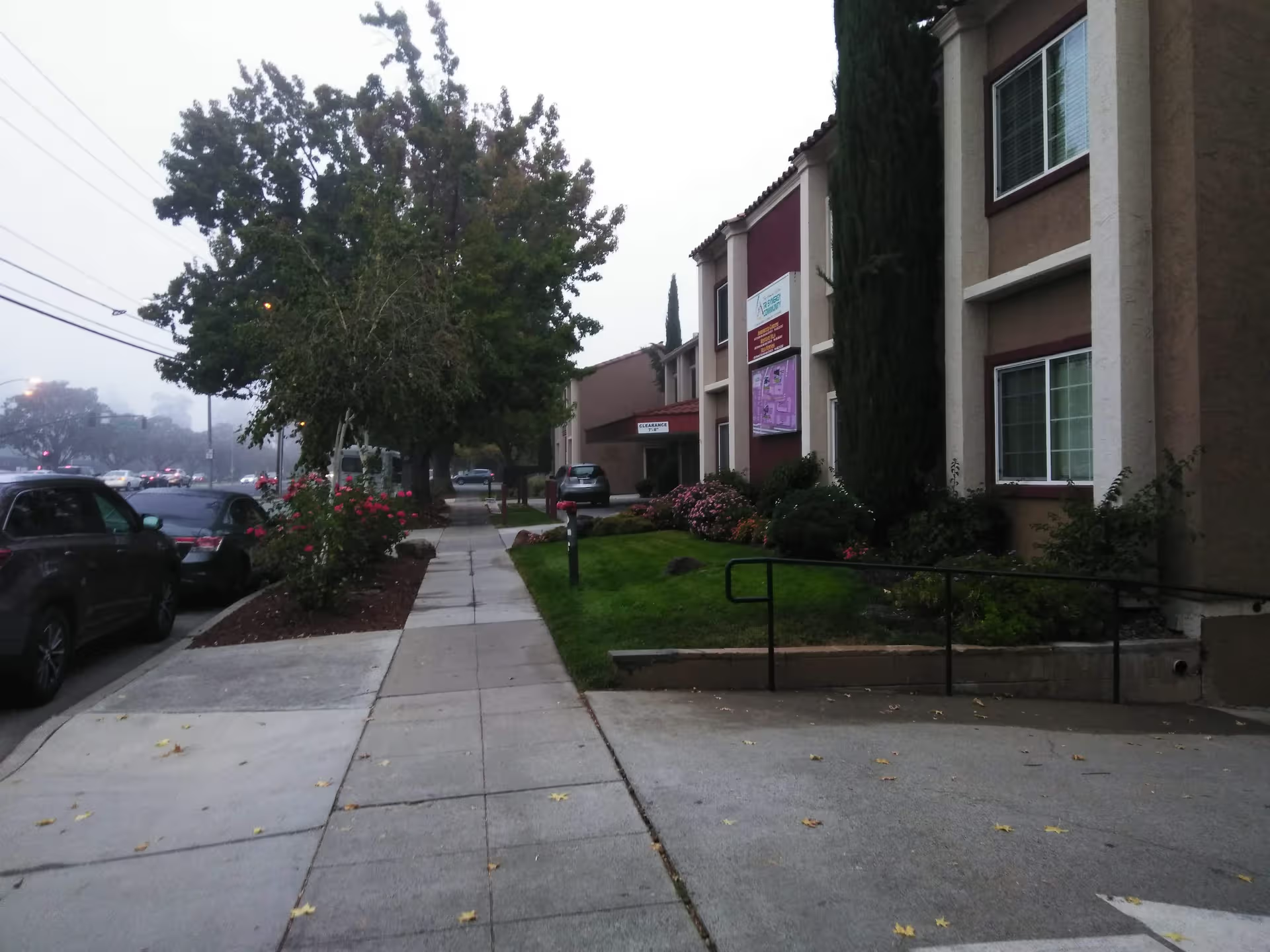
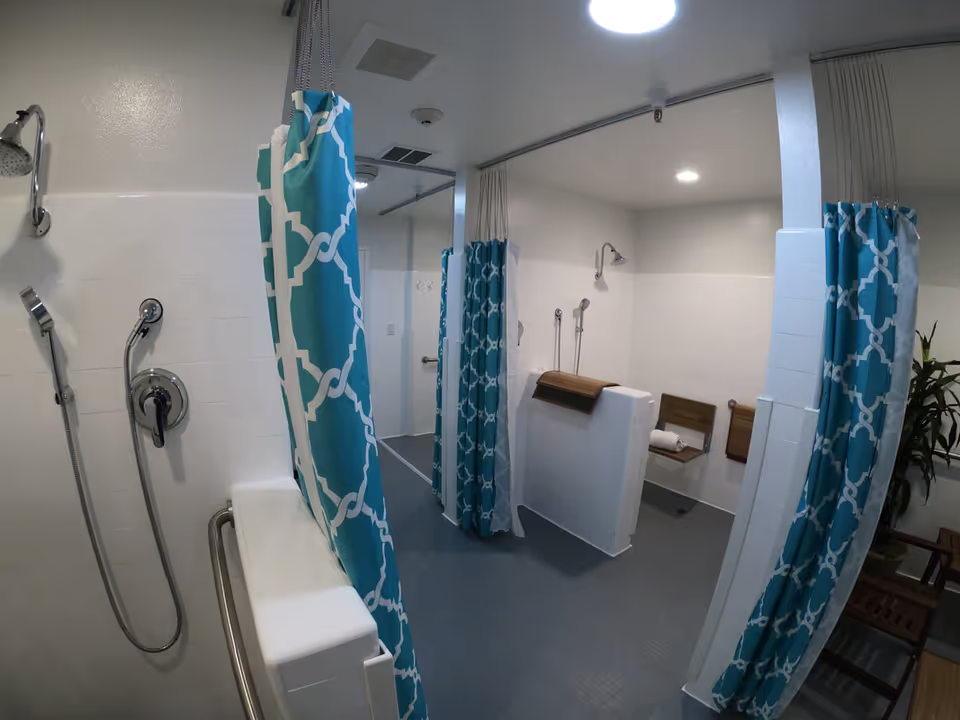
Facilities, maintenance and privacy Physical plant feedback is mixed. Common areas and therapy spaces are frequently described as clean and well-maintained, but many reviewers note aging resident rooms, worn linens or furnishings, and maintenance noise. Room-assignment accuracy and privacy processes have been questioned where advertised room types did not match actual placements. Security and personal-property handling appear to be inconsistent; missing items and concerns about safeguarding valuables are recurring themes.
Management and patterns to watch Admissions, front-desk responsiveness, and discharge coordination are repeatedly praised, indicating managerial strengths in intake and external coordination (including insurer and VA liaison work). Conversely, reviewers identify gaps in billing transparency, unexpected charges, and communication about financial matters. Language-access limitations and lack of translators are also cited, which can impede clinical communication for non-English-speaking families. For prospective residents and families, recommend verifying: staffing levels across shifts, medication-administration safeguards, specific room condition and assignment policies, meal options, and the facility’s procedures for safeguarding personal property and reporting incidents.
Bottom line Aquinas / Creekside is often recommended for short-term rehabilitation because of strong therapy teams, attentive bedside caregivers, and effective case management. However, the facility shows operational variability in nursing consistency, medication controls, incident response, billing transparency, and some aspects of facility maintenance and security. Families should weigh the strong rehabilitation and case-management capabilities against these recurring operational concerns and pursue targeted questions and tours focused on safety systems, language access, billing practices, and room-level conditions before placement.