Overall impression: Reviews indicate that the facility delivers a generally strong clinical and rehabilitation experience for many residents. The most consistent strengths cited are compassionate nursing and CNA care paired with a highly regarded rehabilitation department; families frequently described measurable recovery outcomes and safe returns home. Admissions, social work/case management, and several members of the administrative team are also commonly identified as responsive and helpful.
Care quality and rehabilitation: Clinical care is often described as attentive and rehabilitative in focus. Physical and occupational therapy teams, as well as skilled therapists, are repeatedly credited with driving mobility improvement and discharge success. Routine clinical practices such as daily vital checks and coordinated therapy plans are cited positively. However, a subset of reviews raises concerns about gaps in therapy availability and, in a few cases, serious adverse outcomes; these accounts appear isolated but significant, and prospective families should seek facility clarification about clinical-incident handling and quality metrics.
Staff and management: Many reviewers highlight professional, friendly, and communicative staff and leadership, noting proactive outreach from administrators and nursing leadership. That said, there is a recurring pattern of operational staffing challenges: turnover and shift-to-shift variability, especially on night shifts, which reviewers link to slower response times and call-light delays. A small number of reviews also describe issues with staff conduct or communication tone. Translational support is limited, so non-English speakers may need additional planning.
Dining and amenities: Meal service receives mixed feedback. Numerous reviewers praise meals, snacks, and ancillary services like laundry, while others describe inconsistent food quality, problems with meal temperature, or bland offerings. Weight changes and nutrition-related concerns appear in a few accounts, suggesting families should review dietary and nutrition monitoring practices during tour and intake.
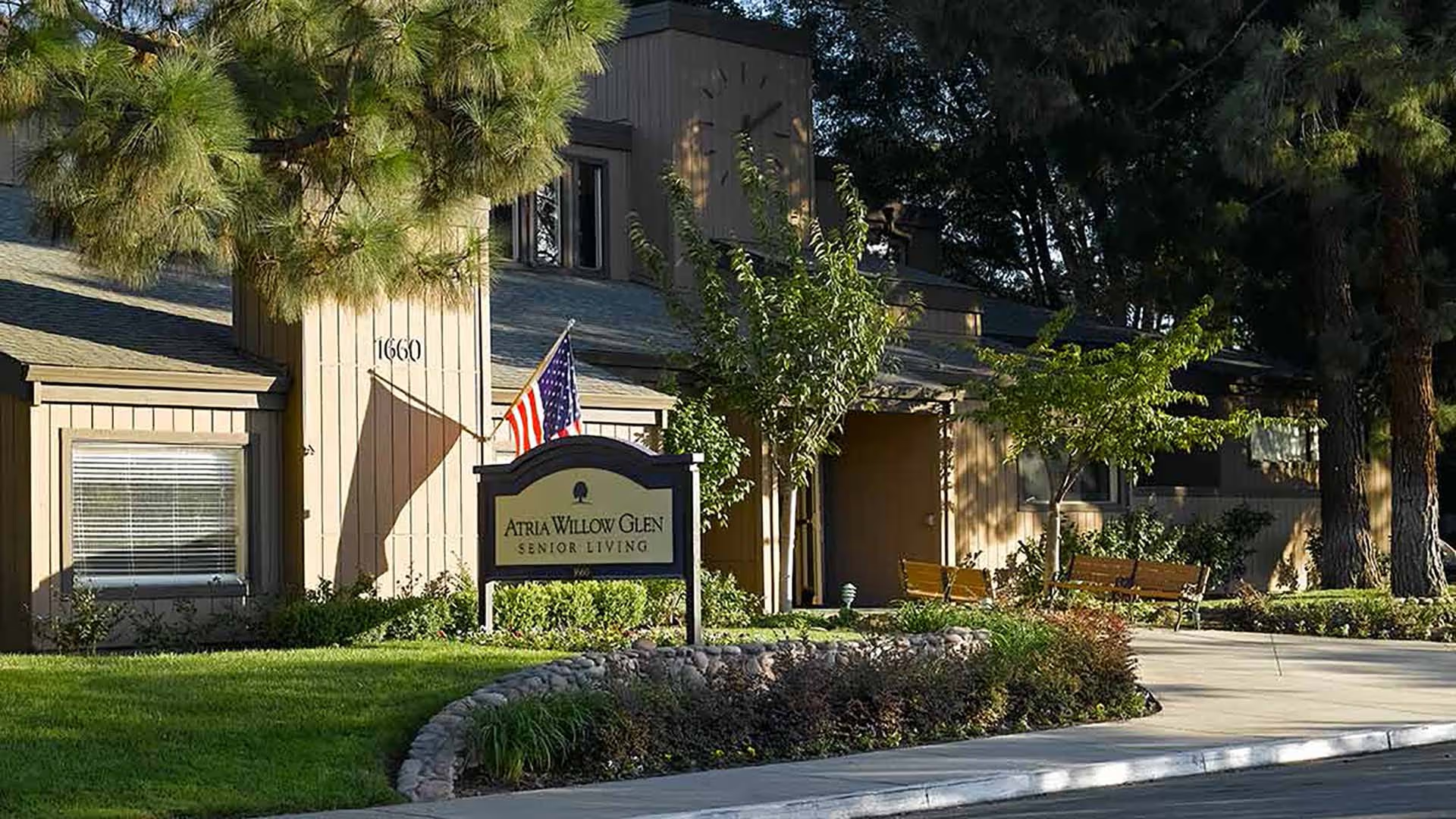
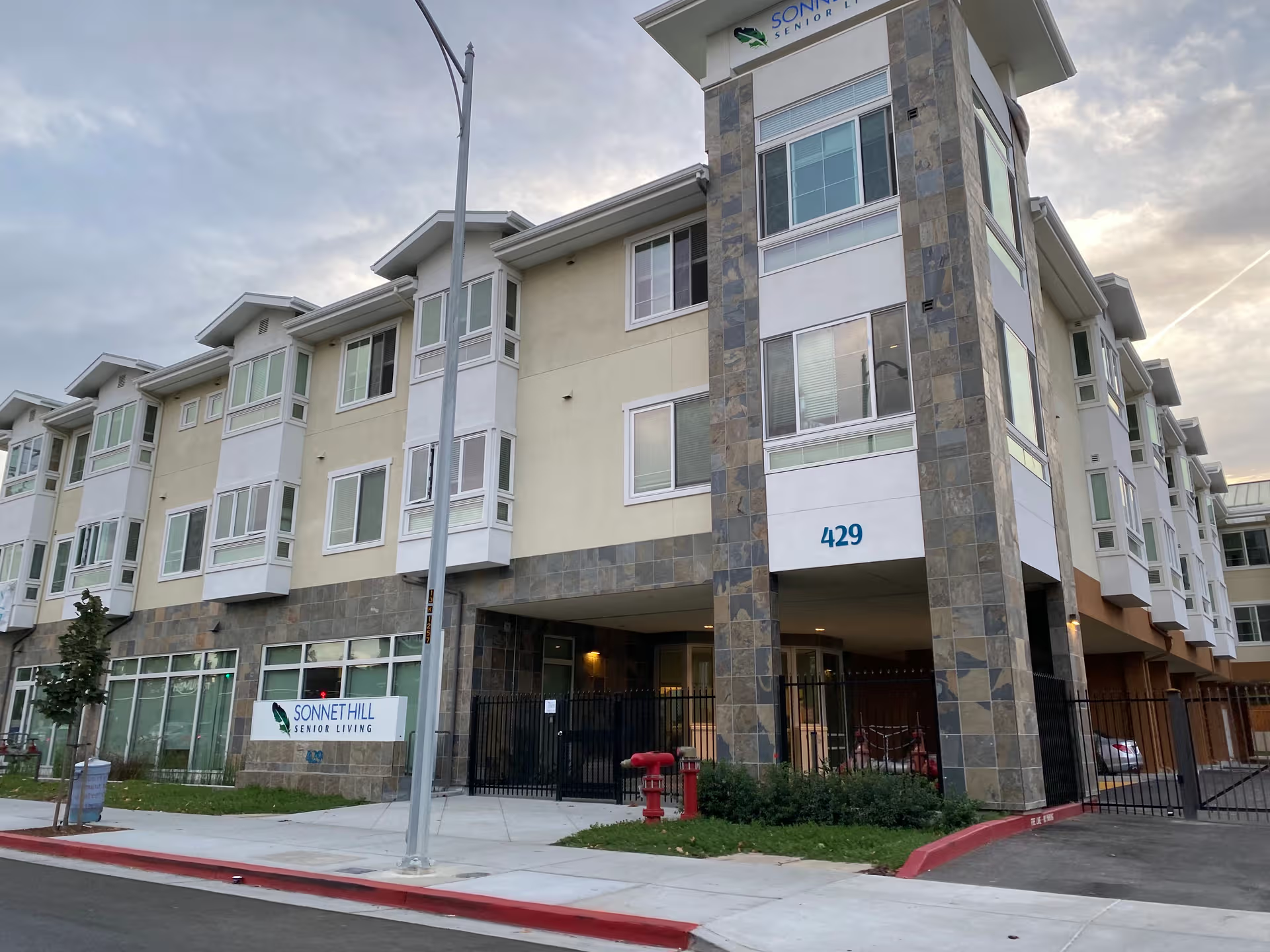
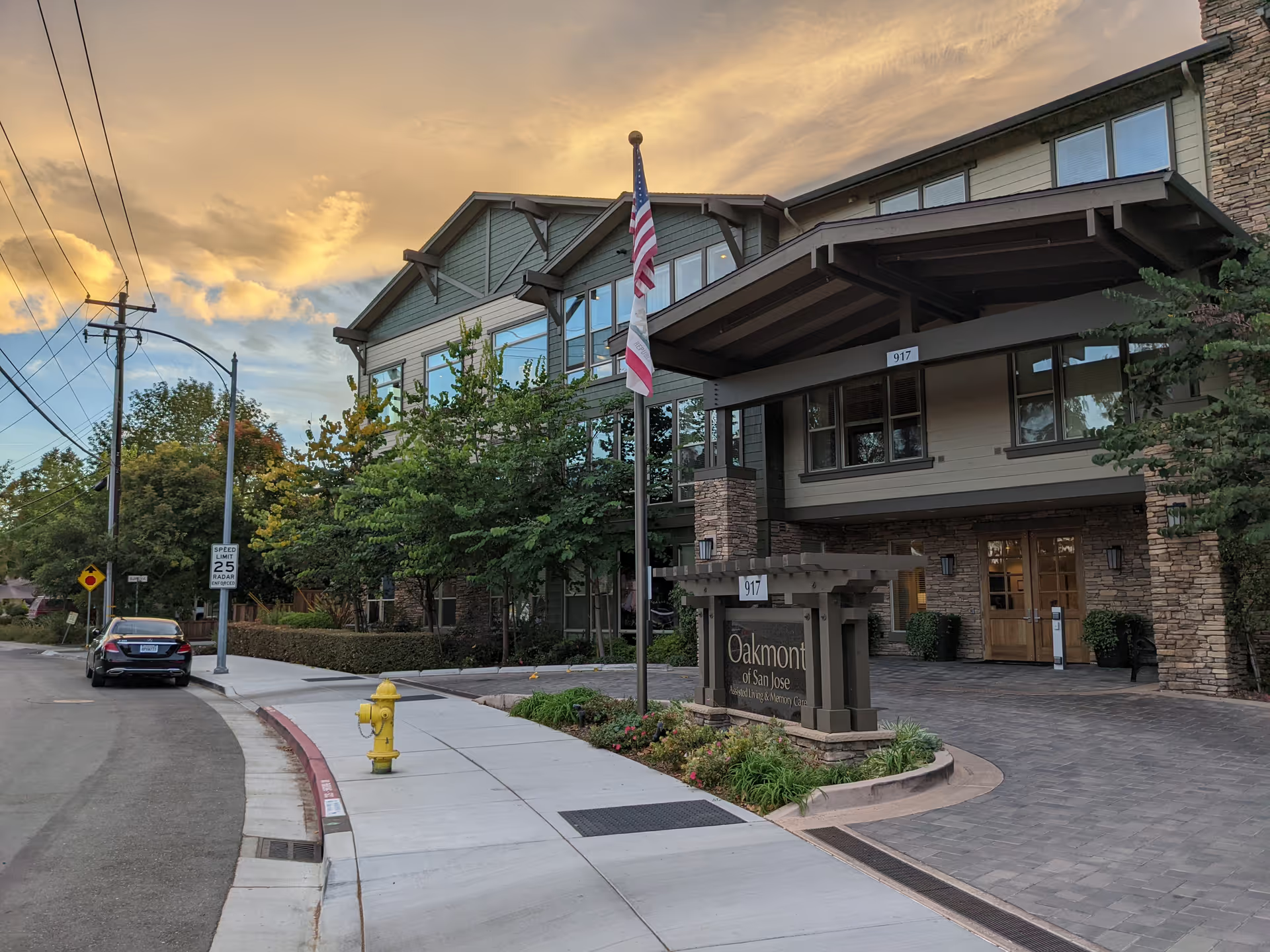
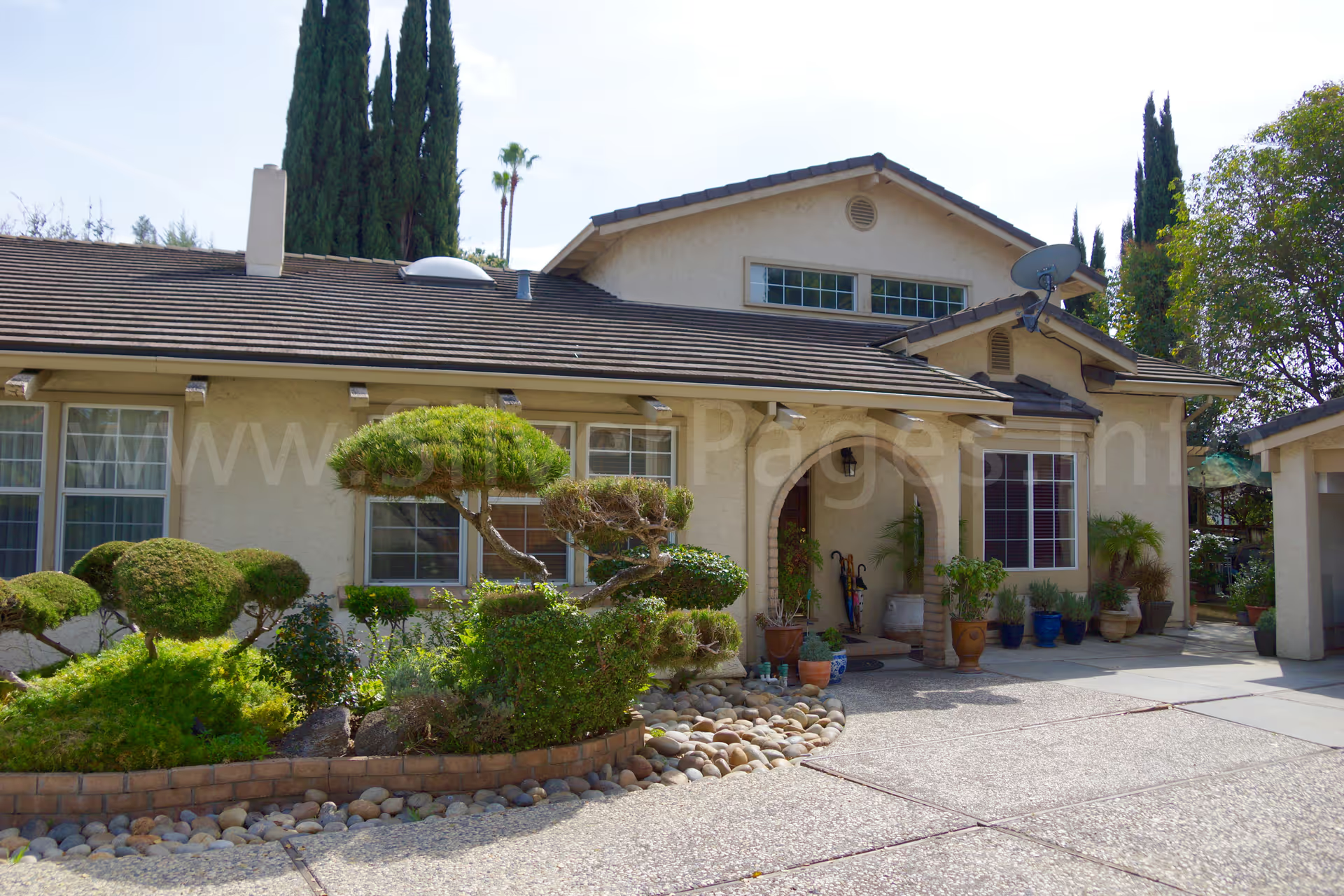
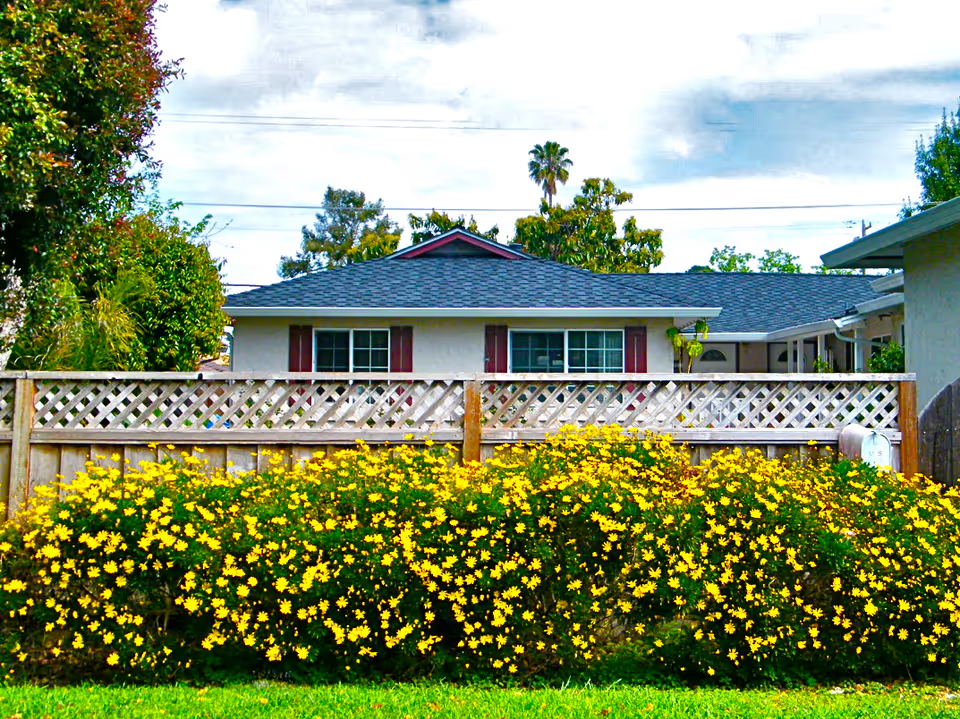
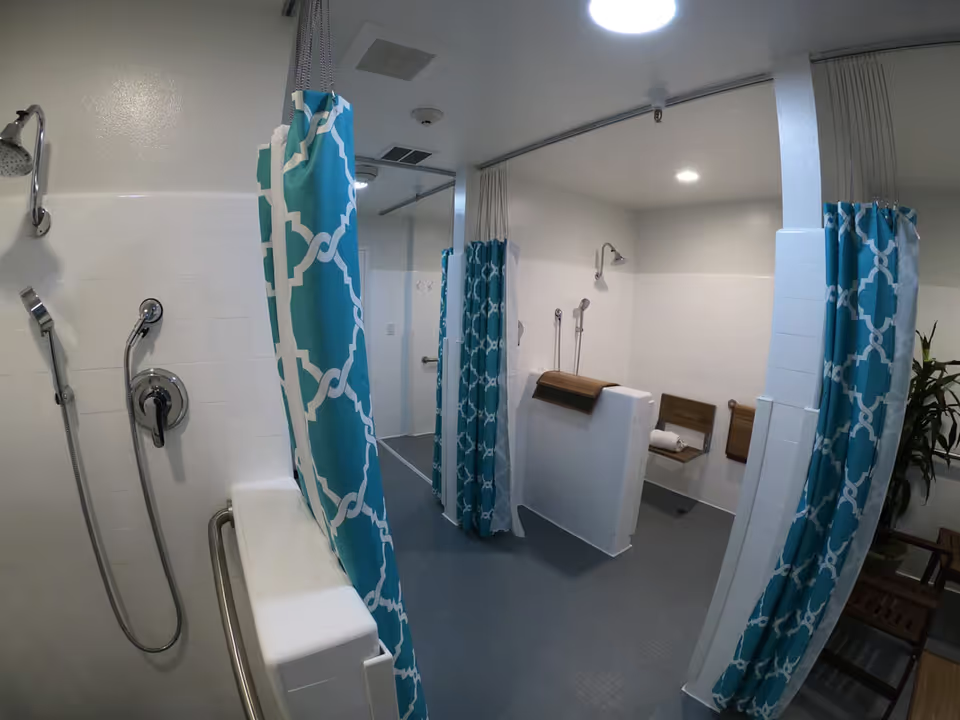
Activities and environment: The facility environment is frequently described as clean, welcoming, and home-like, with a range of activities including specialty classes. Some areas are undergoing renovation, which many reviewers view positively. Nonetheless, a few comments point to crowding in certain units and occasional odor or sanitation concerns in specific locations; these appear localized rather than systemic according to the broader set of comments.
Policies, safety, and logistics: COVID-19 safety procedures and check-in protocols are noted as strong by many families, but there is also feedback that visitor, vaccine, and PPE policies can be unclear or inconsistently applied. Parking limitations and accessibility of on-site parking are practical constraints mentioned by multiple reviewers. Communication around discharge logistics, transportation, and insurance coverage has been inconsistent for some families; clarity before admission is advisable.
Notable patterns and recommendations: The dominant pattern is one of excellent rehabilitative focus and compassionate front-line staff, tempered by operational inconsistencies—primarily staffing variability (night coverage), variable meal execution, translation gaps, and episodic sanitation or communication breakdowns. A few serious allegations about clinical outcomes and post-incident communication appear in the dataset; while not the norm, they warrant direct inquiry. Prospective residents and families should tour the facility, meet the therapy and nursing teams, ask for recent quality/inspection information, confirm night-shift staffing levels, clarify visitation and vaccination policies, and verify language and insurance supports before admission.