Overview: Reviews of Sequoia Vista Care present a mixed picture. Many families and visitors praise clinical teams, therapy services, activities and dining; others raise operational and interpersonal concerns that affect resident experience and family confidence. The facility shows clear strengths in direct resident care in several reports, but also recurring system-level weaknesses that prospective residents and families should consider.
Care quality and clinical services: Strengths include attentive nursing, dedicated CNAs, and well-regarded physical and occupational therapy. Multiple comments note timely medication administration and effective therapy for recovery. At the same time, there are recurring concerns about uneven clinical competence and training, inconsistent personal-care routines (for example, delayed or missed showers and assistance), gaps in pain-management timeliness, and failures in care coordination. There are also a small number of serious allegations of intentional harm and concerns following a resident's death; these are individual but significant and should prompt families to request incident histories and quality metrics during any tour or conversation with administration.
Staffing, communication and culture: Many reviewers describe compassionate, long-tenured staff and a positive workplace culture that supports resident-focused care. Conversely, others describe high staff turnover, frequent schedule changes, inconsistent weekend coverage, and poor handoffs between shifts. Communication challenges surface frequently: families report unreturned calls, unclear updates about therapy progress, missed transportation or appointments, and tense interactions with certain staff members. Front-desk interactions are described as variable, ranging from warm and welcoming to curt and unhelpful, and visitation processes are not always clearly explained to visitors.
Dining, activities and resident life: Dining and activities are frequently cited as strengths. Reviewers describe flavorful meals that residents enjoy, attentive dietary staff, and engaging activity programs that contribute to a family-oriented atmosphere. These offerings are often highlighted as reasons residents are comfortable and making progress in recovery.
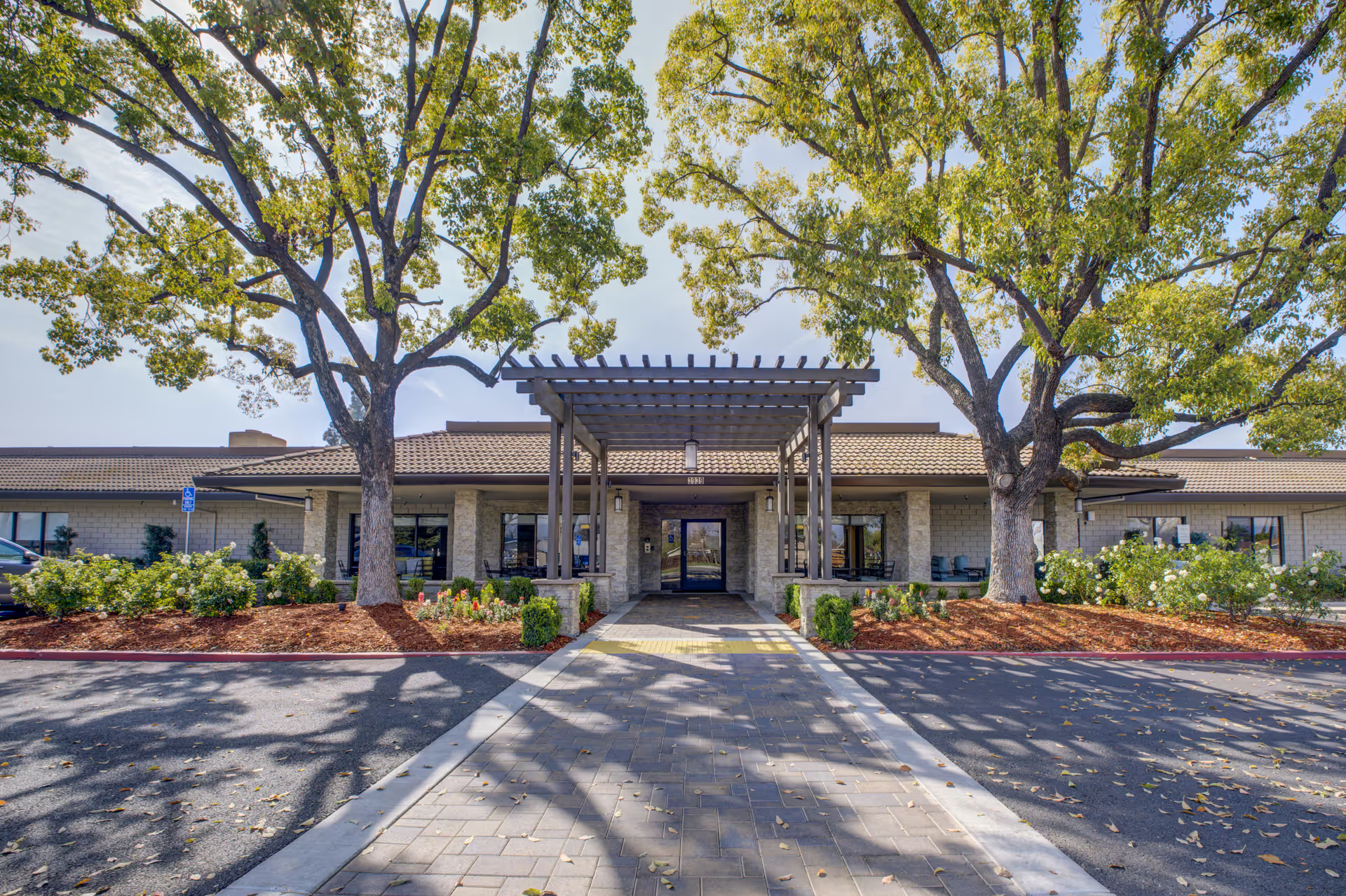
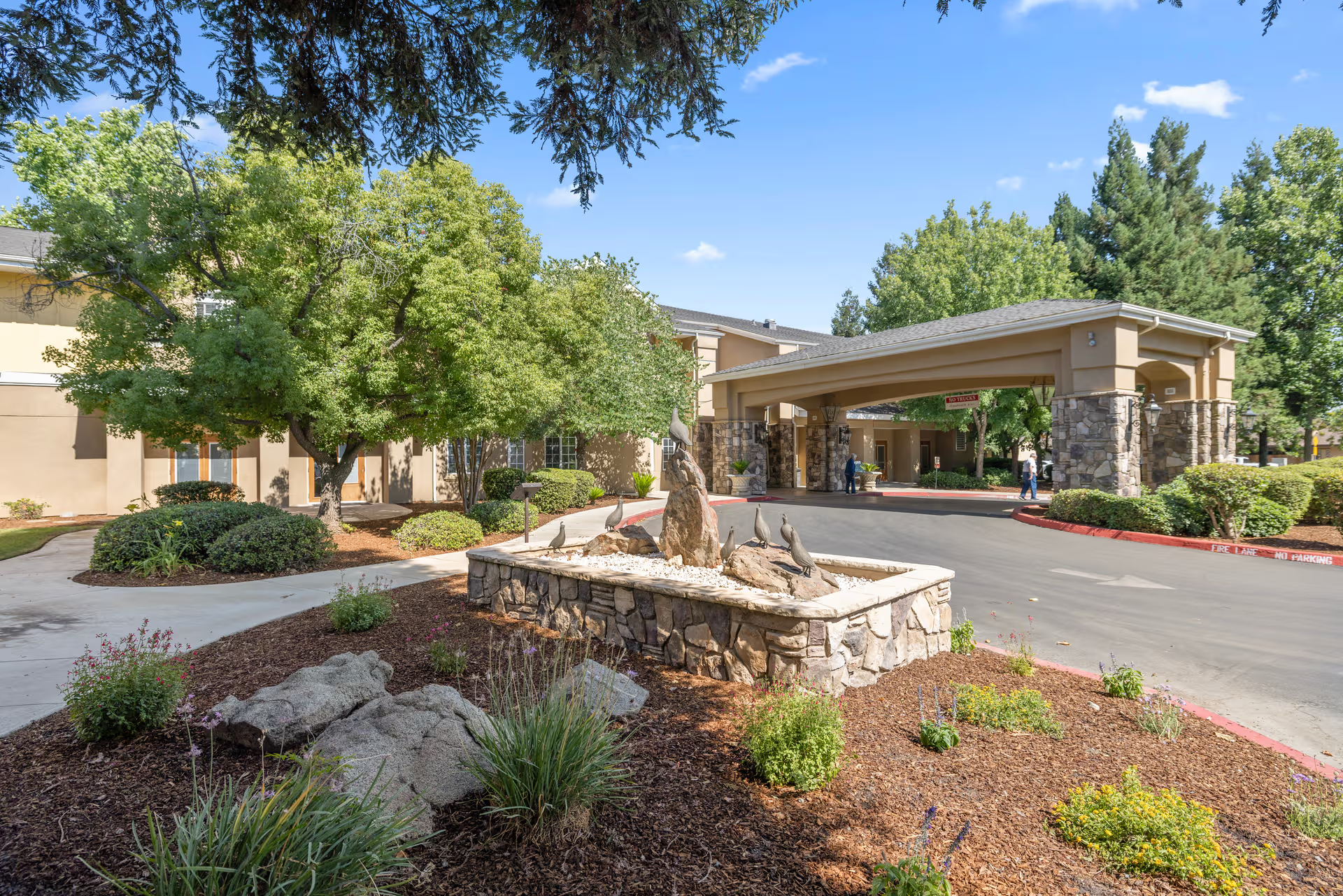
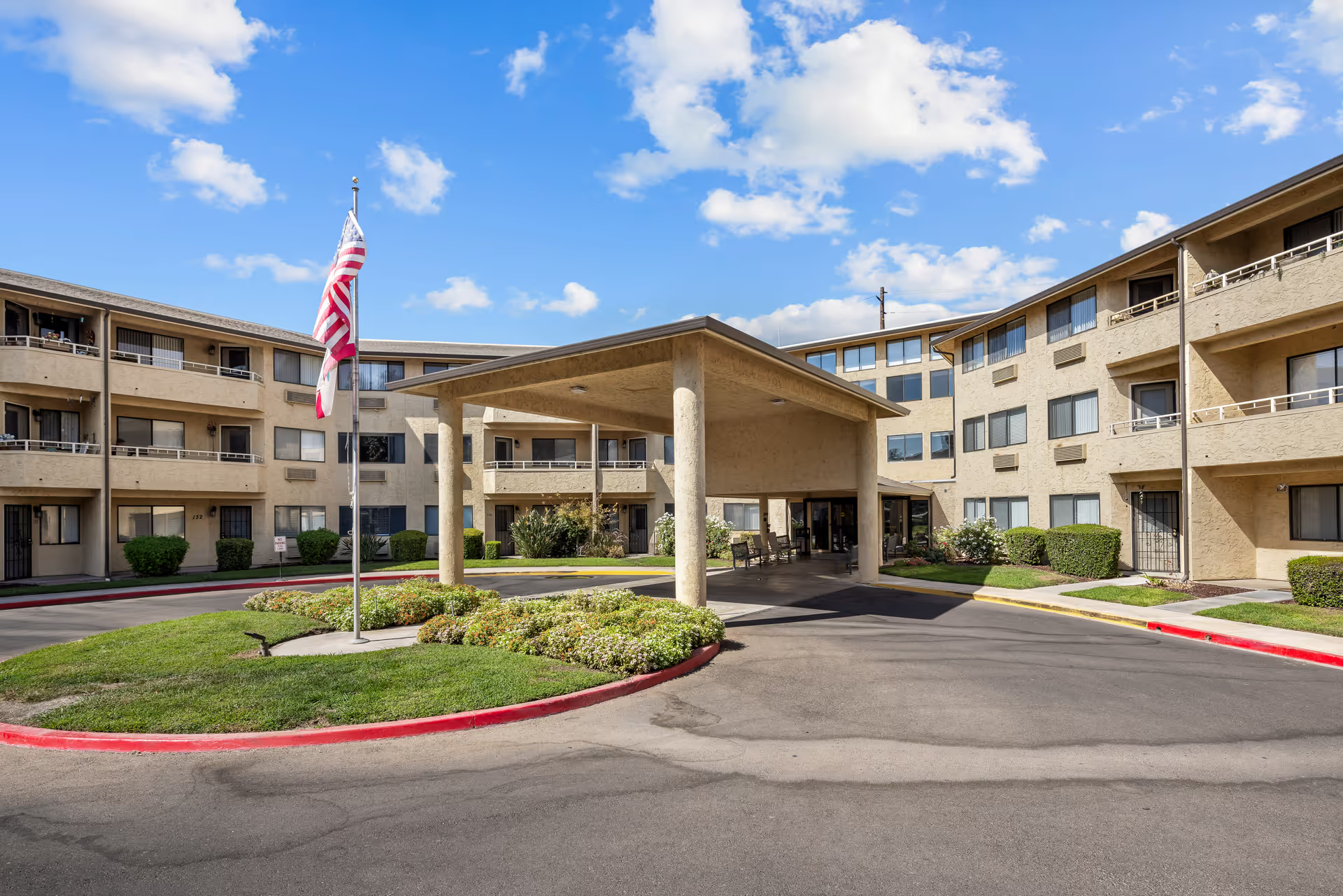
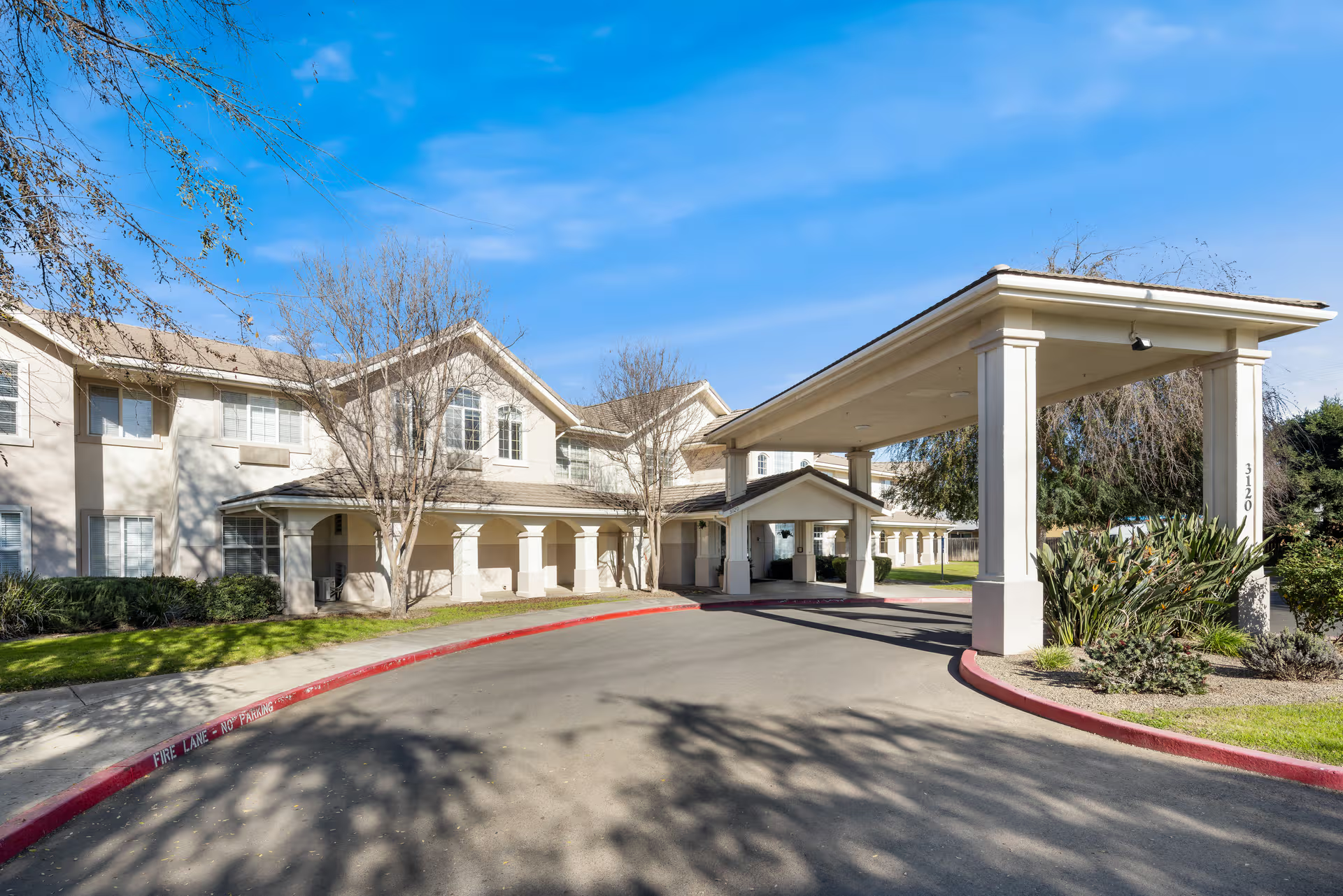
Facilities, cleanliness and logistics: Many visitors observed clean, well-maintained interior areas and an odor-free environment. At the same time, there are specific cleanliness and maintenance concerns noted in some areas — for example, stained windows, carpet issues, kitchen cleaning practices, broken laundry equipment, and outdoor landscaping neglect. Practical logistics such as handicap parking, blocked access, and outdated phone contact information were also raised and may affect family convenience and access.
Management and operations: Experiences with administration vary. Some families report helpful, smooth admissions and transition coordination and note improvements under newer management; others report disorganization during admissions, paperwork errors, bed shortages and transfer delays. Transparency around infection-control events and timely family notification is an area of concern for some families. Reviewers who had positive interactions highlight specific staff members by name as helpful; those with negative experiences point to inconsistent follow-through and unclear policies.
Notable patterns and recommendations: The overall pattern is one of polarization: many families express strong satisfaction with direct care, therapy and daily life; others describe operational failures that meaningfully affected resident well-being. Prospective residents and families should prioritize an in-person tour that includes conversations with nursing leadership and therapy staff, review of recent inspection and incident records, clarity about staffing levels (including weekend coverage), explicit expectations for personal-care routines and therapy scheduling, and confirmation of current contact and visitation policies. Asking for references from current families, and documenting admission and transfer paperwork expectations, may also help determine whether the facility's current operational performance matches the positive aspects many reviewers described.