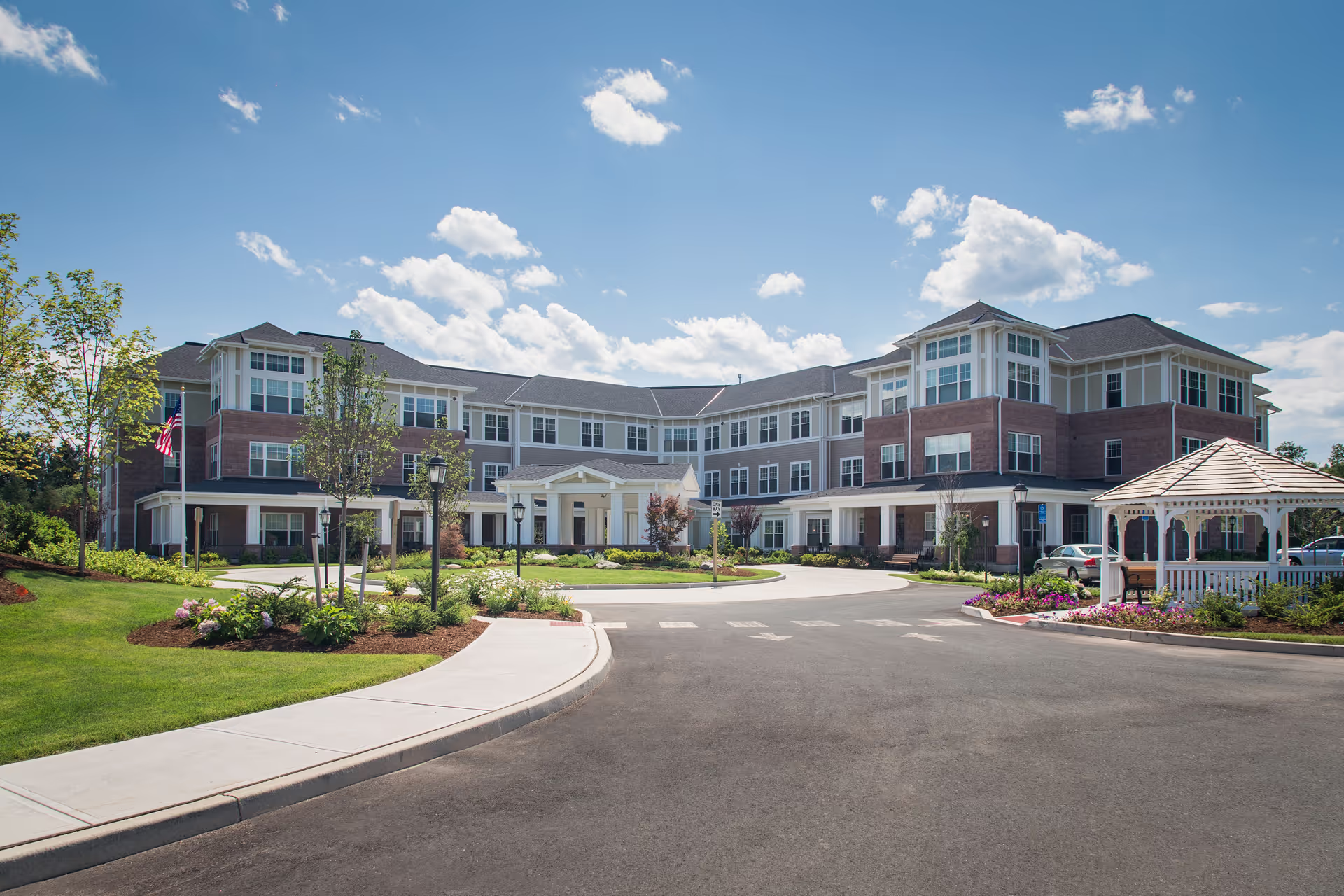
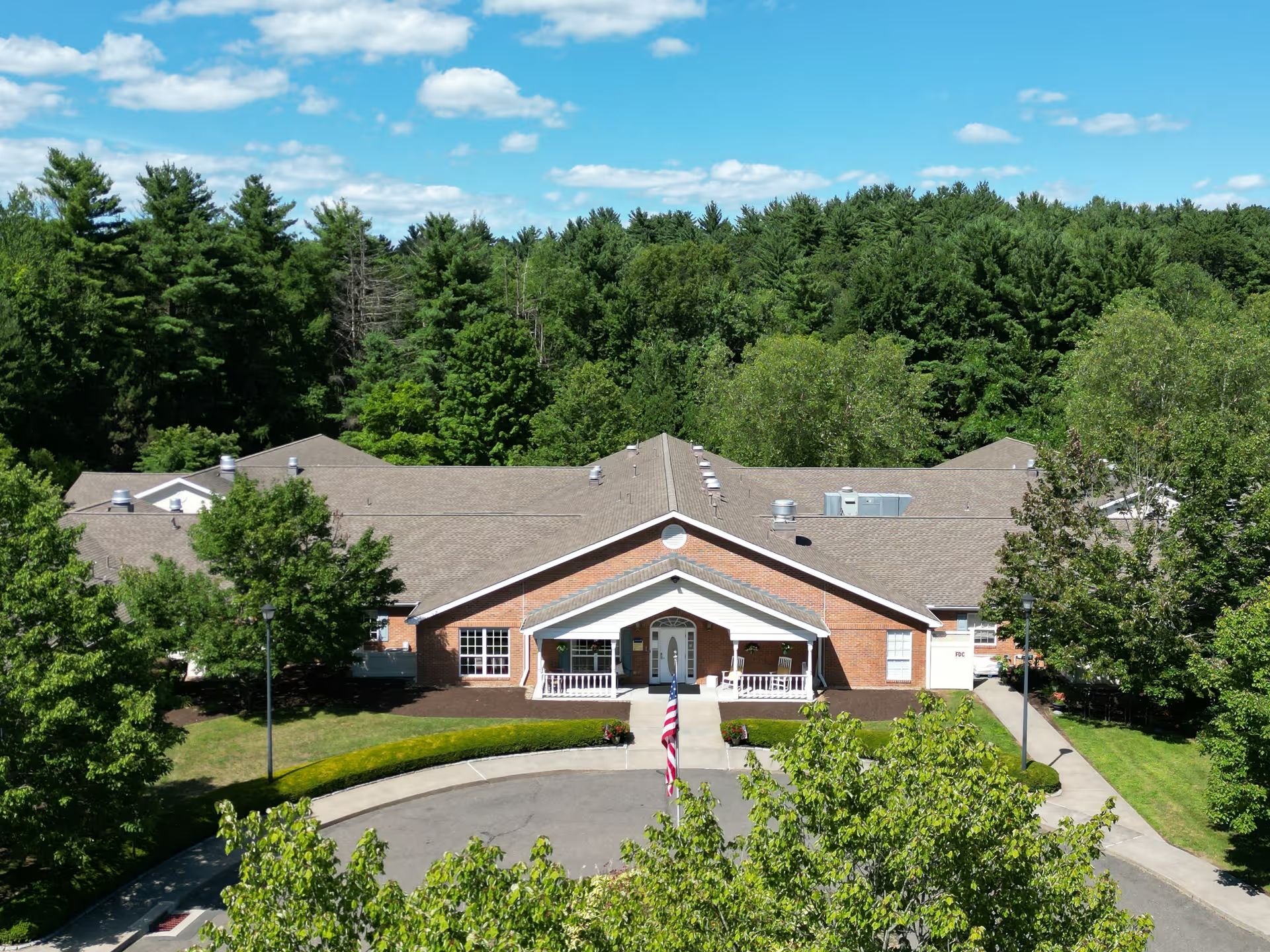
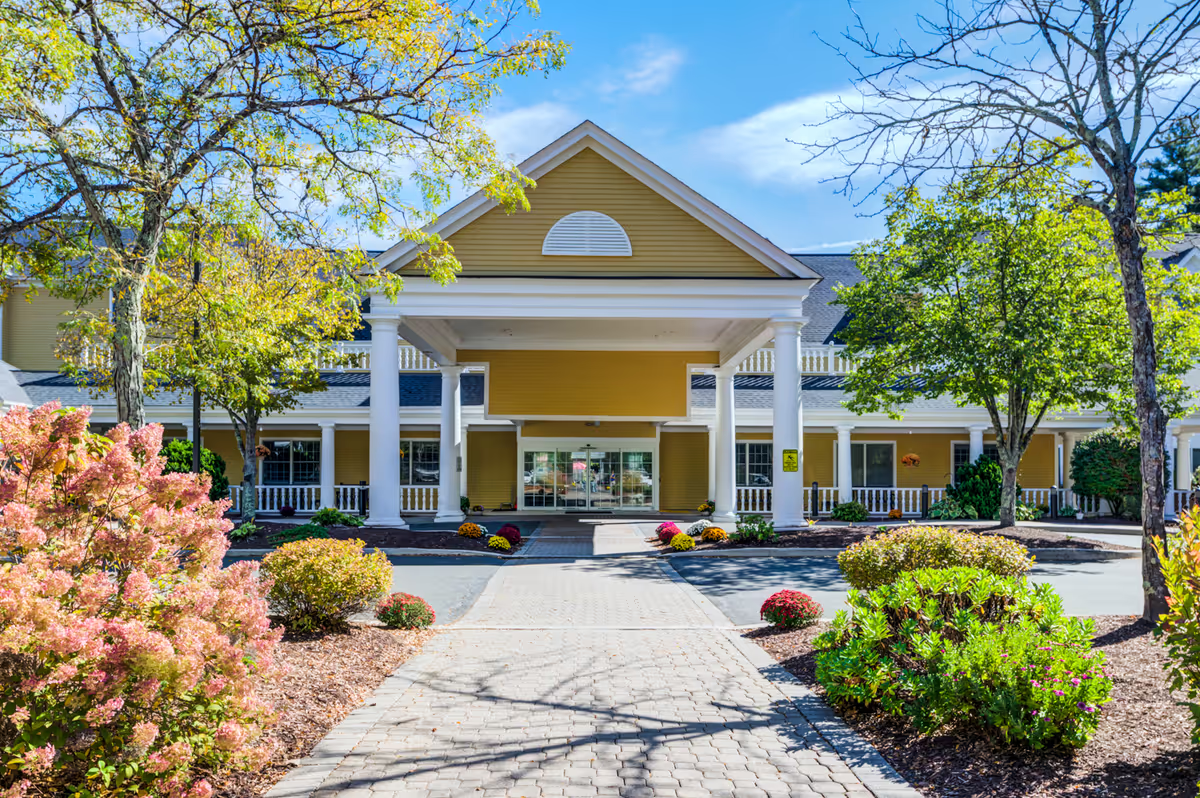
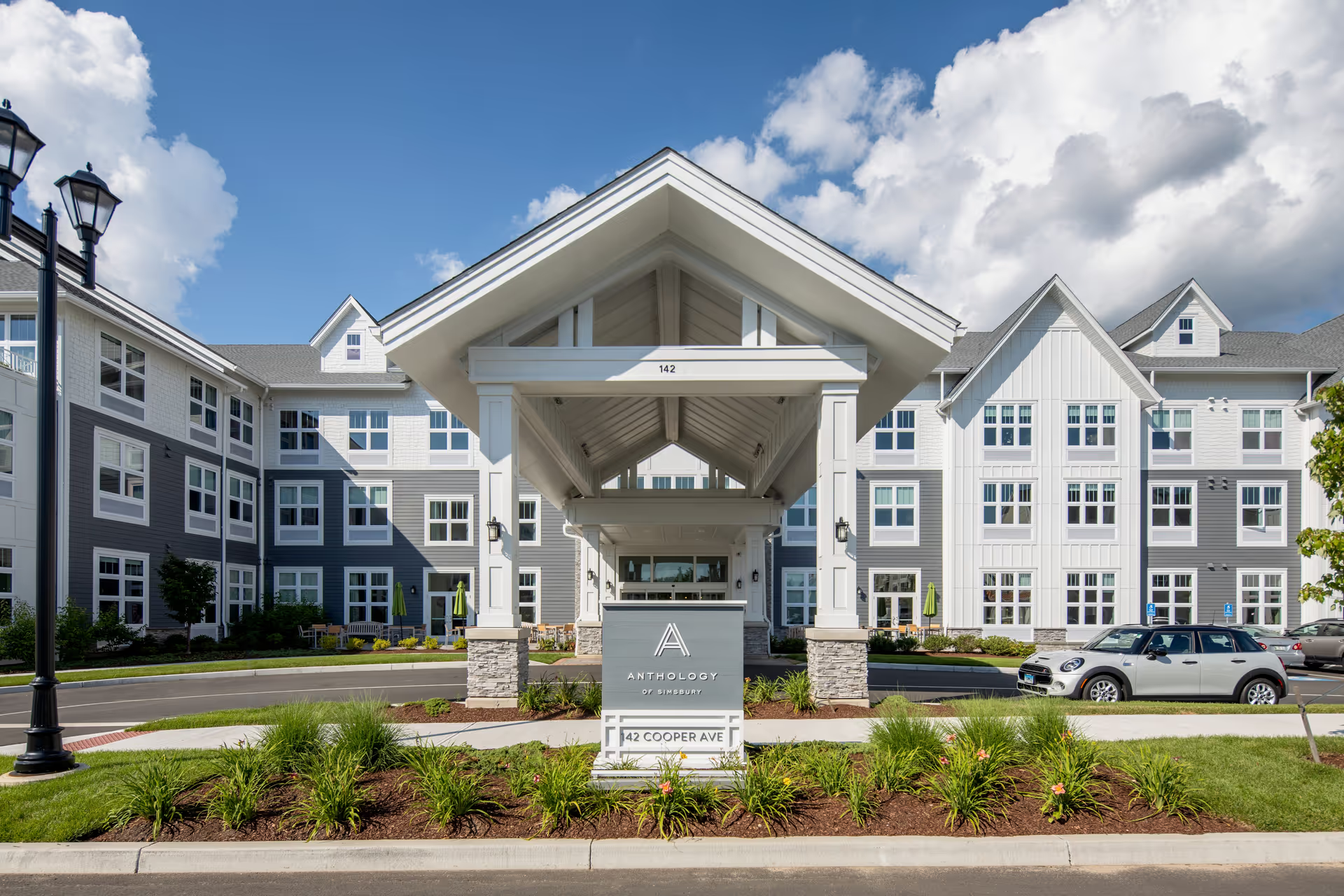
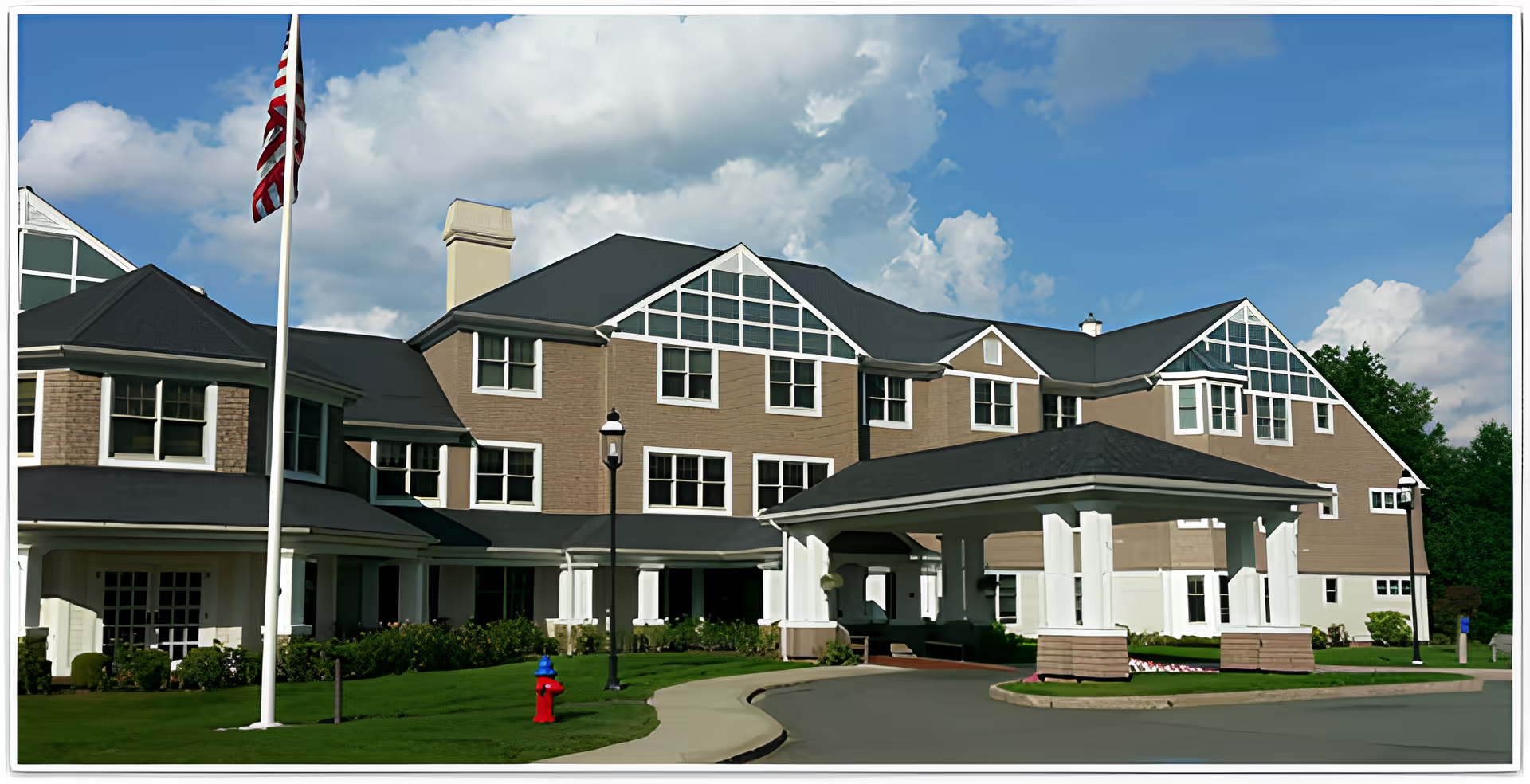
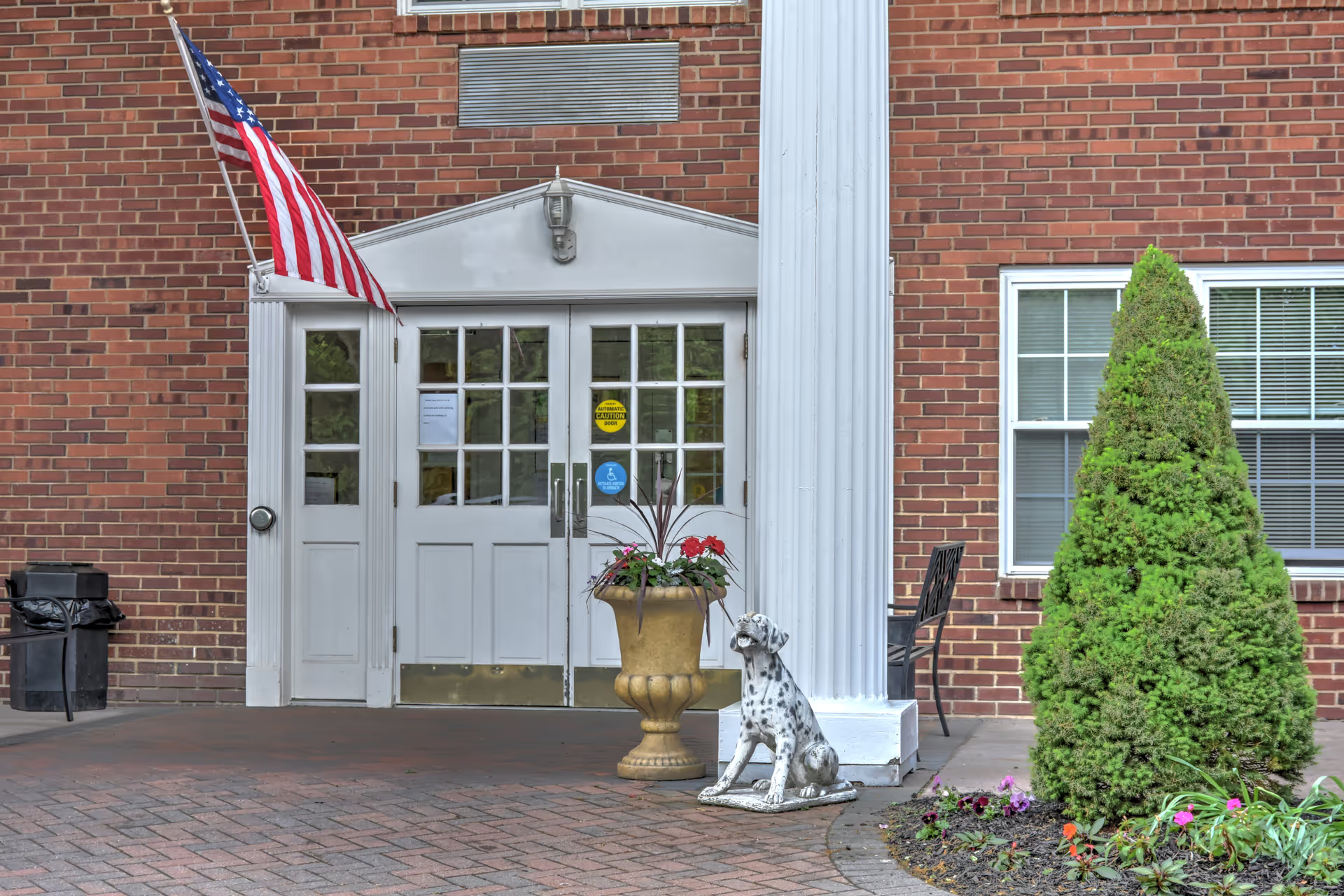
The reviews present a mixed picture with clear operational patterns that prospective residents and families should consider. The facility's location and occasional clean appearance were mentioned as positives; however, multiple reviewers described persistent problems that affect daily life and clinical continuity.
Care quality shows concerning variability. Reviewers described at least one significant nutrition-administration lapse related to tube feeding and cited delays in discharge paperwork and other clinical documentation. These items point to gaps in clinical-procedure adherence and care-coordination processes rather than isolated administrative oversights. Families should ask the facility for current policies on tube-feeding protocols, charting and discharge workflows, and what safeguards are in place to prevent similar lapses.
Staff-related comments emphasize shortcomings in communication and professional conduct. Several accounts refer to unreturned calls and emails, difficulty reaching staff by phone, and interactions perceived as rude or unhelpful. Reviewers also flagged management and supervisory issues, including high turnover and concerns about disciplinary practices; these suggest instability that can affect continuity of care and institutional culture.
Dining and nutrition received limited direct commentary aside from the tube-feeding concern. There is not enough consistent information about meal quality or activity programming in the available summaries; nevertheless, the nutrition-administration issue raises a broader question about oversight of dietary and clinical feeding services that families should review in person.
Facility infrastructure and housekeeping are recurrent themes. Reviewers described sanitation and odor concerns in rooms and common areas, along with maintenance problems such as broken air-conditioning in main areas and nonfunctioning televisions. These point to weaknesses in environmental services and facilities maintenance that can affect comfort and infection-control practices.
Management and administrative access emerged as a cross-cutting issue. Delays in paperwork, difficulty contacting staff, and reports of unhelpful social-work interactions indicate process and communication gaps. Prospective families should request examples of communication protocols, staff-to-family contact expectations, and recent staffing-stability metrics during tours and admissions discussions.
In summary, while there are some positive notes regarding location and occasional cleanliness, the dominant patterns in the reviews involve communication failures, professionalism concerns, maintenance and sanitation issues, and gaps in clinical and administrative processes. These are actionable areas to probe further during visits: ask for current corrective-action plans, staffing rosters, specific clinical-procedure safeguards (especially for tube feeding), and examples of how the facility handles family communications and discharge planning.