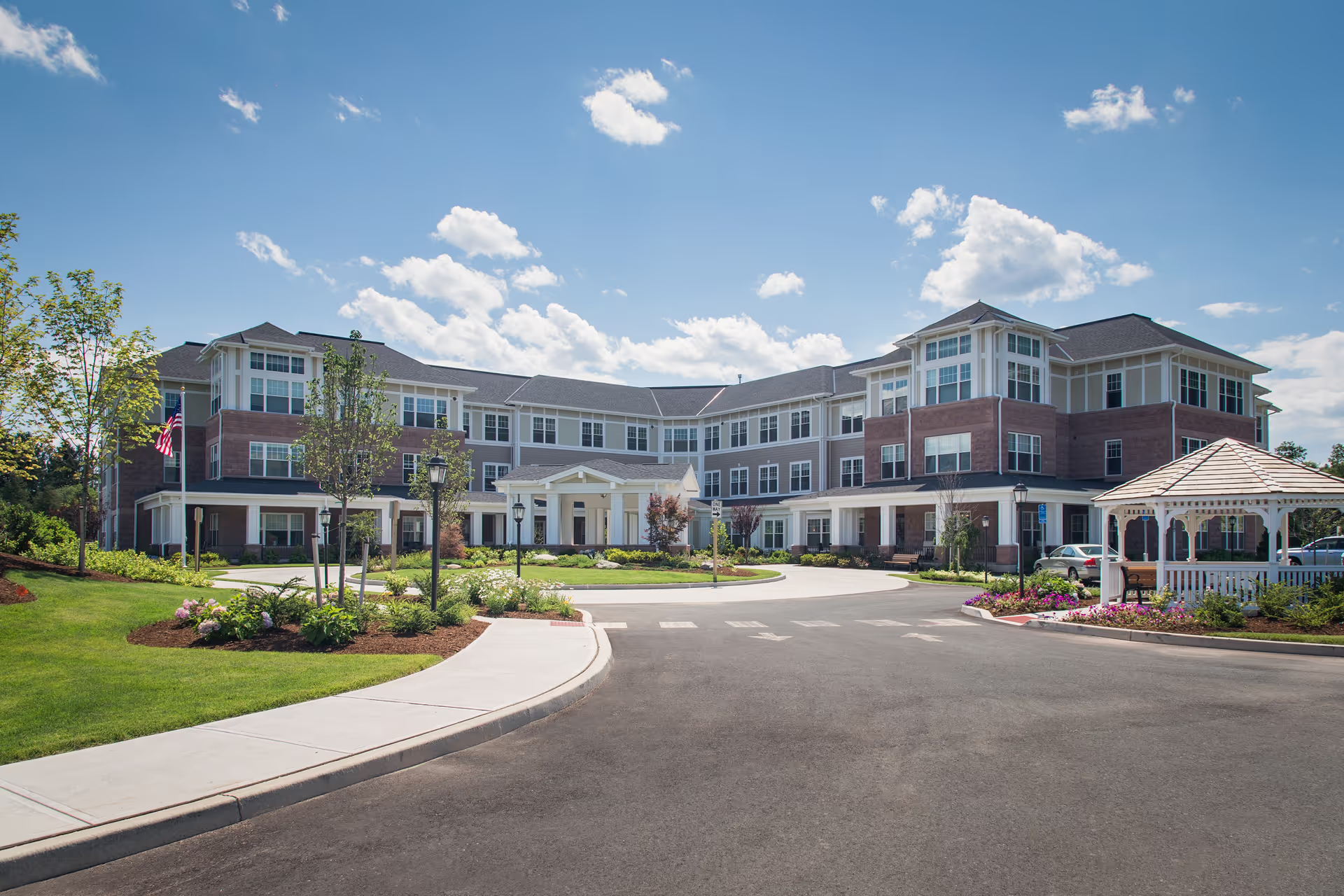
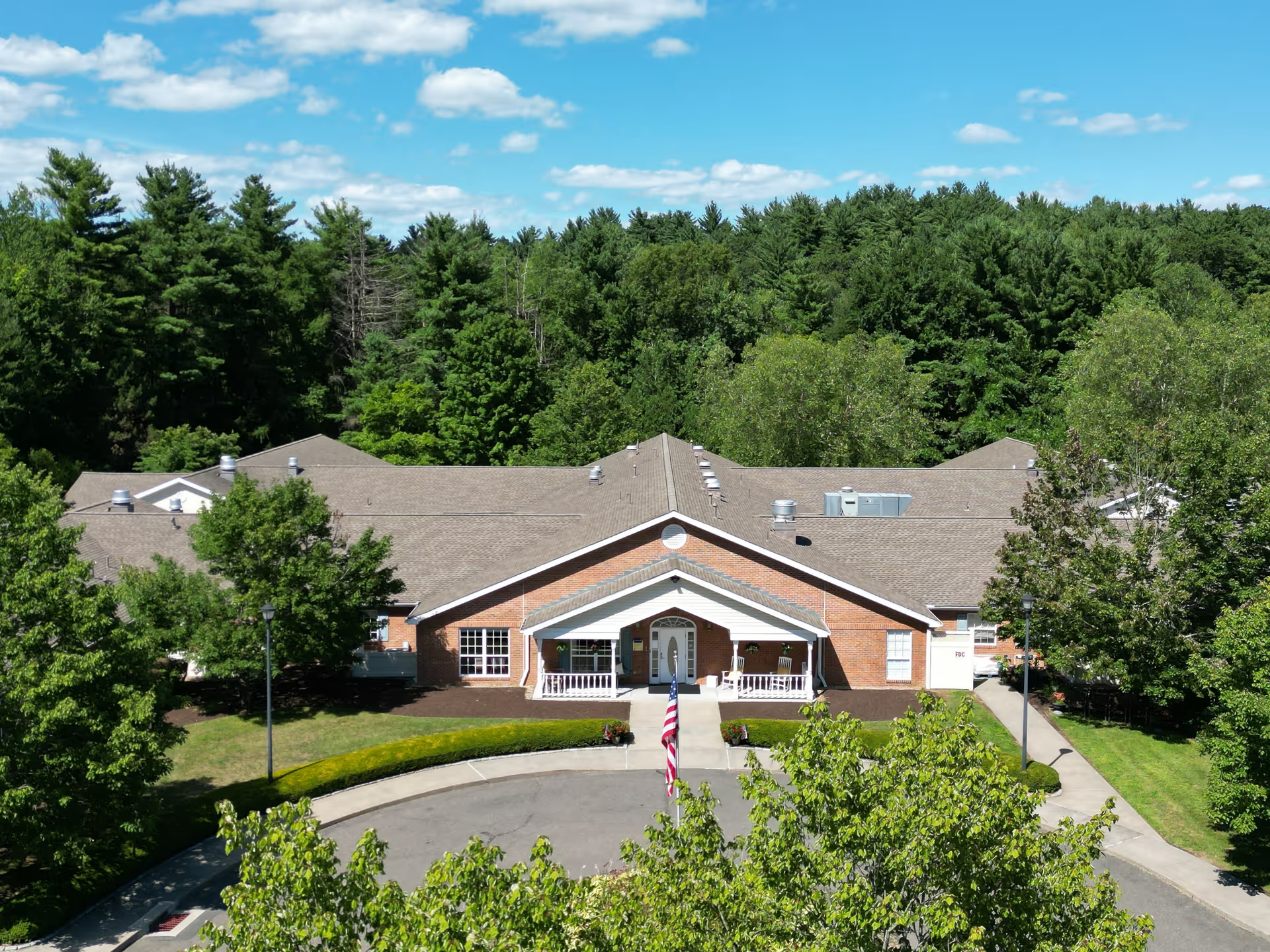
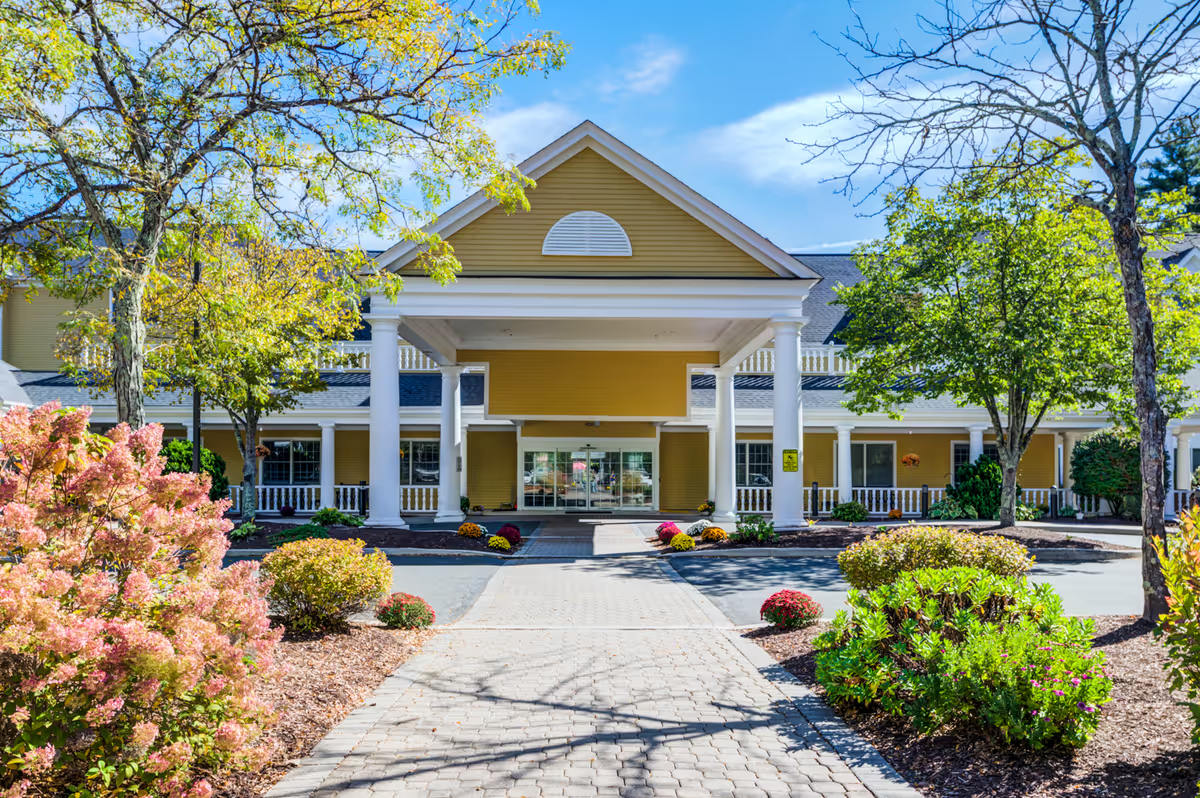
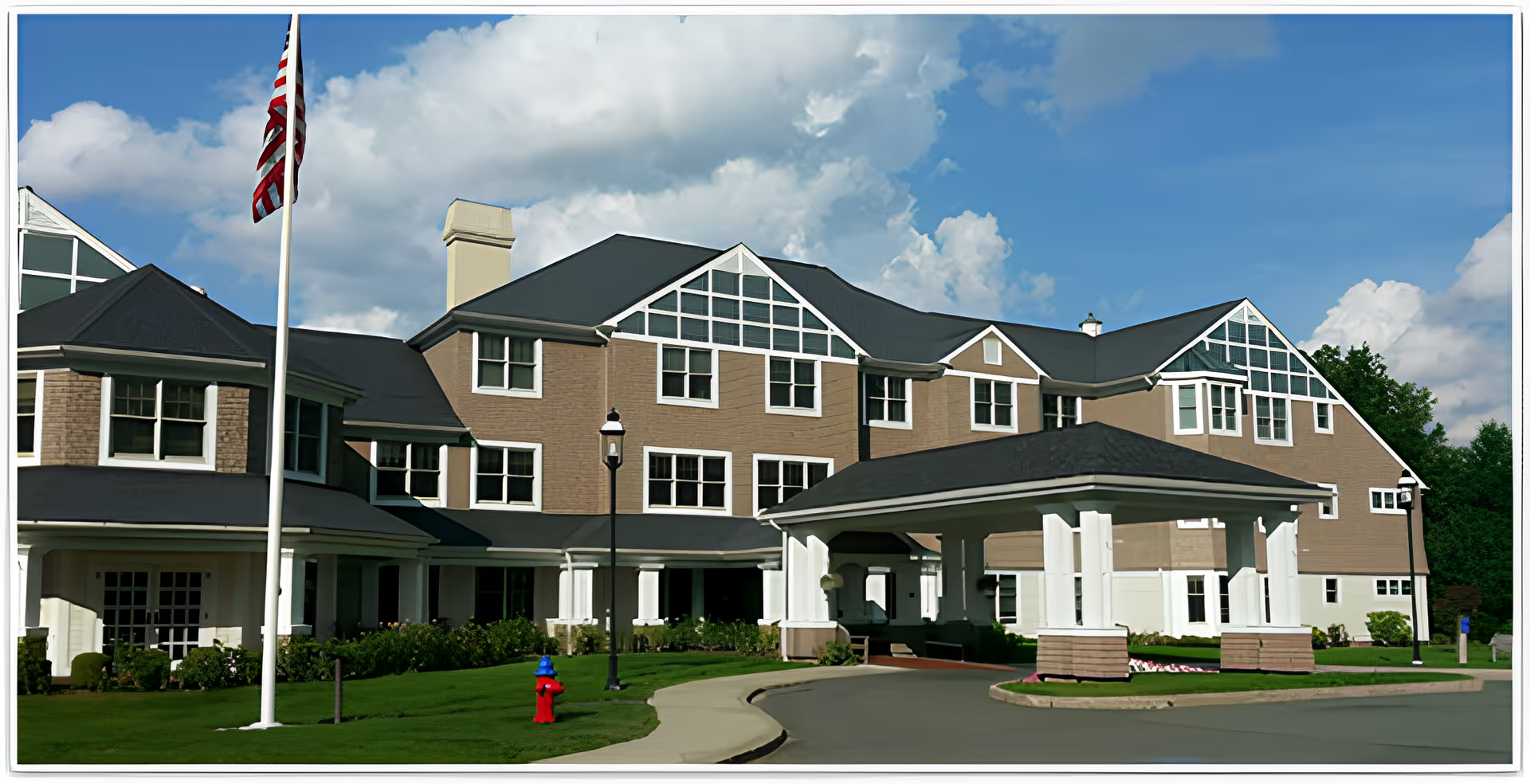
Skybrooke at Simsbury is presented consistently as a modern, well-appointed senior living community with a broad amenity set and a strong emphasis on social engagement. Reviewers frequently highlight the facility’s attractive design, comfortable apartments, and an array of on-site amenities (movie theater, salon, billiards, fitness areas, outdoor gathering spaces) that support a lifestyle-oriented environment. Many families note that the overall atmosphere can feel home-like and family-oriented for residents who thrive on social programming and regular activities.
Care quality and staff performance emerge as the community’s primary strengths and the main source of family reassurance. Numerous accounts emphasize compassionate, attentive caregivers, proactive nursing coverage in memory-care neighborhoods (including 24-hour nursing presence), and effective teamwork among direct-care staff. Several reviewers specifically praise move-in assistance, individualized care plans, rehabilitation/therapy services, and reliable emergency response. These strengths are credited with producing measurable benefits: residents who become more socially engaged, families experiencing peace of mind, and visible staff–resident rapport.
Dining and food service receive mixed but specific feedback. On the positive side, many reviewers describe appealing, restaurant-style presentation, accommodating dietary restrictions, weekly menu updates, and flavorful dishes that contribute to resident satisfaction. At the same time, there are recurrent comments about inconsistent meal quality over time (including changes after staffing or kitchen transitions), occasional interruptions to meal service, and limited adaptation of entrée texture or presentation for some memory-care residents. Prospective residents should consider sampling meals and asking about current culinary leadership and continuity of kitchen staffing.
Activities and programming are a frequently cited strength, with a variety of enrichment options (musical events, weekly performances, classes, outings, and communal social opportunities). For many residents the programming is a defining benefit that supports social engagement and an active routine. However, some reviewers describe variability in activity frequency or variety; a few residents found some offerings passive (TV-centric) or insufficient for more independent residents seeking a denser activity schedule.
Operational and management patterns are an area of divergence in the feedback. While some families commend accessible leadership, proactive communication, and improvements attributed to executive direction, others note administrative communication gaps, unanswered questions, and a sense that follow-through on concerns can be inconsistent. Staffing stability is an important recurring theme: several comments indicate frequent personnel turnover and use of temporary agency staff, which reviewers link to variability in care continuity, housekeeping, and service reliability. Housekeeping and laundry service reliability are called out specifically as inconsistent in some descriptions, and a few families flagged cleanliness or room-maintenance shortfalls.
Other practical considerations that appear repeatedly include transportation and parking limitations, occasional accessibility accommodations that did not match expectations, and concerns about pricing transparency and cost. The facility is widely described as premium in both physical quality and price point; prospective families should weigh the community’s amenity and care offerings against those financial considerations.
In summary, Skybrooke at Simsbury is characterized by strong caregiving culture, comprehensive amenities, appealing design, and active programming that many residents and families find highly beneficial. The principal operational weaknesses to evaluate further are staffing stability, consistency of housekeeping and meal service, and administrative communication. Visitors and decision-makers would benefit from focused questions during tours about current staffing models (including use of agency staff), housekeeping schedules and quality controls, recent changes in dining leadership, protocols for memory-care meal adaptations, and clear cost and transportation/parking policies. These targeted inquiries will help clarify whether the community’s many strengths align with an individual resident’s priorities and care needs.