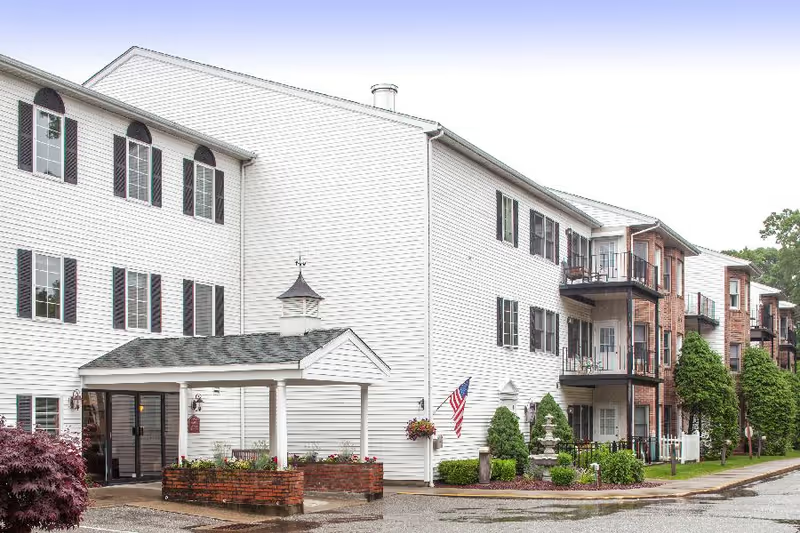
Village Crest Center for Health & Rehabilitation generates a mixed but generally positive impression with notable strengths in personalized care and rehabilitation. Many families describe staff who create a family-like atmosphere, with nursing and aide personnel characterized as compassionate, attentive, and communicative. The facility's therapy teams (PT/OT) receive frequent praise for knowledge, problem-solving, and a focus on functional recovery; reviewers commonly credit the rehab program with helping residents regain strength and return home when appropriate. Hospice and end-of-life services are also mentioned favorably, with staff described as respectful and supportive during difficult transitions.
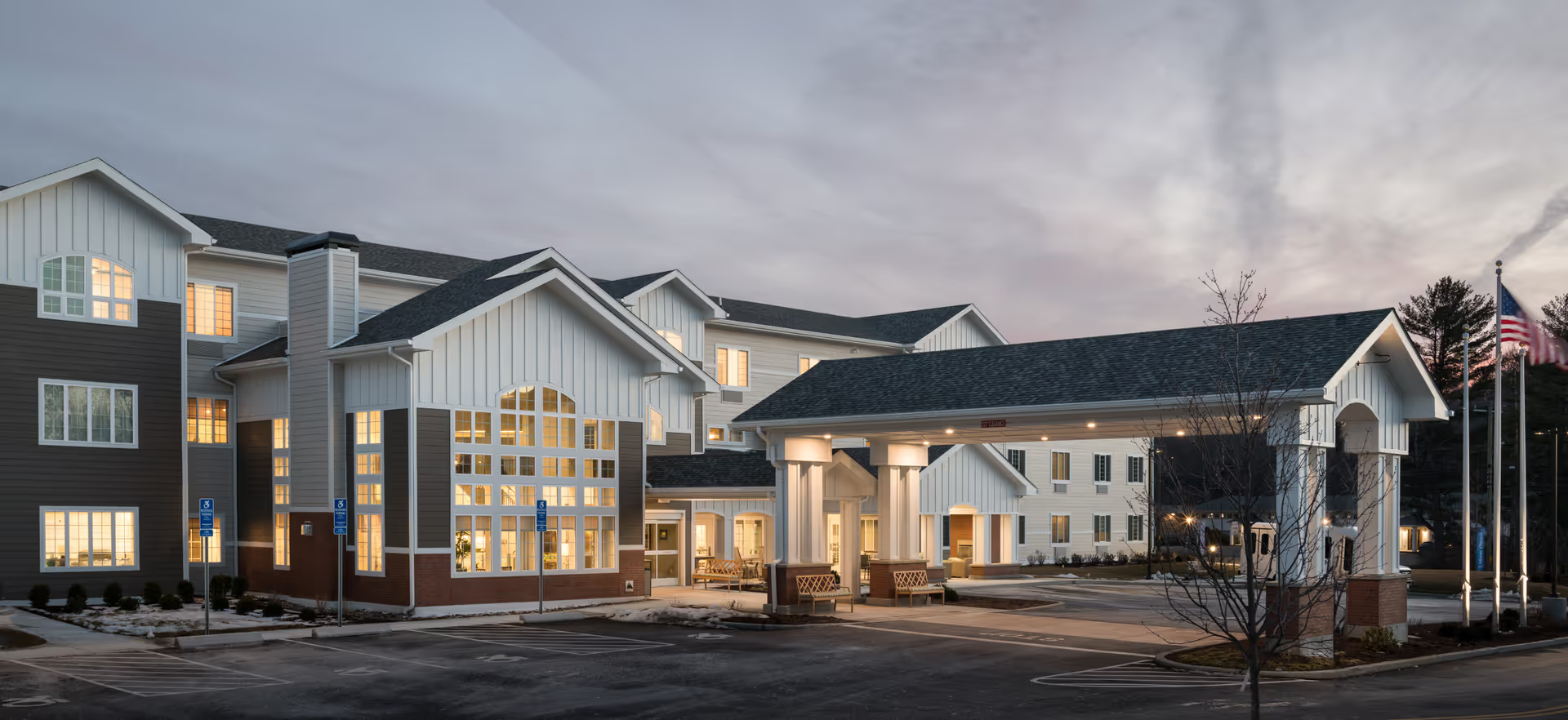
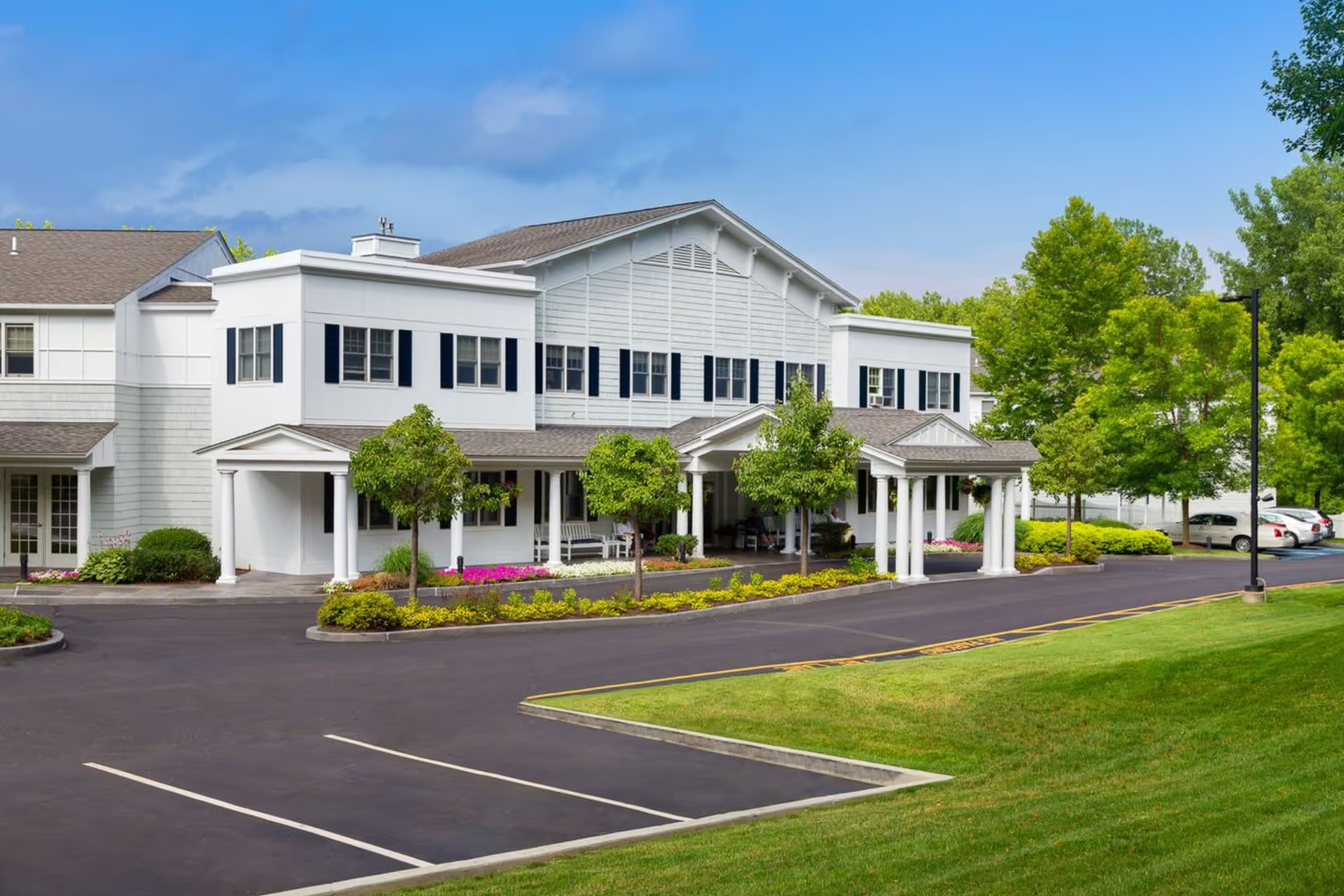
Operationally, the facility earns credit for clean, well-appointed resident rooms, a welcoming lobby, and an organized rehab gym. Activities programming — including beauty-parlor days, bowling, and organized outings — contributes to resident engagement. Several comments highlight responsive administration and an effective social-work presence that supports families through care planning and discharge. Meal service is often described as accommodating, particularly for residents with specific preferences, and many reviewers note prompt assistance and reliable medication scheduling.
However, a recurring set of operational concerns appears across reviews. Staffing consistency and direct-care coverage are uneven at times, which reviewers link to delays in routine assistance and variability in care experiences. There are also isolated but significant concerns about staff conduct and professionalism; a few reviewers described situations suggesting impaired or inattentive behavior, producing unease about reliability. Food-service quality and food‑handling practices are another area of inconsistency, with some families describing unacceptable meal experiences that suggest lapses in kitchen oversight.
Facility condition is described in mixed terms: while many note clean, well-maintained areas, others describe sections that are dated and in need of cosmetic attention. Relatedly, odor and sanitation concerns in specific areas were raised, indicating potential gaps in incontinence-care or housekeeping processes. A small number of serious clinical concerns were reported by families who felt outcomes suffered because of gaps in clinical oversight; these comments underscore the importance of reviewing staffing ratios and care plans for medically complex residents. Finally, minor administrative issues — such as supply shortages and sign-in inconsistencies — were mentioned and point to occasional operational lapses.
For prospective residents and families, the salient pattern is one of strong, compassionate caregiving and an effective rehabilitation program tempered by intermittent operational weaknesses. A tour should include conversations about current staffing levels, kitchen and food-safety procedures, housekeeping and odor-control protocols, and how the facility manages care oversight for higher-acuity residents. Speaking directly with the therapy team and social worker during a visit can clarify discharge goals and recovery plans; reviewing recent inspection or quality metrics may also help assess how consistently the facility addresses the operational concerns noted above.