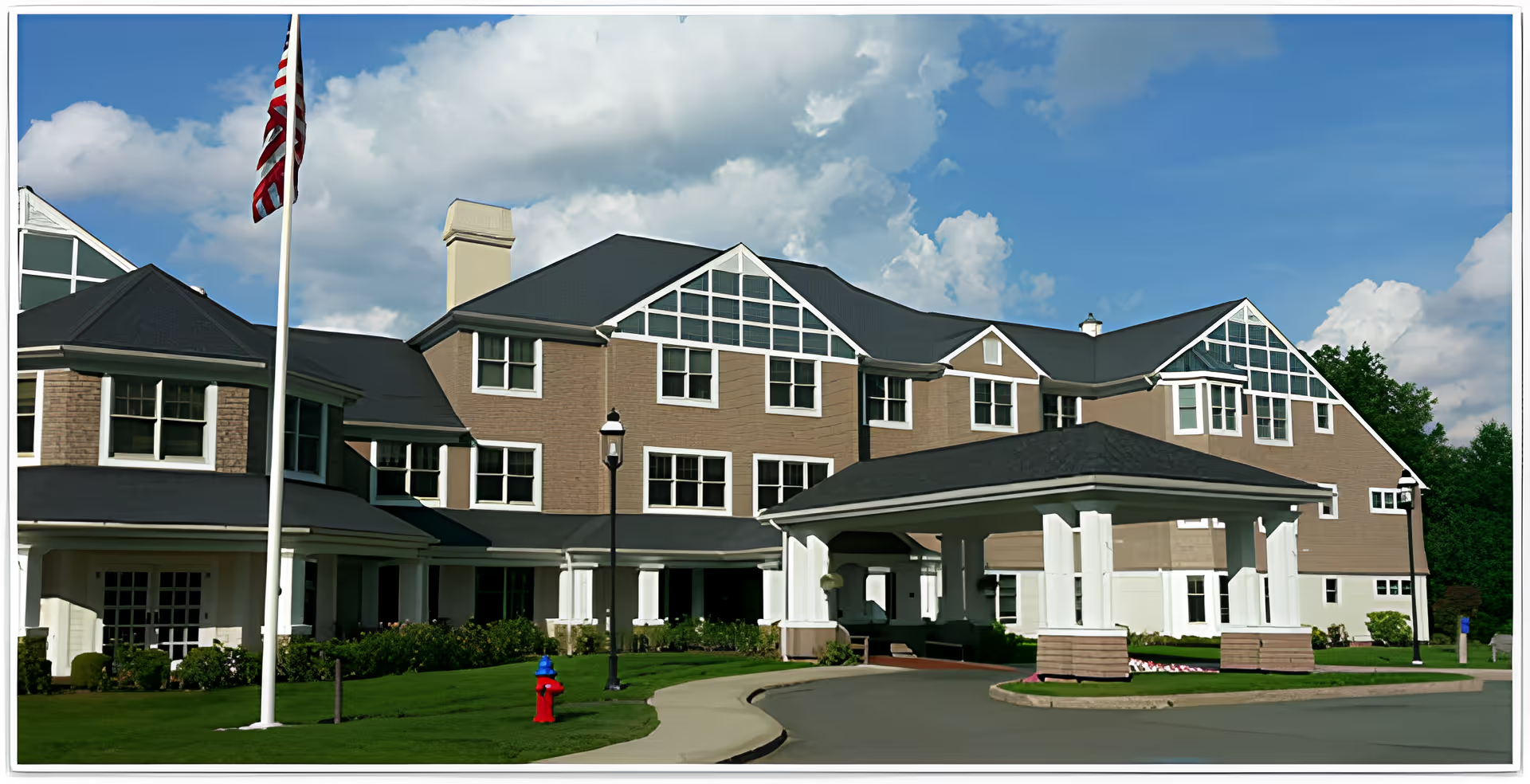
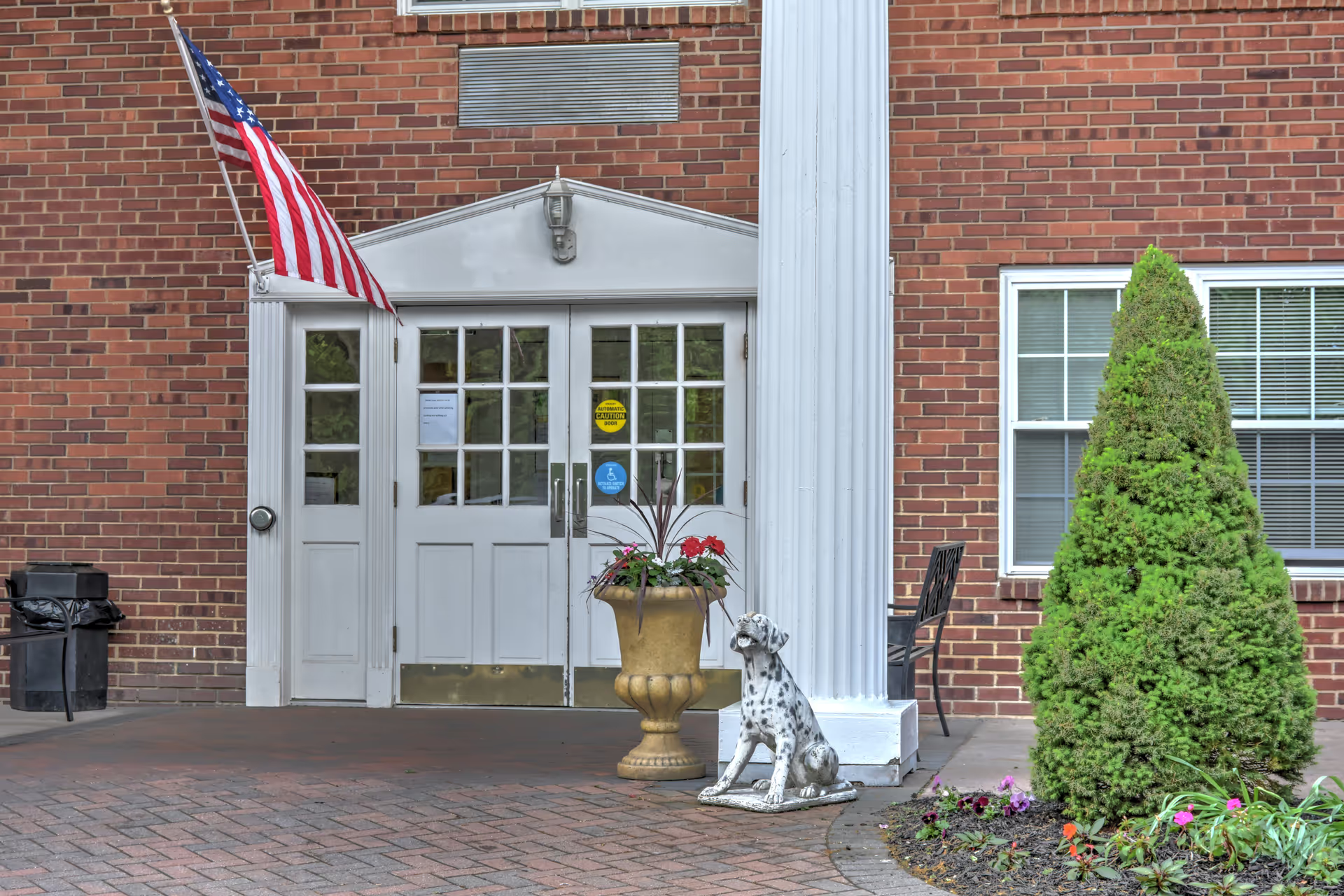
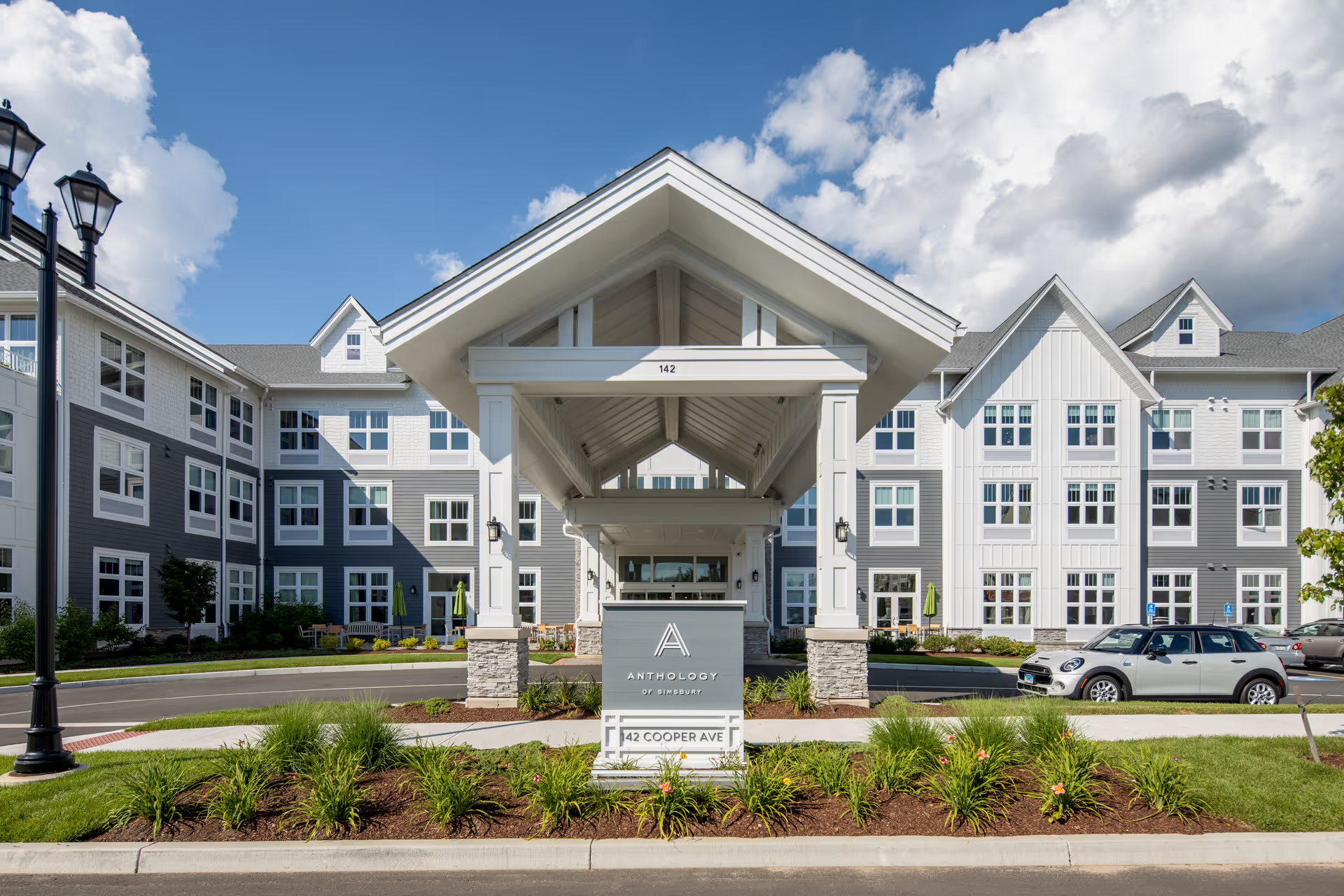
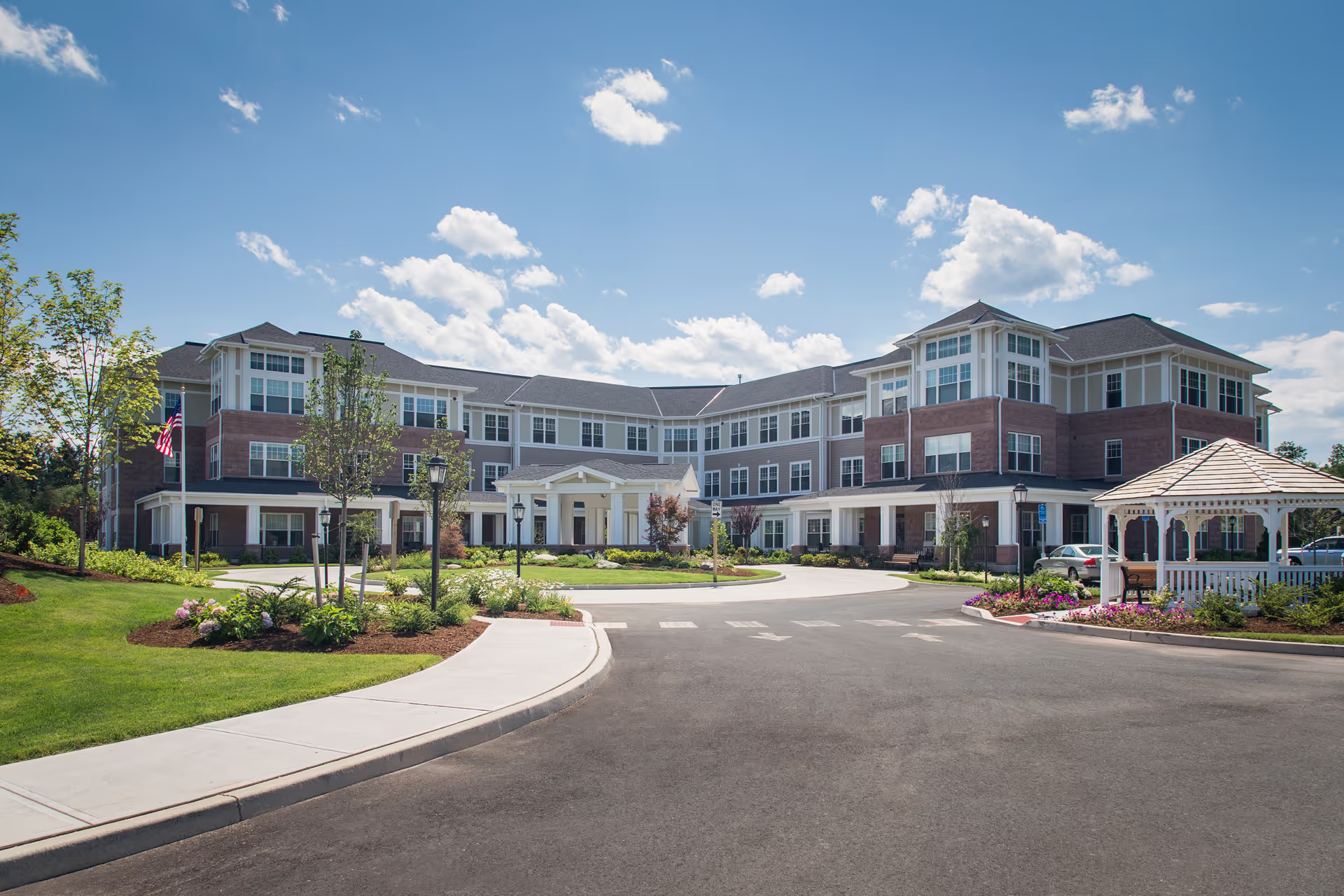
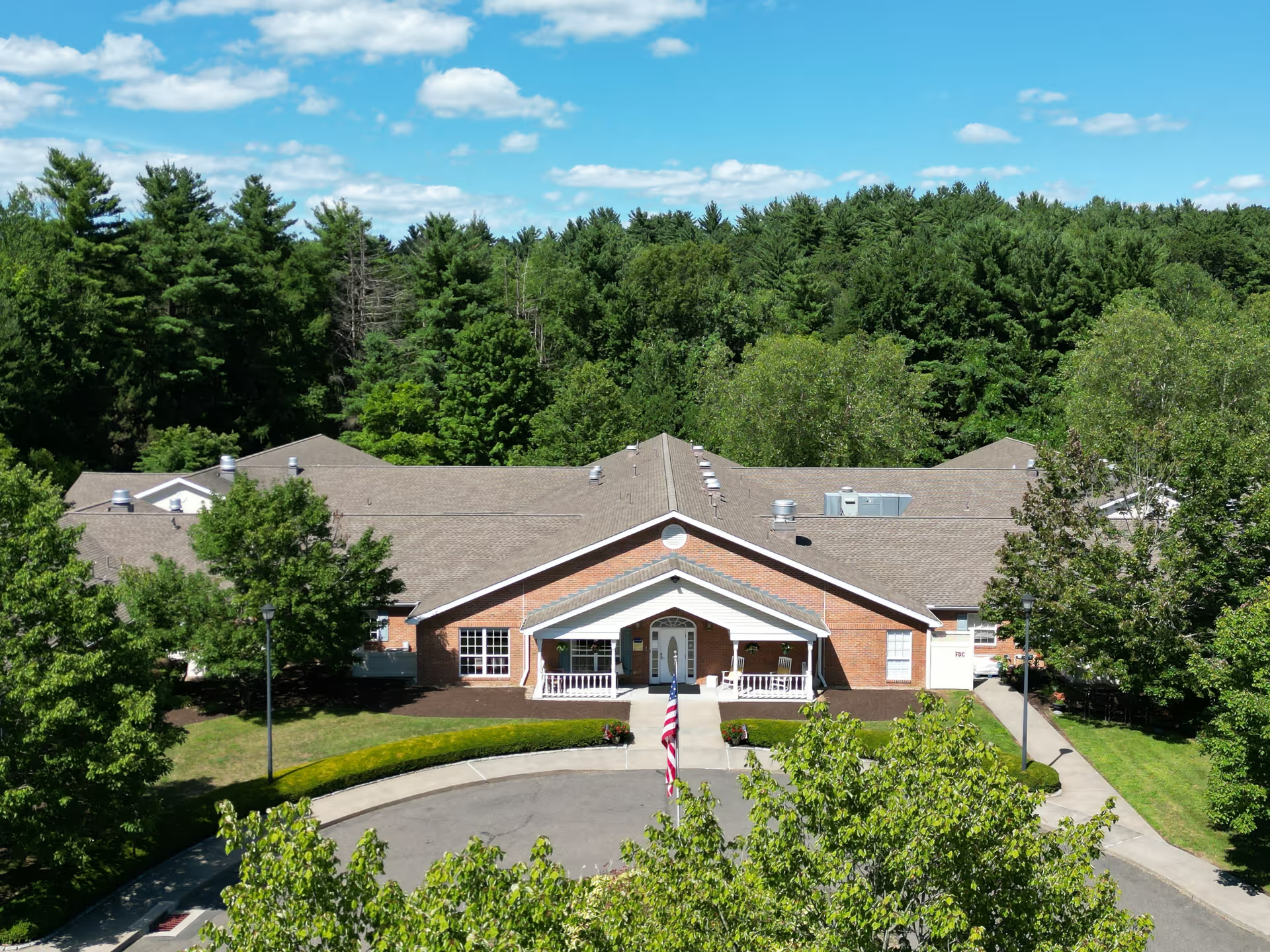
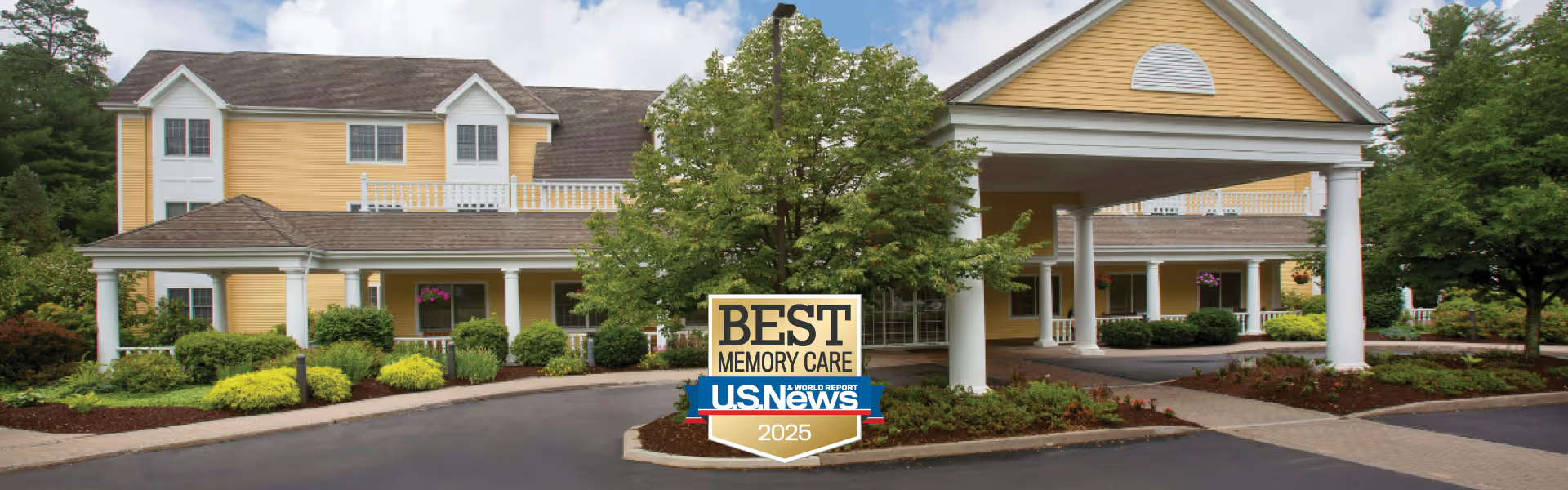
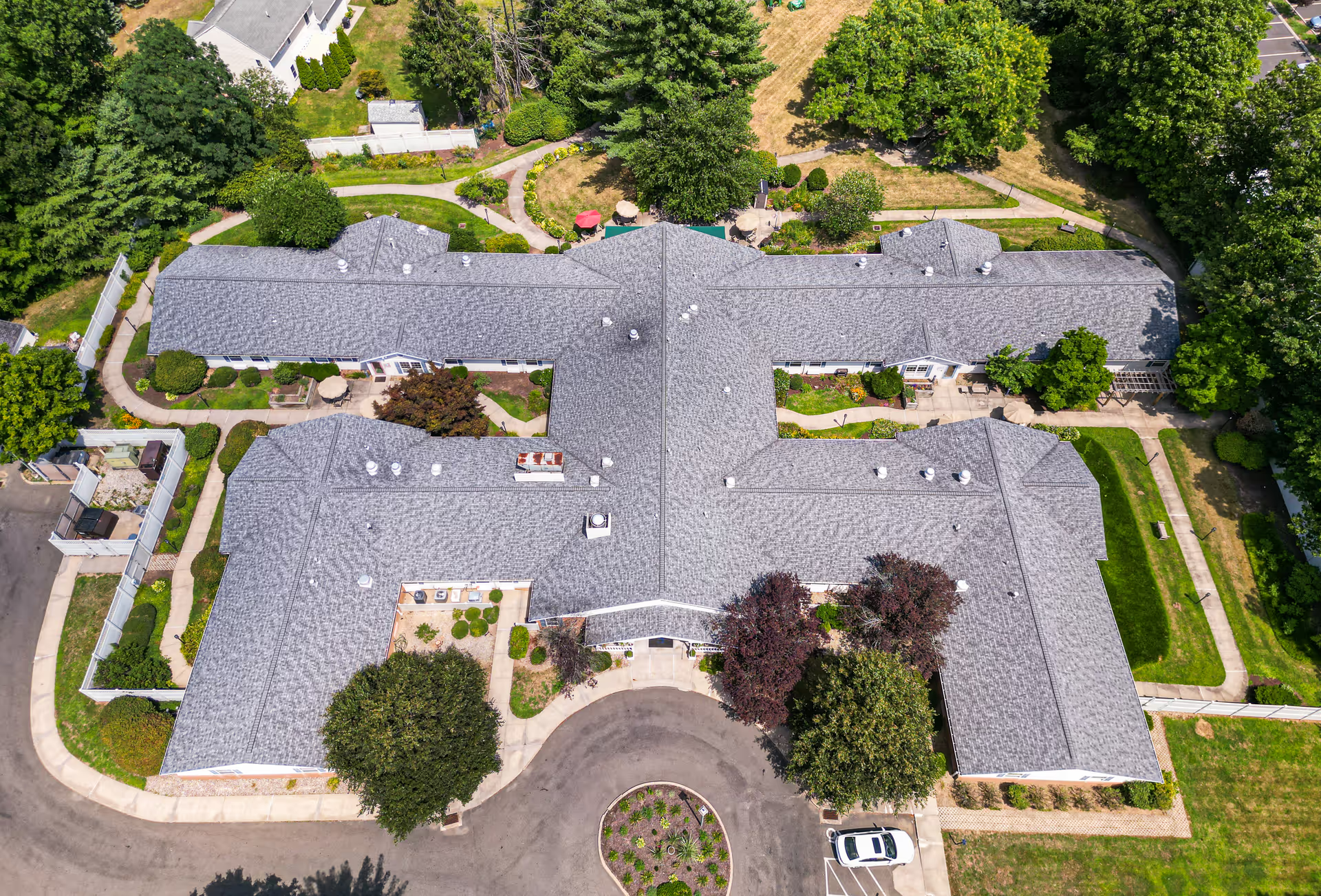
The reviews for Hebrew Center for Health and Rehabilitation describe a facility with clear strengths alongside persistent operational concerns. Strengths consistently mentioned include a welcoming public environment — lobbies and grounds are described as attractive and well kept — and numerous staff members who are attentive, compassionate, and effective in their roles. The center has an established physical therapy program and offers on-site clinical services, a salon, a small store, and a variety of recreational activities (movie nights, bingo, concerts, board games), which many residents and families find engaging and beneficial for quality of life.
Care quality is reported as uneven. Several reviewers praised individual nurses, CNAs, and therapists for competent, professional care and successful rehabilitation outcomes. At the same time, there are repeated concerns about gaps in clinical monitoring and escalation: missed or delayed vital-sign checks, delayed recognition of acute illness requiring hospitalization, and inconsistent follow-through on clinical issues. These gaps appear to be linked with staffing limitations and variability across shifts, producing markedly different experiences depending on unit and time of day.
Staffing and communication are notable areas of divergence. While many families highlight friendly, helpful staff and responsive front-desk or administrative personnel, others describe delayed response to call lights, unanswered phones, and poor or inconsistent family communication and follow-up. The behavioral-health unit, in particular, is called out for inconsistent practices and safety oversight; reviewers describe practices there that differ from the rest of the facility. There are also repeated reports of lost personal items and difficulties obtaining replacements, indicating weaknesses in item-tracking and property-replacement procedures.
Dining and activities receive mixed feedback. Activities programming is broadly viewed as engaging when staff engagement is present; however, participation sometimes requires prompting. Meals draw both praise (notably desserts and occasional high-quality offerings) and criticism focused on temperature control, portioning, limited choices, and occasional food-safety concerns. Housekeeping and room-level maintenance also show variability: public areas and remodeled sections are often well kept, while some resident rooms are described as neglected, with inconsistent cleaning schedules and maintenance attention.
Management and operational issues recur in the reviews. Concerns include inconsistent policy communication, an ownership/financial transition referenced by reviewers, and at least one instance of an unexpected mandatory move fee that families found problematic. These items suggest opacity in some administrative practices and uneven enforcement of policies. Conversely, other reviewers cite responsive administrators and effective problem resolution when staff are engaged.
Overall pattern: the facility offers good programs, attractive common areas, and many dedicated staff who provide positive experiences for residents. However, the variance in clinical monitoring, staffing reliability, room-level housekeeping, food-service consistency, and family communication are significant patterns that prospective residents and families should evaluate closely. Visiting multiple units, asking detailed questions about staffing ratios, clinical monitoring protocols (especially for higher-acuity or behavioral-health needs), personal-item policies, and recent ownership/operational changes will help clarify whether the facility’s strengths align with an individual resident’s needs.