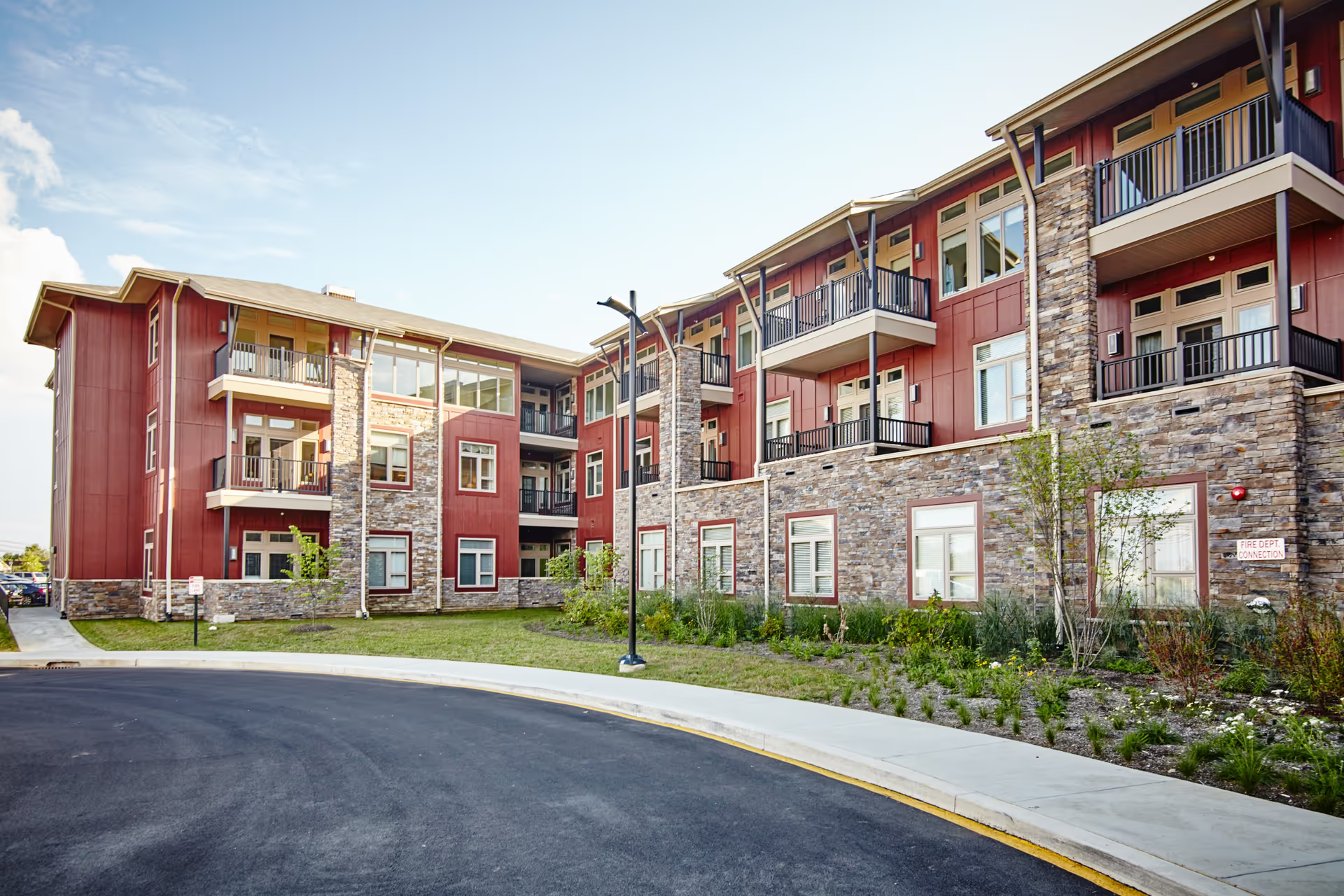
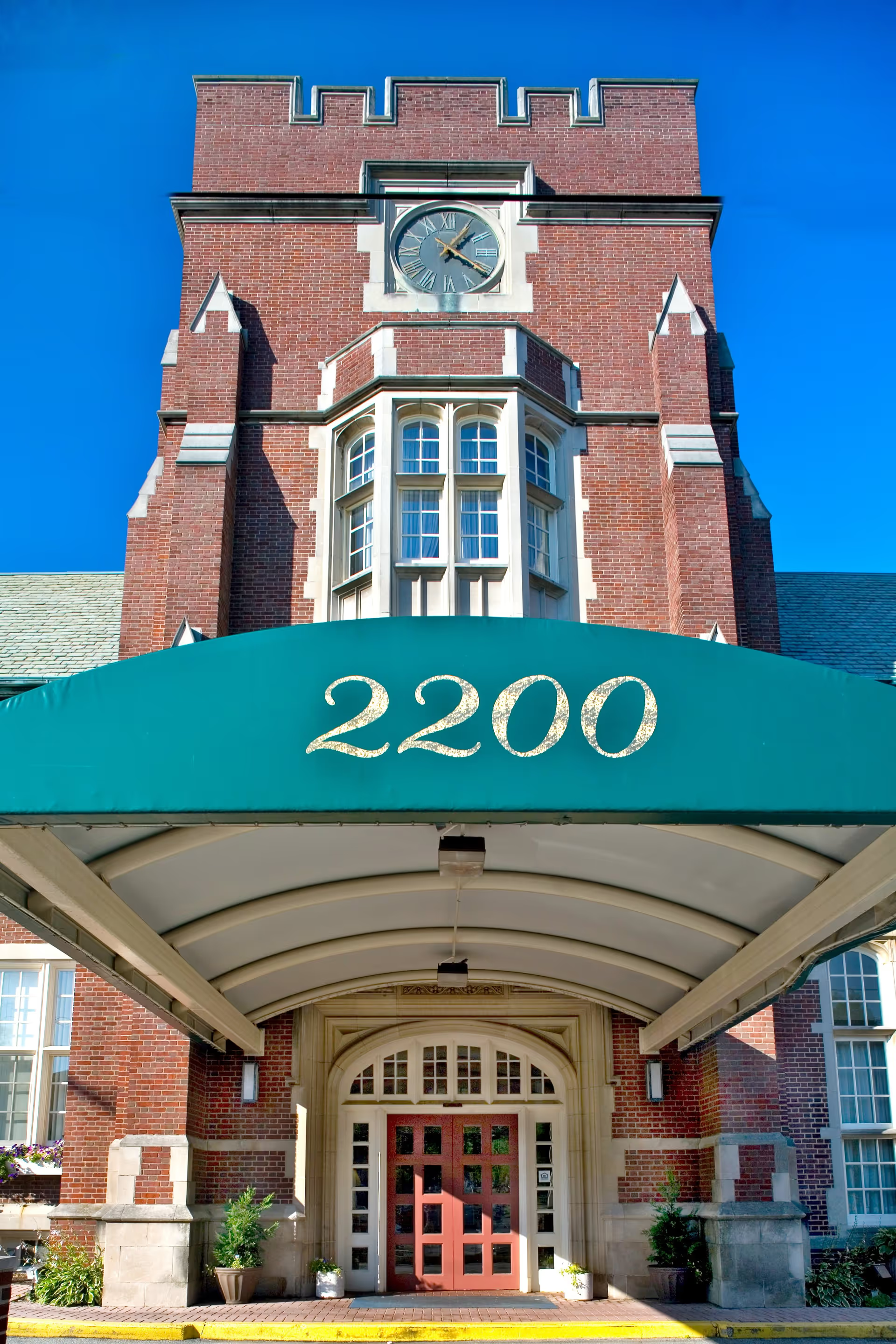
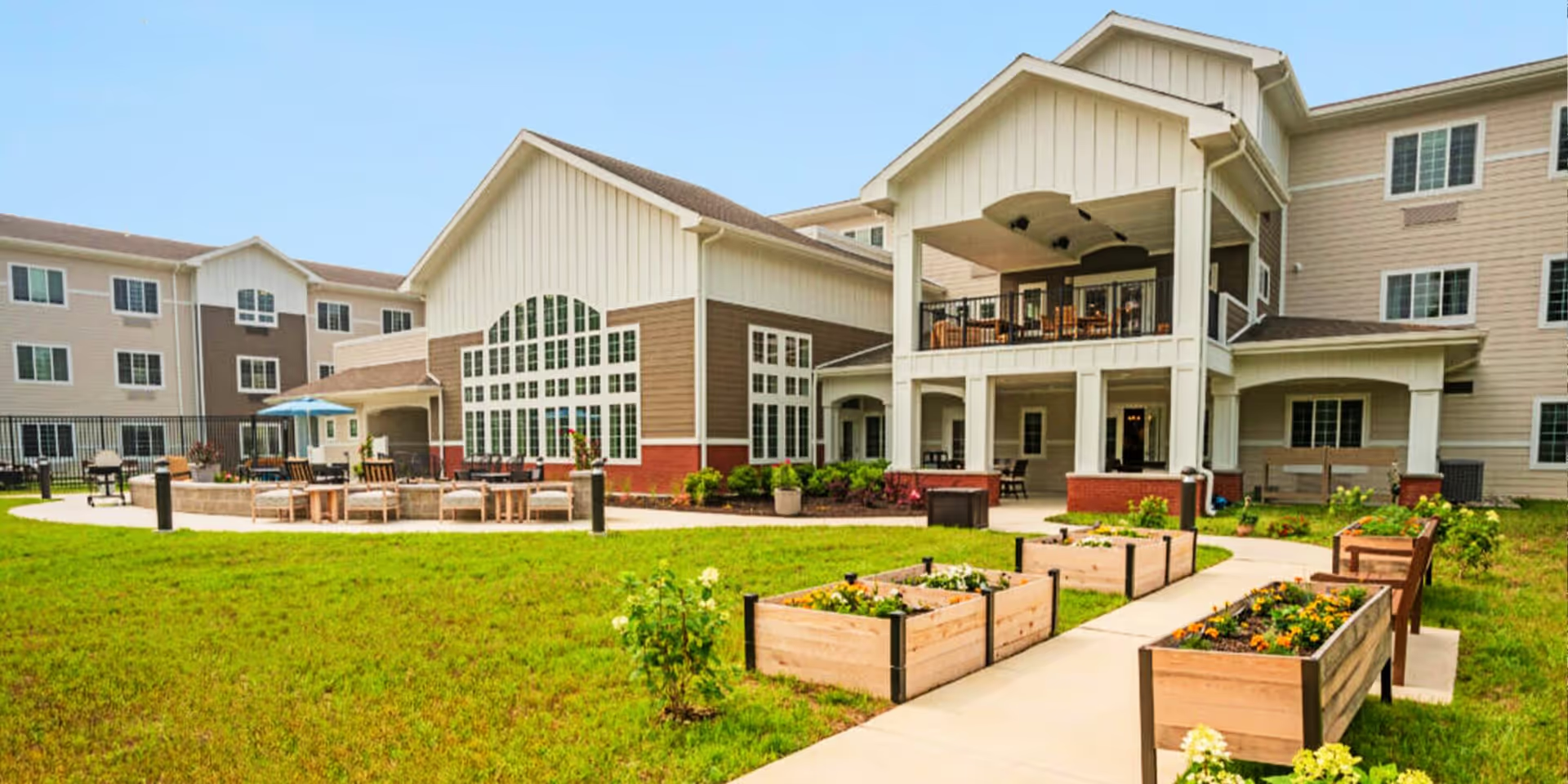
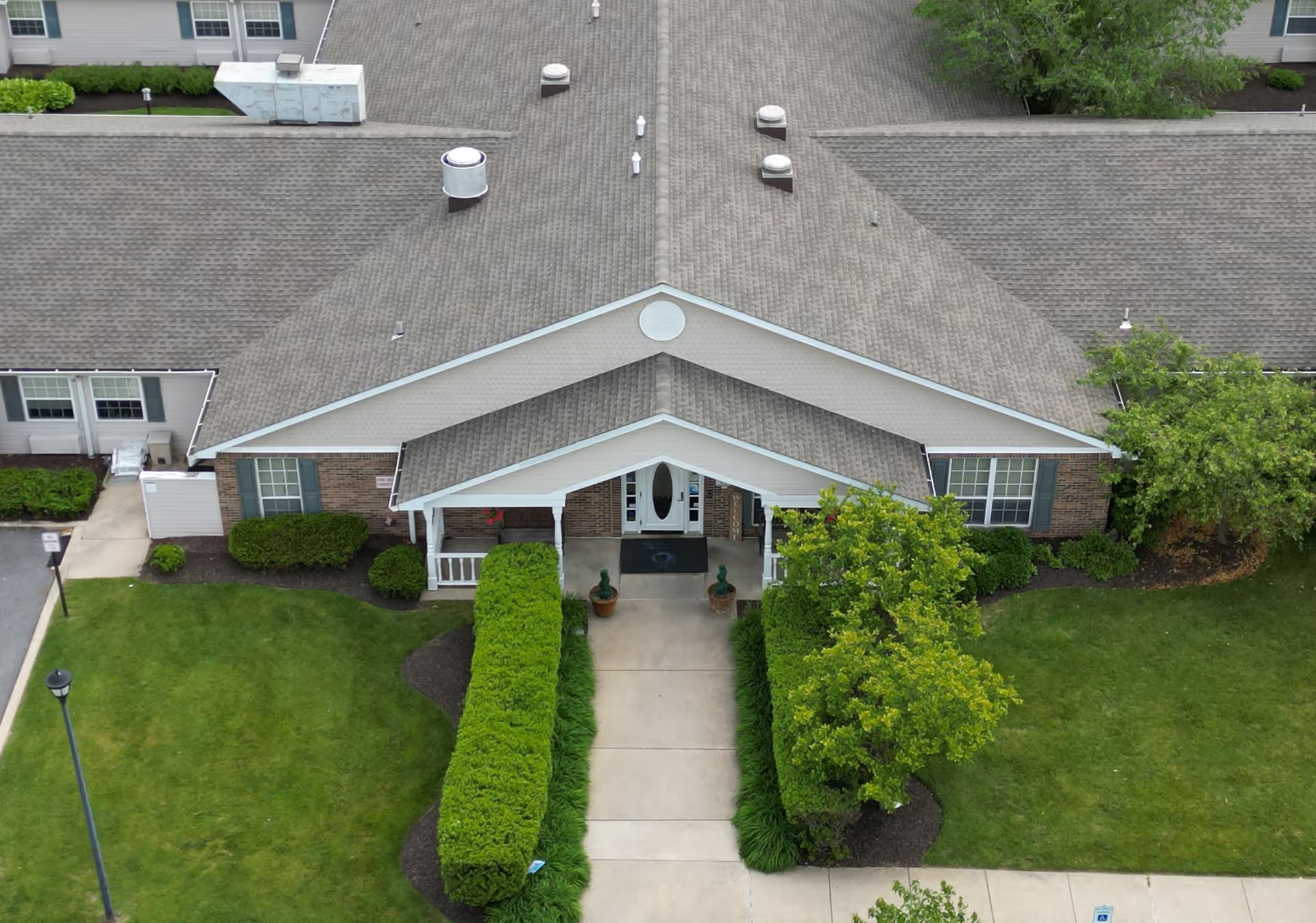
Excelcare at Newark presents a mixed but clearly patterned profile. Many reviewers describe a warm, socially active independent-living environment with spacious private apartments, a bright central atrium and grand hall that encourage resident interaction, and a wide range of programmed activities (music, concerts, games, exercise classes, outings). On-site amenities such as a library, salon, exercise room, laundry and routine maintenance support day-to-day living. A frequently cited strength is the rehabilitation/physical-therapy capability and several accounts highlight effective, outcome-driven therapy and smooth transitions between care levels.
Staffing and direct care receive both strong praise and significant concern. Numerous family members and residents note compassionate, familiar caregivers, consistent assignment patterns, and standout employees who provide proactive family communication and individualized attention. At the same time there are recurring operational concerns: reviewers describe inconsistent staffing coverage, delayed responses to call requests, lapses in medication timing and vital-sign monitoring, and variability in staff professionalism and tone. A small number of reviews raise serious individual allegations (theft, billing disputes, and concerns following a resident's death); these are not presented as systemic proof but they underscore the variability families reported in clinical oversight and accountability.
Dining and daily services are similarly mixed. Many residents appreciate the restaurant-style meals included with rent, with breakfast self-serve and lunch/dinner service; several reviewers praised menus and specific dishes. Conversely, other accounts describe inconsistent food quality, limited menu variety, overly seasoned meals in some cases, and instances of billing concerns related to charges for meals. Families should expect that dining experience can vary by time and kitchen staffing.
Programming and social life are consistent strongpoints. Reviewers repeatedly mention engaging activities, live music, concerts with local musicians, arts and crafts, game nights, and field trips that contribute to a family-like community feel and improved resident mood. The facility’s common spaces are frequently described as bright and welcoming, which supports social engagement. That said, some reviewers noted limitations in outdoor walking areas and that the campus layout and older sections can constrain mobility-focused activities.
Facility condition and maintenance reports are divergent. Many reviewers report a clean, well-kept building and efficient maintenance response for apartment issues. Other accounts identify sanitation and odor-control problems in particular areas, inconsistent housekeeping (including laundry/linen issues), slow repair turnaround for some infrastructure (broken windows, elevator or phone problems), and an overall sense that portions of the facility are aging. These contrasting observations point to variability in maintenance and housekeeping performance across units and shifts.
Management and operational oversight elicit a mixed appraisal. Several reviewers praise responsive directors, helpful admissions and social-work staff, and effective coordination across care levels. Conversely, others describe gaps in management follow-through, inconsistent communication about availability or services, rushed or poorly explained discharges, and billing or administrative inconsistencies. Taken together, the pattern suggests that individual staff members and departments often perform well, but systemic reliability (staffing, clinical response, housekeeping, and billing) can fluctuate.
In summary, Excelcare at Newark appears to offer many of the amenities and programming families seek—strong rehabilitation services, active social programming, and a community-oriented atmosphere—supported by a number of highly regarded staff members. However, there are substantive and recurring operational concerns around staffing consistency, clinical responsiveness, sanitation control in some areas, dining variability, and management follow-through. Prospective residents and families would benefit from targeted questions during a tour about staffing ratios and shift coverage, emergency and escalation procedures, recent housekeeping and maintenance protocols, medication administration oversight, and billing practices to clarify how current operations align with their priorities.