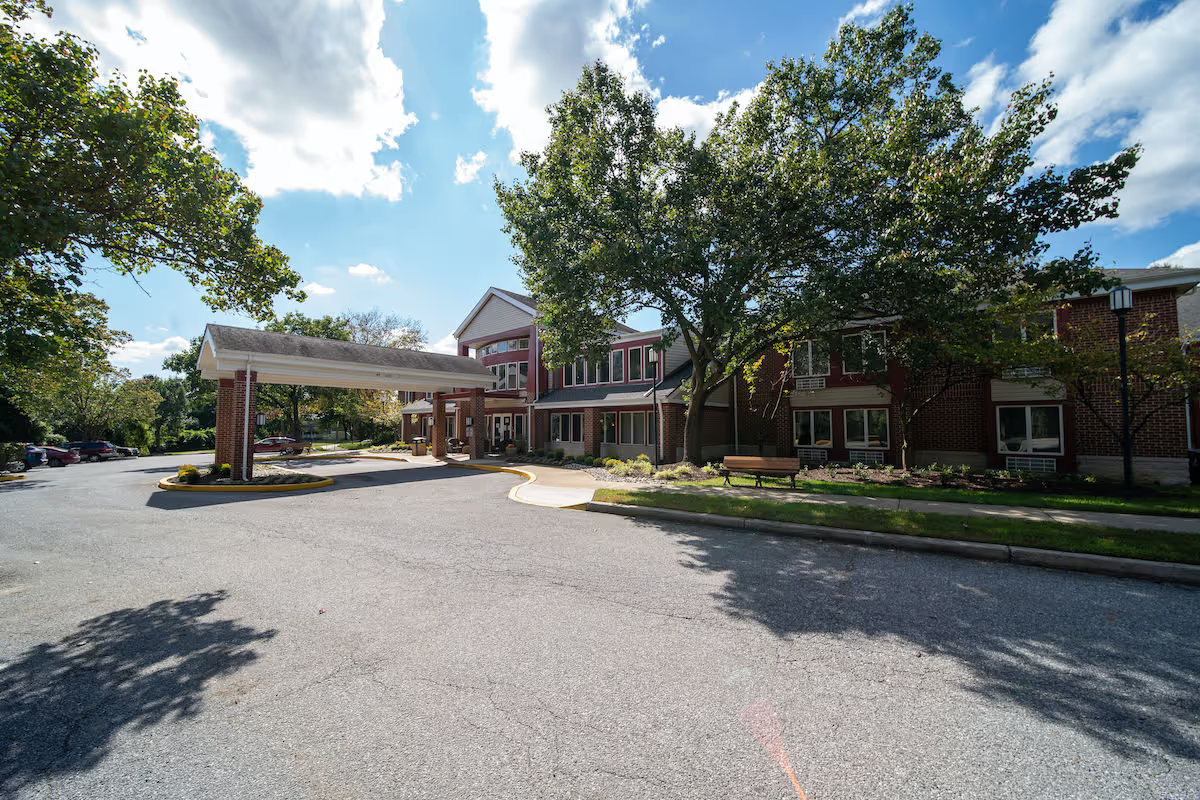
Carroll Manor Nursing & Rehab elicits mixed but strongly polarized impressions. Many family members and visitors describe a welcoming, mid-sized community with attractive, home-like décor and well-kept grounds. The facility is noted for having an on-site rehabilitation program (including a therapy pool), private- and semi-private-room options, and acceptance of Medicaid. Several accounts praise the clinical teams as compassionate and professional, and families frequently compliment a supportive admissions/transition office and effective care-coordinator communication.
Care quality descriptions vary. Positive accounts emphasize attentive nursing, staff who “go above and beyond,” and a safe environment for residents needing higher-acuity services. Conversely, other accounts describe inconsistent responsiveness, delays in routine monitoring or assistance, and gaps in clinical documentation and handover practices. A small number of reviewers raised serious concerns following a resident's death and questioned aspects of end-of-life care; these comments stand out from the generally positive clinical impressions and warrant direct follow-up with facility leadership and regulatory records for anyone considering placement.
Facility condition and amenities are similarly mixed. Many reviewers highlight clean, attractively decorated interiors, a pleasant dining room, and visible efforts to create a home-like atmosphere with artwork and comfortable common areas. At the same time, there are recurring notes about inconsistent housekeeping in some rooms, isolated sanitation and pest-control concerns, and an outdated or under-resourced memory-care area that lacks a dedicated dining room and some expected amenities. The presence of a rehabilitation center and therapy pool is a clear positive for those seeking recovery-focused care, but several families described variable therapy quality and scheduling inconsistencies.
Staffing, management, and operations show both strengths and weaknesses. Positive feedback centers on friendly, knowledgeable nurses and a helpful business office; negative comments point to understaffing at times, front-desk organization problems, tour/scheduling friction, and uneven leadership presence. There are also mentions of problematic staff conduct and communication tone in some instances, which affects perceived quality of life for residents. A few reviewers expressed concerns about billing and administrative practices, suggesting prospective families should review contracts and billing procedures carefully.
Activities and social engagement receive mixed notes: some observers report engaged residents and a family-like atmosphere, while others saw limited programming or little visible activity, particularly within the memory-care area. Dining is generally described as palatable with a pleasant atmosphere, but continuity of programming and services appears inconsistent across units.
Overall, Carroll Manor presents clear strengths for families seeking a community with strong rehabilitation resources, attractive common spaces, and staff members who are frequently described as caring and communicative. Prospective residents and families should balance those positives against documented variability in staffing, housekeeping, memory-care amenities, and administrative consistency. Recommended next steps for interested parties include an in-person tour focusing on the memory-care area, review of recent inspection reports, direct questions about staffing ratios and handover procedures, and clarifying billing and visitation policies before making a placement decision.