Overall impression: Reviews present a mixed but consistent pattern: clinical and therapy strengths coexist with operational and infrastructure weaknesses. Many families and residents highlight a deeply committed therapy team and compassionate direct‑care staff who produce positive rehabilitation outcomes and meaningful daily interactions. At the same time, recurring operational issues—especially around staffing, communication, and facility condition—affect the day‑to‑day experience for some residents.
Care and staff: The facility receives frequent praise for its therapy department and for many nurses and CNAs who are described as caring, knowledgeable, and effective in rehabilitation and daily care tasks. Several accounts emphasize strong care planning and hands‑on assistance, including individualized feeding and attentive therapy programs. However, there are also repeated concerns about staffing levels and responsiveness. Reviewers describe delays in answering call lights and assistance with toileting or transfers, inconsistent handoffs between shifts, and instances where families felt communication about clinical incidents was inadequate. These issues indicate variability in consistency of care despite pockets of high clinical competence.
Dining: Dining experiences are polarized. Positive comments note multiple menu selections, appealing items (for example, well‑prepared oatmeal), and staff who provide assistance at meal times. Negative feedback centers on inconsistent meal timing, occasional poor food quality or preparation choices that do not meet specific dietary needs, and meals served late. Prospective residents should inquire about meal schedules, dietary accommodations (for reflux or other conditions), and how the dining team handles special requests.
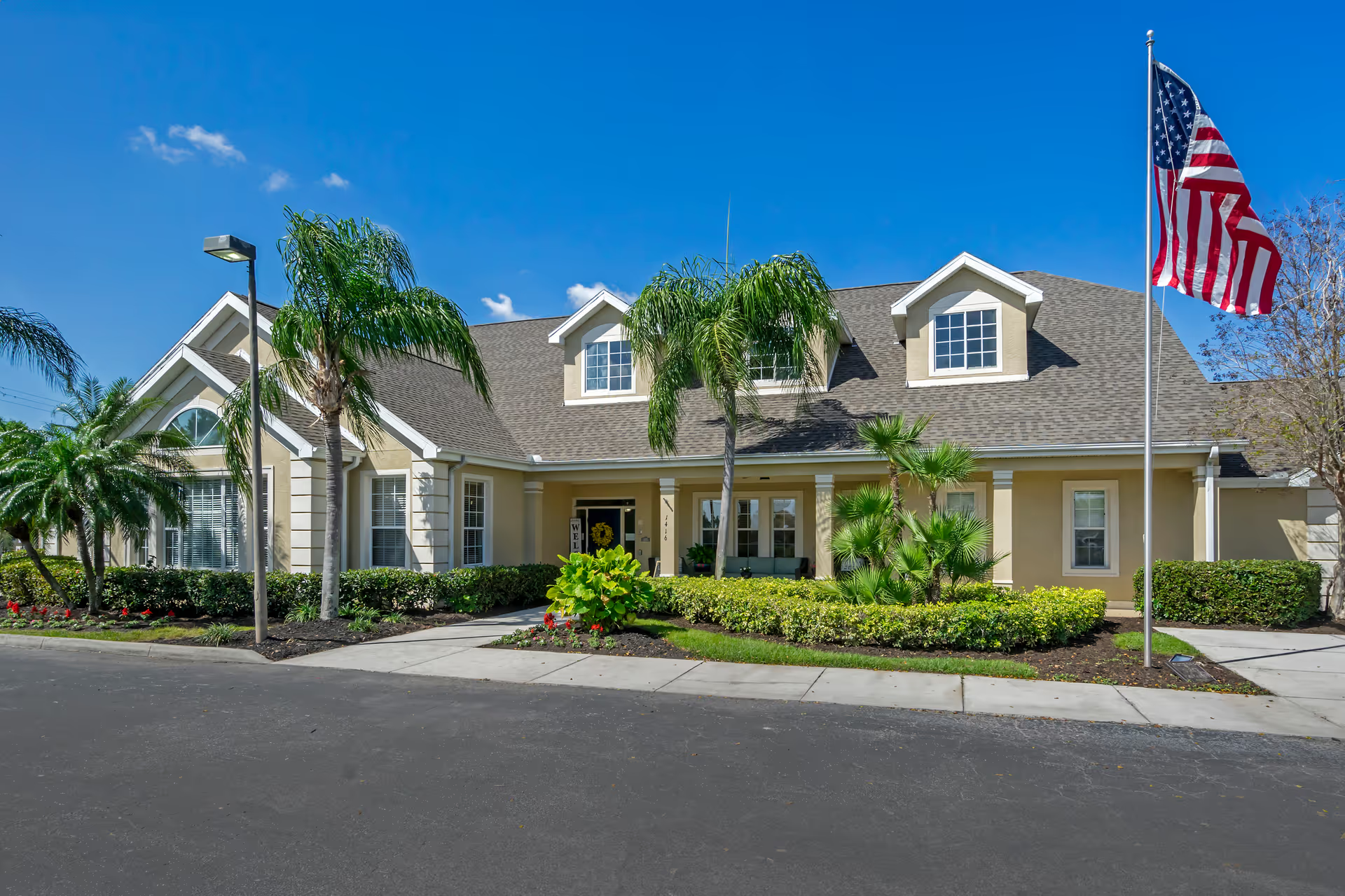
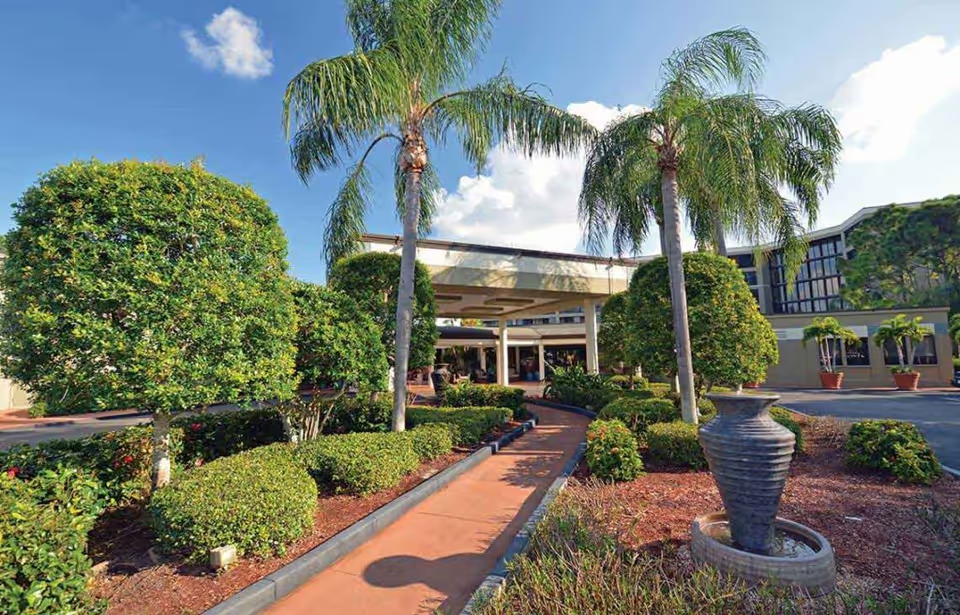
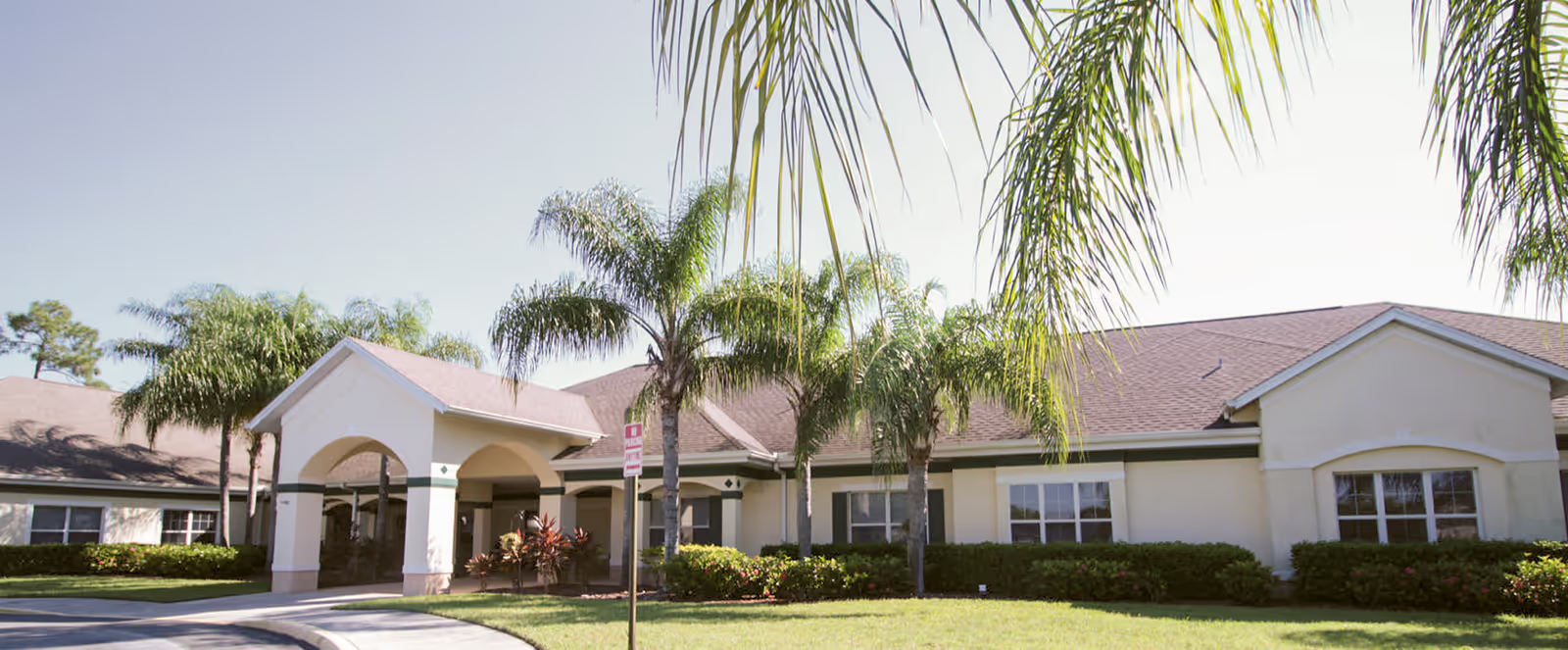
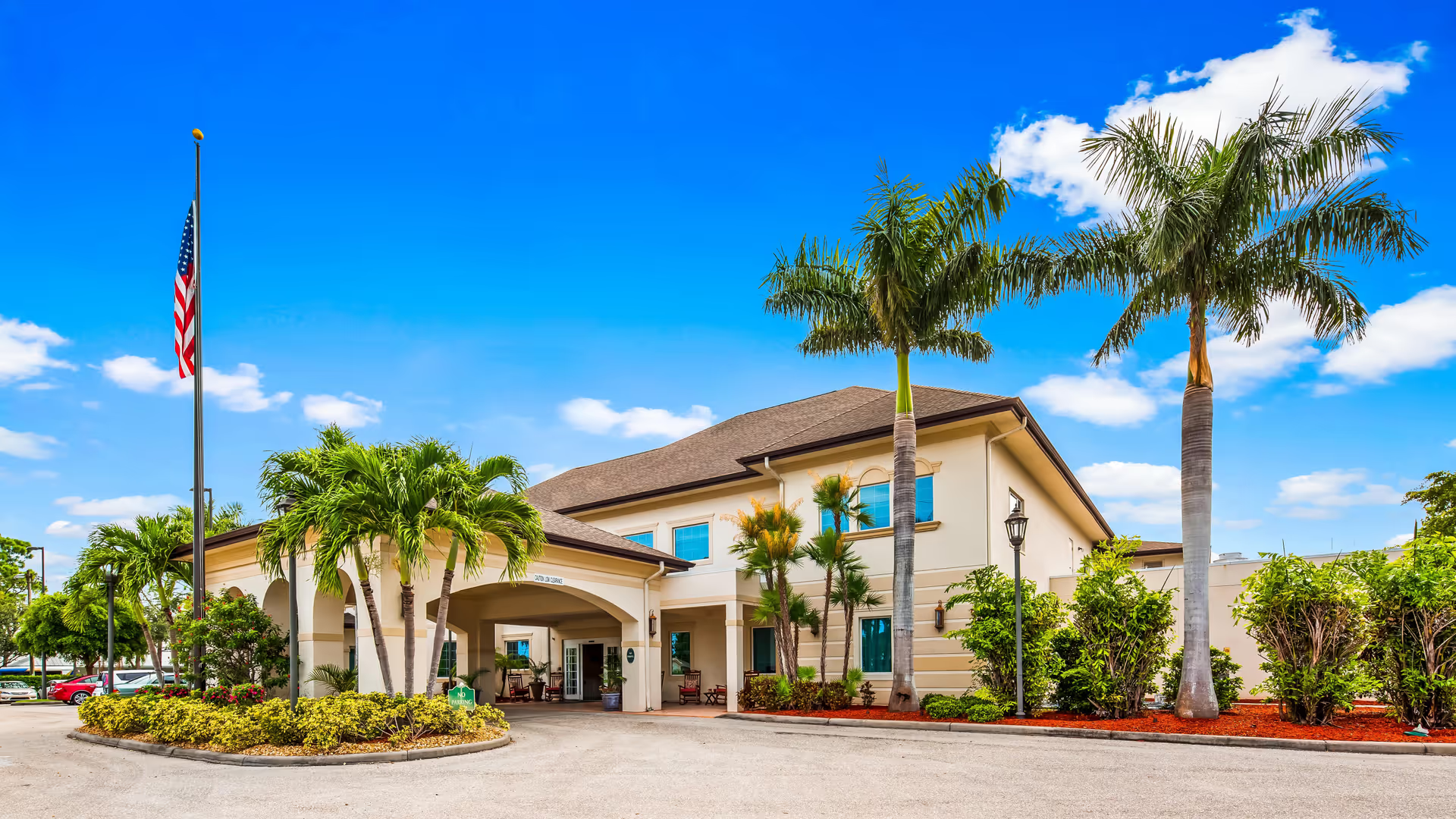
Activities and communal life: The facility offers an active schedule with music, bingo, card games, balloon activities, and religious services, which contribute to a home‑like atmosphere for many residents. Outdoor seating and a pleasant exterior area are noted as positives. Limitations include constrained common‑area space, activities scheduled at limited times (for example, primarily in the afternoon), and reports of some outdoor areas being unusable. Visitors should confirm current activity schedules and available communal spaces during a tour.
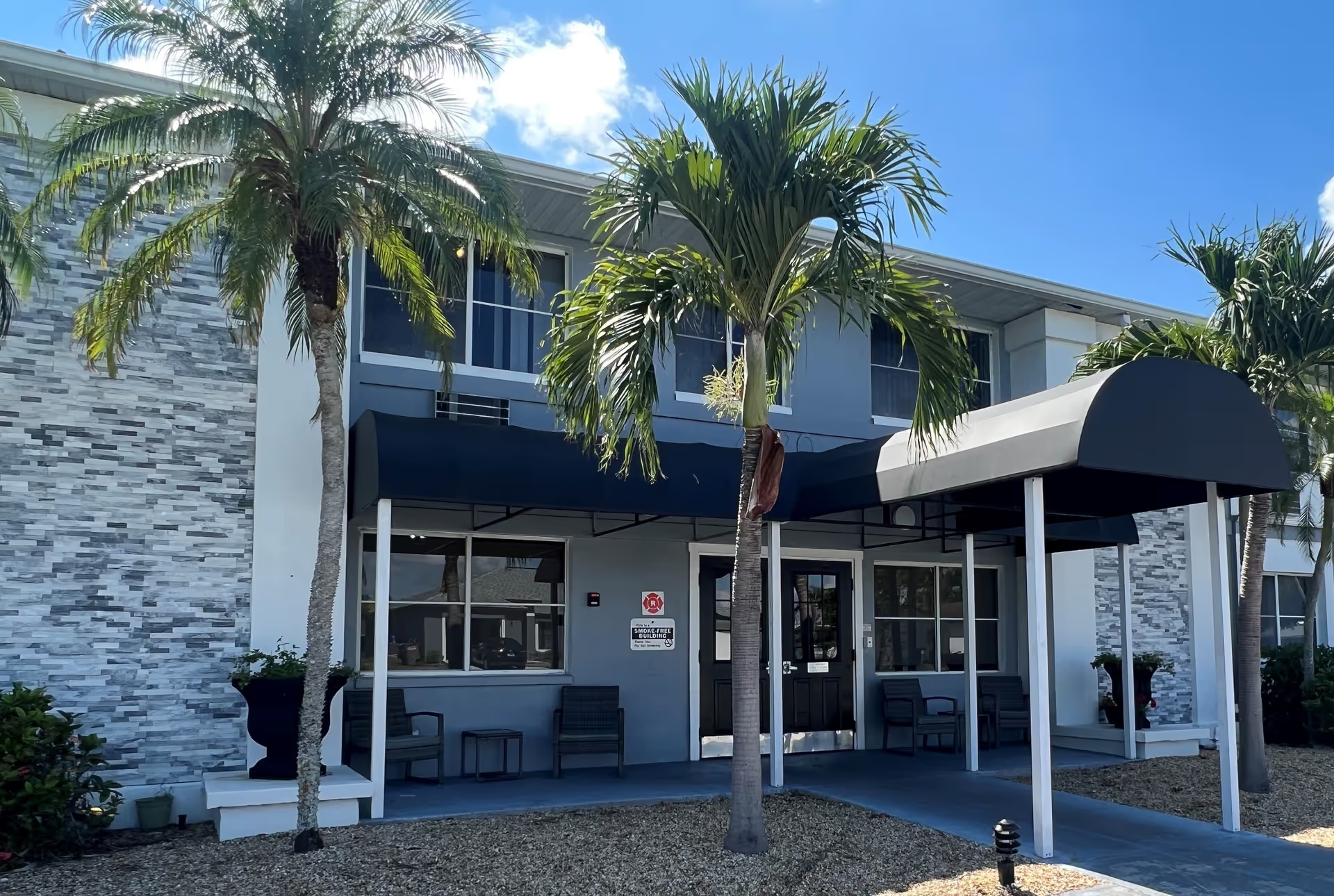
Facilities and cleanliness: The physical plant is frequently described as dated — older beds, furniture, paint schemes, and limited in‑room amenities such as phones or voicemail. Cleanliness feedback is mixed: several reviewers commend housekeeping and general cleanliness, while others raise sanitation concerns, odor issues in some areas, and pest‑control problems. Those are operational red flags that warrant direct inquiry about recent pest‑control measures, housekeeping routines, and routine maintenance plans.
Management and communication: Leadership is credited in multiple accounts for being accessible and addressing some concerns, and specific staff members are mentioned for strong communication and coordination. Nonetheless, inconsistent communication to families about clinical events, room assignments, and incident follow‑up is a recurring theme. Reviewers advise asking management about staffing ratios, incident‑reporting protocols, and how family updates are handled.
Safety and clinical governance: While many residents experienced successful rehabilitation and safe care, there are recurring descriptions that suggest gaps in safety processes—delayed responses to falls or call lights, inconsistent transfer assistance, medication or documentation errors, and inconsistent infection‑control impacts on services. Given these patterns, prospective families should discuss transfer and fall‑prevention protocols, call‑light response targets, medication reconciliation practices, and infection‑control policies.
Notable patterns and recommendation: The overall pattern is one of variability: strong clinical and therapy resources and many compassionate staff members, juxtaposed with operational limitations tied to staffing, building condition, sanitation controls, and communication processes. Prospective residents and families should schedule an in‑person tour, observe meal service and activity periods, ask for recent health inspection and staffing information, review how dietary and infection‑control needs are accommodated, and request written descriptions of call‑response times and incident escalation procedures. These targeted questions can help determine whether the facility’s strengths align with the prospective resident’s priorities and clinical needs.