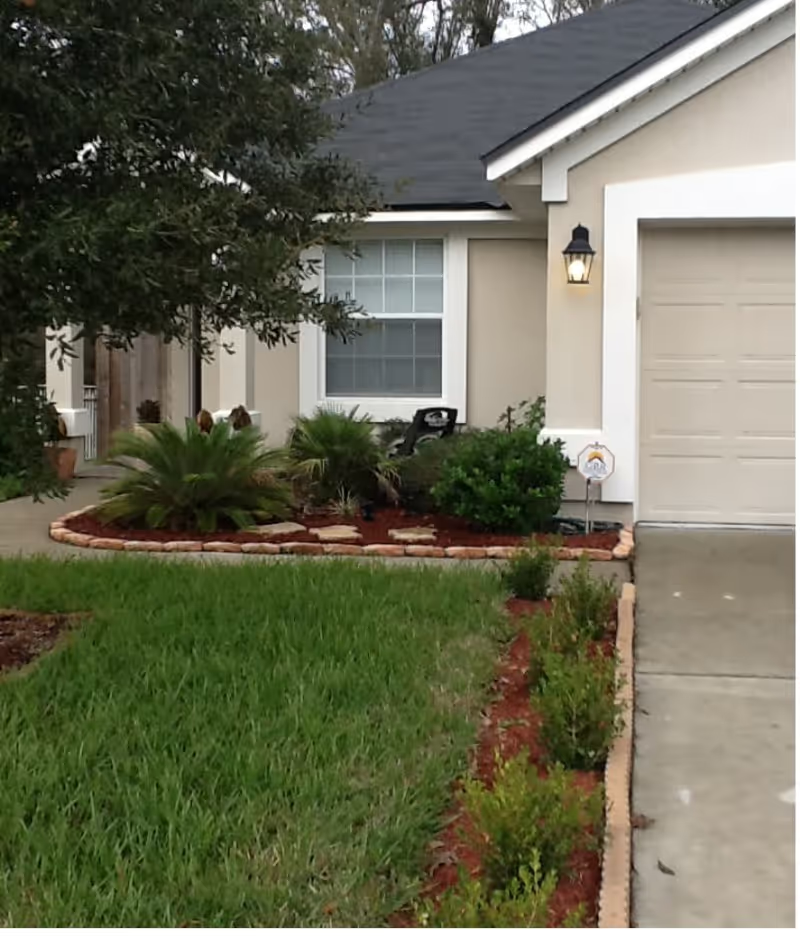
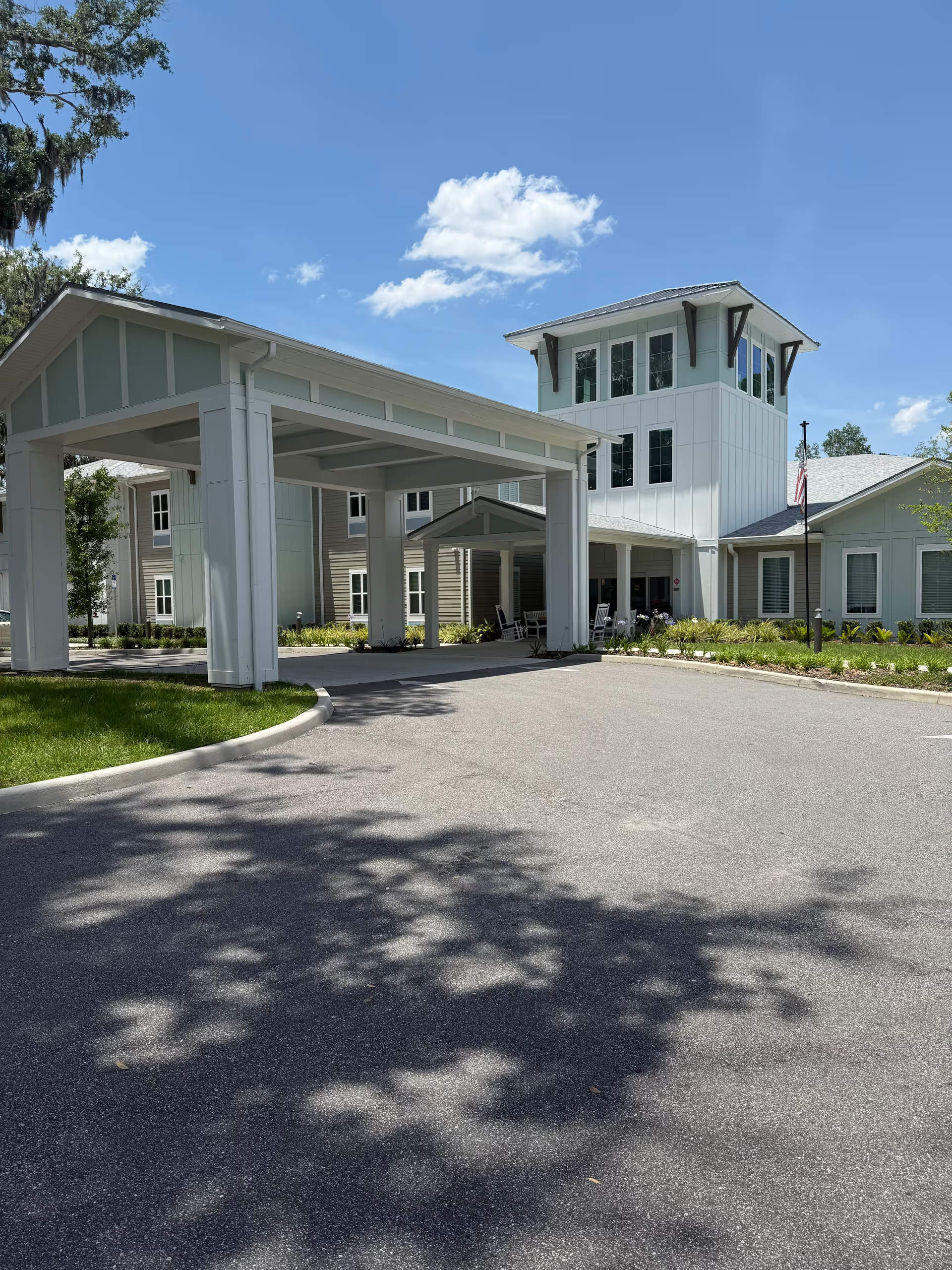
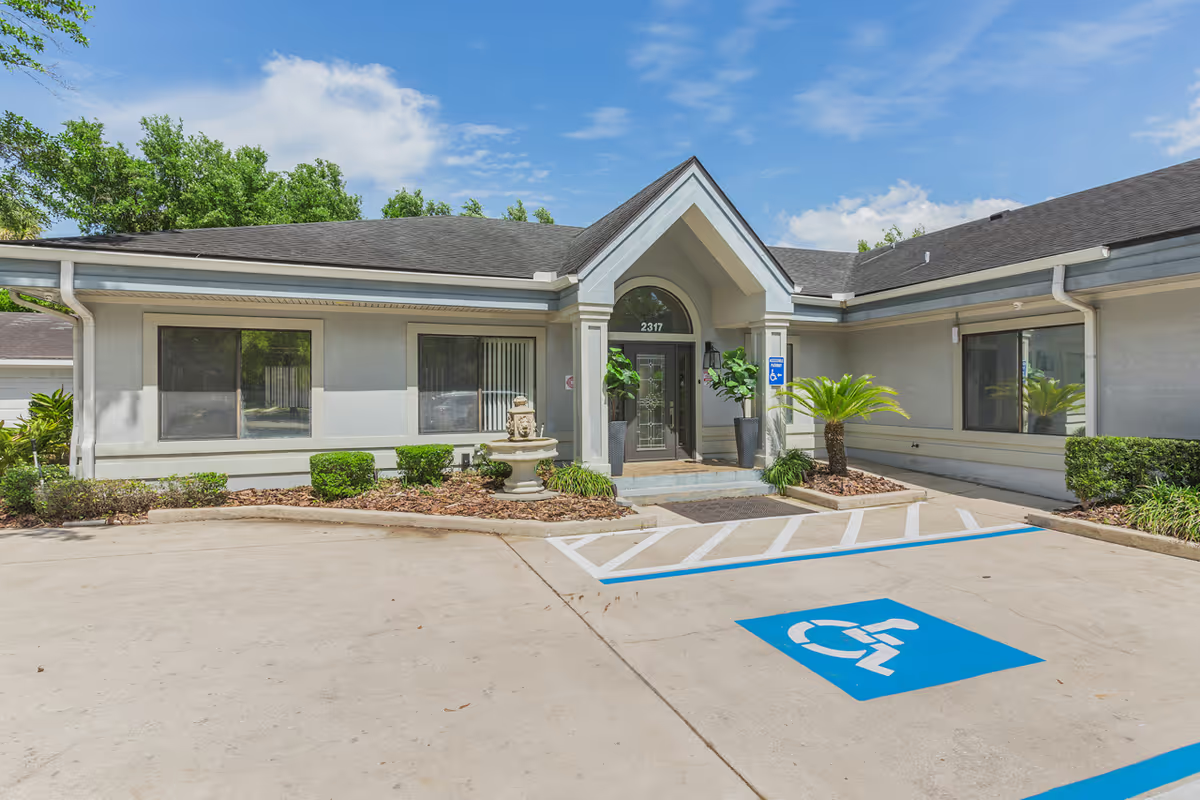
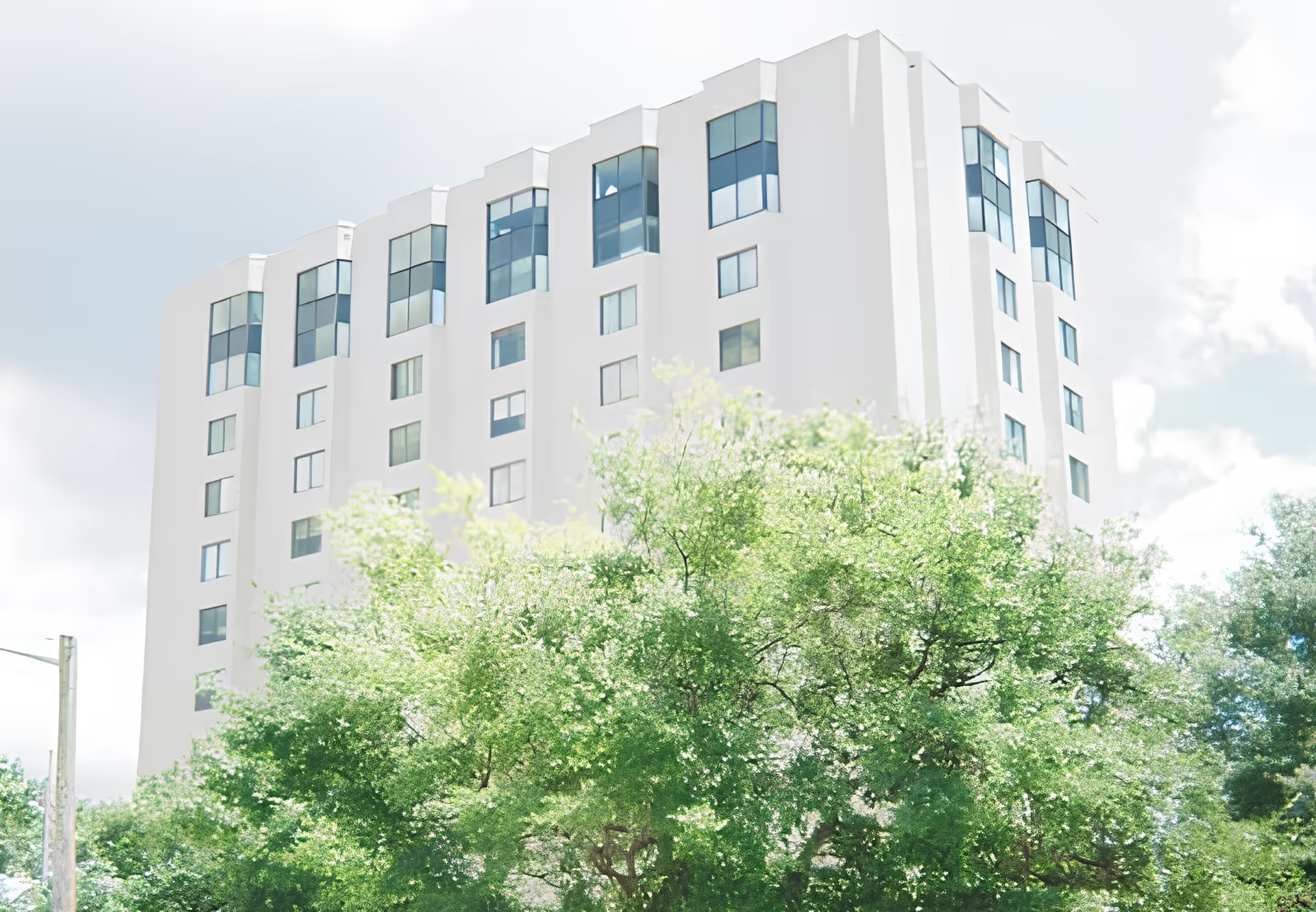
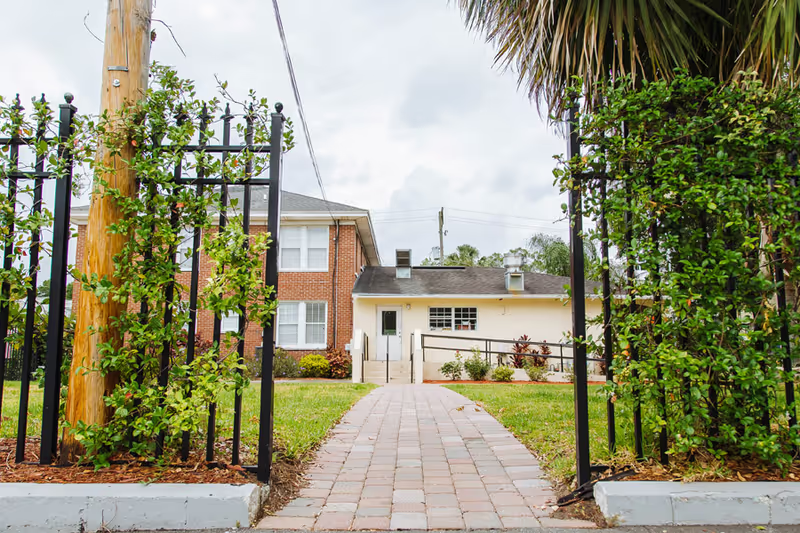
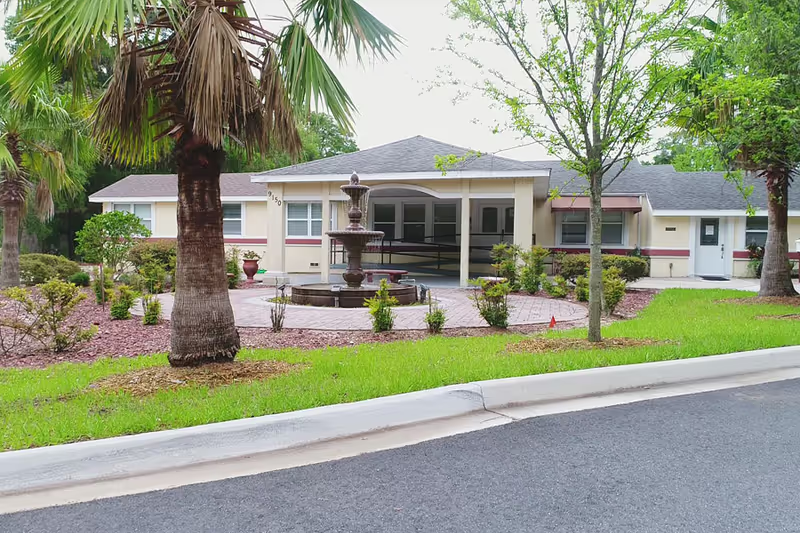
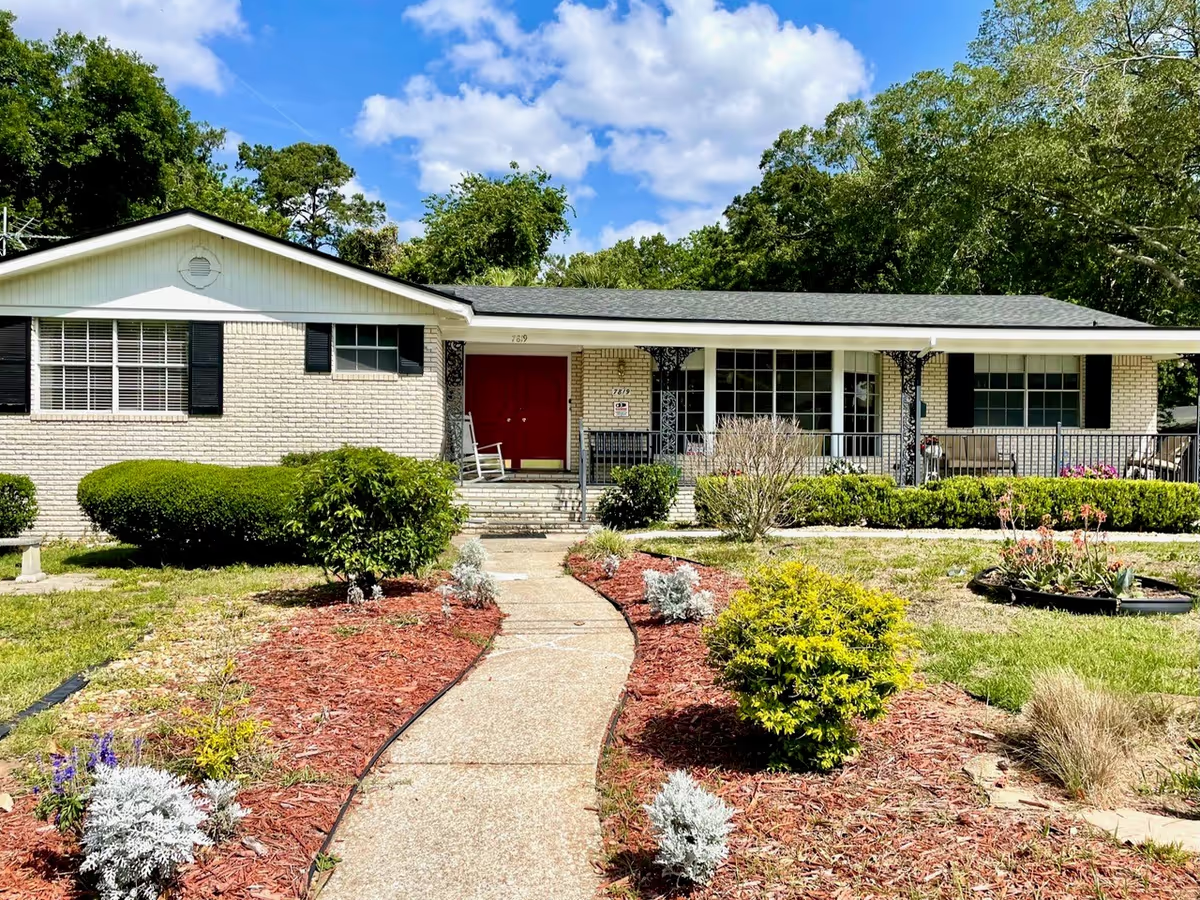
Overall impression: Reviewers present a mixed but specific picture. Strengths cluster around direct-care relationships and the physical environment: nursing and therapy personnel are frequently described as compassionate, informative, and helpful, and front-line caregivers are seen as friendly and cooperative. The facility itself is generally described as clean and well-maintained, with a pleasant exterior and entry; resident rooms are kept clean even though furnishings and in-room amenities appear dated. Activities and resident engagement are commonly cited as positive contributors to daily life, and dining quality is characterized as acceptable for the setting.
Care quality and clinical concerns: Clinical strengths appear strongest in therapy and nursing communication about care plans, and fall risk is reported as an area of attention. However, there are recurrent operational concerns related to responsiveness and how acute events are handled. Reviewers describe delays in nurse notification and communication gaps with families during clinical incidents, which has led to elevated concern about the facility’s incident-response processes and coordination with hospitals. Prospective residents should ask about on-shift clinical oversight, incident escalation protocols, and how families are notified during urgent changes in condition.
Therapy and rehabilitation: Therapy staff are described as informative and engaged, but multiple observations point to limited therapy intensity—particularly short ambulation sessions and perceptions that walking rehab time is insufficient. Those considering the facility for short-term rehabilitation should verify individualized therapy goals, expected session frequency and duration, and measurable progress metrics prior to admission.
Facilities, dining, and activities: The building and common spaces are generally well kept and odor-free, and activities are seen as enjoyable and conducive to resident engagement. Resident rooms are clean but show age and could benefit from updates (for example, in-room entertainment and furnishings). Dining is acceptable but not highlighted as a standout feature. Visitors who prioritize private rooms, modernized accommodations, or in-room amenities should confirm availability and upgrade options.
Management and administrative patterns: Several administrative friction points emerge, including variable staff accessibility, insurance and discharge coordination challenges, and strict infection-control visitation during outbreak periods. While some families view the facility as good value for long-term care, others expressed that administrative hurdles affected their overall confidence. When evaluating this facility, ask for current staffing ratios, average therapy minutes per day, typical response time for nursing calls, discharge-planning procedures with insurers, and visitation policies during infection-control events.
Bottom line: Lakeside Center shows clear strengths in cleanliness, a supportive activity program, and engaged nursing and therapy staff. At the same time, consistent themes around communication, therapy intensity, CNA skill mix, and administrative coordination suggest areas to probe before admission. Direct questions about clinical escalation protocols, therapy schedules, staffing coverage, room options, and insurance/discharge logistics will help families balance the facility’s positive aspects against the operational weaknesses noted.