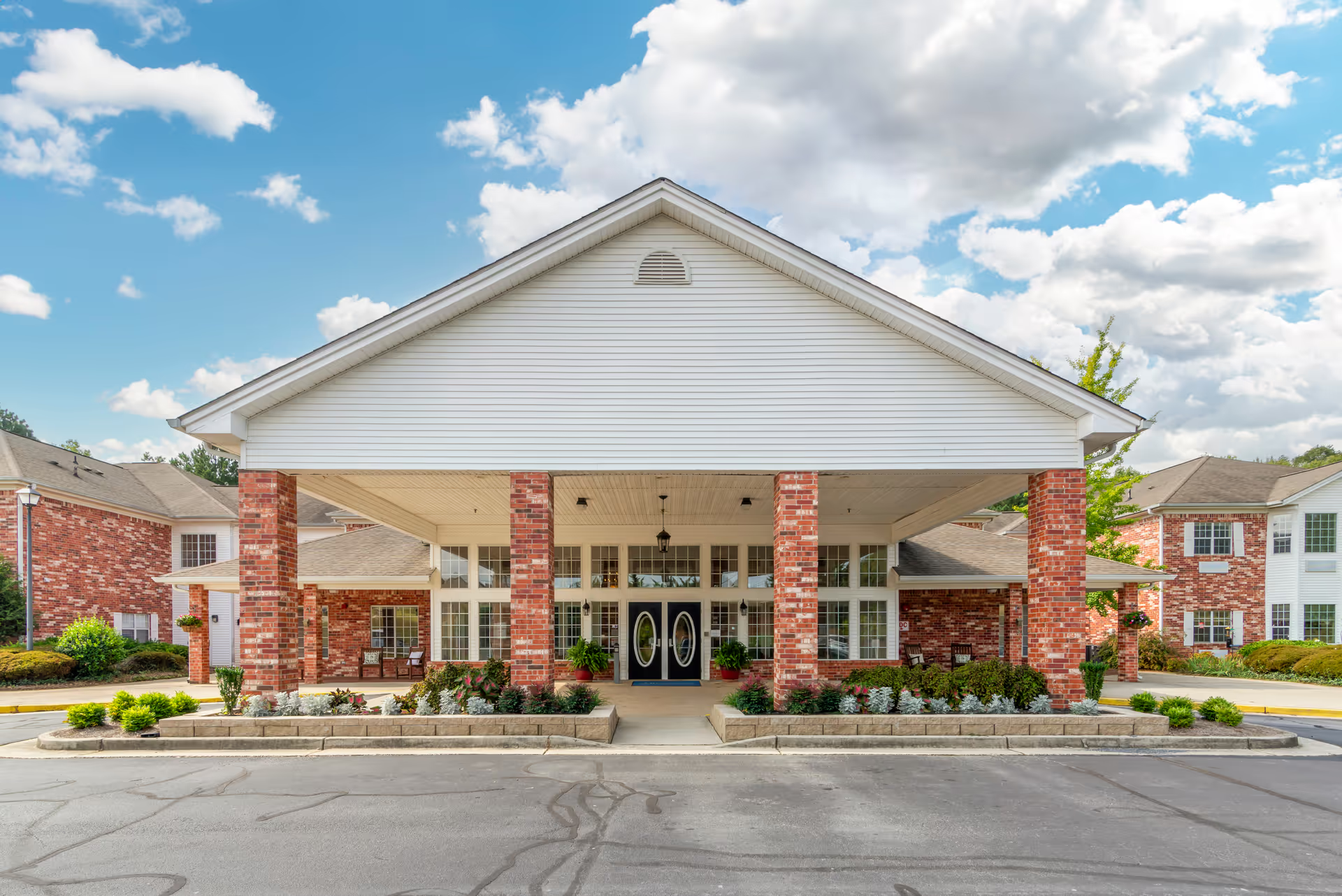
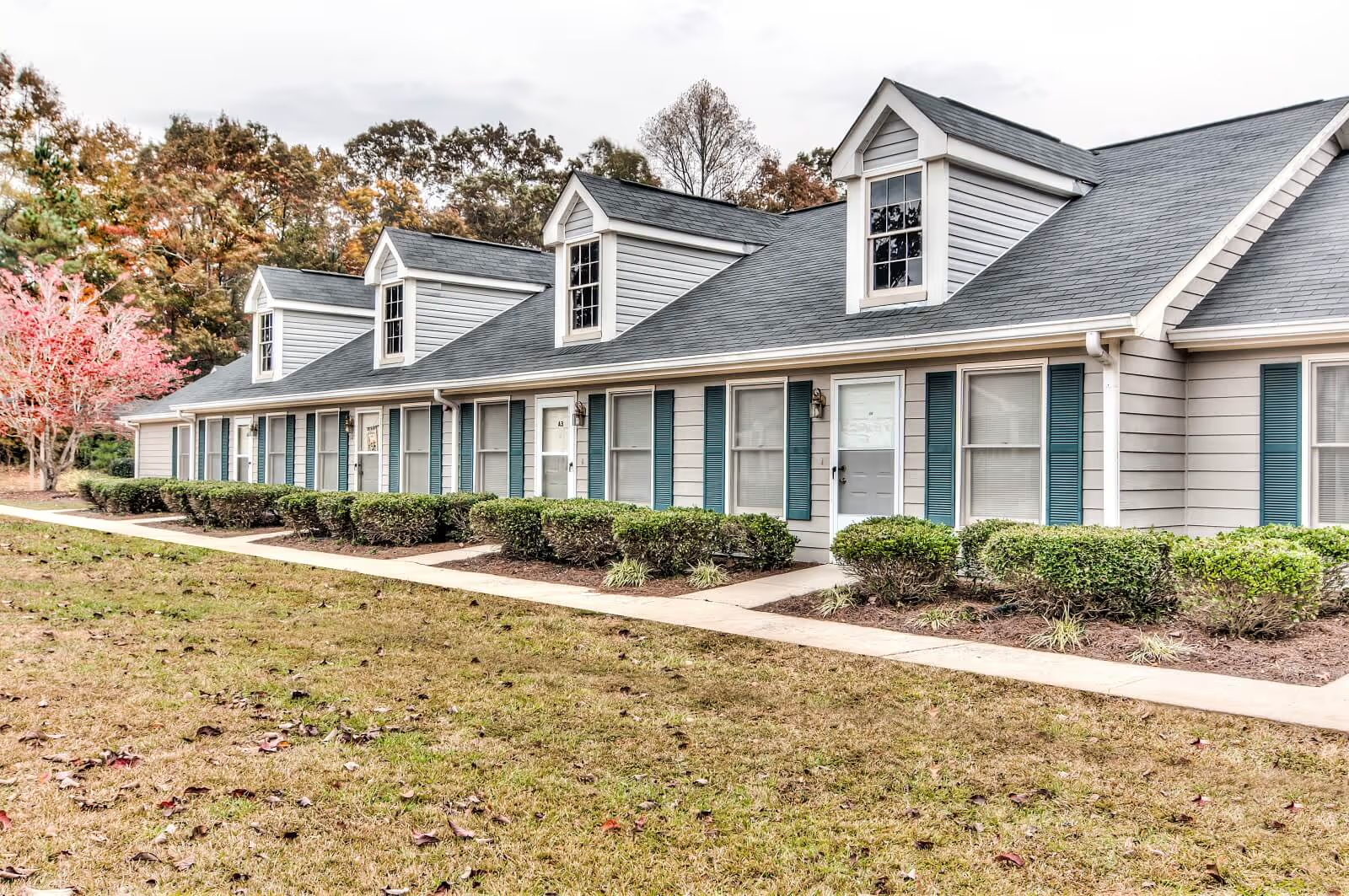
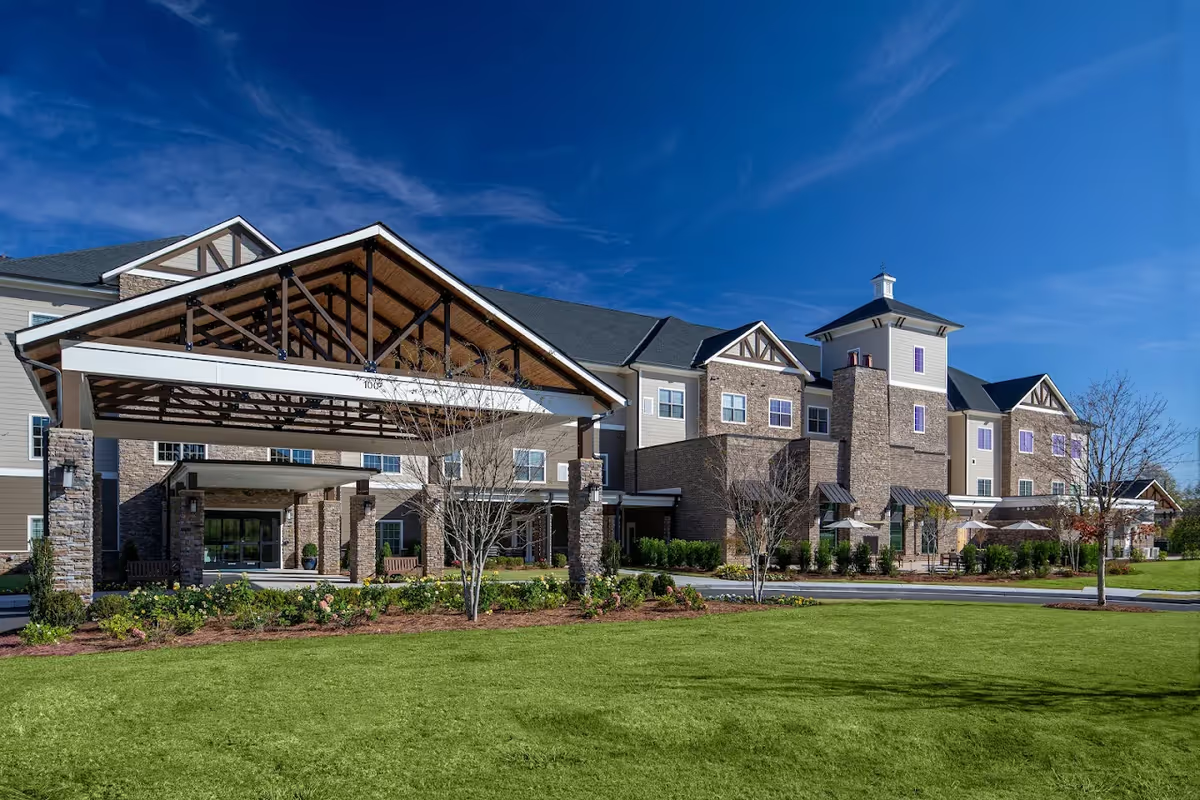
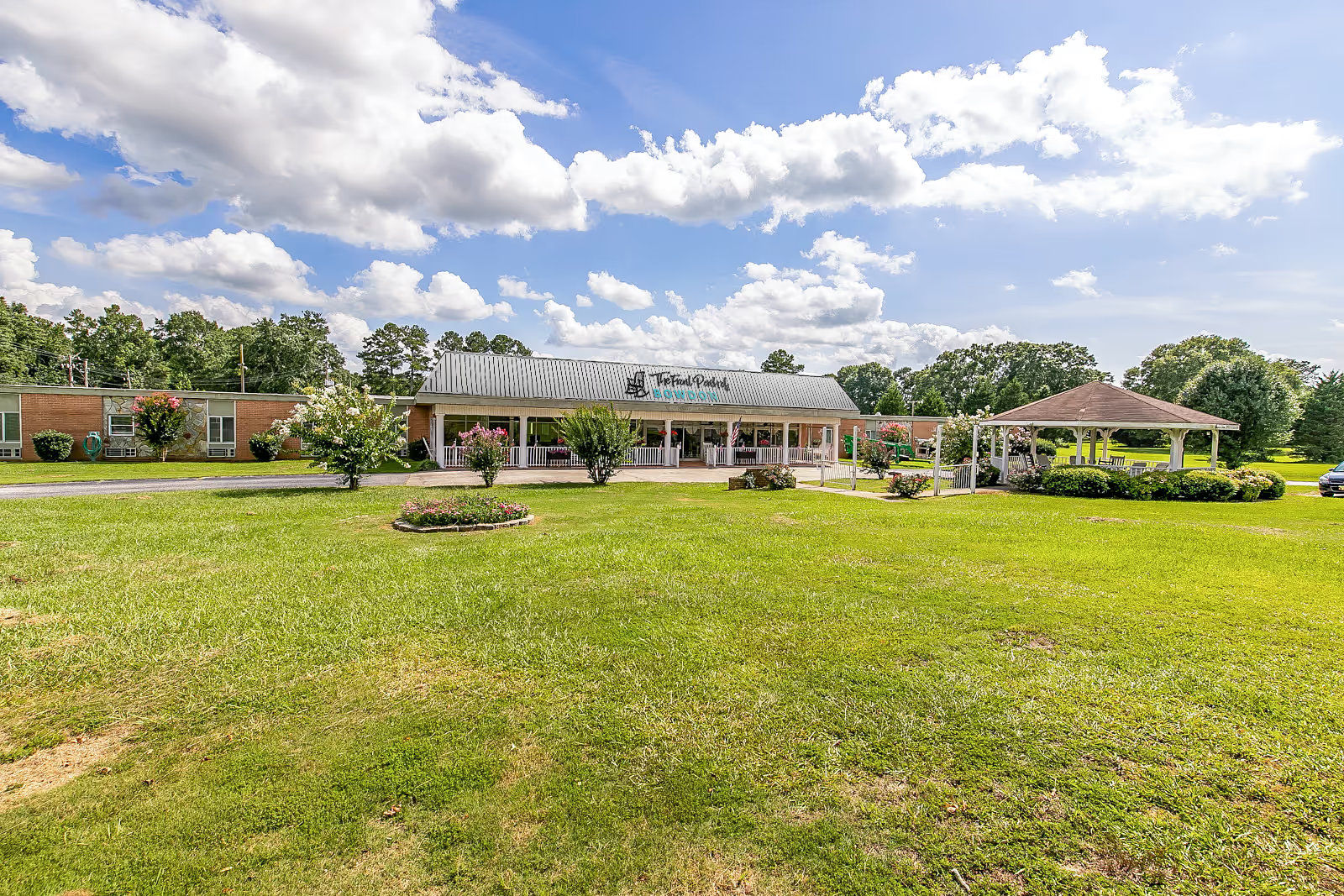
Overall sentiment in these reviews is mixed but leans toward concern. Several reviewers note positive interpersonal and service elements — staff are described as helpful and friendly, and the facility accommodated religious services such as church. The building presents a generally fine outward appearance and the layout includes two separate hallways/areas for different levels of care, which suggests some organizational separation between care populations. Despite those positives, multiple reviewers raise serious and recurring concerns about safety, infection risk, environmental comfort, and staffing that substantially affect their overall impression.
Care quality emerges as a central theme with conflicting impressions. On one hand, reviewers say that residents "appear to be cared for," implying that routine needs may be met for many residents. On the other hand, there are specific, serious clinical concerns documented: aspiration risk leading to pneumonia, improper positioning of residents, and subsequent hospital readmissions. Those reports indicate inconsistency in basic nursing practices (such as positioning and feeding/aspiration precautions) and raise red flags about clinical oversight and infection control. The mention of hospital readmissions underscores that issues are severe enough in some cases to require acute-level care after discharge or during residency.
Staffing and management-related themes are similarly mixed. Staff are repeatedly described as friendly and helpful when present, and that cordial behavior is an important positive. However, multiple reviews also describe limited or no contact with staff because they are too busy, and one reviewer explicitly questions accountability. This combination suggests variability between staff interactions and potential under‑staffing or poor task prioritization during busy periods. Questioned accountability points to possible problems in incident reporting, follow-up, or management responsiveness to clinical problems flagged by families or observers.
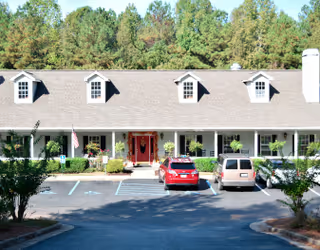
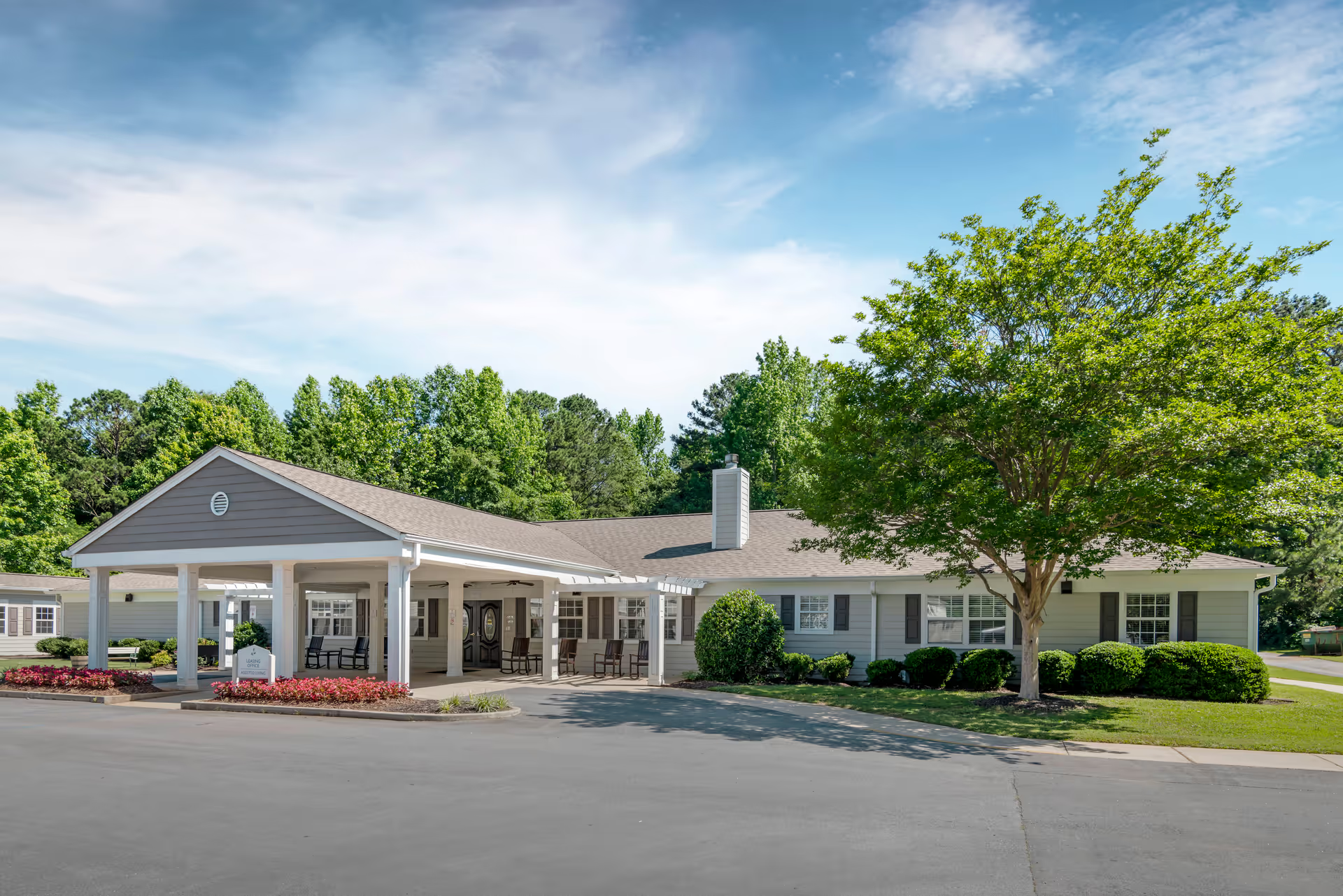
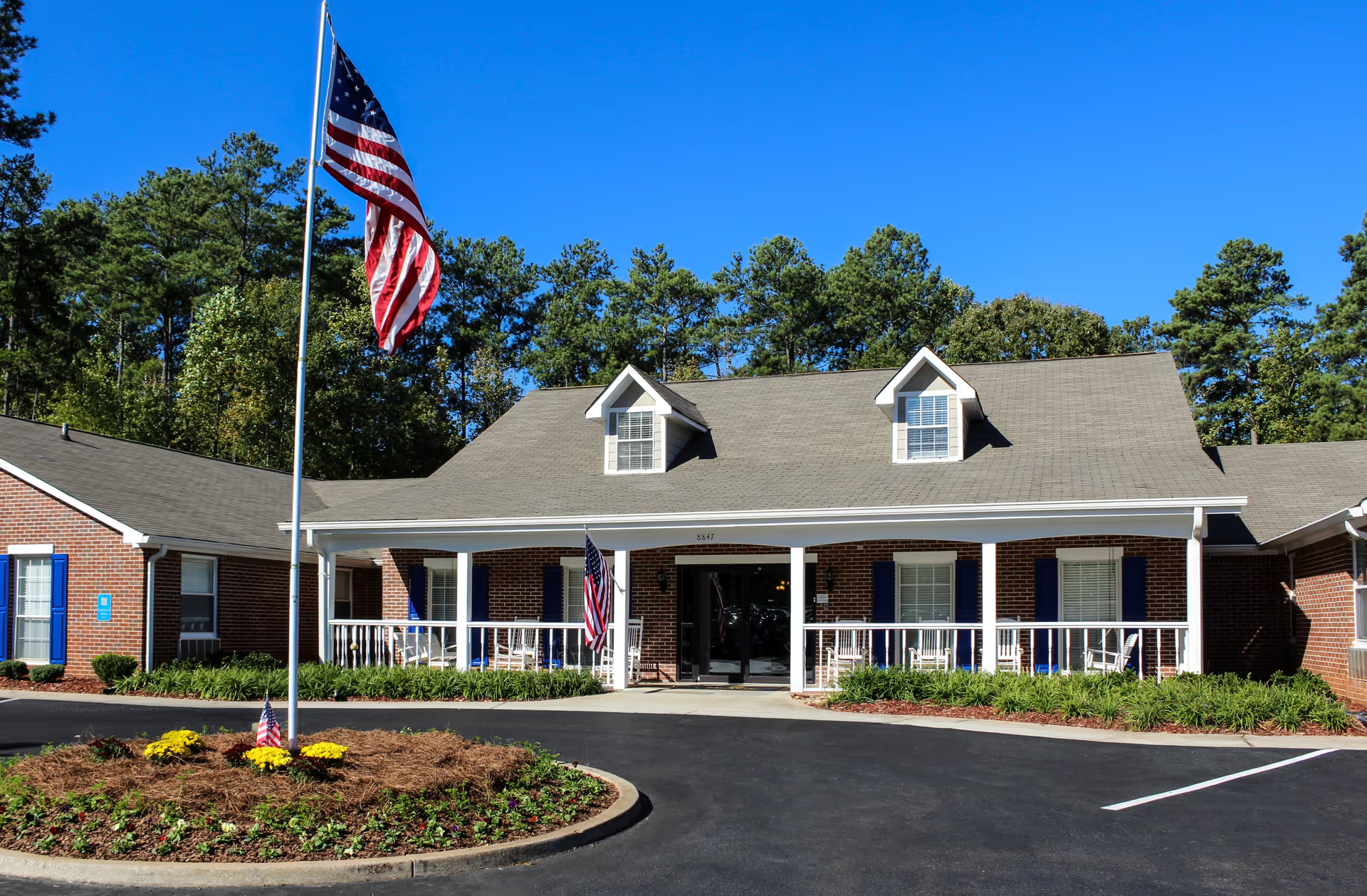
Facility and environment considerations are also inconsistent. The facility is reported to have a "fine appearance," which may reflect cleanliness or upkeep in visible areas, and the two-hallway layout could indicate an attempt to segregate higher-acuity residents from others. Contrasting that, reviewers report a strong odor and a noisy environment; those conditions negatively affect resident comfort and can reflect lapses in housekeeping, ventilation, or noise management. Reviewers also describe the environment as "depressing" because many residents are bedridden — an important qualitative concern about ambiance and the emotional climate of the facility, not solely its physical maintenance.
Activities and services are sparsely described but include a positive note that church services were accommodated, indicating some availability of spiritual or group activities. There is no direct information in these reviews about dining quality, meal service, therapy programs, or recreational offerings, so no firm conclusions can be drawn in those areas from the available summaries.
Taken together, the pattern across reviews is one of variability: visible and interpersonal strengths (friendly/helpful staff, accommodation of religious services, acceptable outward appearance, and organizational separation of care levels) coexist with troubling clinical and operational weaknesses (aspiration/pneumonia events, improper positioning, hospital readmissions, limited staff contact due to busyness, odors, noise, and concerns about accountability). The most significant and actionable concerns center on clinical safety and consistency of care. Prospective residents and family members would be justified in probing clinical protocols (aspiration precautions, positioning schedules, nursing staffing levels, infection control measures), management’s incident follow-up and accountability processes, and observing staff-resident interactions across different times of day to assess variability. The reviews point to a facility that can provide compassionate, helpful interactions but may have gaps in clinical consistency and environmental comfort that warrant careful evaluation and follow-up by families and oversight by administrators.