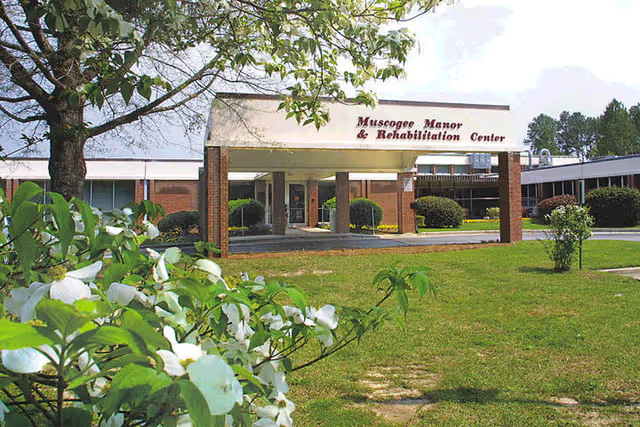
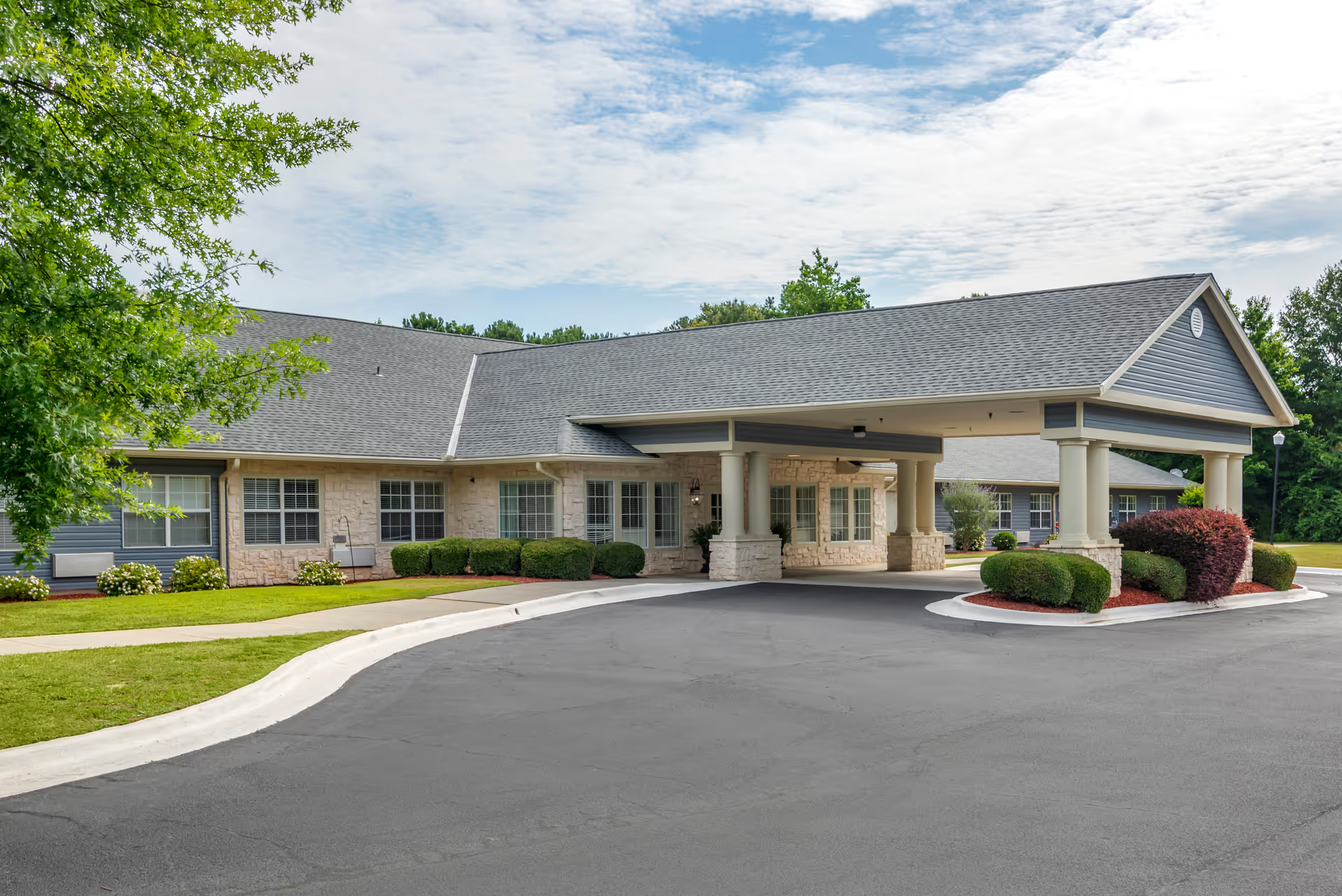
Muscogee Manor & Rehabilitation Center presents a mixed profile. Several reviews describe a large, attractive campus with spacious, well-equipped interiors, a dedicated secure memory-care wing, and strong rehabilitation resources—particularly for orthopedic and physical therapy needs. Many families and residents praised courteous, knowledgeable clinical staff (including medication and IV administration competence), quick laundry service, active programming, and a community-oriented culture that some described as hometown-focused.
Counterbalancing these positives are recurring operational concerns. Cleanliness and sanitation standards appear inconsistent across units and shifts; while some visitors found common areas and rooms well maintained, others described sanitation concerns and maintenance issues such as non-functional bathroom fixtures. Staffing levels and experience are a frequent theme: reviewers noted chronic understaffing, high turnover, and uneven staff competency, which reviewers linked to delayed assistance with activities of daily living, inconsistent dementia-care practices, and occasional lapses in staff professionalism or responsiveness.
Clinical oversight and communication emerged as important patterns. Multiple reviewers identified gaps in timely medication administration, unclear or delayed rehab progress reporting, and instances where family communication and telephone responsiveness were inadequate. Dining and special-diet handling were also inconsistent: some families reported high-quality meals and improvements after kitchen staffing changes, while others raised concerns about the safety and consistency of pureed diets. A small number of serious clinical events were described, including a hospitalization and a subsequent death; these reports underscore reported weaknesses in incident response and family notification processes.
Taken together, the facility appears to deliver strong rehabilitative care and can provide attentive, knowledgeable service in many circumstances, but outcomes seem to vary by unit and shift. Prospective residents and families would benefit from an on-site evaluation that includes observation of mealtime procedures, dementia-care staffing and training, cleanliness in the prospective unit, medication-administration practices, and the facility's family-notification and discharge-planning protocols. Asking for current staffing ratios, inspection of recent maintenance records, and discussion of contingency plans for clinical incidents will help clarify whether the facility's strengths align with an individual resident's needs.