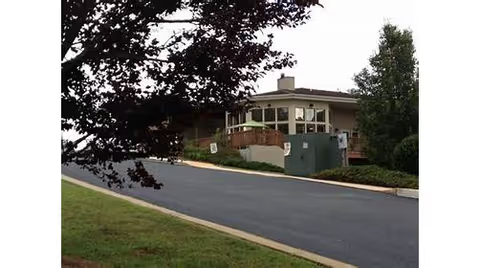
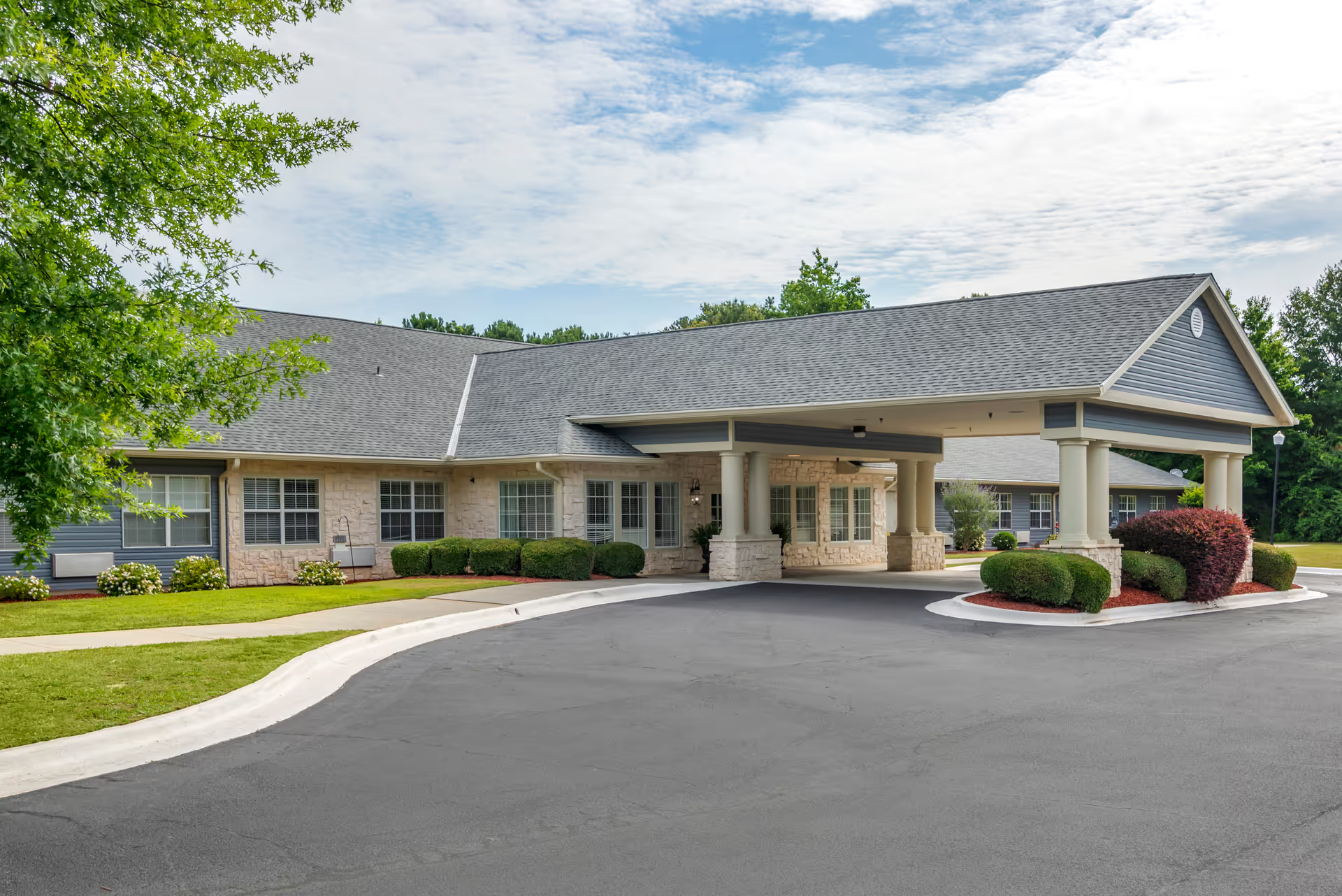
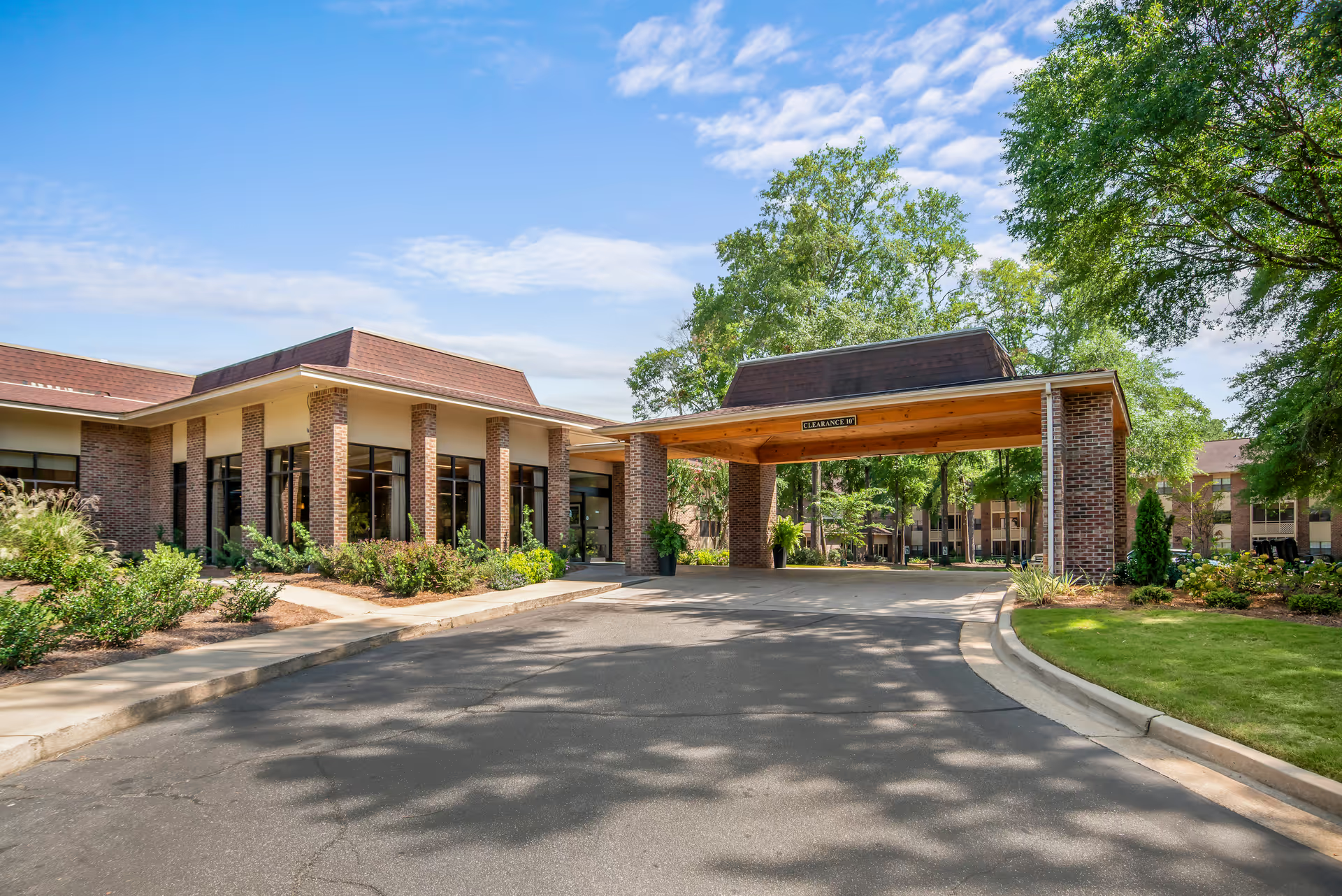
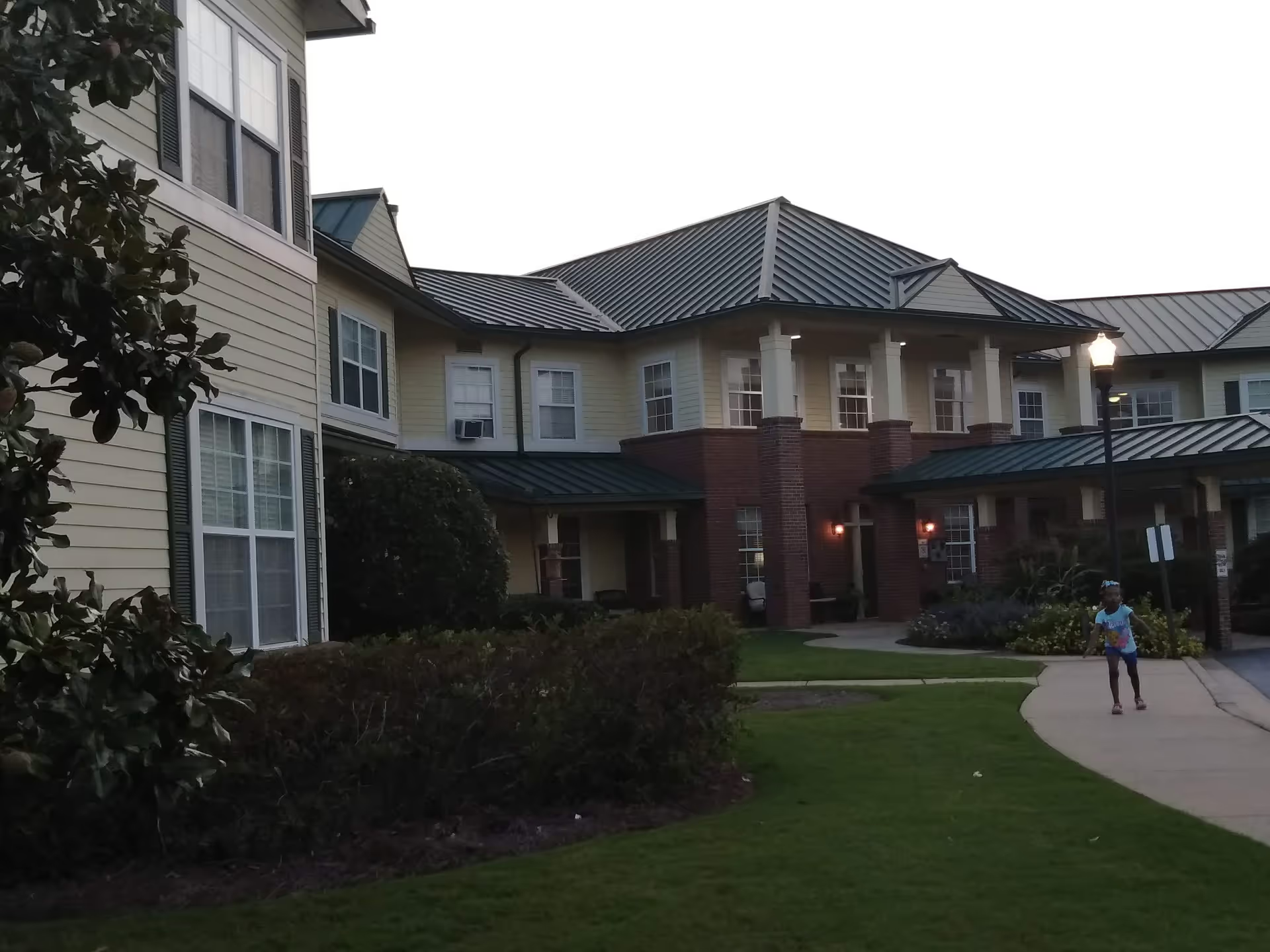
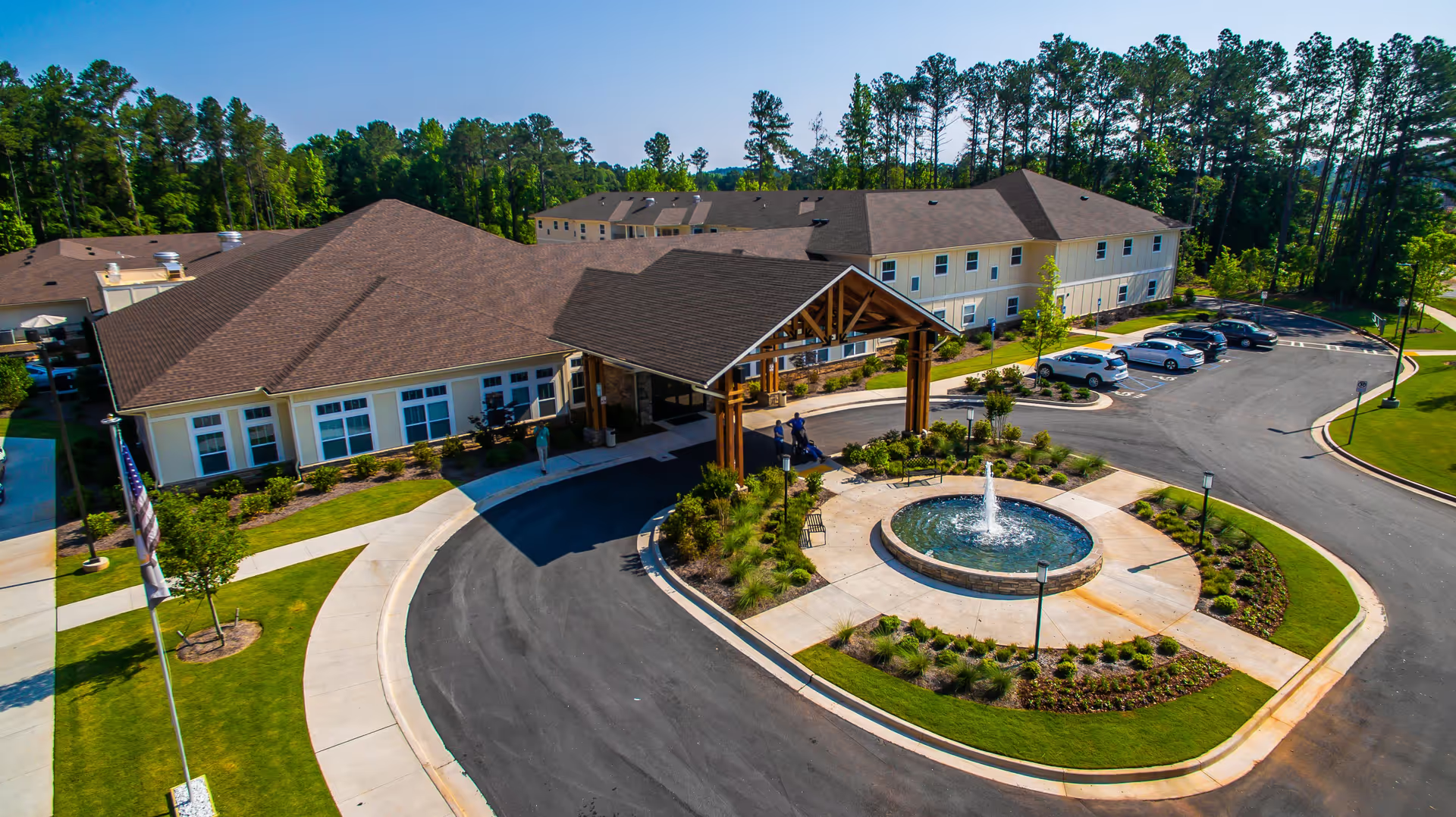
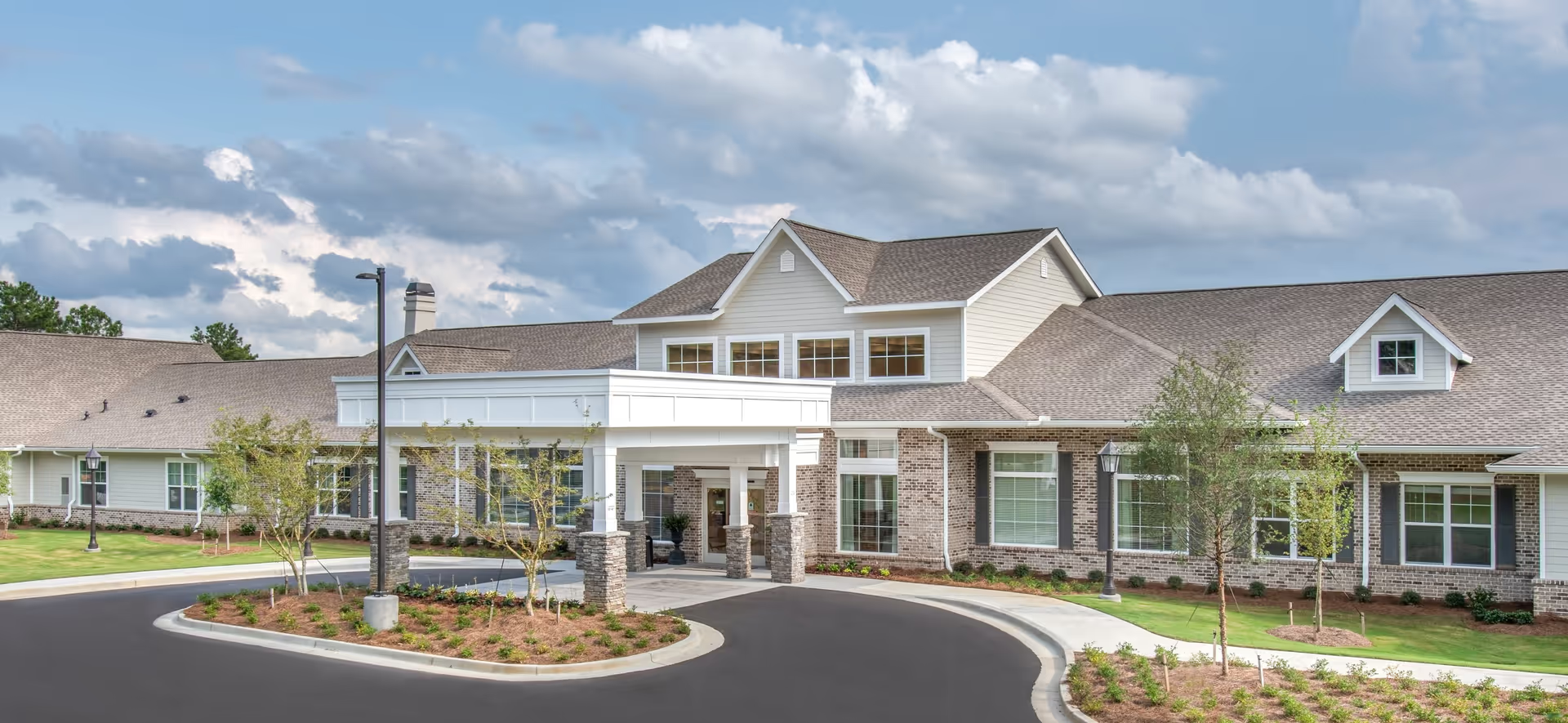
Reviews present a mixed picture of Oaks at Maple Ridge. Many families praised the frontline caregiving team for being warm, attentive and willing to go beyond expectations; reviewers frequently highlighted individual staff members, resident assistants, and dining staff as strengths. The community offers a range of amenities — well-run dining services, onsite physical and occupational therapy, a salon, common movie and activity areas, patios, and small-group activities such as parties, games, and outings — and several reviewers emphasized a clean, bright, recently refreshed environment that supports privacy and a home-like atmosphere.
At the same time, a number of substantive operational concerns recur across reviews and should be considered by prospective residents and families. Staffing instability and chronic understaffing were cited repeatedly; reviewers described uneven staff availability that can affect assistance with personal care, activity participation, and general responsiveness. Several reviews raise clinical concerns including medication-management weaknesses, gaps in wound-care and hydration monitoring, and delays in addressing urinary and infection-related issues; a few reviews included serious allegations about clinical oversight and discharge/transfer communication, and families would be prudent to verify inspection histories and clinical protocols.
Dining is frequently identified as a positive, with competent dining staff and a varied menu, though reviewers also described inconsistency in food quality and temperature on some days. The activity program is robust in many accounts, with organized events, exercise classes, and social opportunities, but other reviewers felt activity frequency or variety was insufficient for some residents. Facility maintenance and presentation are often described as good — clean common areas, attractive furnishings, and remodeled rooms — however, there are intermittent housekeeping and laundry-process issues and isolated maintenance concerns that indicate inconsistent execution.
Management impressions are mixed: some families described responsive, helpful leadership and smooth admissions transitions, while others characterized management as disengaged, slow to respond, or ineffective in addressing clinical and operational complaints. Additional recurring operational themes include limitations in 24-hour nursing coverage, safety and alarm-response lapses, and cost/contract constraints such as a minimum-stay requirement that affect affordability and flexibility.
Given these patterns, prospective residents and families should prioritize an on-site visit and targeted questions: staffing levels and turnover rates, direct-observation of mealtime service, details of medication-administration and clinical-monitoring protocols, wound- and hydration-management procedures, housekeeping and laundry workflows, emergency-response and alarm systems, 24-hour clinical coverage, and financial/contract terms. Reviewing state inspection records and asking for references from current families can help clarify which aspects are consistently strong and which are variable at this community.