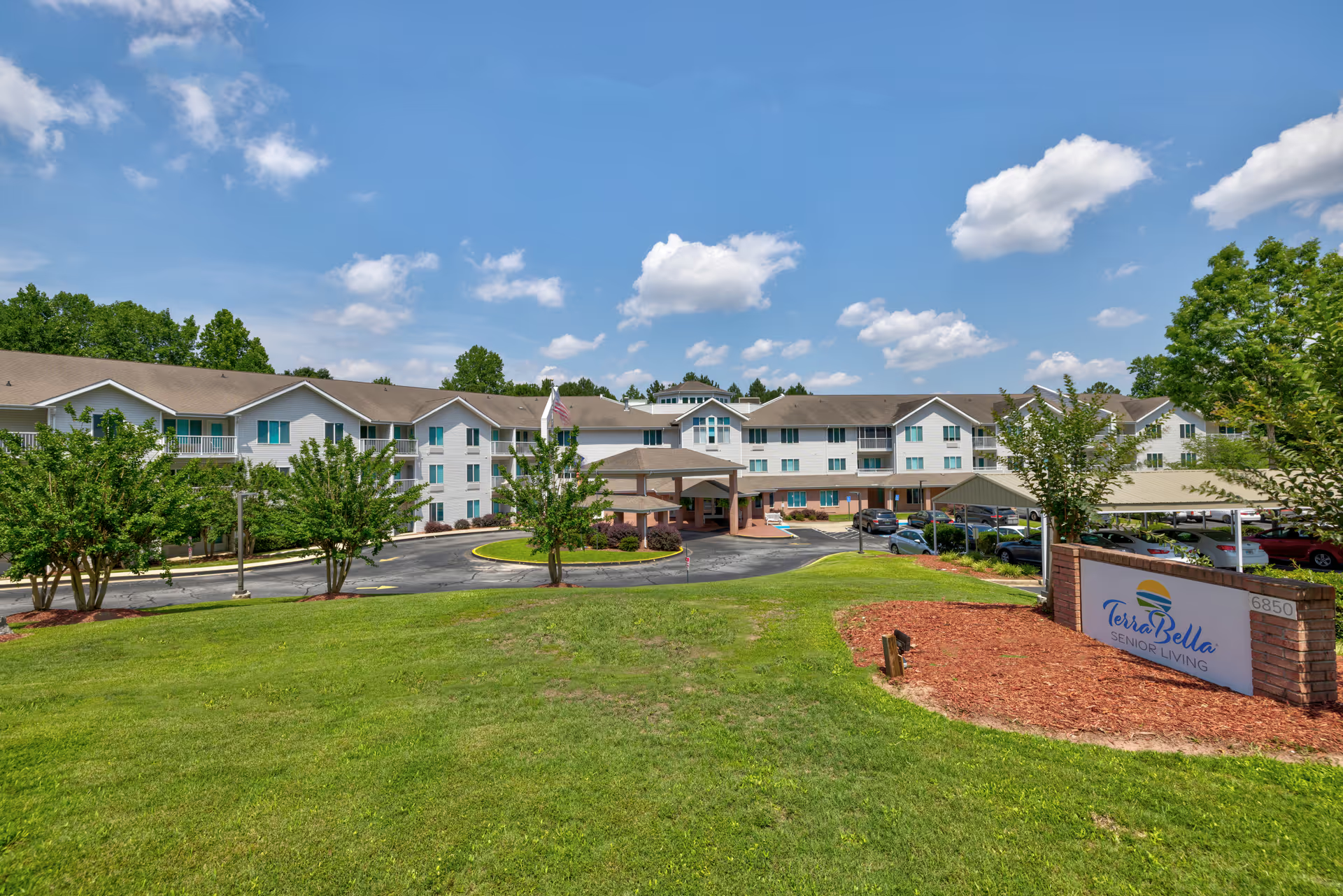
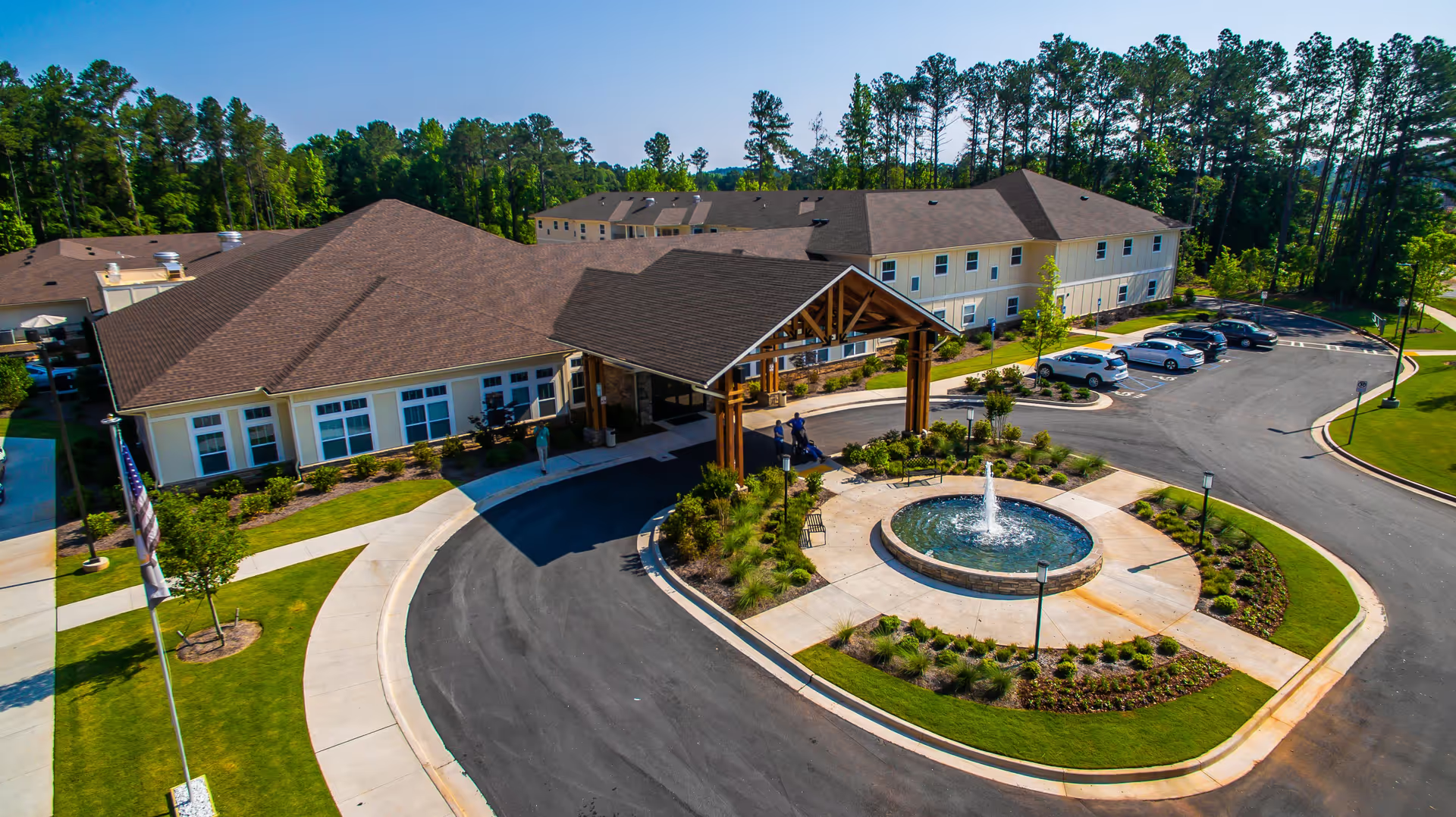
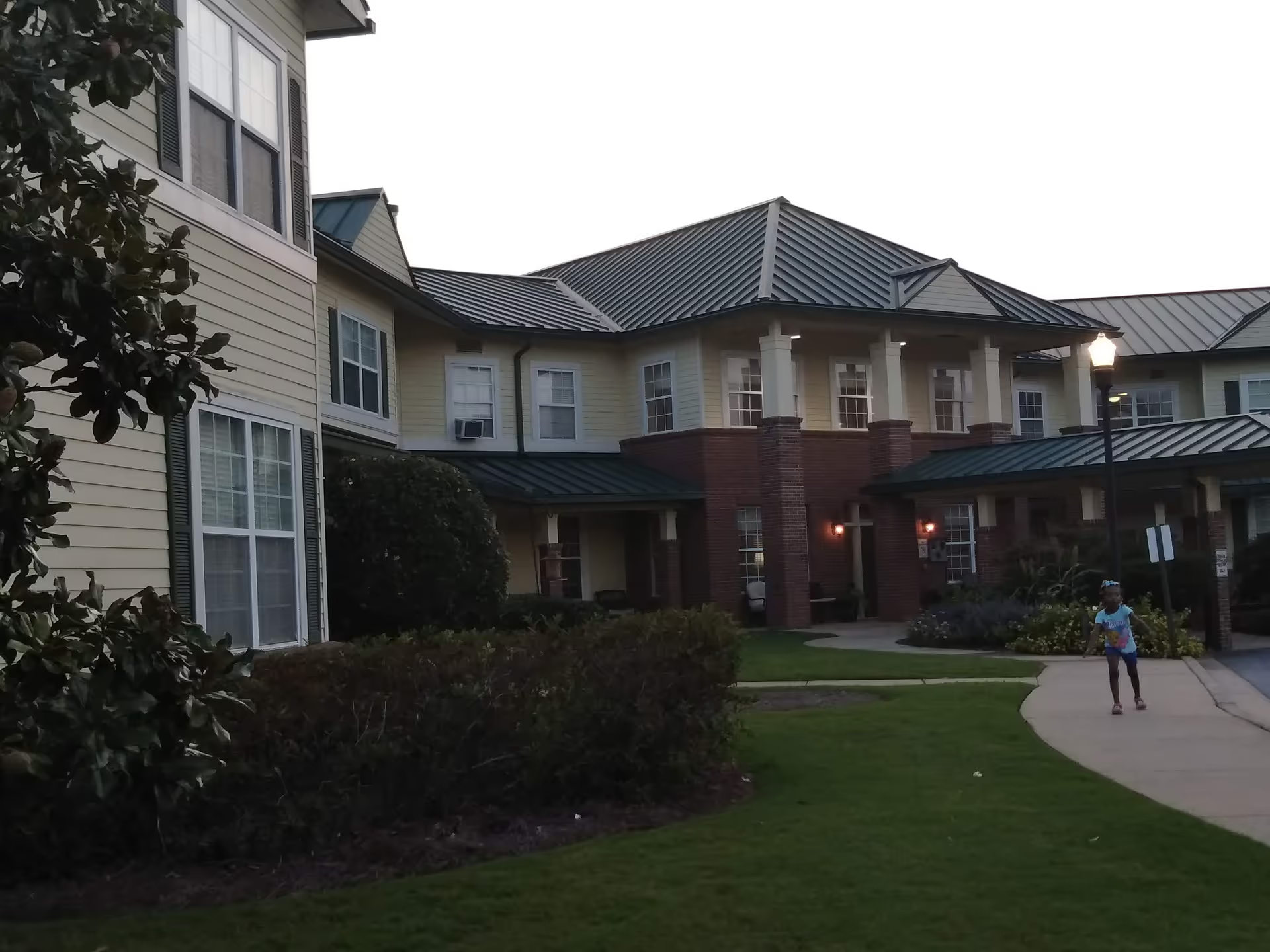
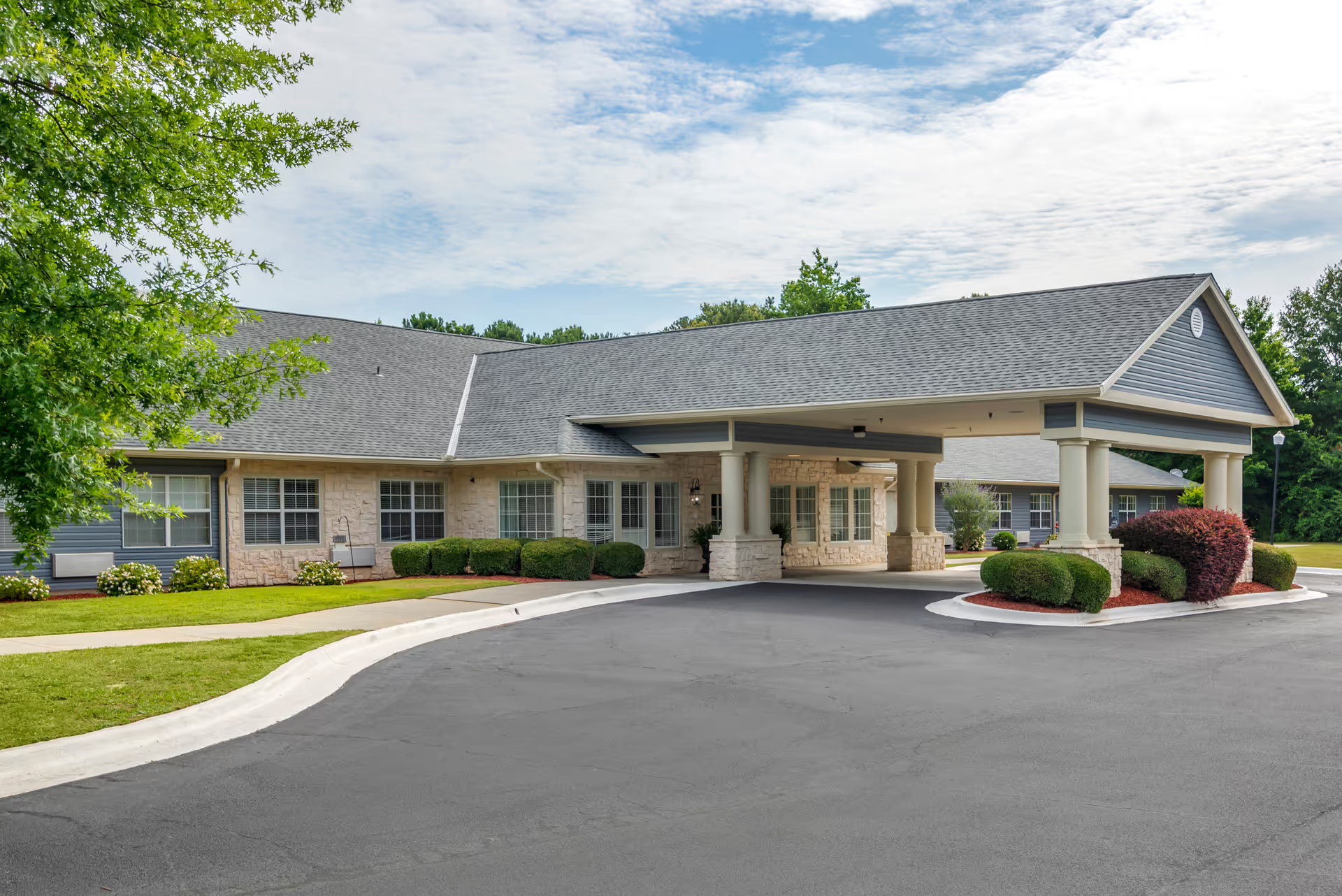
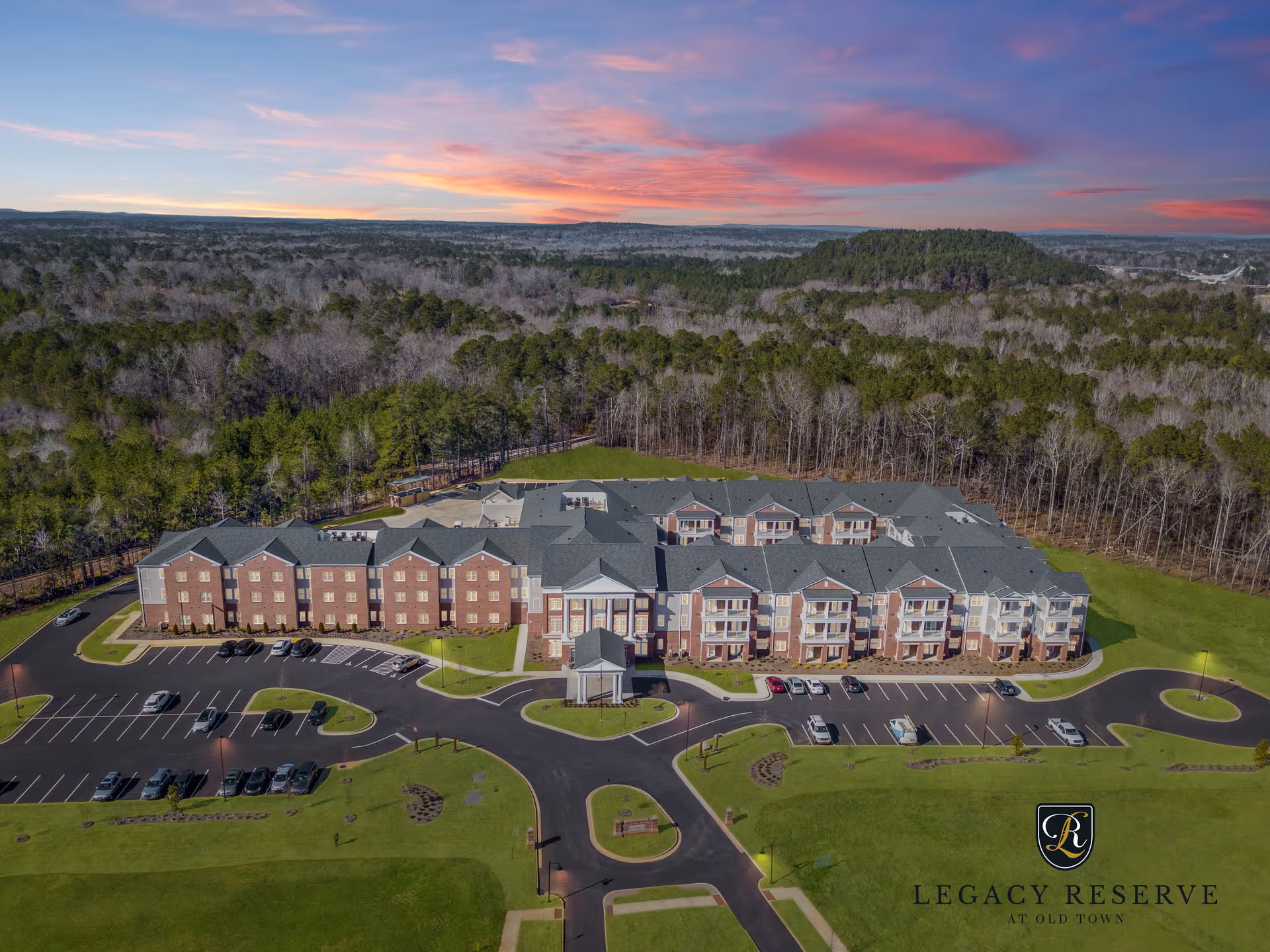
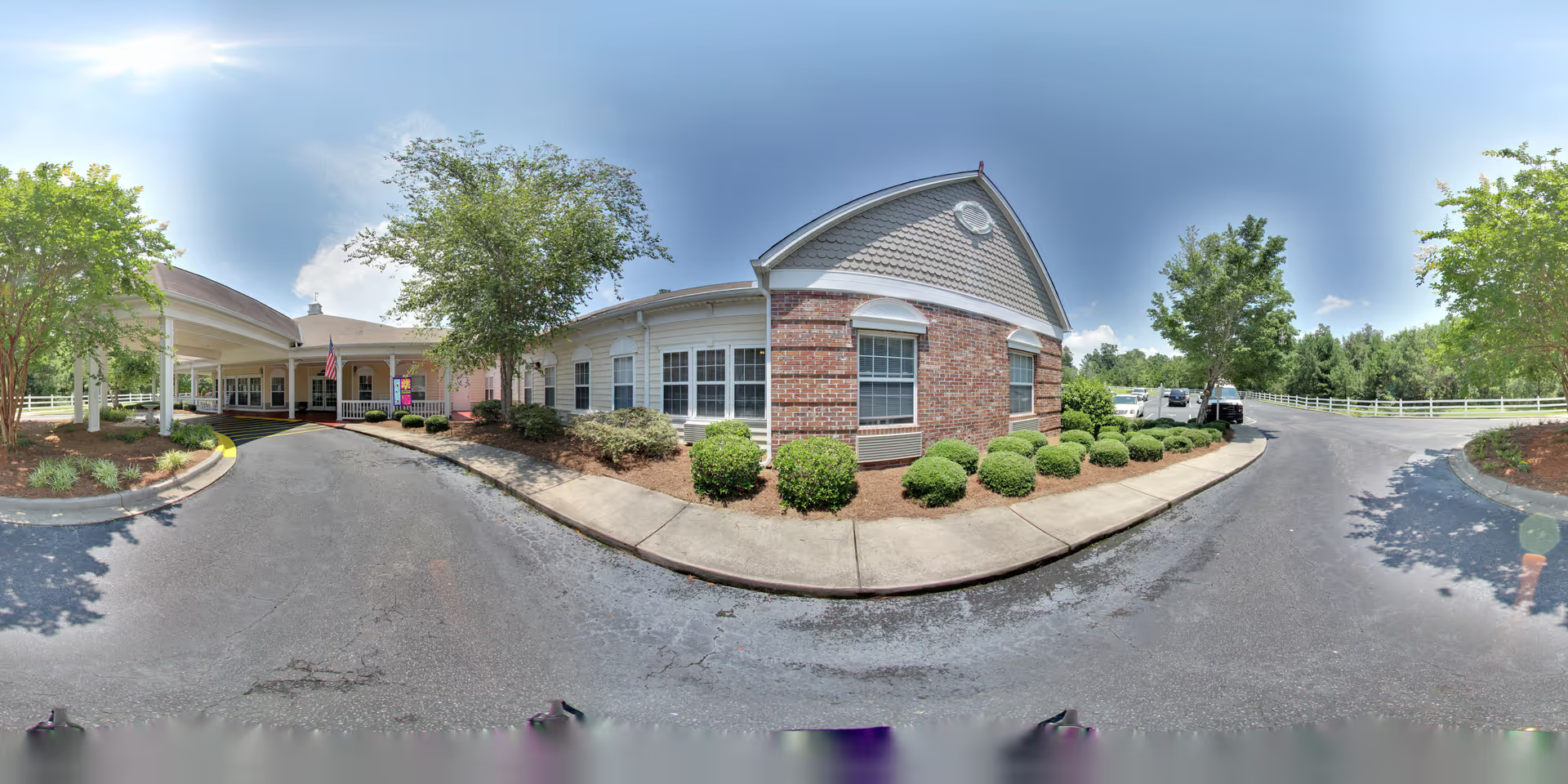
Overview Thrive at Green Island is commonly described as a new, upscale senior living community with a well-maintained, one-level design and accessible layout. Reviewers frequently praise the physical environment — spacious apartments with natural light, wide hallways, secure outdoor courtyards and fenced areas — and note high housekeeping and cleanliness standards. The building’s configuration and amenities support mobility and social interaction for residents who are ambulatory or require assisted living supports.
Care quality and staff Clinical and caregiving strengths are prominent in feedback. Families and residents describe compassionate, attentive caregiving staff and responsive clinical personnel, with multiple comments about on-site nurses and physician access. Rehabilitation services (PT/OT/speech) and a convenient therapy gym are viewed as assets for recovery and function. Admissions and family-navigation staff receive positive mention by name for easing transitions and maintaining communication. At the same time, there is a recurring pattern of variability: nonclinical staff turnover, uneven conduct or attentiveness across shifts, and occasional lapses in follow-through from management. These operational inconsistencies appear to drive some of the strongest negative impressions even where clinical care is rated positively.
Dining and nutrition Dining is a polarized area. Several accounts describe enjoyable, chef-prepared meals and pleasant dining facilities; an equal number raise concerns about inconsistent food quality, repetitive menus, small portions, and an emphasis on higher-starch options with insufficient protein or variety. Of particular concern are supervision and meal-service gaps in the memory-care dining area, where staff oversight and assistance during meals were described as needing improvement. Prospective families should plan a detailed conversation about dining plans, special-diet accommodations, portioning, and supervision for residents with cognitive or swallowing impairments.
Activities and social programming The activity program is a clear strength. The community offers a broad calendar of offerings — group exercise, walking clubs, arts and crafts, music and sing-alongs, outings to plays and musicals, intergenerational or guest programs, and on-site events like Sip & Stroke — as well as technology supports such as an activity app. These programs are consistently identified as stimulating and supportive of social engagement. Reviewers did note that activity options can be less appropriate for residents with more advanced Alzheimer’s, so families should verify program suitability for higher-needs residents.
Management, operations, and value Admissions staff and some directors are frequently singled out for positive, solution-oriented support during move-in and transitions. However, there are recurring operational themes: reports of management not consistently following through on promises, intermittent maintenance or setup issues related to a new facility, and concerns about responsiveness when families raise specific problems. Price and availability are also notable: the community is perceived as premium and can be over budget for some families, with waiting lists for certain unit types.
Notable patterns and guidance for families Overall sentiment ranges from highly positive — describing a warm, home-like community with engaged staff and strong programming — to strongly negative, often tied to specific operational or dining experiences. The dominant positive patterns are staff compassion, clinical resources, robust activities, and an attractive physical environment. The dominant areas needing attention are consistent meal quality and portions, dining supervision in memory care, nonclinical staffing continuity, and management follow-through. Prospective families should (1) tour the dining room at mealtime, (2) meet direct-care staff across shifts, (3) discuss supervision and meal assistance plans for memory-care residents, and (4) clarify pricing, waitlist timelines, and the facility’s approach to addressing feedback and operational issues. These targeted inquiries will help determine whether the community’s strengths align with a given resident’s clinical and social needs.