Reviews portray a facility with a broadly positive caregiving culture but notable operational inconsistencies. Many families describe compassionate, professional staff, attentive nurses, and activity directors who create a friendly, home-like environment. Several reviewers highlighted strengths such as helpful tours and admissions staff, on-site clinical access, well-kept grounds, comfortable rooms, and an active schedule of social opportunities (cards, bingo, movies). When management and frontline teams are aligned, communication with families is described as timely and supportive — including useful updates for long-distance relatives and positive short-term/respite stays.
At the same time, a pattern of operational weaknesses emerges. Staffing instability and frequent leadership turnover have produced uneven care delivery: reviewers cited missed medications, lapses in personal-care routines (including inconsistent bathing and toileting support), and variable supervision in memory-care areas. Memory/dementia care is specifically called out as an area where the level of clinical support may not meet higher-acuity needs. Activity offerings are present and often engaging, but attendance and consistent execution appear uneven, producing a mixed experience depending on timing and staff availability.
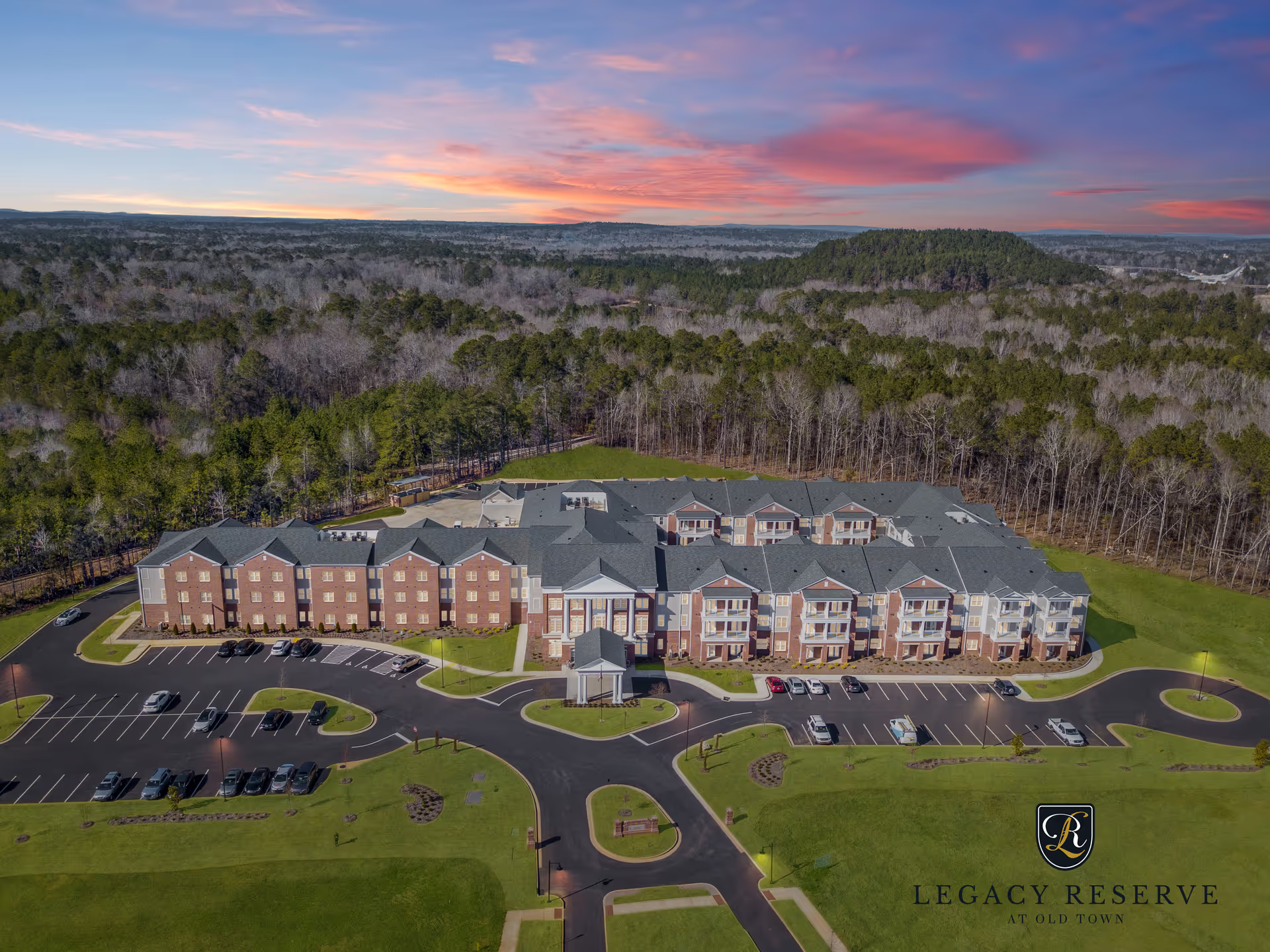
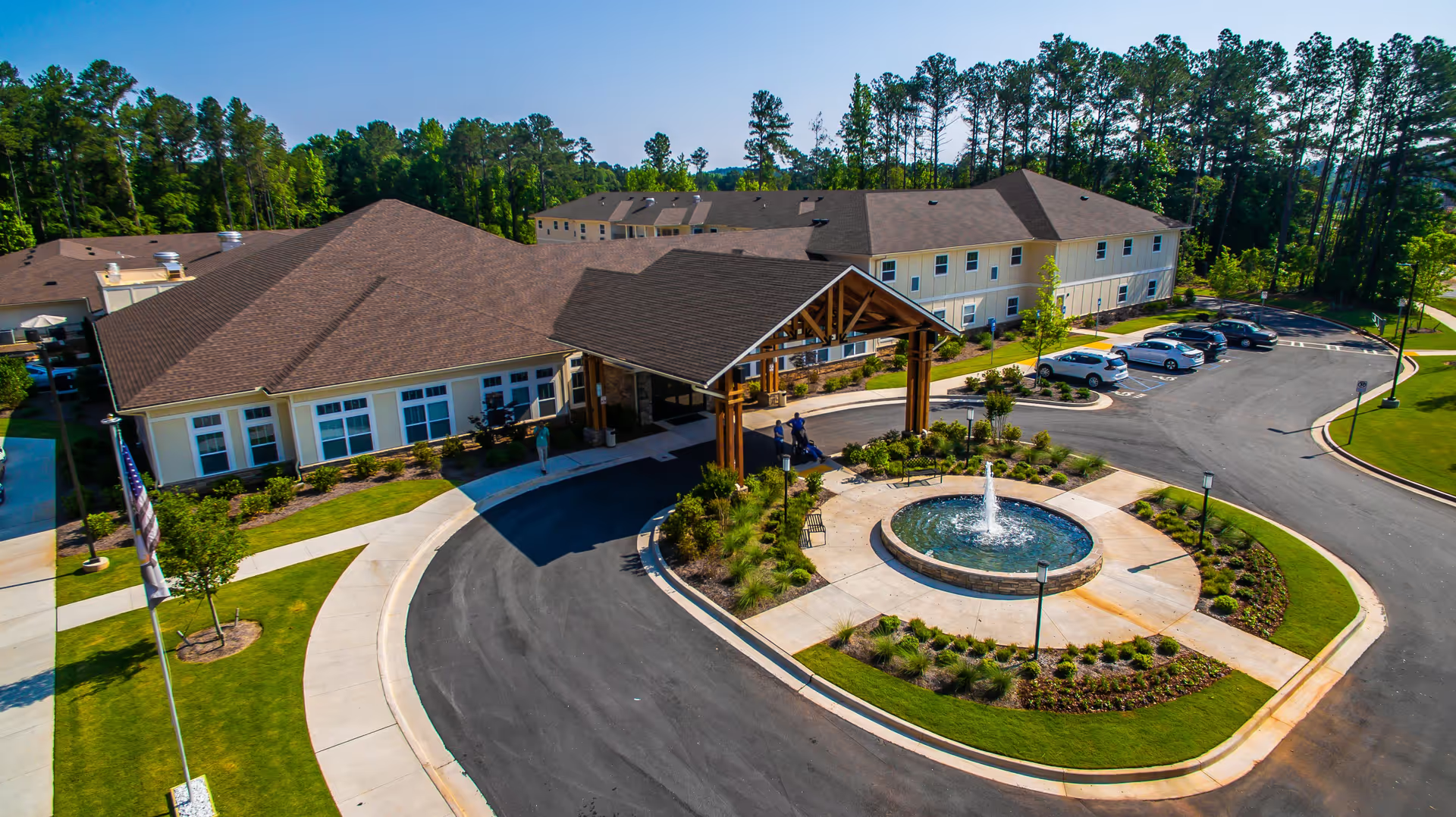
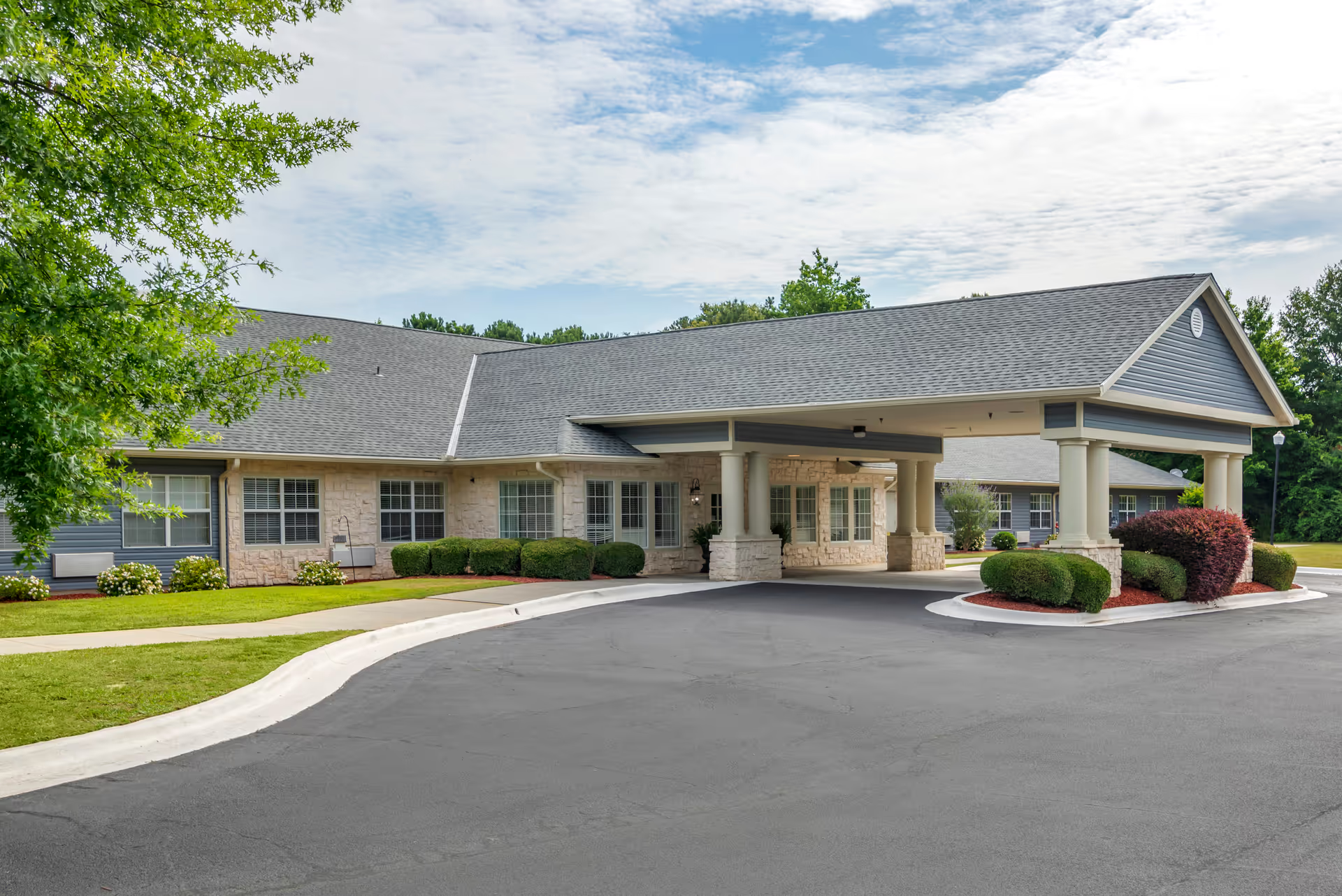
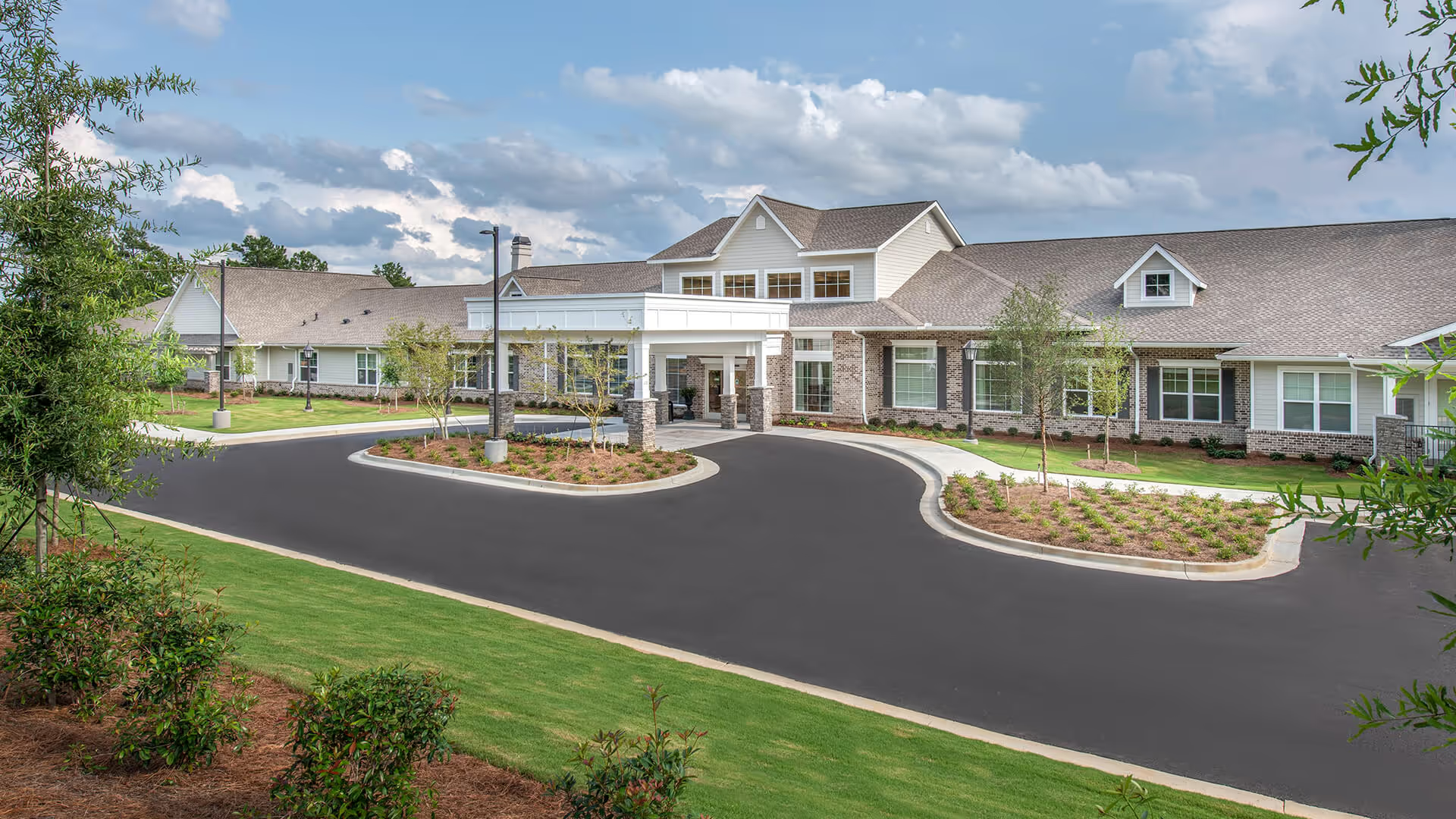
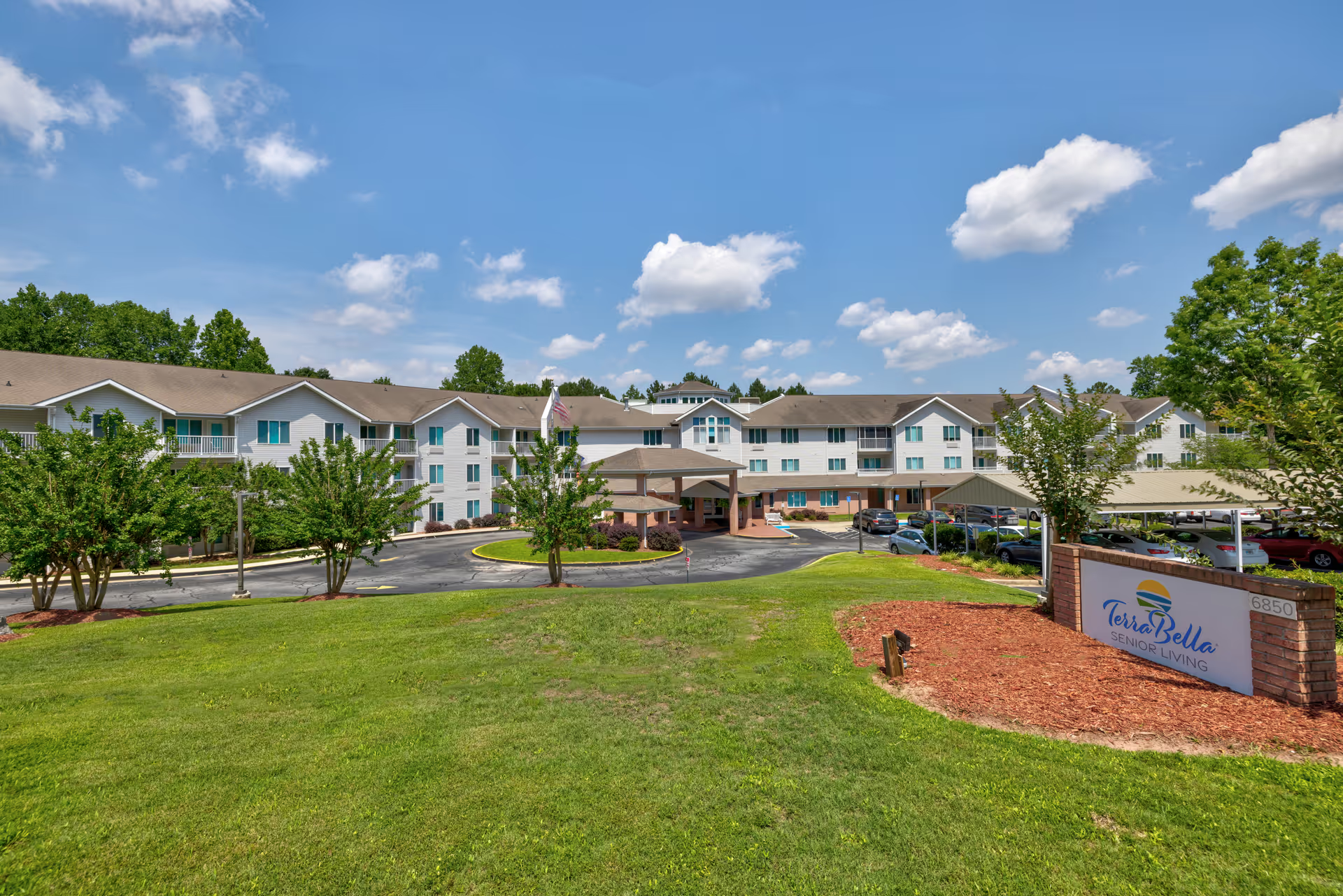
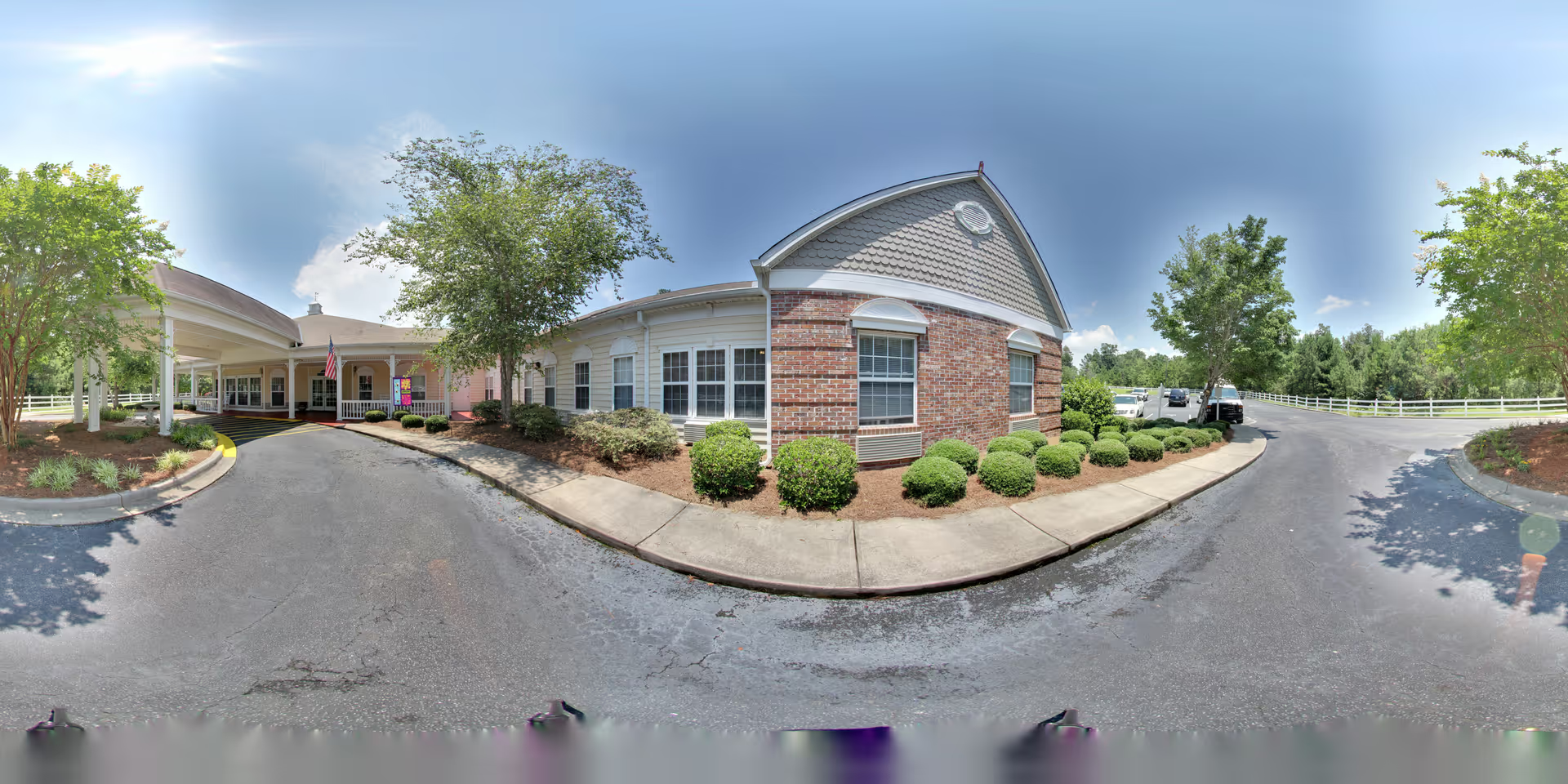
Facility condition feedback is mixed. Many families praise the grounds, layout, and communal spaces and describe the facility as clean and welcoming. Conversely, other reviews describe maintenance shortcomings — room-finish defects (paint, outlet access), plumbing and vanity issues, and concerns that point to needed improvements in housekeeping and pest-control practices. Dining receives varied comments: some find the meals well-prepared and appropriately portioned, while others note inconsistent quality and small portions.
Management and administrative practices are a recurrent concern. Beyond communications gaps that follow leadership changes, reviewers raise serious procedural worries about admissions and billing: pressured sales approaches, unclear contract terms, upfront fees, ongoing billing after discharge, and difficulty obtaining refunds or documentation. These issues have led to formal complaints in some cases; there are allegations of aggressive sales and billing practices that prospective families should investigate closely. Additional operational concerns include difficulty obtaining medical records, missing personal belongings, and perceived weaknesses in grievance resolution and regulatory follow-up.
For prospective residents and families: the facility shows clear strengths in staff compassion, community atmosphere, and available programming, and some reviewers have had very positive outcomes. However, the variability in clinical consistency, memory-care capacity, maintenance, and administrative transparency suggests careful, focused due diligence is warranted. Recommended next steps include an in-person tour during a mealtime and an activity period, direct questions about staffing ratios and turnover, written clarification of contract terms and billing procedures, inspection of room finishes and pest-control policies, and confirmation of dementia-care capabilities and medication-management protocols. These targeted inquiries will help determine whether the facility’s strengths align with a particular resident’s clinical and administrative needs.