TerraBella Riverplace presents as an independent living community with many hallmarks families look for: a hospitality-oriented atmosphere, chef-prepared meals, a full schedule of activities, and a range of apartment sizes and on-site amenities. Numerous accounts emphasize friendly, engaged staff who know residents by name, a restaurant-style dining room, regular live entertainment and religious services, and extensive communal spaces (library, game rooms, theater, salon, fitness room, chapel and outdoor garden areas). Many residents and family members describe a social, family-like culture, frequent programming, and practical conveniences such as guest suites, weekly housekeeping and an emergency pendant system.
Care quality and staffing are described in mostly positive terms regarding day-to-day assistance and social engagement: staff are often characterized as attentive, responsive, and supportive of transitions. The community offers optional paid aide services and has features that support semi-independent residents (transportation options, meal delivery when available, linen service). At the same time, reviewers indicate variability in staffing availability and responsiveness; some described periods of understaffing, slower response times, and inconsistencies in staff conduct and supervisory oversight. Families noted that TerraBella’s model is geared toward independent or semi-independent residents and that residents with increasing clinical or memory-care needs may exceed the facility’s scope without higher-level supports in place.
Dining is a central strength for many residents — chef-prepared meals, a rotating menu and restaurant-style presentation are frequently praised — but dining consistency is a clear area of concern. Reviewers describe uneven meal quality, small or inconsistent portions, substitutions, and occasional long waits for service (examples include extended wait times). There are also comments about menu balance (meat-heavy offerings, limited vegetable options for some diners) and reports that dining quality shifted after personnel changes. Operationally, these issues manifest as inconsistent meal-service continuity and perceived kitchen management problems.
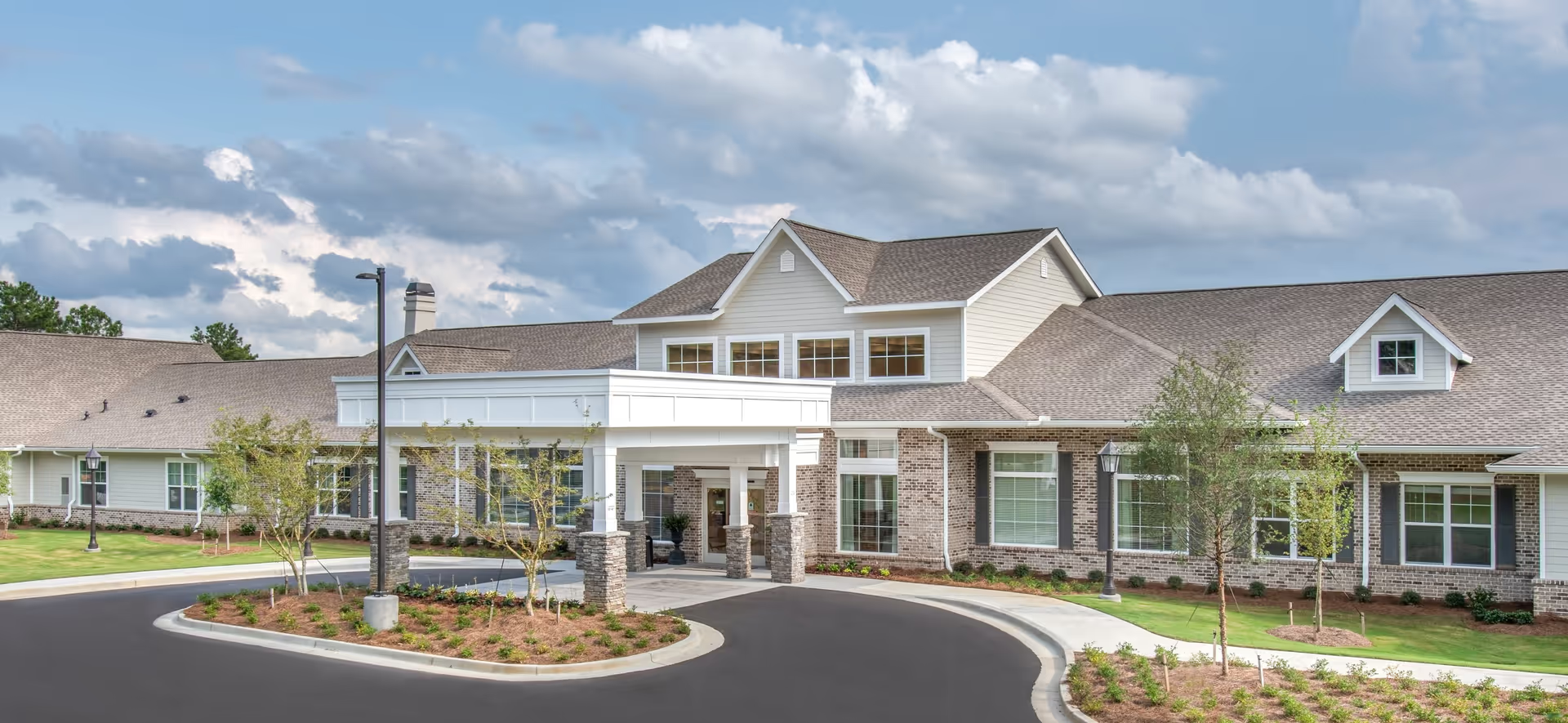
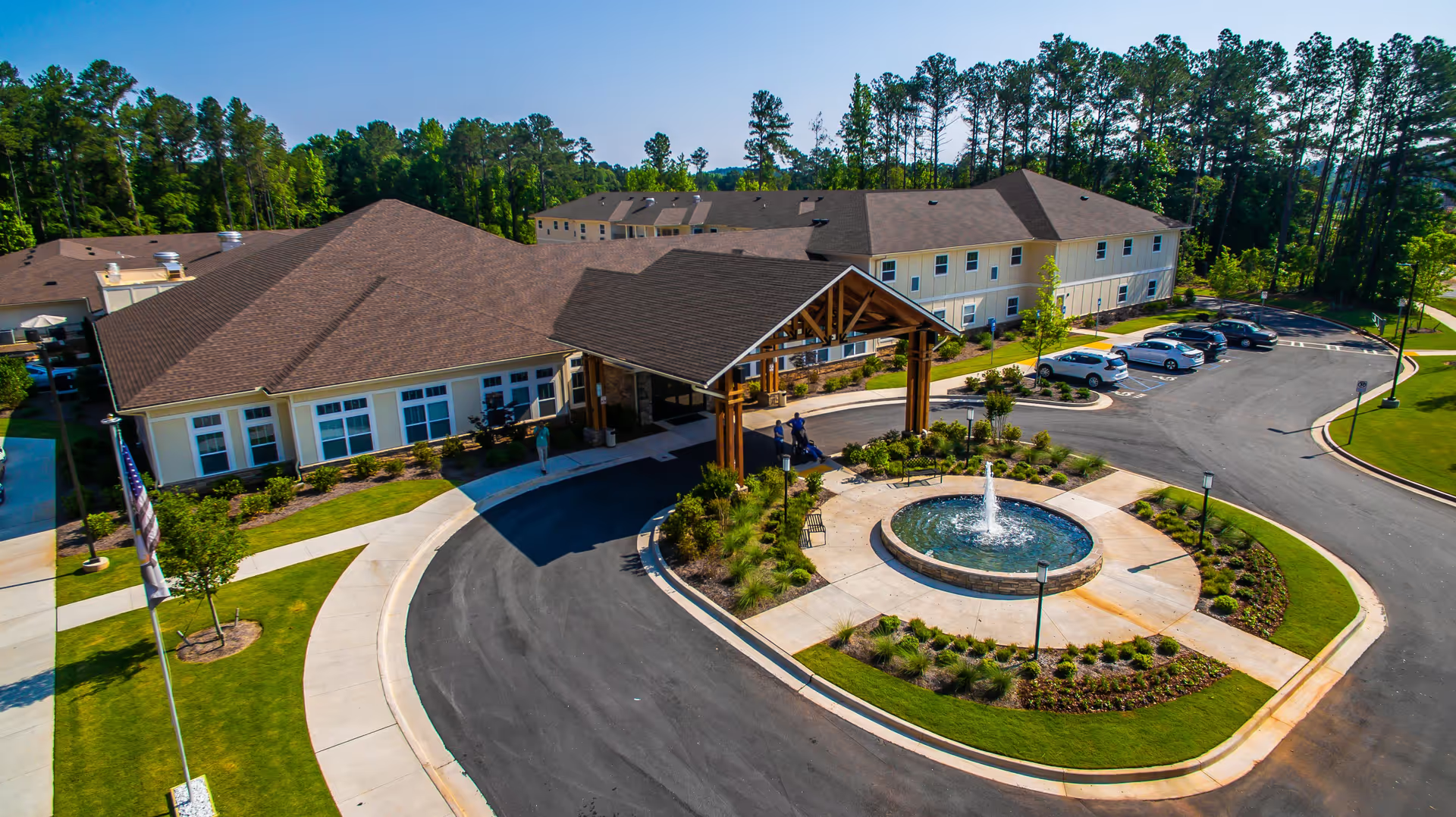
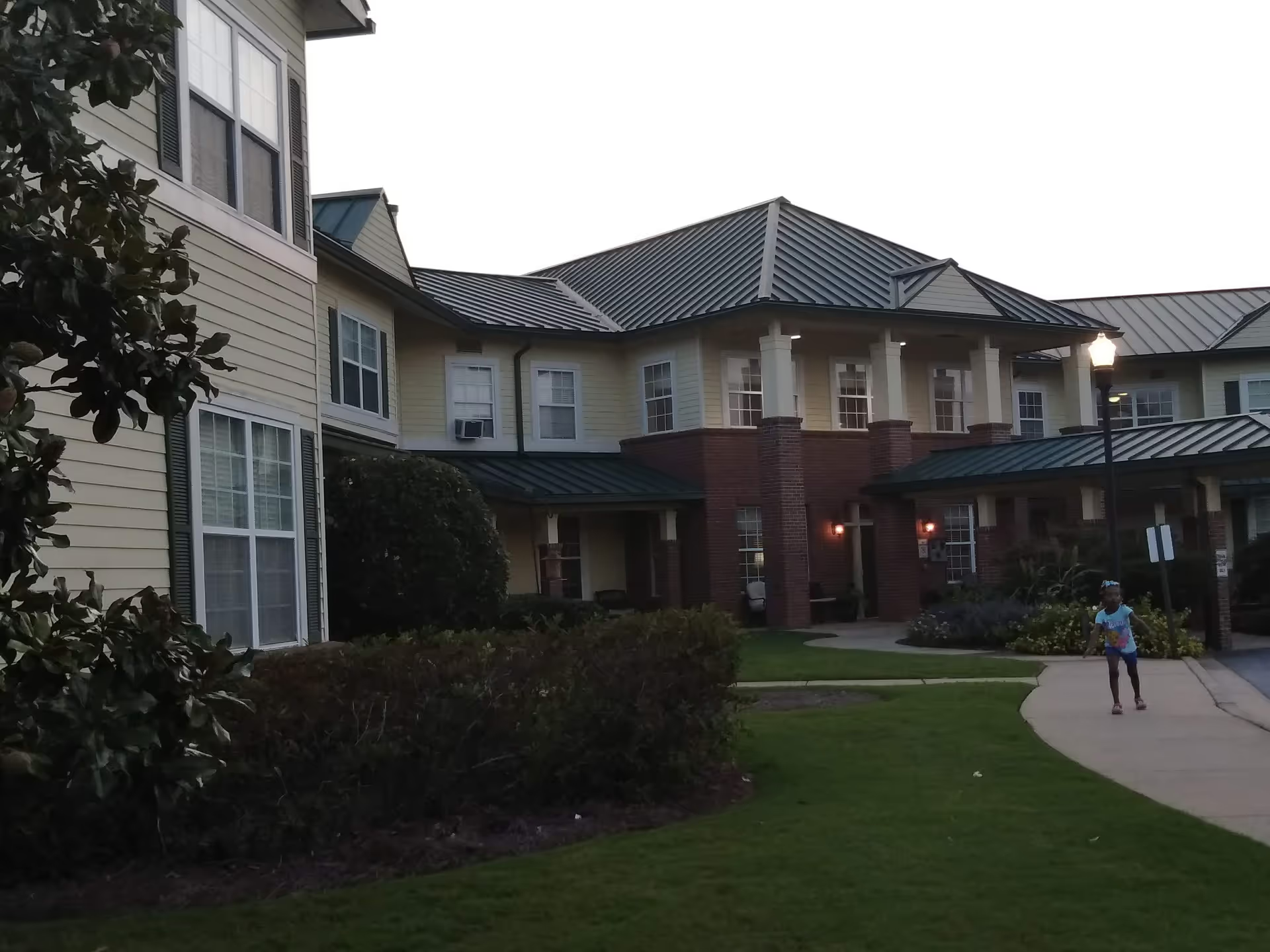
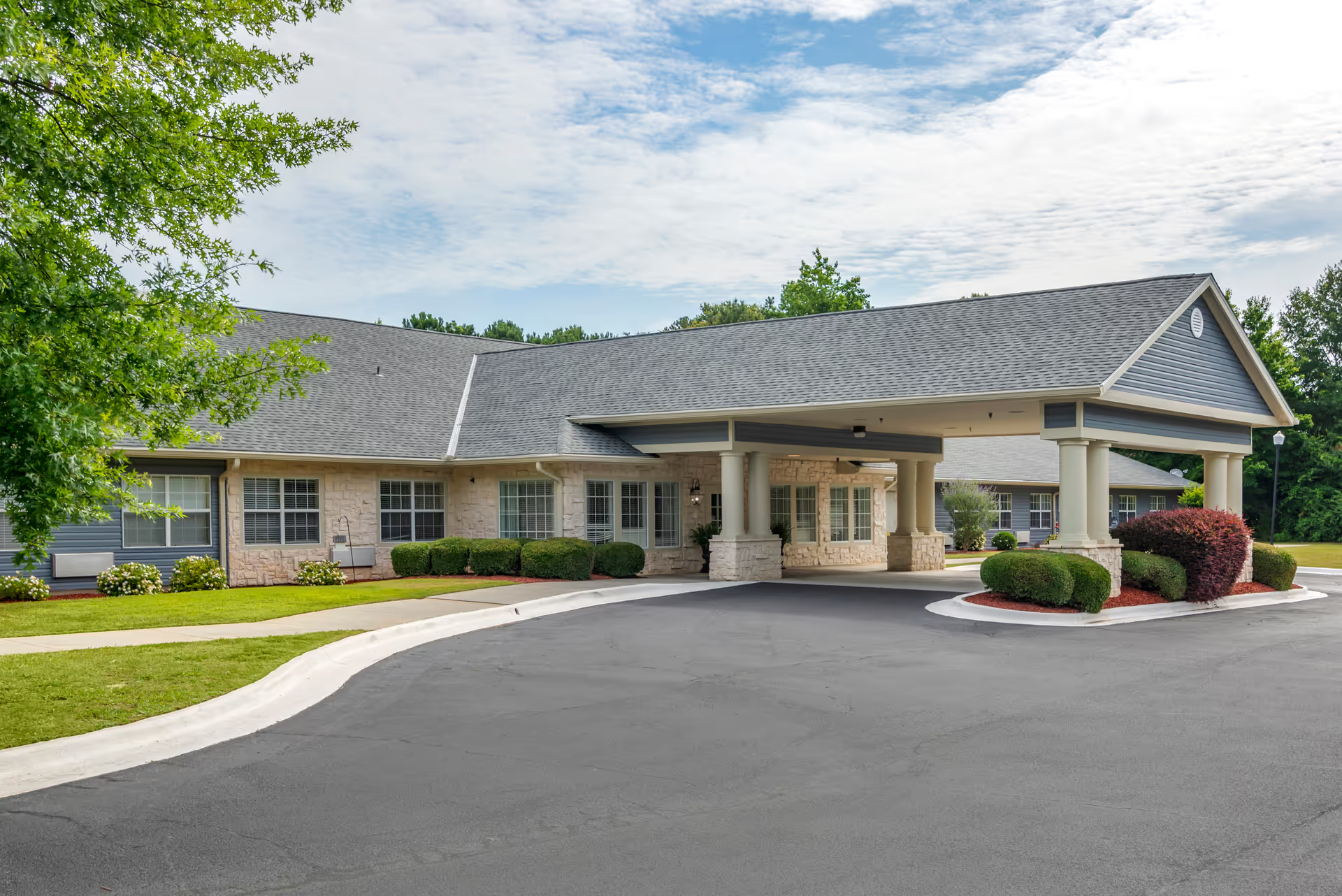
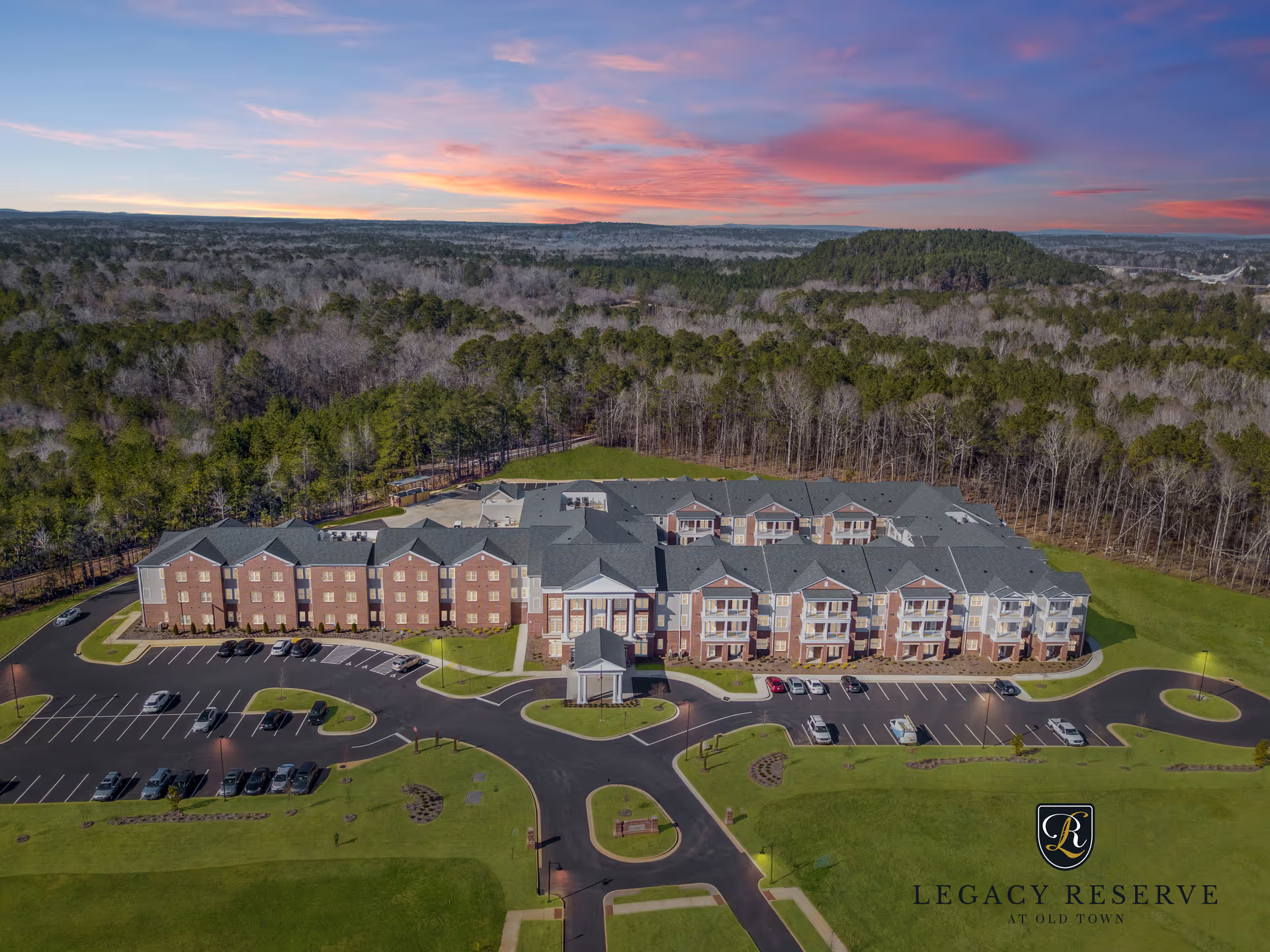
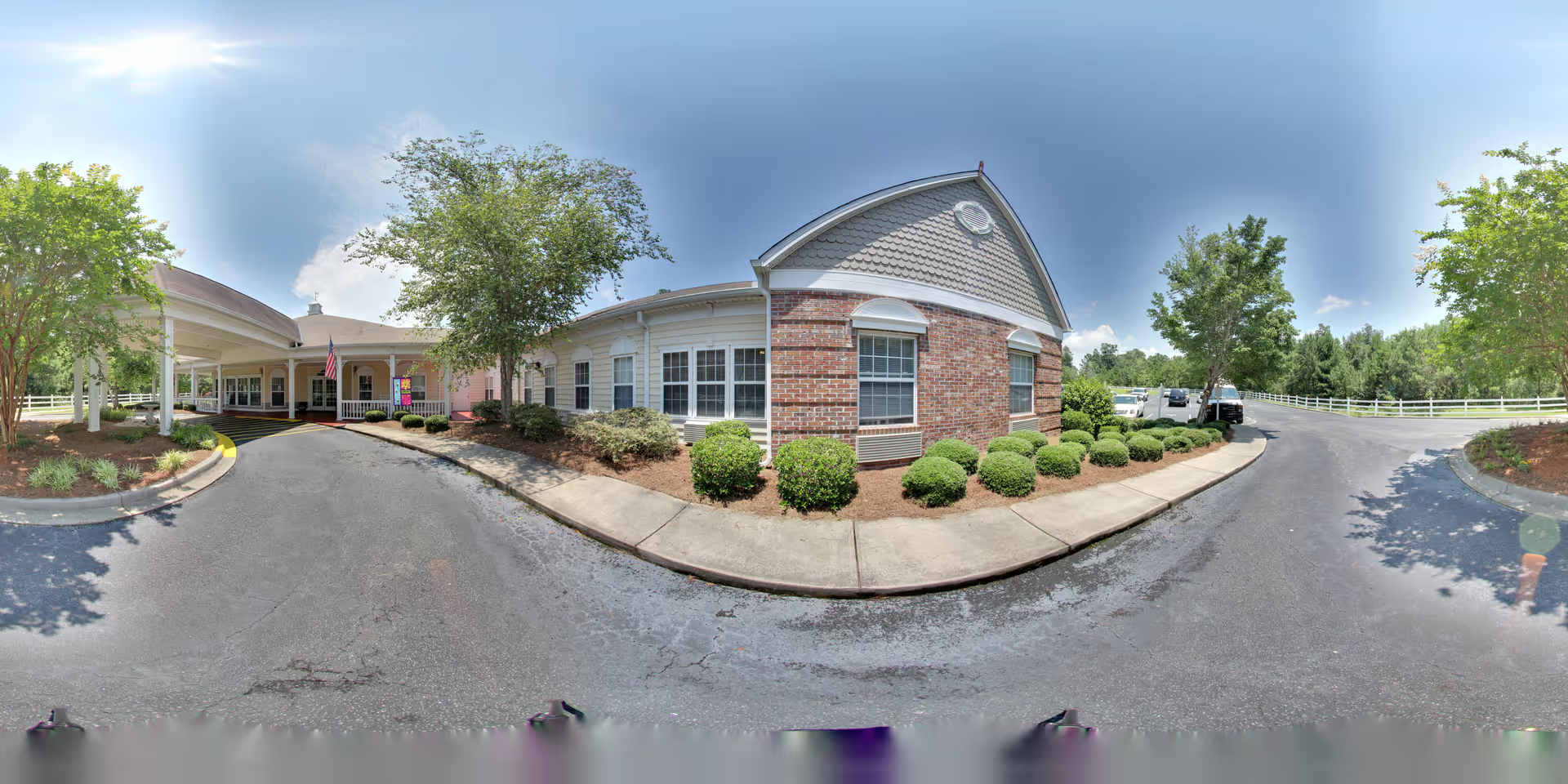
Facilities and amenities receive largely positive assessments: the building and grounds are commonly described as clean, well maintained and hotel-like, with many communal spaces and accessible recreational options. However, reviewers cite several practical limitations: some lower-cost units are compact; parking is limited in places; mechanical or design limitations have constrained accessibility (e.g., elevator dimensions and moving large furniture, and at times vehicle/van accessibility for mobility devices). Laundry-process concerns and mixed housekeeping consistency are also noted, indicating variability in routine services across wings or units.
Management and operational patterns show a mixed picture. Several respondents praise individual managers and staff for problem-solving, communication, and transition support, and some highlight solid emergency-preparedness measures. Conversely, others describe variable leadership stability, defensive responsiveness to feedback, and concerning management tone in isolated instances. Transportation reliability (van availability, wheelchair accommodation on vehicles) and infection-control or outbreak management have been singled out as operational weaknesses. Cost is another recurring theme: while many find value in bundled rent that includes meals and utilities, rent increases and additional charges for services (phone, certain aides, larger units) have been a source of dissatisfaction for some households.
Overall, TerraBella Riverplace appears to be a strong option for older adults seeking an active, social independent-living environment with on-site dining and robust programming. Prospective residents and families should weigh the strengths — social programming, chef-driven dining, attentive frontline staff, and a broad amenity set — against the documented operational variability: meal-service consistency, certain sanitation and laundry-process concerns, transportation and accessibility limits, and variable managerial stability. For anyone considering a move, an in-person tour, a trial stay if available, and clear conversations about the resident’s expected care trajectory, meal expectations, mobility needs, and contractual fee increases would help align expectations with the community’s operational profile.