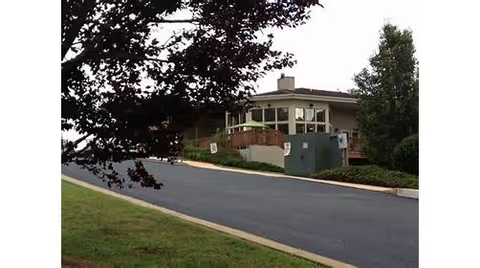
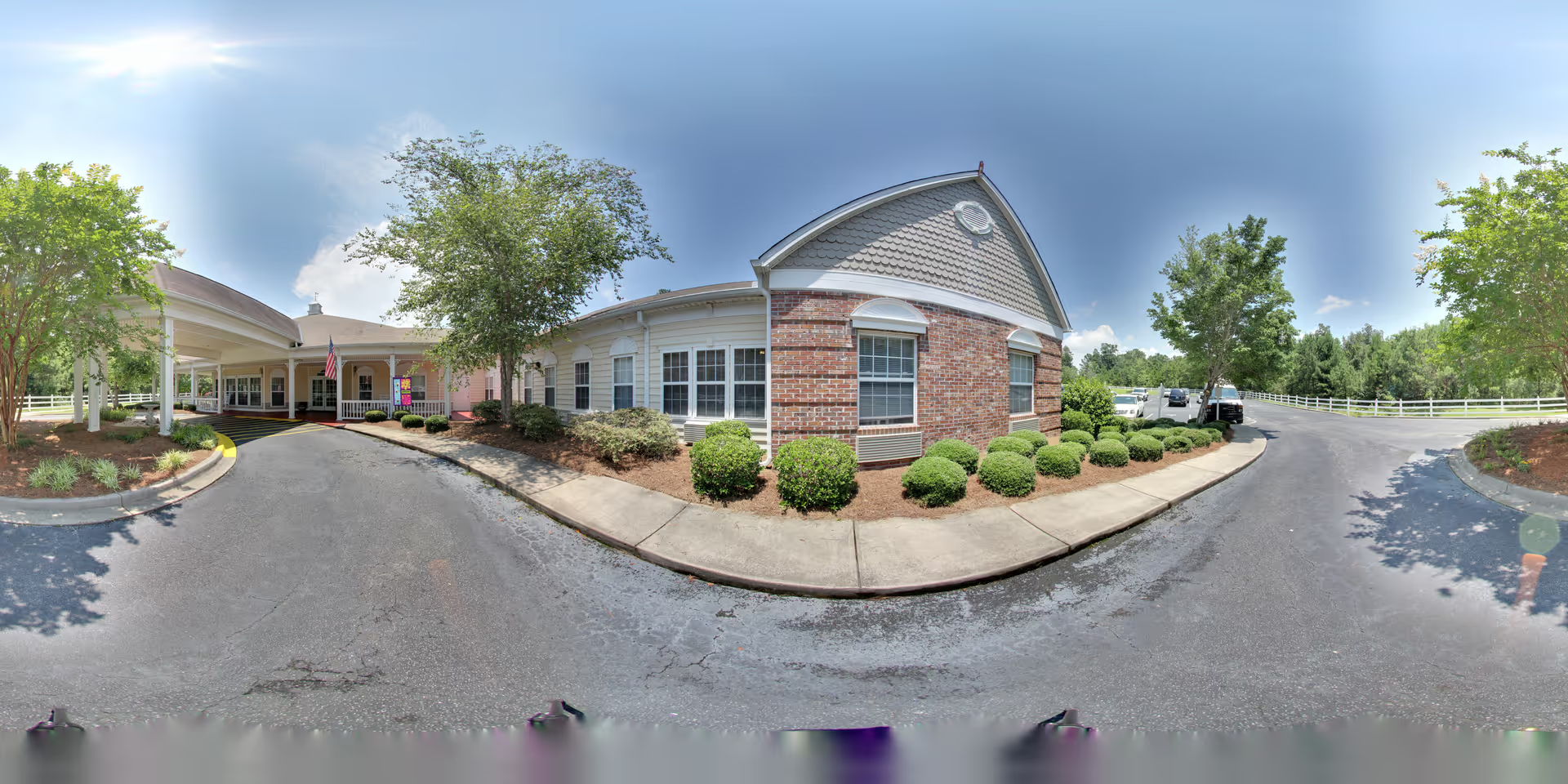
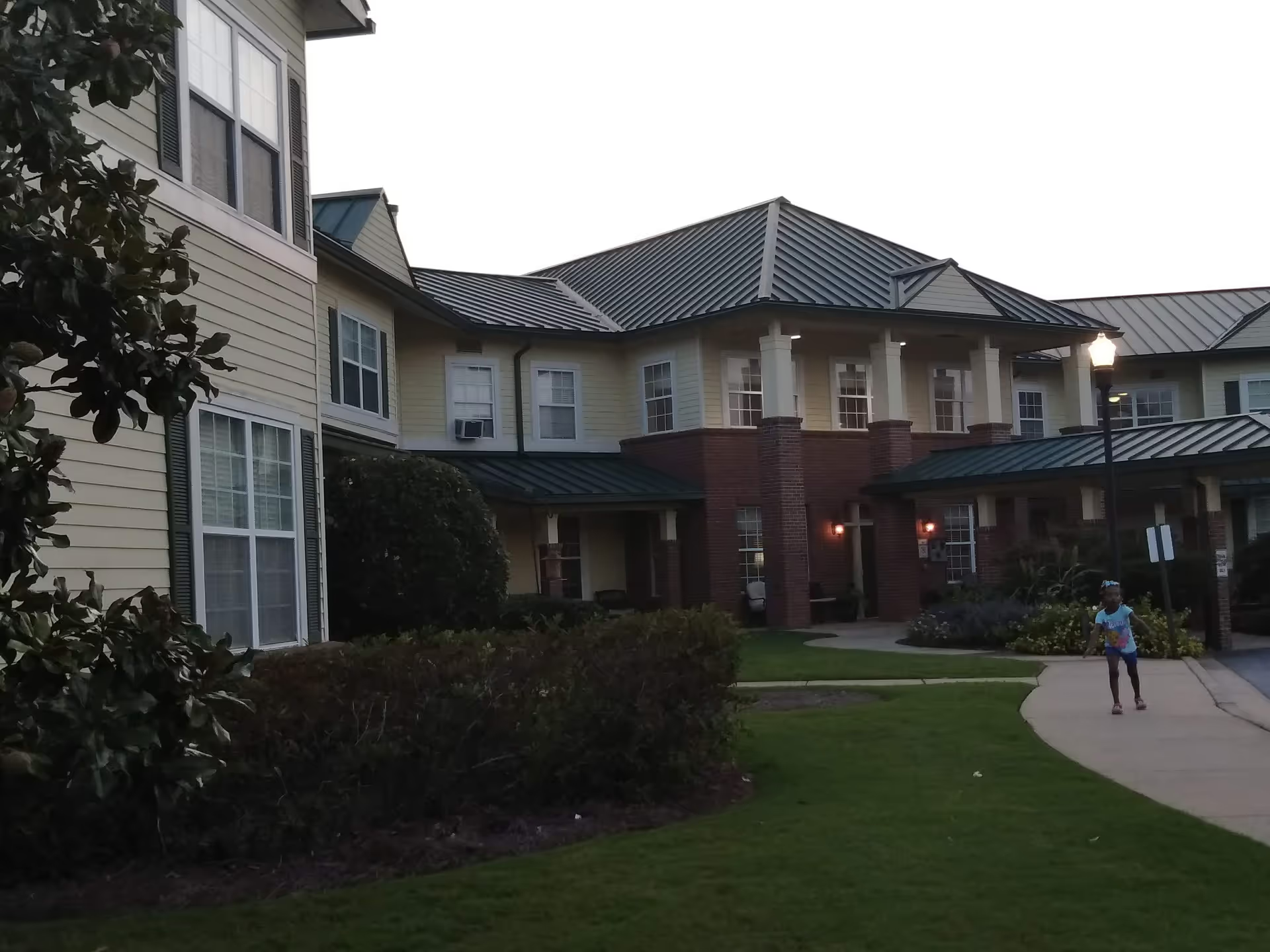
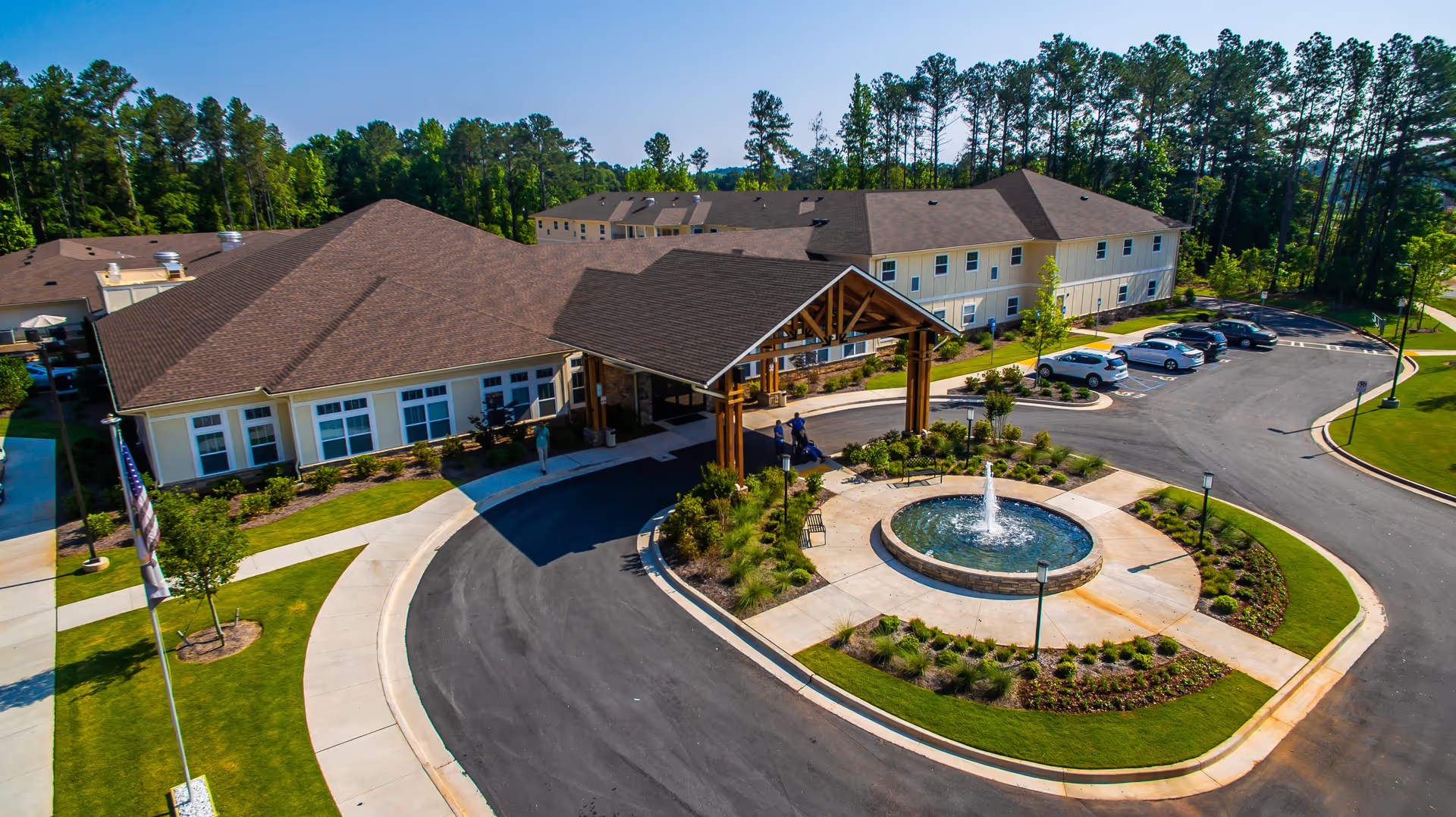
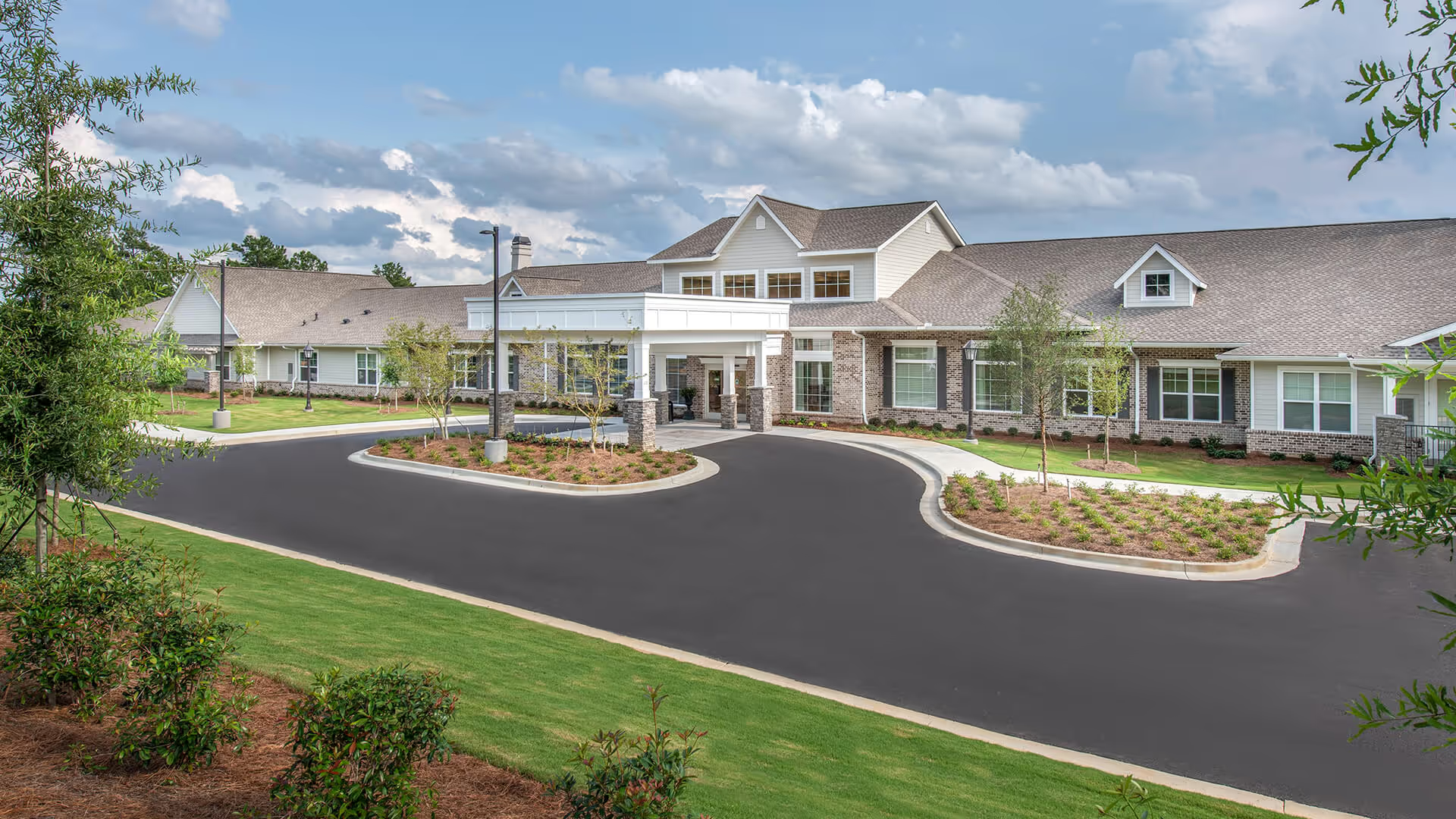
Brookdale Columbus presents a mixed but actionable profile for families seeking memory-care services. Strengths repeatedly noted include a clean, well-maintained physical environment with a dementia-friendly circular design, secure single-floor memory care, multiple outdoor areas, and a range of on-site amenities (salon, library, activity room). Private rooms with accessible bathrooms, central HVAC, laundry service, and in-house medical options contribute to a practical, resident-focused setting. Admissions staff and some administrative leaders are frequently described as helpful and communicative, and the community can provide rapid placement support when needed.
Staffing and direct care are recurring themes with substantial variation. Many reviews describe compassionate, personable caregivers who know residents by name and an activities team that delivers engaging programming — exercise classes, cognitive activities, holiday and birthday celebrations, and off-site trips when allowed. Conversely, reviewers also describe inconsistent staffing levels, periodic high turnover, and reliance on temporary staff that can degrade continuity of care. There are documented gaps in medication administration and clinical response (including delays in analgesia and inconsistency in medication handling), as well as inconsistent personal-care routines such as bathing schedules. These patterns suggest prospective families should confirm current staffing ratios, medication protocols, and contingency plans for clinician turnover.
Dining and life-enrichment are generally strong selling points. The dining program is often praised for chef-prepared meals, reasonable dietary customization, and an active schedule of social dining events. At the same time, there are intermittent reports of missed meal service and uneven meal continuity, so confirming meal-service reliability and how substitutions or missed meals are handled is advisable. Activities are a clear asset for residents who can participate: a well-regarded activities director, regular programming, and outdoor gardening or courtyard use are repeatedly mentioned.
Operational and management concerns are a notable counterbalance to the facility’s strengths. Several reviews indicate billing and fee-transparency problems, including unexpected charges and disputes about all-inclusive claims. Families should request written fee schedules and clarifications about ancillary charges (bathing fees, medical extras, end-of-life services). There are also sanitation and odor concerns referenced in some comments and lapses in personal-item management, which point to uneven quality-control practices. More serious are reports raising concerns about staff conduct and supervision; while these vary in nature and severity, they justify careful review of staff training, background-check processes, and the facility’s incident-reporting and resolution procedures.
In summary, Brookdale Columbus offers many features families value in memory-care communities: a dementia-aware layout, active programming, strong housekeeping in many areas, chef-driven dining, and personable staff members who provide meaningful engagement. However, reviewers also identify operational weaknesses that can affect clinical safety and family confidence — inconsistent staffing, medication and personal-care process gaps, billing transparency issues, and some sanitation and supervision concerns. Prospective residents and families should tour the community, ask for current staffing metrics and clinical protocols, review the fee schedule in writing, and inquire about hospice capacity and incident escalation pathways to determine whether the facility’s strengths align with the resident’s clinical and psychosocial needs.