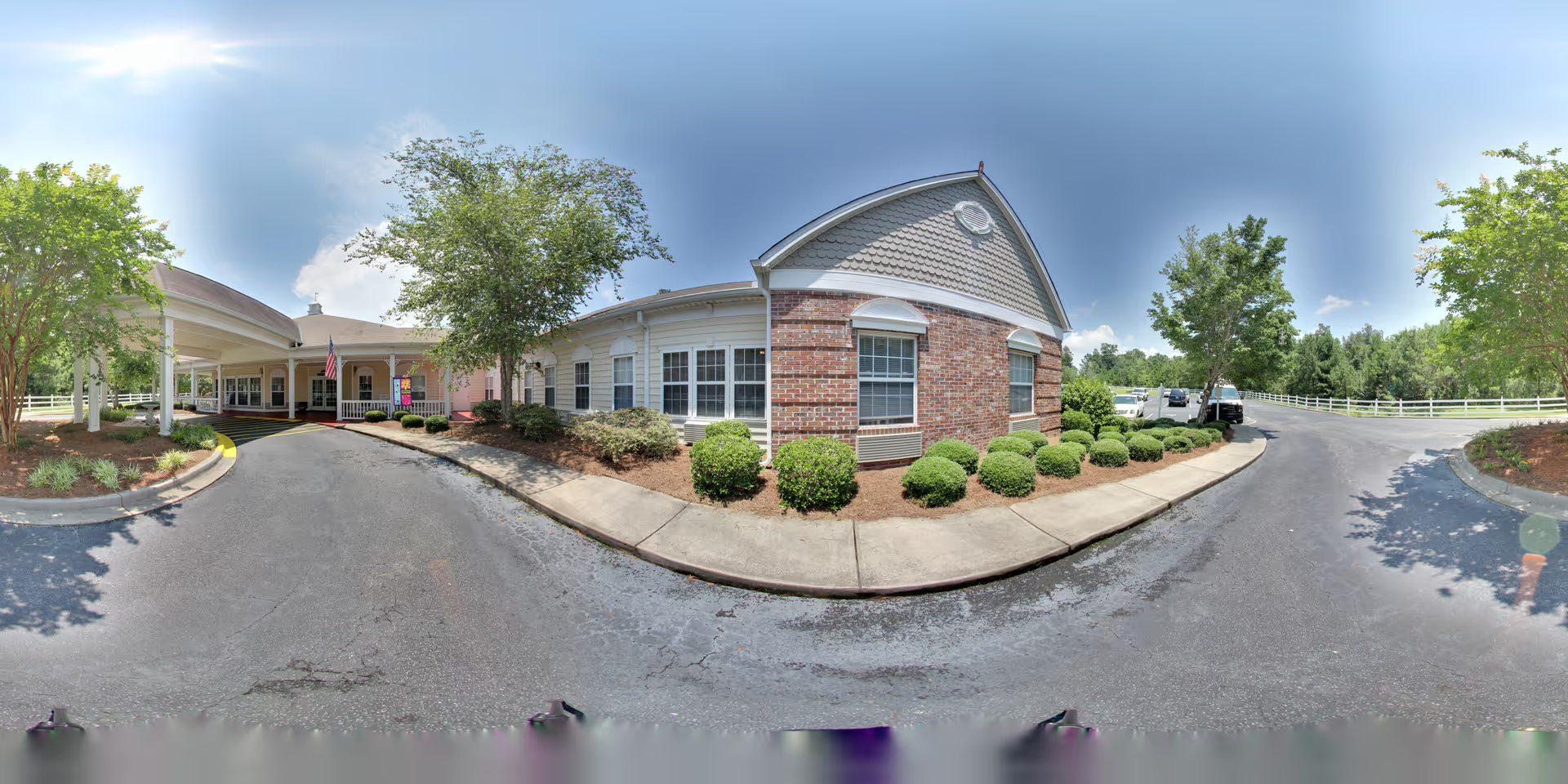
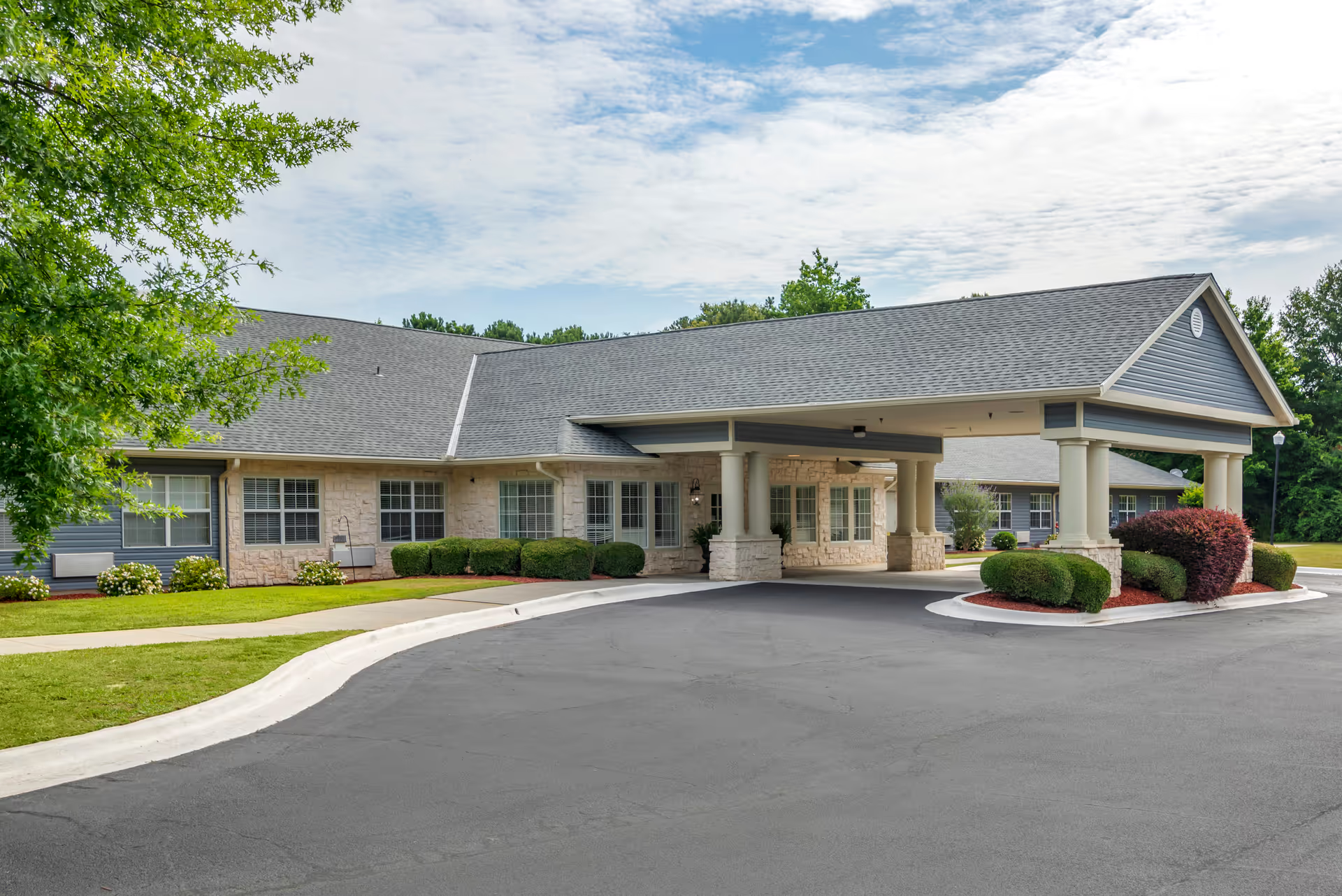
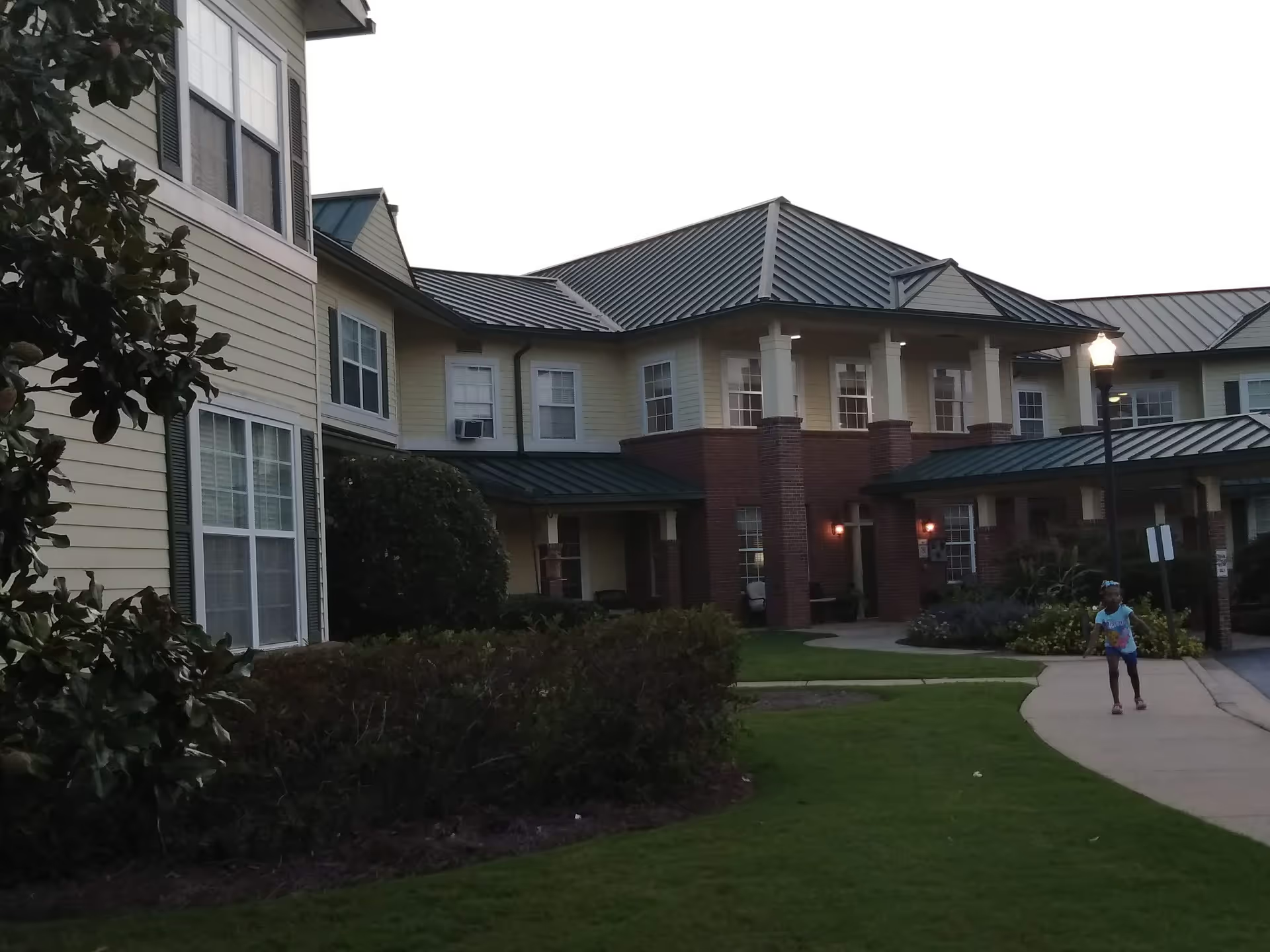
Overall impression: The Gardens at Calvary presents as a well-kept, community-oriented assisted living that emphasizes compassionate caregiving and a robust activity program. Many families praise the staff as warm, caring, and team-focused; reviewers frequently use family-like language to describe nurses and caregivers. The facility is generally clean, grounds are well maintained, and communal spaces — including a hotel-like dining room — receive consistent positive mention.
Care and staff: Clinical and caregiving strengths center on staff continuity, team-based approaches, and accessible clinical support. Reviewers describe prompt medication delivery, 24/7 on-call nursing availability, and caregivers who develop close relationships with residents. These factors contribute to high family satisfaction and repeated recommendations. At the same time, there are operational limits: the facility appears to have constrained capacity for residents who require higher-acuity nursing or specialized medical support, and several families indicated transfers or admissions were not possible when needs escalated.
Dining and activities: The Gardens maintains an active programming schedule with daily exercise, bingo, crafts, and frequent entertainers. Activities are described as engaging and varied enough to create a welcoming social environment. Dining is generally characterized as good and served in an attractive dining room; however, menu variety can be repetitive for some residents, suggesting opportunities to expand meal rotation or special-diet offerings.
Facilities and operations: Physical plant and housekeeping are mixed themes. Reviewers consistently note clean common areas and well-kept grounds. Some comments indicate the building has older, dated elements despite overall cleanliness. A few families reported inconsistencies in in-room sanitation when residents' care needs increased, indicating a gap between communal housekeeping and acuity-linked room care. There are also isolated notes about entry/security responsiveness (for example, doorbell/buzzer issues) that suggest procedural or equipment improvements could enhance safety and access.
Management and notable patterns: Management transitions were mentioned as a source of communication gaps and occasional administrative instability. Front-desk or initial reception experiences are variable; while direct caregivers are often described as warm, some families found first impressions from reception staff less welcoming. The facility’s orientation toward the local community and faith-based programming is a clear feature and appeals to many prospective residents, but prospective families should verify whether the facility’s admissions model and clinical capacity align with anticipated future needs.
Bottom line: The Gardens at Calvary is generally regarded as a caring, activity-rich assisted living with strong staff continuity, good communal cleanliness, and a welcoming social environment. Prospective residents and families should weigh the facility’s strengths in day-to-day caregiving and programming against its limitations in higher-acuity nursing care, some variability in in-room housekeeping tied to acuity, occasional administrative turnover, and higher pricing. Those seeking a faith-based, community-focused assisted living with engaged staff and active programming may find it a good fit; families requiring significant medical or memory-care services should confirm scope of services and capacity before committing.