Overall impression: Reviews present a mixed but consistent pattern: the facility has a number of strongly positive clinical and operational attributes, especially around rehabilitation, activities, housekeeping leadership, and individualized family communication, yet also shows recurring operational weaknesses that affect safety, hygiene, and reliability of daily care.
Care quality and staff: Many reviewers praised individual caregivers, nurses, therapists, and specific leaders for compassion, professionalism, and effective coordination—particularly in the rehab and hospice arenas. Skilled therapy staff and successful short-term rehab outcomes are recurring strengths. At the same time, reviewers describe variable staffing levels and inconsistent bedside responsiveness; that variability correlates with delayed assistance, missed or late medications, inconsistent bathing and incontinence-care schedules, and occasional safety lapses. Where consistent caregiver teams and engaged leadership are present, families report higher satisfaction; where staffing is thin or turnover is higher, concerns increase.
Dining and clinical nutrition: Comments about meals are mixed. Several families described home-style meals and appealing presentation, while a substantial number described inconsistent food temperature, mediocre quality, and menus that did not meet therapeutic needs for cardiac or diabetic diets. Reviewers flagged unreliable meal-service timing on some shifts and gaps in diet accommodation for residents with specific medical needs.
Activities and social programming: The activities program is a clear strength for many families. The activities director and team receive repeated praise for engaging, varied programming that improves resident mood and participation. This program is often cited as a differentiator in short-term stays and long-term quality of life.
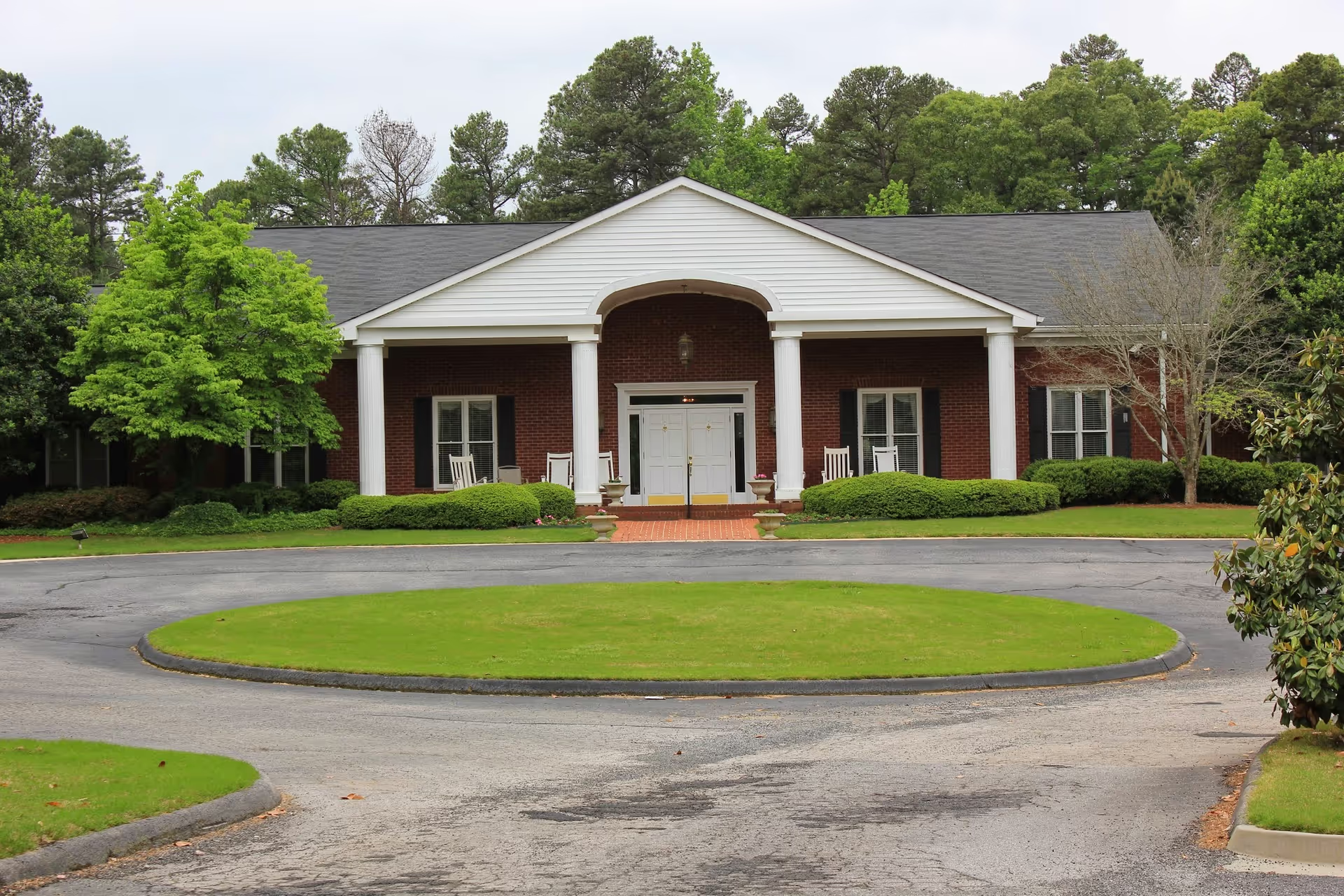
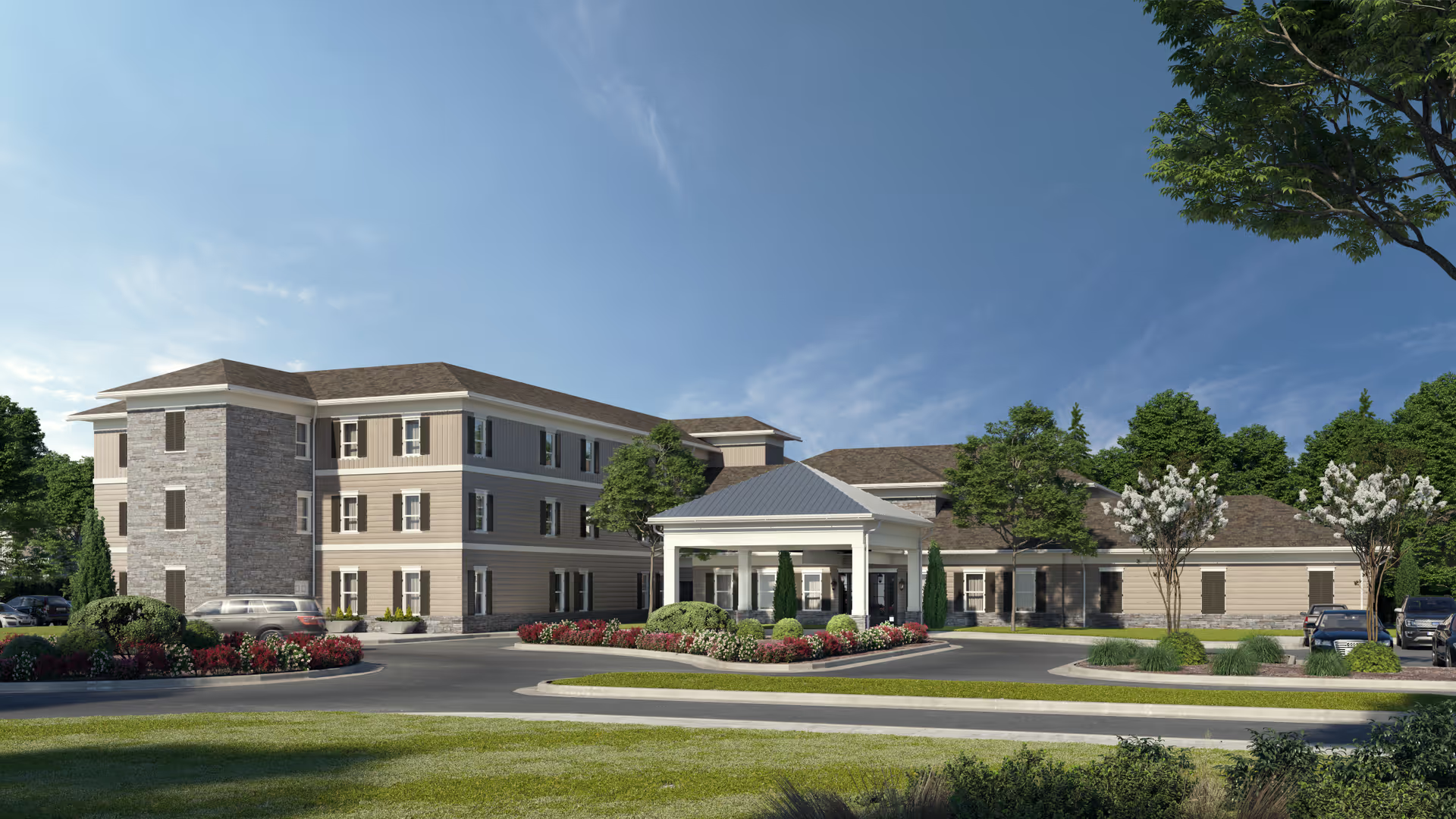
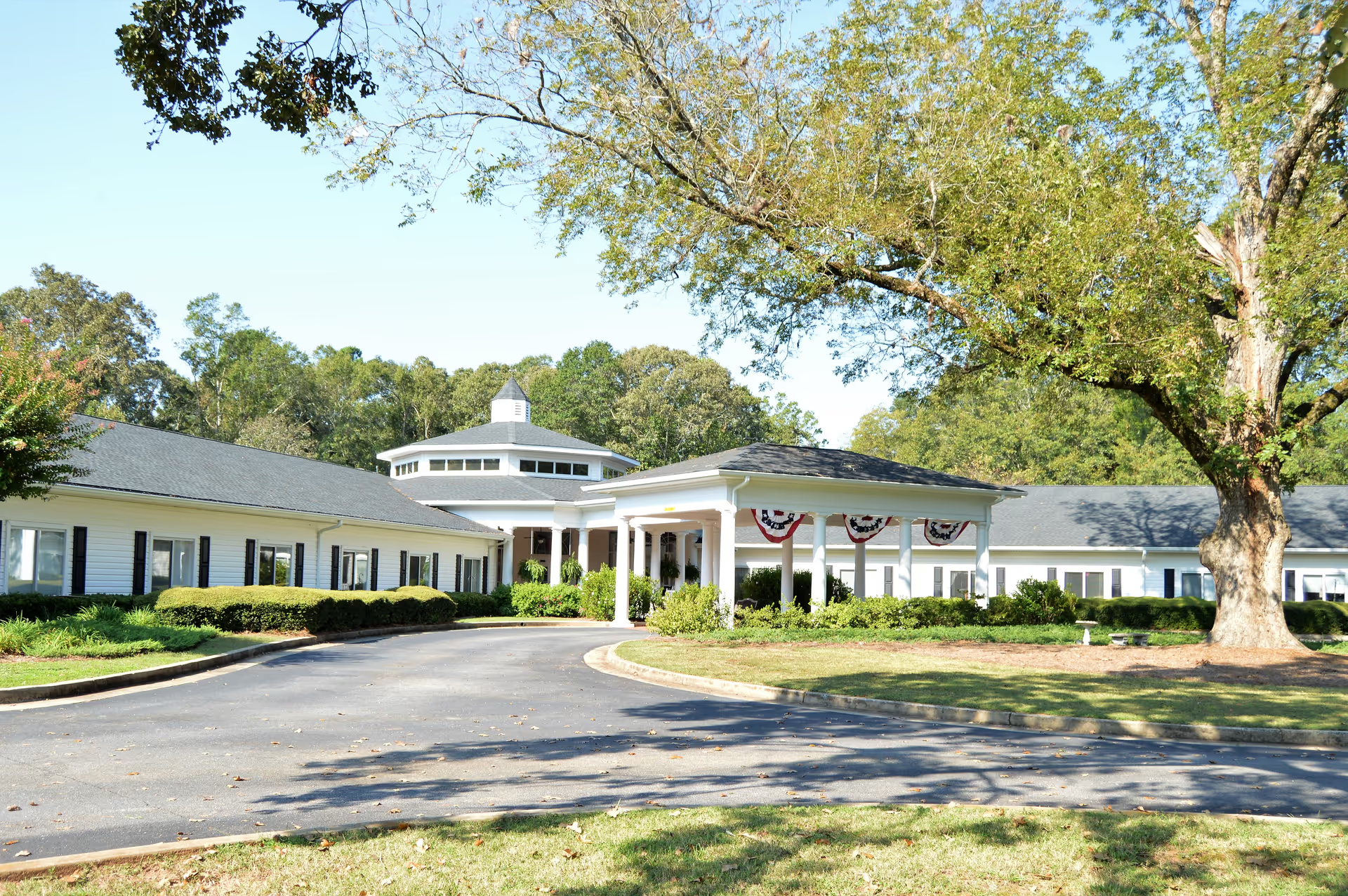
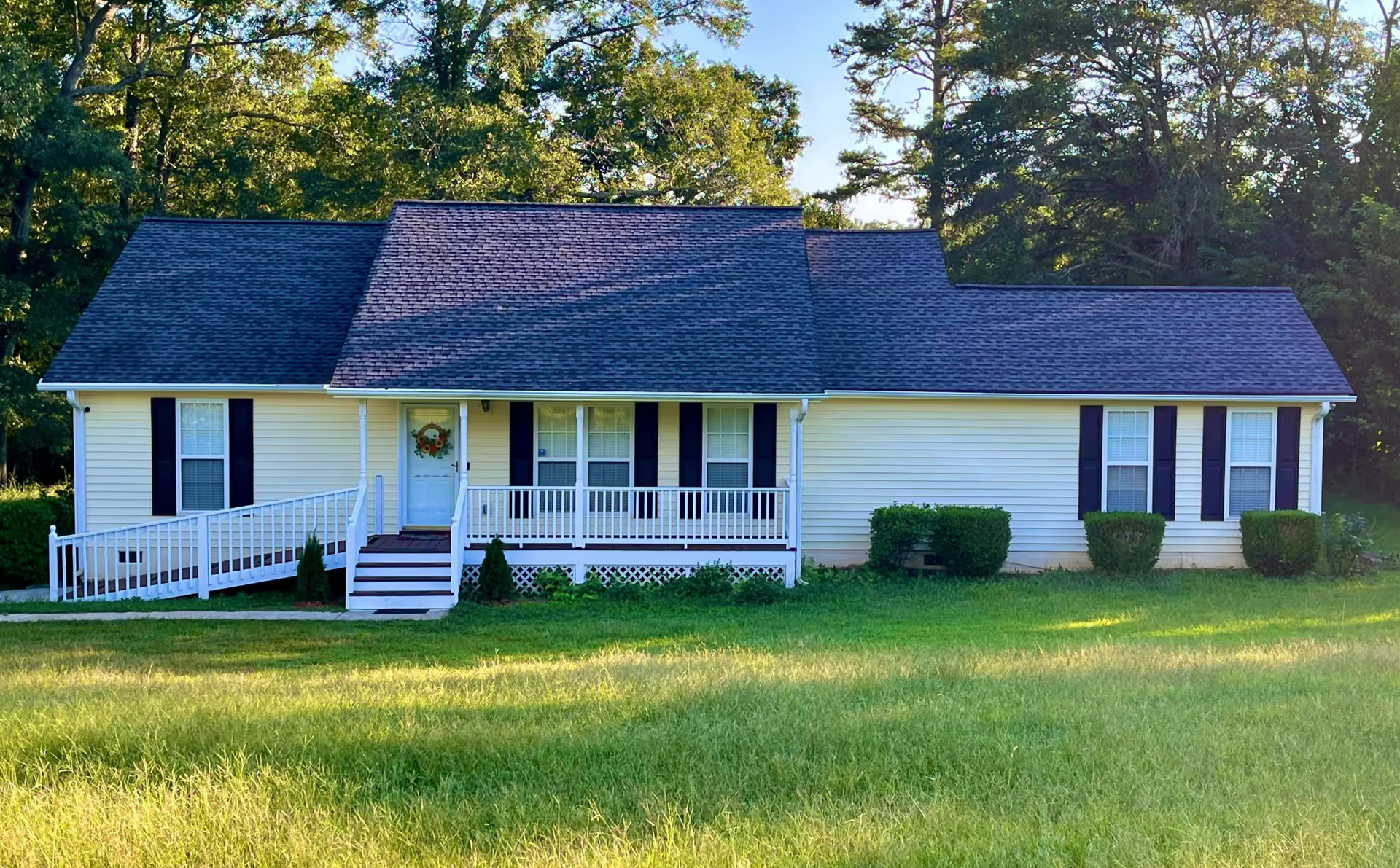
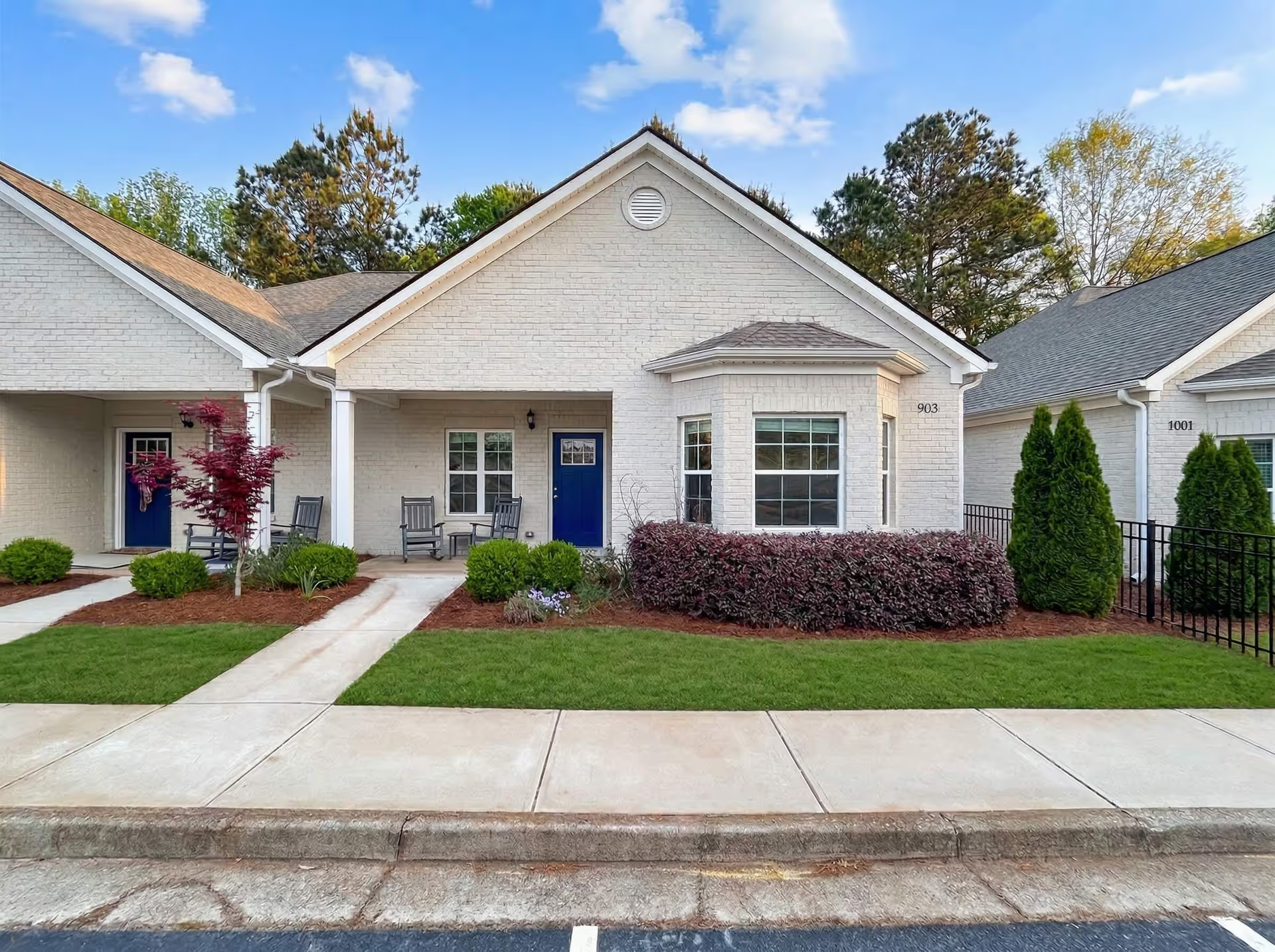
Facilities and housekeeping: The facility includes renovated, modern rehab spaces and well-kept common areas that several reviewers described as clean and welcoming. Housekeeping leadership and environmental management are praised by many. However, sanitation and odor concerns, pest-control concerns, and uneven room-level cleanliness were also reported, indicating inconsistent environmental performance across units. Some reviewers noted older building sections, cramped rooms, or shared bathroom arrangements that reduce privacy and comfort.
Management and communication: Management responsiveness is reported both positively and negatively. Multiple reviewers credited admissions staff, concierges, and specific administrators for proactive coordination, clear communication, and successful problem resolution. Conversely, other reviewers reported poor admissions experiences, unreturned calls, nonfunctional after-hours phone systems, slow complaint follow-up, and inconsistent family communication. These mixed reports suggest variability in administrative performance and after-hours support.
Safety and operational risk patterns: Recurring operational concerns include medication-timing issues, gaps in monitoring and transfer safety, and inconsistent emergency responsiveness. These are facility-level process issues rather than isolated praise or criticism of individual staff. There are also allegations of theft and other criminal conduct noted in reviews; such claims are serious and were raised by some families. Together with reports of delayed care and inconsistent supervision, these items warrant careful scrutiny by prospective residents and families.
Notable positives to weigh: Strong rehab outcomes, an active activities program, dedicated hospice coordination, and examples of highly engaged nursing and administrative staff are important assets. Recent renovations and leadership changes were cited by several families as improving appearance and performance.
Decision guidance: Prospective residents and families should weigh the facility’s clear strengths in rehabilitation, activities, housekeeping leadership, and examples of committed staff against the documented variability in staffing, medication administration, cleanliness at the unit level, meal consistency, and after-hours responsiveness. When evaluating placement, ask for current staffing ratios by shift, medication-administration protocols, infection‑control and pest‑control records, specific therapeutic-diet capabilities, examples of recent quality‑improvement actions, and references from families whose loved ones received short-term rehab or hospice care. Visiting during different shifts (including evenings/nights) and speaking directly with the director of nursing and activities director can help confirm whether the operational improvements described in some reviews are consistent throughout the building.